# Regional Resilience in 2024: Community Defenses, Policy Reforms, and Digital Safeguards Expanded
As 2024 progresses, the Boston area and New Hampshire continue to exemplify resilience amid complex social, political, and technological challenges. From grassroots resistance to federal immigration policies to innovative efforts safeguarding electoral integrity, regional communities are demonstrating unwavering commitment to human rights, transparency, and social justice. Recent developments reinforce how community activism, strategic policy reforms, and technological safeguards are shaping a region determined to uphold democratic values and social equity in turbulent times.
---
## Strengthening Protections for Immigrant Communities
**Boston’s Sanctuary City Policies and Grassroots Resistance**
Boston’s firm stance as a sanctuary city remains a vital pillar of regional resilience. Mayor Michelle Wu’s recent executive order explicitly restricts cooperation with **Immigration and Customs Enforcement (ICE)**, condemning federal raids as “unconstitutional and violent.” This policy aims to foster trust within immigrant neighborhoods such as **East Boston** and **Dorchester**, where federal immigration enforcement efforts have historically generated fear and instability.
**Grassroots Resistance and Policy Victories**
Community activism continues to be a powerful force for change. In Roslindale, residents recently intervened to prevent ICE agents from detaining a driver—a vivid act of civil disobedience reflecting a collective commitment to civil liberties. Similarly, protests in Nashua, NH, against proposed detention centers have intensified, emphasizing civil rights concerns and community cohesion.
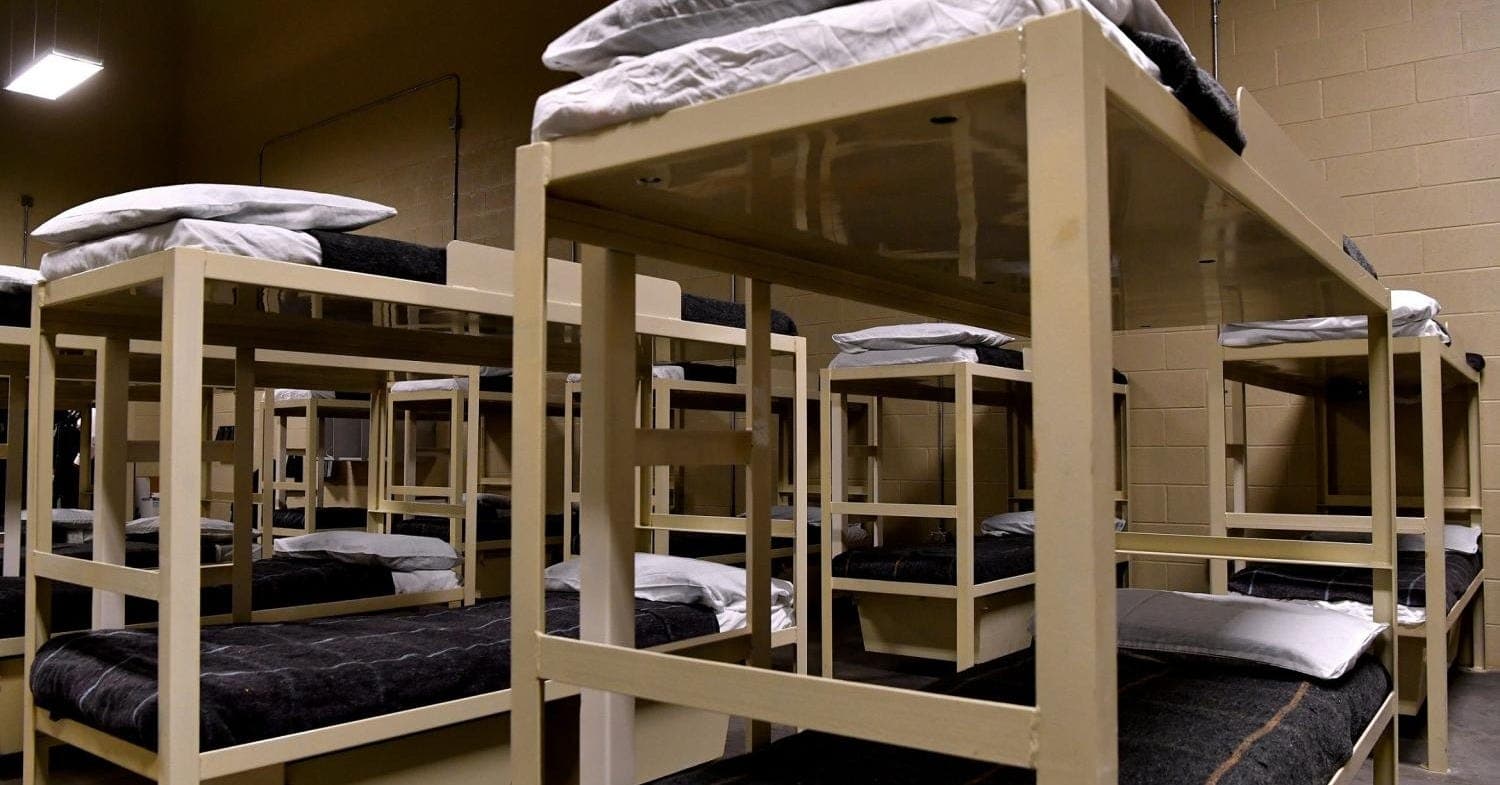
A significant recent victory was the **cancellation of plans for a proposed ICE detention facility in Merrimack, New Hampshire**. State officials announced the project will not proceed, citing strong community opposition and civil rights concerns. This outcome underscores the influence of grassroots organizing and advocacy in shaping local policies, illustrating that community voices can effectively halt potentially harmful federal initiatives.
**Continued Enforcement Tensions and Compassionate Support**
Despite protective policies, federal immigration enforcement persists. Recently, authorities arrested **Roodney Cleeford Martinez**, a Haitian national with **28 prior arraignments**, in Boston amid heightened ICE activities. This incident exemplifies ongoing tensions between federal enforcement efforts and community trust, highlighting the importance of balanced approaches that respect human rights.
**Holistic Community Support Initiatives**
Recognizing that immigrant communities are often family-centered, regional agencies have expanded their support efforts. The **Massachusetts Society for the Prevention of Cruelty to Animals (MSPCA-Angell)** has increased assistance for pet owners impacted by ICE detentions, demonstrating a compassionate approach that considers entire families—including animals—as part of the community fabric. These initiatives exemplify regional resilience rooted in empathy and collective solidarity.
---
## Law Enforcement Accountability and Public Safety
**Addressing Incidents and Rebuilding Trust**
Recent law enforcement incidents have spotlighted the need for transparency and reform. A **use-of-force incident in Dorchester**, involving an officer’s aggressive response, sparked community outrage—particularly among immigrant residents demanding accountability and reforms to rebuild trust in policing.
**High-Profile Cases and Oversight Measures**
The arrest of an **off-duty Hanover police officer** charged with **motor vehicle homicide** after a fatal hit-and-run in Brockton has amplified calls for stricter conduct standards. Reports indicate the officer was intoxicated while returning home, fueling demands for enhanced oversight across departments to prevent similar tragedies.
In response, regional agencies are conducting a **police chief selection process**, with **three finalists** recently interviewed. This process emphasizes **community input** and aims to foster reforms promoting **transparency, community engagement, and trust-building**.
**Broader Oversight and Corruption Investigations**
Adding to accountability efforts, recent investigations have uncovered a **municipal employee fraud case** involving embezzlement and misappropriation of funds. These revelations prompt calls for stronger internal controls and oversight mechanisms, underscoring the ongoing need for transparency and integrity in local governance.
**Community Safety and Crime Prevention Initiatives**
Efforts to address crime and public health issues remain critical. A **fentanyl raid in Roxbury** on February 21 led to the arrest of a suspected dealer, addressing community concerns over drug-related violence. Additionally, residents responded swiftly to a **missing person alert** for **82-year-old Robert Wilson**, last seen in Dorchester—showcasing community vigilance and collective responsibility.
**Cultural and Justice Initiatives**
Community cohesion persists through social justice events. The **First Parish Dorchester** hosted a vigil honoring victims of racial violence in Minneapolis, reaffirming commitments to racial justice. Attended by community leaders like Theodore Stocker and his daughter Juniper Stories, the event emphasized that hope and collective action remain vital to social progress.
---
## Municipal Services, Infrastructure Resilience, and Community Support
**Expanding Services and Supporting Vulnerable Populations**
Boston continues to enhance municipal services. The city extended its **fare-free bus program** through June, leveraging federal relief funds to improve mobility for vulnerable residents and stimulate local economic activity. The **Boston Fire Department**, partnering with the **American Red Cross**, launched a program offering **free home installation** of **smoke and carbon monoxide detectors**, aiming to reduce preventable injuries—especially in underserved neighborhoods.
**Lessons from Extreme Weather Events**
Recent severe weather has exposed infrastructure vulnerabilities. During a major blizzard, a **water main break in Winthrop** caused widespread flooding, disrupting transportation and public services. Emergency responders and residents worked collaboratively, highlighting the urgent need for increased infrastructure investment.
In response, officials are advocating for **additional funding** to upgrade and fortify critical infrastructure against climate-induced extreme weather, ensuring community resilience and safety.
**Major Transit Challenges and Solutions**
Transportation remains a key focus. The **MBTA Orange Line** is scheduled for a **9-day shutdown starting this weekend**, impacting thousands of commuters between Downtown Boston and Jamaica Plain. Authorities have issued guidance to minimize inconvenience and encourage alternative transit options.
Additionally, the city is reviewing the **Blue Hill Avenue bus lanes project**, which involves reconfiguring a major thoroughfare to add dedicated bus lanes. The **City Council** is set to evaluate **the civil rights impact** of this initiative, as community leaders express concerns over potential displacement and access issues. District 7 City Councilor Miniard Culpepper emphasized the importance of ensuring transit improvements serve all residents equitably.
**Community Resilience Projects and Emergency Preparedness**
Building on ongoing support efforts, **Rebuilding Together Boston** recently received a **$165,000 grant from Liberty Mutual Insurance** to fund resilience projects—such as home repairs, weatherproofing, and community upgrades—in Dorchester and Roxbury. These initiatives aim to strengthen neighborhood stability and preparedness for future challenges.
**Snow Removal and Weather Readiness**
The city’s snow removal efforts faced scrutiny after recent storms. An article titled **"The good, the bad and the ugly of Boston’s snow removal"** reflects on operational challenges and advocates for better resource allocation to ensure equitable and efficient responses in future winter weather events.
---
## Safeguarding Democracy in a Digital Age
**Massachusetts Leads with AI Election Safeguards**
Amid rising concerns over digital misinformation and AI-generated content, Massachusetts has taken a leadership role. The **AI Election Bill**, enacted earlier this year, introduces critical measures such as:
- **Content labeling** for AI-generated political materials,
- **Disclosure standards** for campaigns employing AI tools,
- **Penalties** for malicious AI use designed to distort or undermine election results.
Proponents argue these safeguards are essential to counter sophisticated misinformation campaigns that threaten public trust and electoral integrity.
**Monitoring, Collaboration, and Technological Innovation**
State agencies and watchdog organizations are actively monitoring AI content throughout election cycles. The legislation encourages partnerships with tech firms to develop **advanced detection tools** that enhance transparency and accountability in digital political discourse.
---
## **Implications and Future Outlook**
The recent developments demonstrate a region deeply committed to resilience through **multi-layered strategies**—integrating **policy reforms, grassroots activism, infrastructure investments, and technological safeguards**. Key highlights include:
- The **successful opposition** to Merrimack’s ICE detention facility, affirming community power.
- Ongoing **law enforcement reforms**, including the **police chief selection process** and oversight enhancements aimed at rebuilding public trust.
- Expansion of **support services** like those provided by Rebuilding Together Boston, addressing housing and safety.
- Implementation of **digital safeguards** to defend electoral processes against AI-driven misinformation.
- The **arrest of Roodney Cleeford Martinez**, exemplifying enforcement efforts.
- The **Dorchester vigil**, reinforcing community solidarity amid social justice concerns.
Looking ahead, maintaining **transparency**, **equity**, and **community engagement** will be vital. Continued investment in infrastructure and social services, vigilant oversight of federal actions, and technological innovation will determine the region’s ability to navigate ongoing challenges.
**In conclusion**, the Boston area and New Hampshire exemplify that resilience in 2024 is rooted in **community empowerment, strategic policymaking, and technological vigilance**. Their collective efforts underscore a shared commitment to fostering inclusive, safe, and democratic communities capable of facing the complexities of this era with hope, resolve, and unwavering community spirit.