# How Diet and Exercise Are Continually Reshaping Weight Management and Disease Prevention in 2026
The landscape of health and wellness in 2026 is more sophisticated, personalized, and evidence-based than ever before. Driven by rapid scientific advances, innovative therapies, and a deeper understanding of individual biology, strategies for managing weight and reducing disease risk have shifted from broad, one-size-fits-all guidelines to highly tailored, multimodal approaches. This transformation promises not only longer, healthier lives but also a fundamental recalibration of how we approach aging, metabolic health, and cognitive preservation.
## A New Paradigm: Personalization at the Heart of Health Strategies
In 2026, **personalization** is the cornerstone of effective health management. Recognizing that each person’s genetic makeup, gut microbiome composition, regional fat distribution, and medical history influence disease risk and weight regulation, clinicians craft **bespoke treatment plans**. These are designed to optimize safety, efficacy, and sustainability, moving beyond outdated diets and routines that often failed to produce long-term results.
### Advances in Exercise Science and Nutrition
**Exercise regimens** are now meticulously tailored:
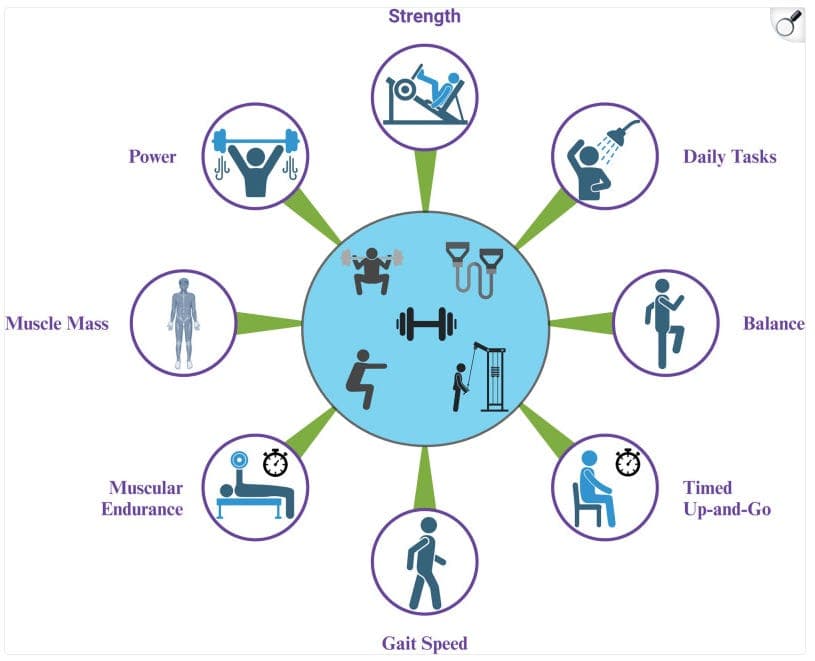
- **Resistance Training**: Emphasized as essential, especially for aging populations, to **preserve muscle mass**, **boost metabolic health**, and **prevent frailty**. Heavy lifting routines are often integrated, with experts like Dr. Stacy Sims advocating resistance training as a key longevity tool.
- **Targeted Cardiovascular Exercise**: Programs designed to specifically reduce **visceral fat** and improve **cardiometabolic health**, adjusted to individual capacity and health conditions, particularly benefiting seniors.
- **High-Intensity Interval Training (HIIT)**: Once exclusive to athletes, HIIT has become mainstream for its **efficiency** and **metabolic benefits**, including **fat loss**, **improved insulin sensitivity**, and **higher adherence** across diverse populations.
On the nutritional front:
- The focus has shifted from strict macronutrient ratios to **food quality** and **dietary patterns**. The **Mediterranean diet**, rich in **fiber**, **healthy fats**, and **lean proteins**, remains highly effective, with recent data indicating an **average caloric reduction of approximately 330 calories daily**.
- **Whole, nutrient-dense foods** continue to outperform processed foods, delivering significant **cardiovascular** and **metabolic improvements**.
- **Time-Restricted Eating (TRE)** remains popular but is now more **personalized**. When tailored to individual lifestyles and preferences, benefits are comparable across various balanced diets, emphasizing **sustainability** over rigidity.
- **Plant-based diets**, including **low-fat vegan regimens**, have demonstrated impressive results, such as **nearly 30% reduction in insulin needs** among type 1 diabetics, underscoring their potential in **metabolic regulation**.
- Ensuring **adequate protein intake**, particularly for **older adults** and **women**, supports **muscle preservation** and **functional independence**.
## Microbiome and Regional Fat: New Frontiers in Disease Prevention
Research continues to highlight the **central roles** of the **gut microbiome** and **regional fat deposits**:
- **Microbiome modulation** through **prebiotics**—non-digestible fibers that foster **beneficial gut bacteria**—has been shown in recent **randomized controlled trials** to **reduce body fat** and **improve gut health** in overweight prediabetics. This positions microbiome support as a **valuable adjunct** in weight management.
- **Regional fat**, especially **abdominal and visceral fat**, is increasingly linked to **accelerated cognitive decline** and **neurodegeneration**. Strategies targeting **regional fat reduction**—via diet, exercise, and microbiome health—are promising avenues for **delaying brain aging** and **preserving cognitive function**.
Addressing **microbiome health** and **regional fat stores** enables more **comprehensive risk reduction** for **metabolic diseases** and **neurodegenerative conditions**, supporting **healthy aging trajectories**.
## Pharmacological and Device Innovations: Expanding Treatment Horizons
The pharmaceutical and medical device landscape in 2026 features **remarkable progress**:
- **GLP-1 receptor agonists** like **semaglutide** now facilitate **weight reductions of around 15%**, revolutionizing obesity treatment.
- **Ribupatide**, nearing **Phase III approval in China**, offers **broader global access**, with demonstrated **weight loss exceeding 12%**.
- Next-generation agents aim for **exceeding 25% weight loss**, with early promising results.
- **Dual GIP/GLP-1 receptor agonists**, such as **tirzepatide**, provide **significant weight loss** alongside **blood pressure benefits**, especially valuable for **obese hypertensive** patients.
- **Minimally invasive devices**—notably **swallowable gastric balloons**—are increasingly adopted, providing **less invasive options** for weight loss.
**Safety considerations** remain integral:
- Risks include **osteoporosis** and **endometrial cancer** in women with benign uterine conditions.
- Potential **nutritional deficiencies** and **bone health deterioration** necessitate **rigorous monitoring**, including **regular blood tests**, **bone scans**, and **nutritional assessments**.
- Healthcare providers emphasize **patient education** and **long-term safety evaluations**, especially as off-label use and wider adoption expand.
### Systemic Benefits Beyond Weight Loss
Emerging evidence suggests these therapies may **offer broader protective effects**:
- **Vision preservation**: Data indicates weight-focused drugs might **delay or prevent age-related macular degeneration (AMD)**, which affects nearly 20 million Americans, by **reducing oxidative stress and inflammation**.
- **Cognitive health**: By **reducing regional fat** and **systemic inflammation**, these therapies could **slow cognitive decline** and **lower Alzheimer’s disease risk**, supporting **brain health** in aging populations.
## Healthcare System and Policy Transformations
The **advent of effective pharmacotherapies** is reshaping healthcare:
- **Bariatric surgeries** are experiencing a **decline in popularity**, as **medication-based treatments** become the standard; for example, centers like **Roxborough Memorial Hospital** report fewer procedures.
- **Affordable generics**, such as those produced by **Biocon**, are **expanding access**, enabling **earlier intervention**, especially in underserved regions.
- **Updated clinical guidelines**—from organizations like the **American Association of Clinical Endocrinologists (AACE)**—now emphasize **early, multidisciplinary, and long-term management** of obesity, recognizing it as a **chronic, relapsing condition** requiring **sustained care**.
### Expert Perspectives and Public Messaging
Professionals underscore the importance of **integrating pharmacotherapy with lifestyle modifications**. The **2026 Dietary Guidelines for Americans** now incorporate **personalized nutrition** and **microbiome insights**, advocating for a **holistic approach** that combines **diet**, **exercise**, and **medical therapy** for optimal outcomes.
## Long-Term Maintenance: From Weight Loss to Sustained Health
Once weight loss is achieved, maintaining it remains a critical focus:
- **Reverse dieting**, involving **gradual caloric increases** after weight loss, is gaining popularity. It aims to **restore metabolic flexibility**, **reduce psychological stress**, and **prevent relapse**.
- When combined with **resistance training** and **microbiome support**, reverse dieting fosters **metabolic resilience** and **behavioral sustainability**.
- These adaptive, flexible strategies prioritize **metabolic health** over rigid routines, promoting **lasting well-being**.
## The Noteworthy Development: Reverse Dieting
**Reverse dieting** stands out as a particularly promising innovation. It entails **gradually increasing caloric intake** post-weight loss to **revive metabolic rate**, **reduce rebound weight gain**, and **enhance psychological well-being**. Incorporating **resistance training** and **microbiome-supportive diets** amplifies its effectiveness, leading to **metabolic resilience** and **systemic health stability**.
## Recent Evidence: The DASH Diet and Dementia Risk
Adding to this holistic approach, recent studies reveal that the **DASH diet**—designed to lower blood pressure—may also **reduce dementia risk**. A significant study demonstrates that adherence to the **Dietary Approaches to Stop Hypertension** correlates with **slower cognitive decline** and **lower incidence of neurodegenerative diseases**. Its emphasis on **vegetables**, **fruits**, **whole grains**, **low-fat dairy**, and **reduced sodium** appears to combat **oxidative stress and inflammation**, key contributors to **dementia**. This underscores the importance of **holistic dietary patterns** in **brain health** and **cognitive longevity**.
## Current Status and Future Outlook
Despite these advancements, **public awareness** and **equitable access** remain challenges. Moving forward:
- **Personalized, multidisciplinary care** should become the norm, integrating **genetics**, **microbiome analysis**, and **lifestyle interventions**.
- **Rigorous safety monitoring**—through routine assessments—must continue to ensure **long-term safety**.
- Emphasis on **sustainable lifestyle changes**—including resistance training, balanced diets, microbiome support, and adaptive strategies like reverse dieting—is essential for **lasting health benefits**.
- Addressing **health disparities** through **expanded medication access**, **public education**, and **policy support** is crucial to achieve **equitable outcomes**.
## The Emerging Perspective on Weight Cycling
A recent and significant insight concerns **"yo-yo dieting"**. Traditionally viewed negatively, emerging research suggests **weight cycling** may confer **lasting health benefits** by inducing **metabolic adaptations**. A long-term study indicates that even when weight is regained after dieting, certain **metabolic and cellular benefits**—such as improved **insulin sensitivity** and **mitochondrial function**—persist. This challenges previous assumptions and suggests that **periodic weight loss efforts**, when combined with **resistance training** and **microbiome support**, can be part of a **sustainable health strategy**.
## Final Implications
In 2026, the convergence of **personalized medicine**, **innovative pharmacotherapies**, and **science-backed lifestyle strategies** is revolutionizing how we approach **weight management** and **disease prevention**. These advances are making **healthy aging**, **metabolic health**, and **cognitive preservation** more accessible, safer, and sustainable. As ongoing research continues to refine these tools, the vision of **extended healthspan and lifespan** becomes increasingly attainable—heralding a future where **systemic well-being** is within reach for all.
**For personalized guidance and safe implementation of these strategies, always consult qualified healthcare professionals.**