May 4, 2026
Ancient DNA Uncovers Pre-Contact Scarlet Fever in Bolivian Mummy
Paleogenomics transforms Andean health history:
- First ancient Streptococcus pyogenes genome from a 14th-century Bolivian mummy (1283-1383),...

Created by Fat Jesus
Professional field reports and theoretical studies on Pre-Columbian American archaeology
Explore the latest content tracked by Precolumbian Archaeology Brief
Paleogenomics transforms Andean health history:
Key fieldwork update from INAH survey in Othón P. Blanco:
Laxtunich lintel controversy exposes repatriation pitfalls:
LiDAR's implications for pre-Columbian Americas: uncovering settlement networks of platforms, terraces, and embankments in Panama's rainforest,...
Key efficiency gains from new AI-LiDAR system tested at China's Wuwangdun tomb:
New bioarchaeological study uses path analysis to model precipitation's effects on health in pre-Hispanic Andes populations over 5 millennia.
The orientation of Mayan ceremonial centers has long fascinated archaeologists, historians, and scholars seeking to understand their spiritual dimensions.
INAH registered El Jefeciño, a ~100-ha Classic Maya site (AD 250–900) with 80 Petén-style structures in Quintana Roo's forests, reported by locals...
Key methodological advance in non-destructive NIR spectroscopy for bone collagen:
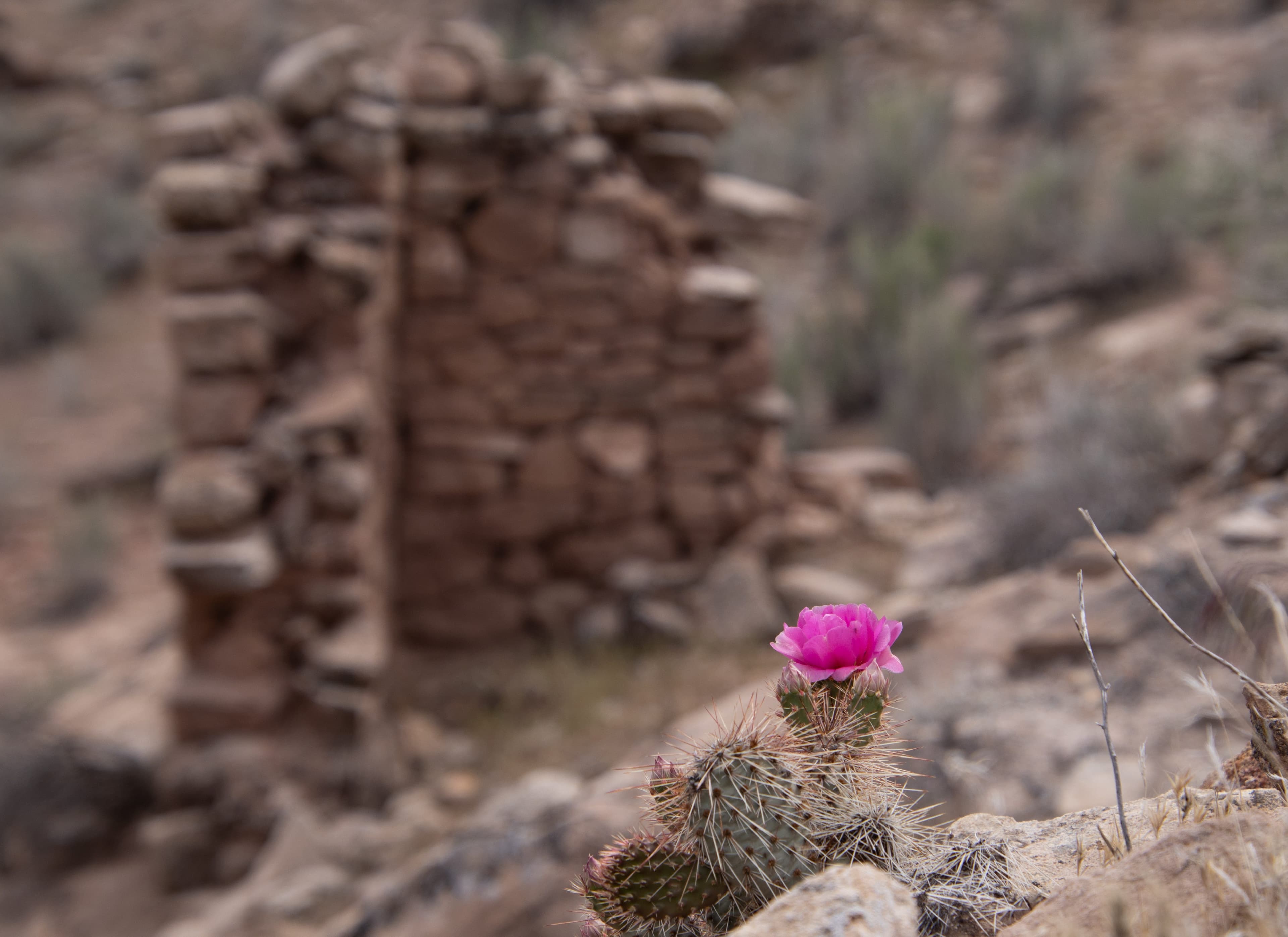
Personal visit to Canyons of the Ancients uncovers key Ancestral Puebloan features and preservation risks:
Kaminaljuyu's Formative reliefs reveal Preclassic innovations:
Archaeological exploration of western Pichincha, Ecuador is a burgeoning field, revealing key insights into pre-Columbian cultures and their interactions.
Key highlights from the iDAI.field lecture:
Test pit methods in harsh, insect-ridden coastal conditions uncover Malabar II (900-1500s) refuse midden with shark vertebrae, shells, and...
Key implications for Preceramic peopling and Beringian debates:
Breakthrough method for non-invasive ruin detection: Combines SNV with ResNet50 on visible-near-infrared spectra to classify ancient ruins merged with...