# How Tailored Nutrition and Low-Impact Physical Activity Support Strength, Bones, and Longevity in Aging: The Latest Developments
As the global population continues its unprecedented aging trajectory, the focus on optimizing health, independence, and vitality among older adults has intensified. Recent scientific research, technological innovations, and practical strategies now underscore a holistic, personalized approach that combines tailored nutrition with safe, low-impact physical activity. This integrated strategy is proving essential not only for maintaining strength and bone health but also for extending lifespan and improving quality of life, transforming aging from a period of inevitable decline into one of resilience and vitality.
## The Evolving Landscape of Personalized Nutrition for Seniors
Understanding the complex physiological and metabolic changes that occur with age has prompted a paradigm shift toward **individualized nutrition plans**. These plans recognize that each person’s health profile is unique, influenced by medications, chronic conditions, access to nutritious foods, and genetic factors. The latest research emphasizes that **personalization maximizes the benefits of dietary interventions**, ensuring they address specific needs and mitigate potential risks.
### Key Components of Tailored Nutrition
- **High-Quality Protein for Muscle Preservation**
Maintaining muscle mass, crucial to prevent sarcopenia, now takes center stage. Recent studies recommend incorporating **lean meats, dairy, eggs, and plant-based sources** such as beans, chia, and flax seeds, which supply essential amino acids and omega-3 fatty acids. Notably, **plant-based proteins** are gaining attention not only for muscle health but also for their cardiovascular benefits, aligning with sustainability goals.
- **Bone-Strengthening Nutrients**
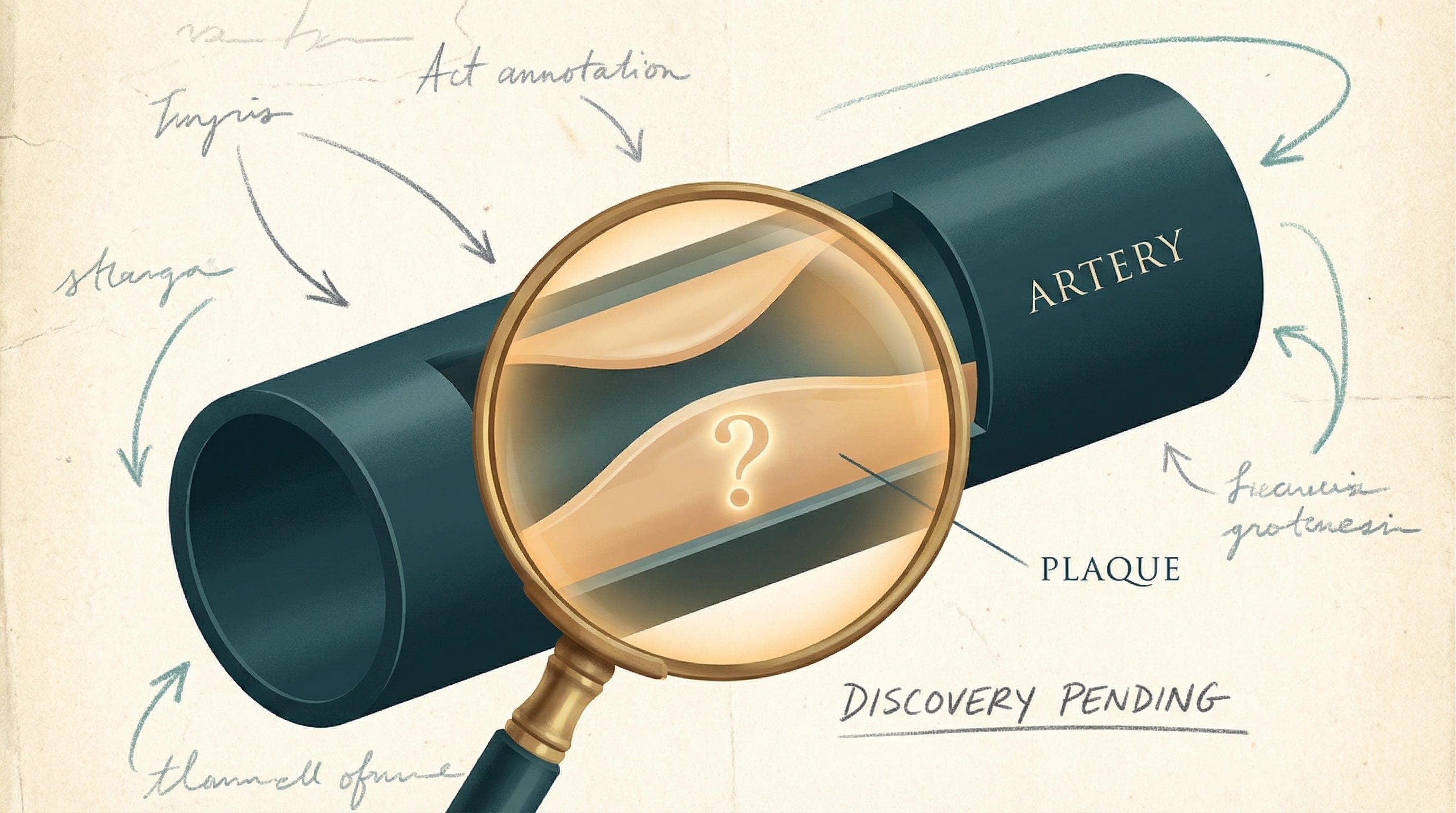
To combat osteoporosis and reduce fracture risk, diets are increasingly rich in **calcium, vitamin D, and vitamin K2**. Foods like **fortified plant milks**, dark leafy greens (kale, broccoli), fatty fish (salmon, mackerel), and fermented foods are emphasized. A recent breakthrough highlights **vitamin K2’s dual role**: it helps **direct calcium to bones** and **prevent arterial calcification**, thereby reducing both fracture risk and cardiovascular disease. This insight is guiding more targeted dietary recommendations.
- **Antioxidants and Cognitive Support**
Colorful fruits—particularly **wild blueberries**—are recognized for their high antioxidant content, combating oxidative stress and supporting **brain health**. Dietary strategies now explore **nutrient timing** and **caloric restriction protocols** that may promote **lifespan extension** and cognitive resilience, with ongoing research investigating their long-term effects.
- **Hydration Strategies for Blood Sugar Control**
Proper hydration is vital, especially for seniors with diabetes. A recent educational video titled "**Doctor Explains How Seniors Should Drink Water to Support Blood Sugar and Diabetes Health**" emphasizes that appropriate fluid intake can **mitigate blood sugar spikes** and improve overall metabolic health. Practical tips include drinking water regularly, avoiding sugary beverages, and incorporating herbal teas.
- **Anti-Inflammatory Foods for Joints and Mobility**
For seniors experiencing joint pain or swelling, certain foods and nutrients—such as **omega-3 fatty acids**, **turmeric**, and **antioxidants**—have demonstrated anti-inflammatory effects. The video "**8 Foods for Your Legs and Joints**" highlights how dietary choices can influence joint health, advocating for fatty fish, berries, and leafy greens to reduce inflammation and support mobility.
### Personalization and Medical Considerations
Given the complexity of aging-related health issues, **personalized nutrition** must be integrated with **medical guidance**. Considerations include **medication interactions** (e.g., vitamin K-rich foods for those on blood thinners) and health conditions such as **kidney disease** or **diabetes**. Regular consultation with healthcare professionals ensures dietary plans are safe and effective.
---
## Advances in Low-Impact Physical Activity for Safe, Effective Aging
Complementing nutrition, **low-impact, targeted physical activity** remains a cornerstone of maintaining mobility, strength, and balance. Recent innovations focus on **safe routines** that are adaptable to various mobility levels, emphasizing **injury prevention** and **functional improvements**.
### Evidence-Based and Practical Exercise Approaches
- **Water-Based Exercises**
Activities like **water aerobics** and **swimming** are highly effective for seniors by reducing joint stress while providing resistance training. Videos such as "**Over 60? Say Goodbye to Swelling! 8 Foods for Your Legs and Joints**" demonstrate how aquatic routines can alleviate swelling, improve circulation, and strengthen muscles.
- **Resistance Band Training**
Resistance bands are portable, inexpensive, and versatile, enabling **strength training** tailored to individual capacity. Recent studies confirm that regular use enhances **muscle mass**, **bone density**, and **functional mobility**, crucial for fall prevention.
- **Seated and Chair-Based Exercises**
Demonstrations like "**The Only 5 Seated Exercises Older Adults Over 60 Need to Strengthen Their Legs**" showcase how simple routines can bolster muscle strength and balance—even for those with limited mobility. These exercises are accessible, safe, and effective in reducing fall risks.
- **Targeted Leg and Knee Strengthening**
Exercises such as **seated leg lifts** and **mini-squats** help strengthen thigh muscles, essential for walking, stair climbing, and maintaining independence. Proper footwear further reduces joint pain, with recent discussions emphasizing its importance.
- **Balance and Flexibility Practices**
Techniques like **tai chi** and **gentle yoga** have proven benefits in **stability**, **coordination**, and **flexibility**, reducing fall risk. Online resources now offer routines suitable for seated or limited-mobility participants, broadening access.
### Rest and Recovery: An Emerging Priority
New evidence underscores that **adequate rest** and **listening to the body** are vital for safe, sustainable activity. The article "**Rest Keeps Seniors Safer Than Pushing Through Fatigue**" advocates for balancing activity with recovery to prevent overexertion and injury, emphasizing that **rest is a key component of effective exercise routines**.
---
## Integrating Medical Oversight and Current Guidelines
Recent updates in clinical guidelines reinforce the importance of **personalized, comprehensive management**:
- **Diabetes**
The **NICE 2026 guidelines** highlight **lifestyle modifications**, including diet and physical activity, alongside options like **bariatric surgery** to reduce medication dependence and complications.
- **Cardiovascular Health**
Regular **blood pressure** and **lipid monitoring** guide medication adjustments, balancing **risk reduction** with minimizing side effects such as muscle weakness or falls.
- **Medication Safety**
Routine medication reviews help identify drugs that may increase **fall risk** or affect **muscle strength**. Tailoring treatments ensures safety alongside efficacy.
- **Atrial Fibrillation and Heart Rhythm Monitoring**
Detecting arrhythmias like **AFib** via wearable devices allows timely intervention, reducing stroke risk.
---
## Practical Strategies for Daily Implementation
To make these insights actionable, consider the following:
- **Personalized Meal Planning**
Incorporate **protein-rich foods**, **calcium and vitamin D sources**, and **antioxidant-rich fruits** like blueberries, customized to individual health conditions and medication constraints.
- **Accessible Exercise Programs**
- Use **video-guided routines** for seated strength, flexibility, and balance exercises.
- Engage in **water activities** or **resistance band workouts**.
- Practice **balance techniques** like tai chi or gentle yoga, available online or through community classes.
- **Regular Medical Monitoring**
Schedule routine check-ups to update dietary and activity plans as health status evolves.
- **Community and Digital Support**
Participating in local programs or using **digital health tools** can improve adherence, motivation, and social engagement.
---
## New Developments and Their Significance
Several recent articles exemplify the ongoing evolution of practical, evidence-based strategies:
- **"1 Ingredient Takes Joint Pain Away | Reduce Inflammation Naturally"**
This article explores a **single natural ingredient**—likely turmeric or a similar anti-inflammatory component—that can significantly reduce joint pain and inflammation, offering a simple, accessible remedy for many seniors.
- **"Inside the Dr. Phil Diabetes Recipe Drink in 2026: 7 Truths No One Tells ..."**
It critically examines popular dietary drinks marketed for seniors with diabetes, highlighting **dizziness, blood pressure shifts, and digestive upset** linked to acidic or overly processed ingredients—serving as a caution against unverified or overly sweetened recipes.
- **"Sauk County shares diabetes self-care guide"**
This community resource provides practical tools for **self-management**, emphasizing **nutrition, hydration, activity, and medication adherence**, reinforcing that **empowered self-care** is central to successful aging.
---
## Current Status and Future Directions
The convergence of **personalized nutrition**, **safe physical activity**, and **medical oversight** is revolutionizing aging, turning it into a phase characterized by **strength, independence**, and **well-being**. Advances in **genetic profiling**, **metabolic monitoring**, and **digital health technologies** promise increasingly precise, tailored interventions in the coming years.
By integrating these evidence-based strategies, older adults can **maximize healthspan**, **prevent frailty**, and **live vibrant, active lives** well into their advanced years. The future of aging care lies in **holistic, individualized approaches**, empowering seniors to age with resilience, vitality, and autonomy.