May 24, 2026
Great Power Geopolitics · May 24 Daily Digest
Gaza Ceasefire Framework
- 🔥 Hamas Rejects Revised Roadmap: A senior Hamas political figure accused international envoy Nikolay Mladenov of...

Created by Michelle Cantrell
In-depth analysis of global power competition, Israel-Palestine conflict, and energy geopolitics
Explore the latest content tracked by Great Power Geopolitics
Mearsheimer and Byun examine the concept of peer hegemons and its implications for great-power rivalry in a new 1h38m discussion.
Putin and Xi project close alignment on a multipolar world during the Beijing visit, yet their speeches reveal distinct tones and priorities. Xi...
Gordon Chang argues the US holds the upper hand over a distressed China facing demographic collapse, economic contraction, and military purges, yet...
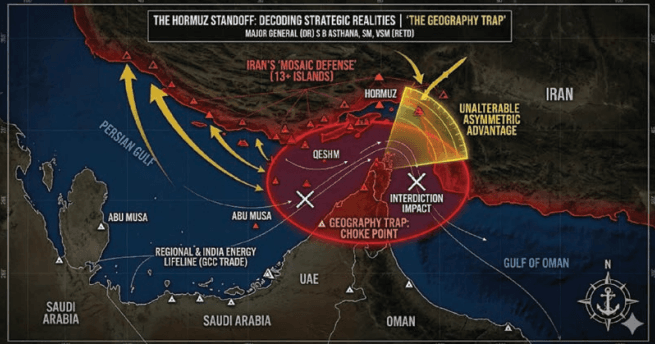
The Strait of Hormuz transforms Iran's geographic position into decisive leverage, allowing Tehran to threaten global oil flows through A2/AD tactics...
Hamas official Basem Naim accused envoy Nikolay Mladenov of circulating a revised roadmap that undermines the original ceasefire framework to pressure...
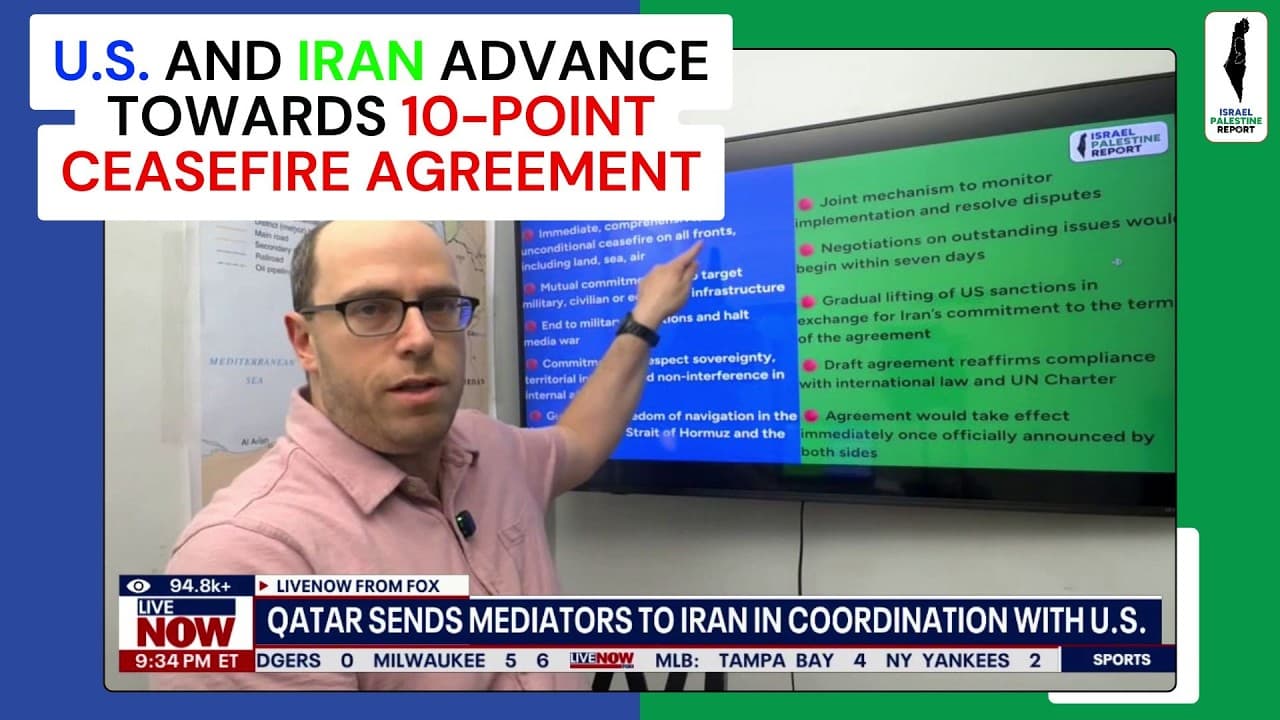
Is the reported 10-point US-Iran deal a genuine breakthrough or merely another pause?
Both sides now converge on managed rivalry rather than confrontation or deep integration.
US officials signal a structured troop reduction in Europe to meet Indo-Pacific and Middle East demands, forcing allies toward faster self-reliance...
Gaza's ceasefire has silenced most guns and returned all hostages, yet no recovery is underway: 70 million tonnes of rubble, over 1 million displaced,...
The fragile Gaza ceasefire is unraveling through three distinct pressures. Hamas obstruction stands out as the main barrier to advancing beyond the...
US energy self-sufficiency now means Strait of Hormuz disruptions hit China and Europe hardest instead of Washington.
This week's summit highlights the resilience of the China-Russia partnership, rooted in shared interests, yet Beijing's wariness of deeper commitments on multiple fronts reveals the partnership's inherent constraints.
Iran's IRGC warned that renewed US-Israeli strikes would spread war "far beyond the region" with "devastating blows," claiming Tehran has yet to...
Trump's first-year focus on Europe, the Middle East, and Latin America is prompting questions about a relative Indo-Pacific decline in US priorities....
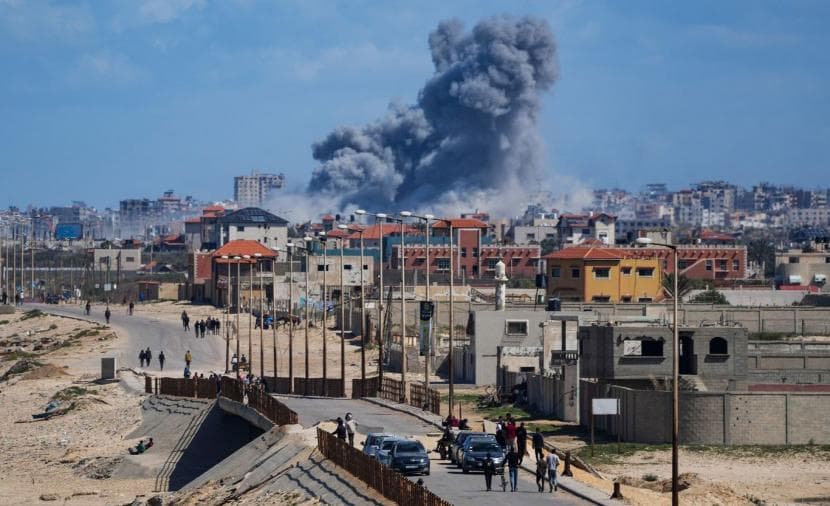
The October 2025 US-brokered ceasefire has unraveled by May 2026, with Israel controlling 64% of Gaza and conducting strikes that killed over 857...