# How High-Control Groups Recruit, Radicalize, and How People Escape: Recent Developments and Critical Insights
The landscape of high-control groups—ranging from religious sects and political cults to extremist ideologies and clandestine networks—continues to evolve with alarming sophistication. Their methods of recruitment, indoctrination, and influence are becoming more covert, technologically advanced, and interconnected, making societal detection and intervention increasingly challenging. Recent developments underscore the urgent need to understand these tactics, support survivors, and develop effective strategies to counteract their reach.
## Evolving Tactics of Control and Recruitment
High-control organizations employ a complex arsenal of psychological, social, and legal tools to manipulate members:
- **Charismatic Authority & Ideological Indoctrination:** Leaders cultivate an infallible, often messianic image, weaving compelling narratives that foster lifelong allegiance. For example, the enduring loyalty within the Unification Church, led by Sun Myung Moon, stems from divine claims and insular social environments.
- **Closed Information Ecosystems:** Members are typically confined within insular environments—be it physical or digital—that restrict access to outside perspectives. This reinforces dependency and suppresses critical thinking, making deprogramming exceedingly difficult.
- **Surveillance & Blackmail:** Monitoring activities and collecting compromising information, sometimes weaponized as blackmail, create an environment of fear, shame, and control. Such tactics effectively discourage dissent and sustain unwavering conformity.
- **Legal & Societal Manipulation:** Exploiting legal loopholes or societal pressures helps legitimize their operations, complicating intervention efforts by authorities unfamiliar with psychological manipulation tactics.
- **Cult of Personality & Emotional Manipulation:** Leaders are elevated as unquestioned authorities, reinforced through propaganda, social isolation, and emotional dependency, often leading members to prioritize group loyalty over personal autonomy.
These tactics are reinforced by fervent belief systems, emotional attachments, and social dependencies, rendering exit paths arduous, psychologically traumatic, and sometimes perilous.
## Recent and Salient Case Studies
### The Enduring Influence of the Unification Church
Despite its origins in the 1950s, the Unification Church continues to attract and retain followers through social insularity, financial exploitation, and charismatic leadership. Recent documentaries and survivor testimonies reveal how persistent indoctrination and social isolation create formidable barriers to exit, even decades after initial involvement.
### The Epstein Network: Elite Manipulation and Cult-like Cohesion
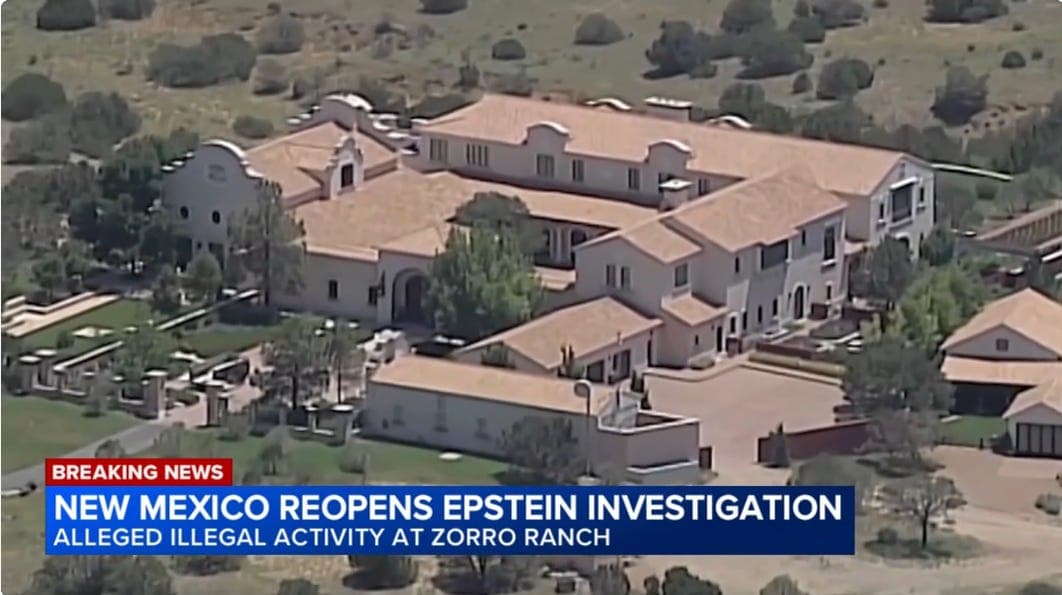
The Jeffrey Epstein scandal re-emerged as a stark illustration of elite social circles operating with cult-like cohesion. Investigations reveal a network employing manipulation, surveillance, and psychological control to maintain loyalty among powerful figures. Disinformation campaigns have been employed to sow distrust and silence dissent, complicating efforts to hold individuals accountable and exposing how high-control tactics infiltrate even the most privileged sectors.
### Cult Violence & Radicalization: From Kentucky to Vermont
Recent violent incidents highlight how high-control environments can escalate into lethal outcomes:
- **Vermont Border Shooting:** An alleged cult leader influenced followers with fringe beliefs involving AI obsession, veganism, and transgender identities, culminating in violence justified through extremist ideology.
- **Kentucky ‘Vampire Clan’:** A charismatic young leader manipulated vulnerable individuals towards deadly acts, exemplifying how radicalization under high-control can lead to violence.
### Political Cult Dynamics: The MAGA Movement
The *Make America Great Again* (MAGA) movement exhibits features akin to political cults:
- **Hero Worship & Loyalty:** Devotion to Donald Trump often dismisses democratic principles, echoing traditional cult control mechanisms.
- **Information Control:** Online platforms amplify self-reinforcing narratives, creating echo chambers that deepen societal polarization.
### NXIVM & Family Fallout
Initially marketed as a self-help organization, NXIVM evolved into a sex trafficking cult led by Keith Raniere. The group's blackmail, psychological control, and exploitation strategies entrap even prominent members like actress Allison Mack, damaging familial relationships and personal identities.
### External Disinformation Campaigns & State-Backed Influence
External actors, particularly **Russian state-backed media**, have played a significant role in deepening control within fringe groups. In Montreal, groups like "Cult MTL" have been targeted by disinformation efforts that:
- Recruit and radicalize individuals by exploiting societal divisions.
- Create confusion and distrust toward mainstream institutions.
- Legitimize fringe movements as resistance or alternative truths.
These campaigns cultivate siege mentalities, making members increasingly dependent on their groups for “truth” and safety, further entrenching their control.
### New Regional and Cultural Examples
Recent articles shed light on more localized and underground phenomena:
- **"The Queen Comes To Town"**—a documentary exploring how some cult figures establish influence within Canadian communities, notably in prairie towns like Richmound, illustrating how high-control tactics adapt to regional contexts.
- **"‘Jonestown Canada’—did MAiD turn Canada into a suicide cult?"**—raises concerns about how government policies like Medical Assistance in Dying (MAiD) could be exploited by manipulative groups to deepen control over vulnerable individuals, blurring ethical boundaries and fostering dependency.
- **"He Arrived on a Secret Mission, Backed and Funded by a Powerful Underground Cult"**—a report on clandestine organizations operating covertly within Canada, employing secret missions and covert funding to influence communities and political spheres.
## The Challenge of Leader Deaths and Group Dissolution
The death of charismatic leaders often triggers crises within high-control groups:
- **Identity Crises and Fragmentation:** Followers may experience disillusionment or radicalization, sometimes leading to violence or splintering. The recent YouTube documentary **"What Happens To the Members When a Cult Leader Dies"** illustrates how followers grapple with loss—some become more extreme, others disband entirely.
### Prosecutions and Legal Recognition of Coercive Influence
Legal efforts have increasingly targeted the psychological tactics underpinning high-control environments:
- The case titled **"From Netflix to Lockup"** highlights efforts to hold manipulators accountable for coercive influence and brainwashing. Prosecutors are seeking up to **20 years** for figures like Nicole Daedone and 14 years for Rachel Cherwitz, marking a shift toward recognizing and criminalizing sophisticated psychological manipulation linked to exploitation and violence.
## Responses and Future Directions
### Deprogramming, Deradicalization, and Support Systems
Addressing high-control environments requires a comprehensive, multidisciplinary approach:
- **Deprogramming & Deradicalization Programs:** Tailored interventions aim to dismantle indoctrination, rebuild critical thinking, and address trauma. Early intervention significantly improves outcomes.
- **Family & Mental Health Support:** Families and mental health professionals play critical roles in facilitating safe exits, providing ongoing psychological care, and helping individuals rebuild identities.
- **Legal & Policy Measures:** Recent legal victories demonstrate the potential to combat exploitation, though regulating groups operating under legitimate guises remains complex and challenging.
- **Public Education & Awareness:** Increasing societal literacy about manipulation tactics, warning signs, and disinformation campaigns can prevent recruitment and support early escape.
### Overlap of Elite Networks, Political Movements, and Cult Dynamics
Emerging trends reveal **interconnectedness** between:
- **Elite circles and political factions** employing disinformation to maintain influence.
- **Exploitation of societal divisions** for recruitment and radicalization.
- **Use of disinformation** to deepen societal discord, making collective resistance more difficult.
Addressing these intertwined threats requires **policy reforms**, **enhanced public awareness**, and **specialized deradicalization programs** suited to different group types.
## Current Status and Broader Implications
The ongoing evolution of high-control groups demonstrates their capacity to adapt, employing sophisticated psychological tactics, external disinformation campaigns, and complex legal strategies. Recent high-profile legal actions and investigative reports reflect a growing recognition of psychological manipulation as a criminal offense.
**Survivor voices**, shared through podcasts, journals like **"Restart and Restore,"** and documentaries, emphasize the importance of support networks and therapeutic resources. These initiatives help individuals rebuild post-exit identities and develop resilience against future recruitment.
**Implications for society** are profound:
- Recognizing manipulation tactics and external influences is vital for prevention.
- Supporting survivors through comprehensive mental health and legal avenues is essential.
- Public education about disinformation and manipulation can diminish recruitment success.
**In conclusion**, as high-control groups continue to evolve in their complexity and reach, a multi-faceted response—combining legal action, mental health support, education, and counter-disinformation efforts—is essential. Vigilance, compassion, and informed intervention remain our strongest tools to safeguard individual autonomy and societal integrity against these covert yet pervasive threats.