# Florida Gulf Coast Confronts Escalating Climate, Infrastructure, and Resilience Challenges: Recent Developments Amplify Urgency
The Florida Gulf Coast continues to face a confluence of escalating environmental threats and infrastructural vulnerabilities driven by climate change, aging systems, and unpredictable weather patterns. Recent developments highlight both the mounting risks and the proactive strategies communities, local governments, and federal agencies are deploying to strengthen resilience, restore ecological buffers, and modernize infrastructure. These efforts are critical to safeguarding residents, ecosystems, and economic vitality amid a rapidly changing climate landscape.
---
## Escalating Climate Pressures: Severe Drought, Early Storm Signals, and Forecasting Uncertainty
The Tampa Bay region is experiencing **one of its most severe multi-decade droughts in over fifty years**, with reservoir levels plummeting to historic lows. This persistent water shortage has prompted immediate conservation measures, including **watering restrictions**, **public awareness campaigns**, and **voluntary reductions by residents and industries**. Experts emphasize that **long-term water security** will require **diversification of water sources**, such as **desalination plants**, **recycled water initiatives**, and **stormwater harvesting systems**, to lessen dependence on overstrained reservoirs.
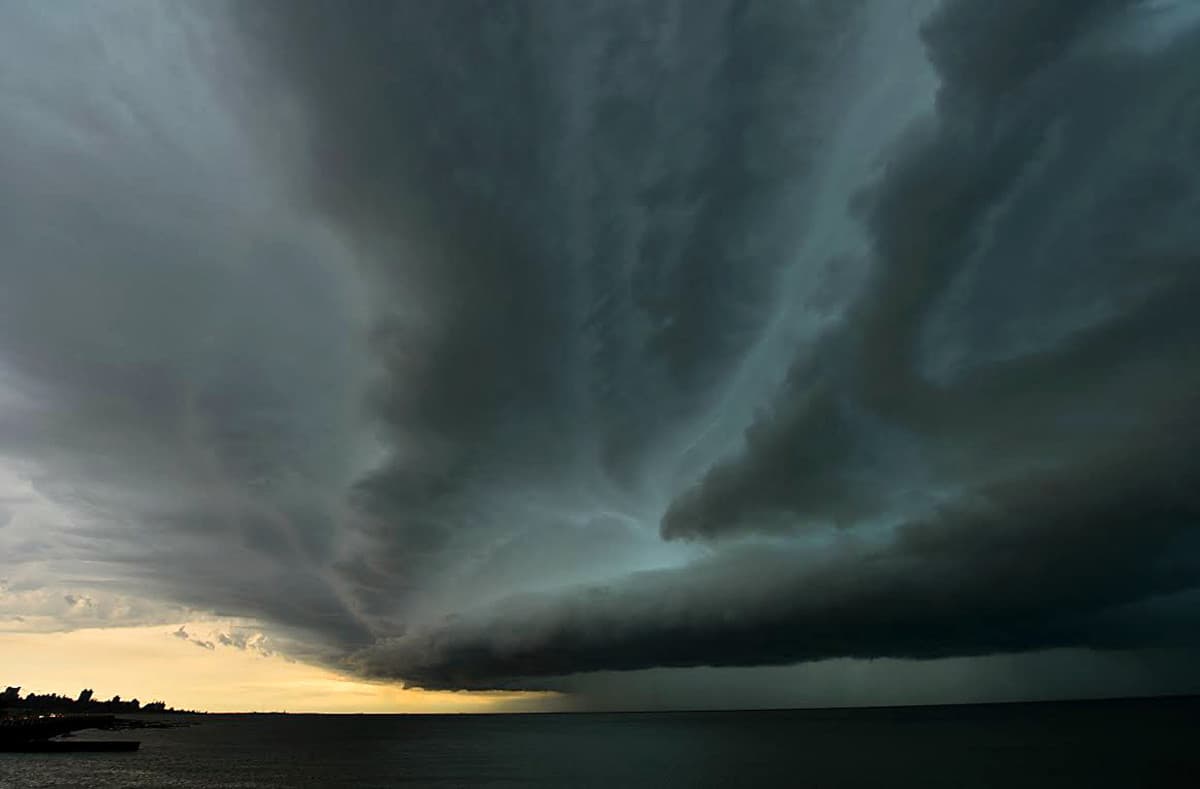
Adding to the region’s climate concerns, meteorological forecasts indicate an **early and potentially more intense hurricane season**. An **offshore weather disturbance** has already prompted alerts, with conditions conducive to tropical cyclone development well before the traditional peak season. The **NOAA** has issued an **“El Niño watch”** for 2026, which, if confirmed, tends to correlate with increased Atlantic hurricane activity—raising the probability of more frequent and stronger storms capable of producing damaging winds, storm surges, and flooding.
Complicating forecast accuracy, the **National Hurricane Center (NHC)** recently introduced a **new “Cone of Uncertainty” forecast for 2026**, designed to improve communication but also highlighting **greater forecast variability**. This increased uncertainty complicates community preparedness and resource allocation, emphasizing the need for flexible, adaptive planning.
Recent severe weather alerts, including warnings of **damaging winds and quarter-sized hail expected by 3 p.m. Sunday**, underscore the region’s vulnerability to sudden, intense weather events. Such conditions threaten infrastructure integrity and public safety, further underscoring the importance of **resilient, adaptable infrastructure and community readiness**.
---
## Infrastructure Vulnerabilities and Recent Incidents
The region’s **aging infrastructure** continues to reveal critical vulnerabilities, with recent incidents prompting urgent repairs and upgrades:
- In **Melbourne**, the **Eau Gallie Causeway** is undergoing **significant upgrades**, including **replacing deteriorating docks** and **enhancing safety features** for waterway access. The project involves **temporary closure of the boat ramp**, illustrating ongoing adaptation efforts amid environmental pressures.
- In **Sarasota Bay**, a **14,000-gallon raw wastewater spill** was **swiftly contained**, preventing ecological damage. Nonetheless, this incident underscores the fragility of wastewater systems during extreme weather and the urgent need for **stormproofing** and **rigorous maintenance** to prevent future contamination.
- Recent hurricanes, notably **Hurricane Milton**, have highlighted resilience challenges. While FEMA officials confirmed that **Hurricane Milton caused less destruction than initially feared**, it still resulted in **localized power outages and disruptions**. Recovery efforts continue, supported by federal aid, to rebuild and bolster resilience.
- **Storm damage** has also impacted community amenities. For example, Treasure Island’s **Sunset Beach Pavilion** sustained damage from recent storms, but **restoration efforts are underway**, with its **anticipated reopening later this year** representing a proactive investment in public infrastructure.
---
## Federal and State Response Strategies
In response to these mounting threats, authorities have ramped up efforts and funding:
- A **court-ordered restoration** has released **over $13 million in FEMA disaster aid** previously withheld, enabling **accelerated infrastructure and ecological restoration projects**.
- The **FEMA grants** allocated to **Osceola County** amount to **over $13 million**, supporting **flood control systems**, **levee upgrades**, and **coastal defenses** vital for storm resilience.
- The **Tampa Bay region** received an **additional $22.5 million** in federal funding dedicated to **stormproofing infrastructure**, **upgrading levees**, and **water-resource projects** aimed at long-term climate resilience.
---
## Strategic Measures for Building Resilience
Given the persistent drought and storm threats, regional authorities emphasize a **comprehensive, integrated approach**:
- **Diversifying water supplies**: expanding **desalination capacity**, increasing **recycled water use**, and implementing **stormwater harvesting** to ensure sustainable water sources.
- **Modernizing and stormproofing infrastructure**: upgrading **treatment facilities**, reinforcing **coastal defenses**, and maintaining **docks and bridges** to withstand future storms.
- **Restoring natural buffers**: protecting and expanding **wetlands** and **mangroves**, which act as ecological shields, reduce flooding, support biodiversity, and improve water quality.
- **Enhancing early-warning systems**: deploying **advanced forecasting technologies** and increasing **community engagement** initiatives to improve preparedness and response times, thereby reducing vulnerabilities during extreme weather events.
Recent ecological restoration efforts have yielded promising signs. For example, **Sarasota Bay** remains healthier than in recent years, thanks to **active ecological restoration** and **rapid pollution responses**. Wetlands and mangroves continue to serve as vital natural barriers, absorbing storm surges and supporting biodiversity—key elements in regional resilience.
---
## Permitting and Recovery Bottlenecks: Administrative Delays Impacting Resilience
A significant recent development is the ongoing **permitting backlog** for residents seeking to repair, raise, or replace storm-damaged homes. Many homeowners are still waiting for approvals from local agencies, which has **delayed critical resilience measures** such as elevating properties to better withstand flooding or repairing structural damages. These administrative hurdles are **slowing recovery efforts** and **hindering community resilience** at a crucial time when rapid action is needed to adapt to intensifying climate impacts.
---
## Current Alerts and Implications
Adding to the urgency, **Country Herald** reports that **Tampa Bay is expected to face damaging storm winds and quarter-size hail by 3 p.m. Sunday**. This imminent threat underscores the **urgent need for community preparedness**, resilient infrastructure, and sustained investments in **early-warning systems**.
The convergence of severe drought, early storm activity, aging infrastructure, and administrative delays paints a complex picture—yet it also highlights the critical importance of **accelerated, coordinated resilience initiatives**.
---
## **In Summary**
While challenges remain substantial, the region's proactive strategies—supported by targeted federal funding, ecological restoration, infrastructure modernization, and community engagement—offer pathways toward a more sustainable and resilient future. **Investments now** are vital for **mitigating future impacts**, protecting ecosystems, and fostering sustainable growth.
As climate extremes are projected to intensify, Florida’s Gulf Coast must **maintain momentum in adaptive planning**, ecological stewardship, and administrative efficiency to confront the uncertainties ahead effectively. The recent developments underscore that **timely action, resource allocation, and community resilience** are essential to navigate the evolving climate landscape successfully.