# How Data, Hacking, and Surveillance Are Reshaping Modern Conflict in the Middle East: The Latest Developments
The Middle East is witnessing a transformative era in conflict dynamics—where digital warfare, cyber espionage, and surveillance technologies are no longer ancillary but central to strategic calculations. Recent developments highlight an increasingly complex landscape, where hybrid tactics blending cyber operations, kinetic strikes, and influence campaigns are redefining regional stability, escalating tensions, and challenging traditional diplomacy. As the region navigates this new frontier, understanding these shifts is crucial to grasping the future trajectory of Middle Eastern conflicts.
## The Evolution of Hybrid Warfare: Merging Digital and Physical Fronts
Contemporary conflicts in the Middle East exemplify **hybrid warfare**, characterized by the seamless integration of cyber, surveillance, and kinetic operations. Success is now determined not solely by conventional military might but also by controlling data streams, disabling critical infrastructure, and manipulating perceptions:
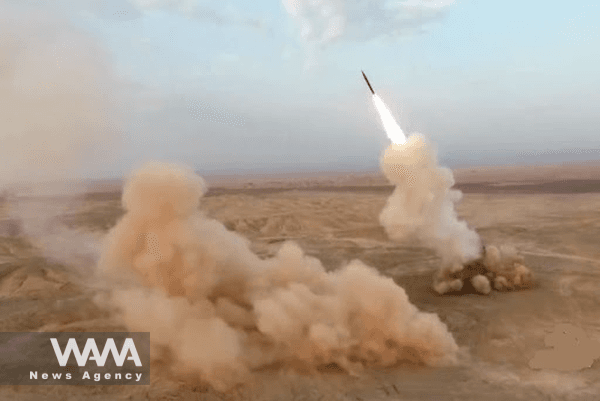
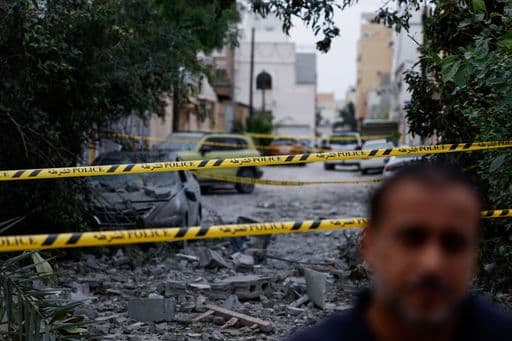
- **Cyber and kinetic coordination:** Cyberattacks frequently precede or accompany physical strikes. Recent campaigns have targeted Iranian military communications and surveillance feeds, often immediately before missile and drone assaults, aiming to impair Iran’s response capabilities.
- **Exploitation of civilian infrastructure:** Urban surveillance cameras, communication networks, and civilian data repositories are increasingly exploited for military intelligence. Hackers have accessed footage across Iran, Gulf states, and Ukraine, using compromised feeds for reconnaissance or disinformation, thereby blurring the lines between civilian and military assets.
- **Disinformation and influence operations:** State and proxy actors continue to manipulate social media and digital content—disseminating false narratives, hacking footage, and spreading propaganda—to sway public opinion and undermine opponents. Such influence campaigns complicate conflict responses and escalate misinformation.
This layered approach creates feedback loops that amplify violence, sow confusion, and make defensive measures more complex and resource-intensive.
## Recent Escalations: Cyber and Military Strategies Targeting Iran
Over the past year, the United States and Israel have intensified their **hybrid operations** against Iran, employing synchronized cyber and kinetic tactics that demonstrate a strategic shift:
- **Cyberattacks disrupting Iranian infrastructure:** Cyber campaigns have increasingly targeted Iranian military and nuclear facilities, disrupting communications, surveillance, and command systems. These operations often occur just before or during missile and drone strikes, making Iran’s defensive responses more difficult.
- **Preemptive cyber disruptions:** Efforts aimed at destabilizing Iran’s command and control during ongoing kinetic operations have targeted strategic communication hubs, hampering coordination and real-time response. Recent reports reveal attempts to cripple Iran’s strategic communication channels, thereby limiting its ability to mount effective defenses.
- **Integrated pressure campaigns:** The combination of cyber and physical strikes has magnified military pressure, destabilized Iran’s capabilities, and complicated diplomatic negotiations. The use of digital tools alongside traditional military tactics exemplifies a broader trend toward digital escalation in regional conflicts.
## Weaponization of Civilian Infrastructure and Data Exploitation
Civilian infrastructure—once viewed as primarily serving public needs—is now a battleground asset:
- **Surveillance systems exploited for military gains:** Urban surveillance cameras and networks are hacked and repurposed for reconnaissance, target identification, and disinformation. Hacked footage is used to manipulate public perception or justify military actions, increasing civilian risks.
- **Data and communication system infiltration:** Civilian data repositories and communication networks are infiltrated to gather intelligence, spread disinformation, or influence public sentiment. The line between civilian and military domains continues to blur, raising ethical and safety concerns.
- **Risks to civilian safety and privacy:** The weaponization of civilian infrastructure heightens risks of collateral damage and erosion of privacy rights, as conflicts increasingly target urban systems integral to daily life.
## Maritime and Energy Market Risks: The Straits and Strategic Resources
The Gulf region remains a critical flashpoint with worldwide implications:
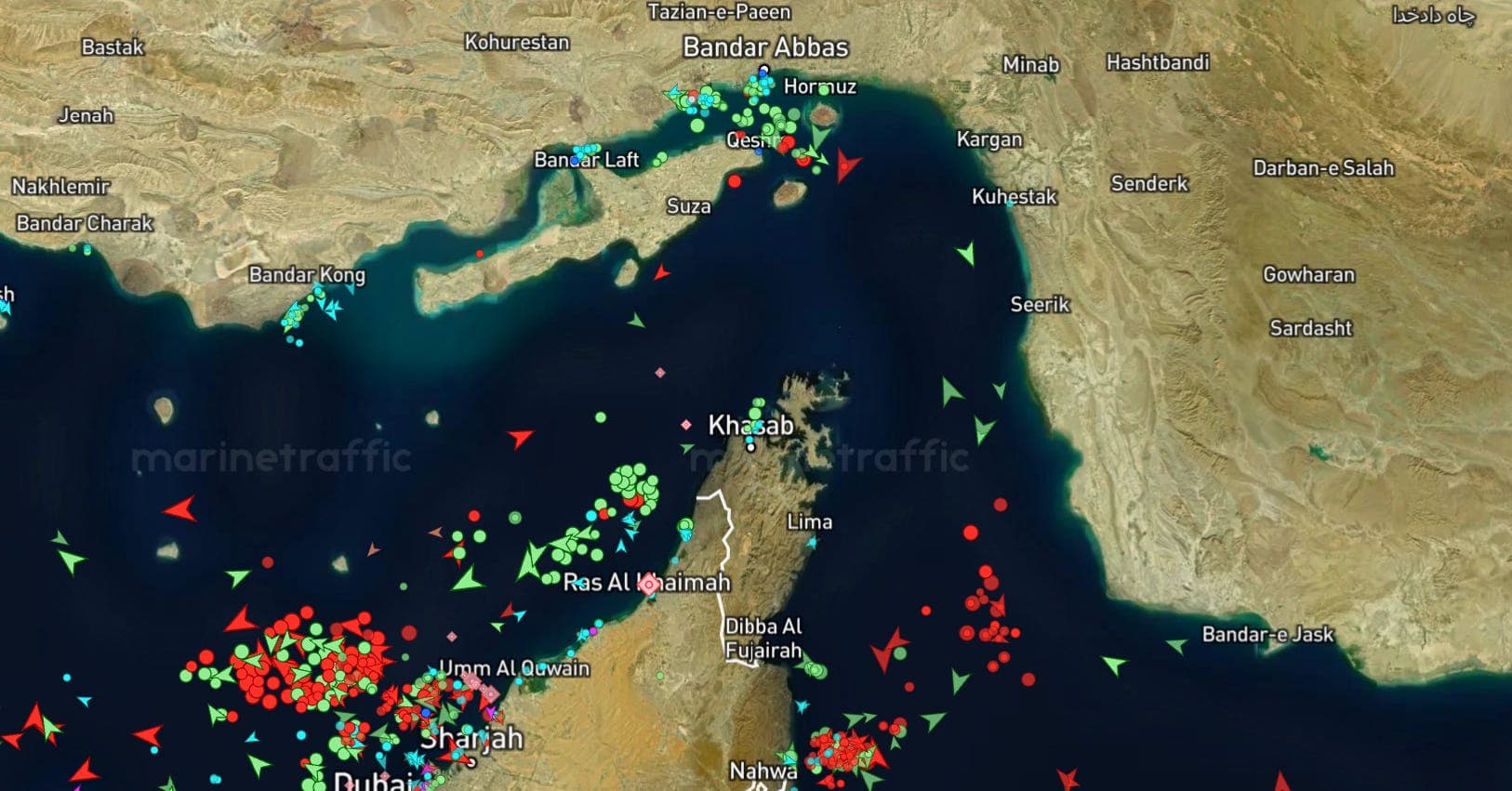
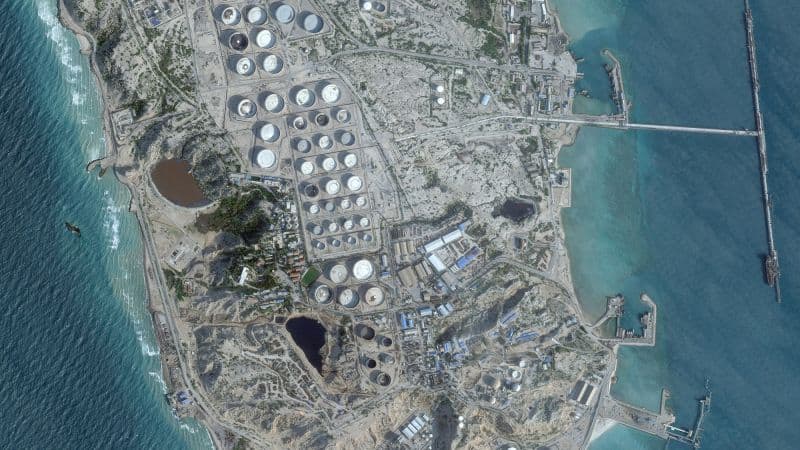
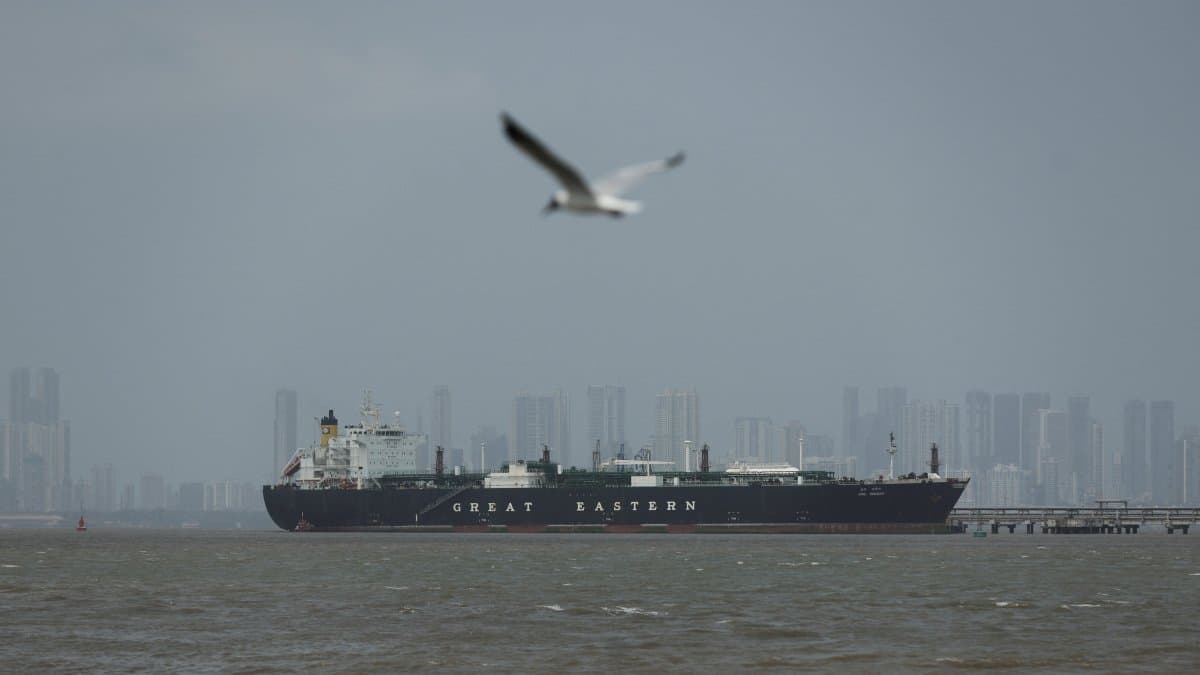
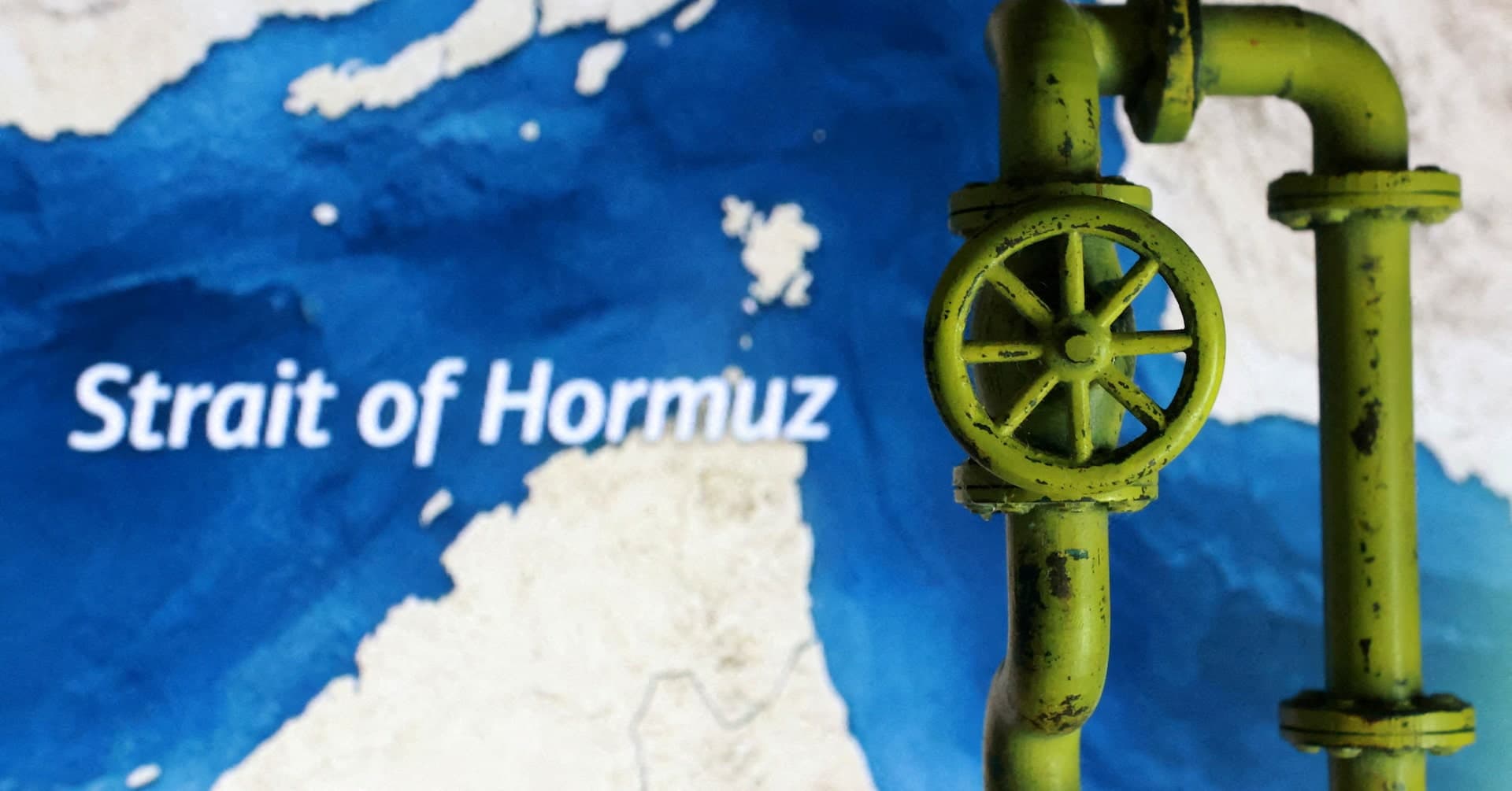
- **Maritime attacks threaten energy security:** Recent assaults on oil tankers near Iraqi waters and Beirut threaten global energy supplies. The Strait of Hormuz, through which about **20% of the world's oil** passes, has seen increased maritime harassment and sabotage, raising fears of wider naval conflicts.
- **Iran’s hybrid maritime tactics:** Iran employs both physical attacks and cyber operations to control shipping lanes and exert pressure on international energy markets. The ongoing threat to commercial vessels contributes to regional instability and global market volatility.
- **Global strategic implications:** These combined physical and cyber tactics underscore Iran’s ability to leverage digital tools to influence regional and international energy dynamics, with potential spillover effects on global stability.
## The Role of AI: Accelerating and Complicating Warfare
Artificial Intelligence (AI) is rapidly transforming conflict environments:
- **Enhanced targeting and decision-making:** US military reports highlight AI-driven systems that enable precise targeting, rapid decision loops, and adaptive tactics—significantly increasing operational efficiency.
- **Content analysis and autonomous responses:** Platforms like YouTube and social media channels deploy AI algorithms that analyze vast data streams—videos, social media posts, images—to identify targets, spread disinformation, or even automate responses. This automation reduces human oversight but raises ethical concerns.
- **Escalation and accountability risks:** The growing autonomy of AI systems presents challenges in ensuring accountability, preventing unintended escalation, and avoiding miscalculations that could spiral into broader conflict.
## Diplomatic Fragmentation and New Flashpoints
The diplomatic landscape remains fractured, further complicating conflict management:
- **Russia’s involvement and diplomatic setbacks:** Moscow’s support for regional actors includes cyber assistance and influence campaigns, but recent failures—such as the **UN Security Council’s rejection of a Russia-sponsored Iran–US ceasefire resolution**—highlight diplomatic limits and regional tensions.
- **Divided international community:** Reports from outlets like **Dawn News** and **Chinadaily** underscore persistent divisions over sanctions, negotiations, and conflict resolution strategies, impeding unified responses.
- **Regional tensions and spillover risks:** The recent confrontation involving Turkey and Iran signals how regional leaders are actively trying to prevent broader war, yet such incidents also risk escalation. Notably, **Turkey's recent confrontation with Iran over a missile incident** underscores the fragile balance and the danger of spillover into broader regional conflicts.
### **BREAKING: Turkey Confronts Iran Over Missile Incident – Fidan Vows to Prevent War Spread | AC15**
In a significant development, Turkish Foreign Minister Hakan Fidan publicly confronted Iran over a recent missile incident, asserting that Turkey will take measures to prevent regional escalation. Fidan emphasized, **"We are committed to de-escalation and will prevent any spillover that could lead to wider conflict."** This assertive stance reflects Turkey’s strategic interest in stabilizing the region while signaling its willingness to intervene diplomatically and militarily if necessary. The incident, which involved Iranian missile launches near Turkish border regions, has heightened tensions and underscores the importance of diplomatic engagement to prevent a broader war.
## Policy Challenges and Strategic Priorities
Addressing these evolving hybrid threats demands a comprehensive policy response:
- **Enhance cyber defenses:** Protect military, civilian, and critical infrastructure from infiltration, sabotage, and disinformation campaigns.
- **Secure civilian infrastructure:** Build resilience in surveillance, communication, and utilities to prevent weaponization and exploitation.
- **Counter disinformation:** Develop mechanisms to detect, verify, and mitigate digital manipulation and fake content, preserving information integrity.
- **Improve intelligence sharing:** Foster regional and international cooperation to anticipate hybrid threats and coordinate responses effectively.
- **Establish AI governance:** Create norms, regulations, and oversight frameworks for autonomous and AI-driven systems to prevent unintended escalation and ensure accountability.
## Current Status and Implications
The Middle East stands at a **critical juncture**, with digital and physical conflicts deeply intertwined. Diplomatic efforts, such as Russia’s recent inability to push through a UN ceasefire resolution, reveal persistent regional tensions. Meanwhile, the ongoing deployment of data-driven strategies—hacking, surveillance, and influence campaigns—continues to shape conflict outcomes at a pace often faster than traditional responses.
**The region’s stability hinges on**:
- Building **resilient cyber defenses**,
- Protecting **civilian and military infrastructure** from weaponization,
- Promoting **international cooperation** on digital norms,
- Pursuing **diplomatic solutions** that recognize the digital dimension of modern warfare.
### **Implications for the Future**
The integration of cyber, surveillance, and autonomous systems signals a fundamental shift: **civilian and military domains are merging** in ways that make conflict more unpredictable and rapid. The ongoing confrontations, regional flashpoints, and technological advancements suggest that **escalation risks will persist unless proactive, coordinated measures are taken**.
As the Middle East navigates this complex landscape, **resilience, strategic oversight, and international norms** will be essential to preventing escalation and safeguarding regional stability. The region’s future will depend on balancing technological innovation with responsible governance and diplomacy—a challenge that demands urgent global attention.
In sum, the conflict environment in the Middle East has evolved into a **cyber-kinetic battleground**, where data manipulation, surveillance exploitation, autonomous systems, and hybrid tactics continue to redefine the limits of modern warfare. Navigating this terrain requires vigilance, cooperation, and a commitment to establishing norms that prevent escalation and promote peace.