# How Amazon’s Kuiper Wins Approvals and Stirs Global Pushback: The Latest Developments in the Satellite Broadband Race
As Amazon’s Project Kuiper accelerates its ambitious plan to deploy a vast constellation of low-Earth orbit (LEO) satellites, the landscape of global satellite connectivity is undergoing unprecedented transformation. Once viewed primarily as a challenger to SpaceX’s Starlink, Kuiper has now become a focal point in a complex web of regulatory milestones, technological innovations, geopolitical tensions, and environmental debates. Recent developments reveal both the strategic progress Kuiper has made and the mounting challenges that could shape the future of satellite-based internet services worldwide.
## Regulatory Milestones and Deployment Progress: Building the Foundation
In recent months, Amazon has achieved critical regulatory breakthroughs that significantly advance its satellite constellation toward operational deployment. The Federal Communications Commission (FCC) in the United States has approved licenses for approximately **4,500 additional Kuiper satellites**, marking a major step toward achieving near-global coverage. These licenses authorize Amazon to continue on-orbit testing and expansion, although the company has sought **deadline extensions** due to ongoing **supply chain disruptions** and **technical hurdles**—a reflection of the complexities involved in scaling such a massive constellation amid global logistical challenges.
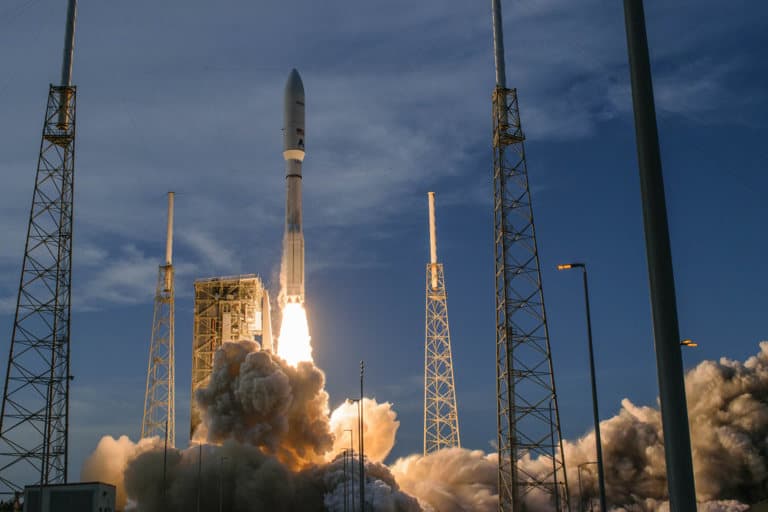
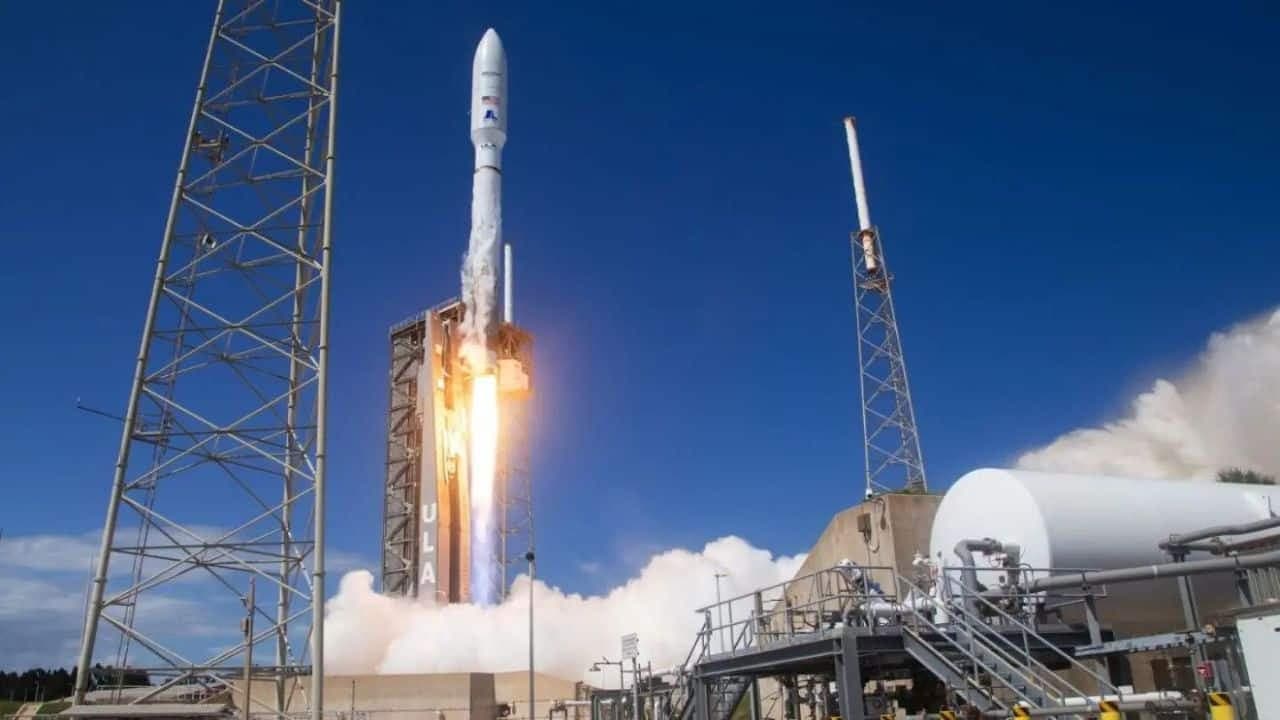
Complementing regulatory progress, Amazon’s satellite division, Amazon Leo, has successfully launched its **largest payload to date**, increasing the satellite count on orbit to around **200**. These launches are not solely technological milestones; they are strategic efforts to **accelerate deployment timelines**. To support this rapid expansion, Amazon is investing heavily in **integrate-transfer-launch complexes**—specialized facilities designed to streamline satellite manufacturing, testing, and launching processes. Industry experts highlight that “**Supporting a higher launch cadence depends heavily on these complexes, which are critical for efficient scaling.**”
## Supply Chain & Technical Hurdles: Navigating Complex Challenges
Despite these advances, Amazon faces persistent **supply chain disruptions** that threaten to slow progress considerably. The global semiconductor shortage, manufacturing delays, and logistical bottlenecks have impacted the availability of satellite components and the scheduling of launches. A recent analysis from Pentagon sources and industry analysts underscores that **supply chain fragility** could constrain Kuiper’s deployment cadence, potentially delaying key milestones and affecting overall service readiness.
The **Pentagon’s recent assessments** raise concerns over the **availability of high-grade satellite components**, which are increasingly in demand across both commercial and military sectors. This situation has prompted Amazon and other satellite operators to **reevaluate supply strategies**, with efforts to **diversify manufacturing sources** and develop **domestic supply chains** where feasible. These challenges impact not only timelines but also the **cost structure**, influencing both deployment speeds and service affordability.
## Global Expansion and Competitive Dynamics: Expanding Reach
Beyond regulatory and technical progress, Amazon is actively pursuing international markets, especially regions with limited connectivity. Countries like **Nigeria** are opening their telecommunications sectors to foreign satellite operators, creating new opportunities for Kuiper’s entry. Local telecom entities such as **MTN** are already reselling Kuiper’s services, targeting **maritime**, **rural**, and **underserved** communities.
This international push positions Kuiper as a direct competitor to SpaceX’s Starlink, with both vying for dominance across land, sea, and emerging markets. Amazon’s approach involves **forming regional partnerships**, tailoring services to local needs, and rapidly expanding its subscriber base to establish a **global footprint**. This strategy echoes a broader industry shift: moving away from legacy **geostationary (GEO)** satellites—costly and slow to deploy—toward **mass-produced, low-cost LEO constellations** that promise **lower latency** and **broader coverage**.
## Environmental and Astronomical Concerns: The Cost of Expansion
As Kuiper’s constellation continues to grow, so do concerns about its environmental and scientific impact. Astronomers have raised alarms about the **brightness** of LEO satellites, which threaten to **obscure astronomical observations** and hinder scientific research of the night sky. With projections indicating that Kuiper’s constellation could eventually include **more than 3,000 satellites**, the **cumulative impact on sky darkness and visibility** becomes increasingly significant.
Environmental sustainability in space is also under scrutiny. The proliferation of satellites elevates **risks associated with space debris** and **collision hazards**, raising fears of creating a congested and hazardous orbital environment. Critics advocate for the development of **international standards**, **robust debris mitigation strategies**, and **active debris removal protocols** to prevent long-term sustainability issues.
## Geopolitical and Security Implications: Navigating International Tensions
Kuiper’s rapid deployment occurs amid rising **geopolitical tensions** and debates over **space sovereignty**. While the FCC has approved Kuiper licenses within the U.S., many nations remain cautious about foreign dominance over critical telecommunications infrastructure. Concerns about **security**, **data privacy**, and **sovereignty** have fueled efforts in some regions to foster **local or regional satellite solutions**—aimed at reducing reliance on foreign operators like Kuiper and Starlink.
In countries such as **India**, where satellite-based **tele-education** and connectivity are vital, governments are increasingly advocating for **domestic satellite networks**. Fears that dependence on foreign entities could compromise **national security** or **data integrity** are prompting moves toward **regional satellite initiatives** or **stricter regulatory controls** on foreign satellite services.
## Industry Shift Toward Mass Production and Sustainability
A significant transformation is underway across the satellite industry. Industry reports, including those from **SatNews**, emphasize the shift from **big GEO satellites**—which are costly and slow to deploy—to **mass-produced, low-cost LEO small-sat constellations**. This transition offers **faster deployment cycles**, **lower costs**, and **greater flexibility** in scaling networks.
Major satellite operators and tech giants are embracing this model. Amazon’s Kuiper exemplifies the approach with a focus on **mass production** and **rapid iteration**. Nonetheless, experts warn that **saturation of the LEO environment** and **space debris proliferation** pose long-term sustainability challenges. Striking a balance between **aggressive deployment** and **responsible space stewardship** will be critical for industry viability.
## New Challenges and Strategic Implications
Recent reports from **DEFCROS News** highlight **challenges in the space supply chain**, which have significant **implications for Pentagon strategies**. The fragility of supply chains is prompting the U.S. military and industry to **reconsider procurement** and **manufacturing approaches**, emphasizing **domestic production** and **diversification** to ensure resilience.
This strategic shift is especially relevant for Amazon Kuiper, given its reliance on international suppliers. Ensuring **secure**, **reliable**, and **diversified supply chains** will be essential for meeting deployment timelines and safeguarding against geopolitical disruptions.
## Current Status and Future Outlook
Amazon’s Kuiper project continues to advance steadily toward its goal of deploying **thousands of satellites** to provide **worldwide broadband coverage**. Recent regulatory approvals, infrastructure investments, and international expansion efforts mark key milestones. The successful launches and the ongoing development of dedicated **launch complexes** demonstrate Kuiper’s commitment to scaling operations efficiently.
However, the journey remains fraught with obstacles. **Environmental concerns**—including **sky brightness** and **space debris**—alongside **geopolitical tensions** and **supply chain issues**, could temper deployment timelines and strategic ambitions. The industry’s pivot toward **mass-produced LEO constellations** underscores both the opportunities and the risks of rapid space expansion.
**In conclusion**, Kuiper is at a pivotal juncture. With secured regulatory approvals and notable infrastructural and international progress, it has established a formidable foundation. Yet, balancing **technological ambitions** with **space sustainability**, **security**, and **regulatory compliance** will be vital. The coming years will determine whether Amazon’s Kuiper can navigate these complex challenges and ultimately realize a **sustainable, global connectivity ecosystem**—shaping the future of digital access for generations to come.