# The 2024–2026 Mid-Range FDM 3D Printing Revolution: Hardware Maturity, Ecosystem Expansion, and Surface Finish Breakthroughs
The landscape of mid-range Fused Deposition Modeling (FDM) 3D printers has experienced a seismic shift between 2024 and 2026. Once confined largely to hobbyists, educators, and small-scale prototyping, these machines are now emerging as **robust, versatile tools** capable of rivaling certain industrial systems. This transformation is driven by **hardware innovations**, an **expanding ecosystem of peripherals and materials**, and **surface finish breakthroughs**—collectively elevating desktop FDM to a level once thought exclusive to high-end commercial and industrial machinery.
## Hardware Maturation: From CoreXY Foundations to High-Temperature, Modular Systems
### The Rise of CoreXY and Advancements in High-Temperature Capabilities
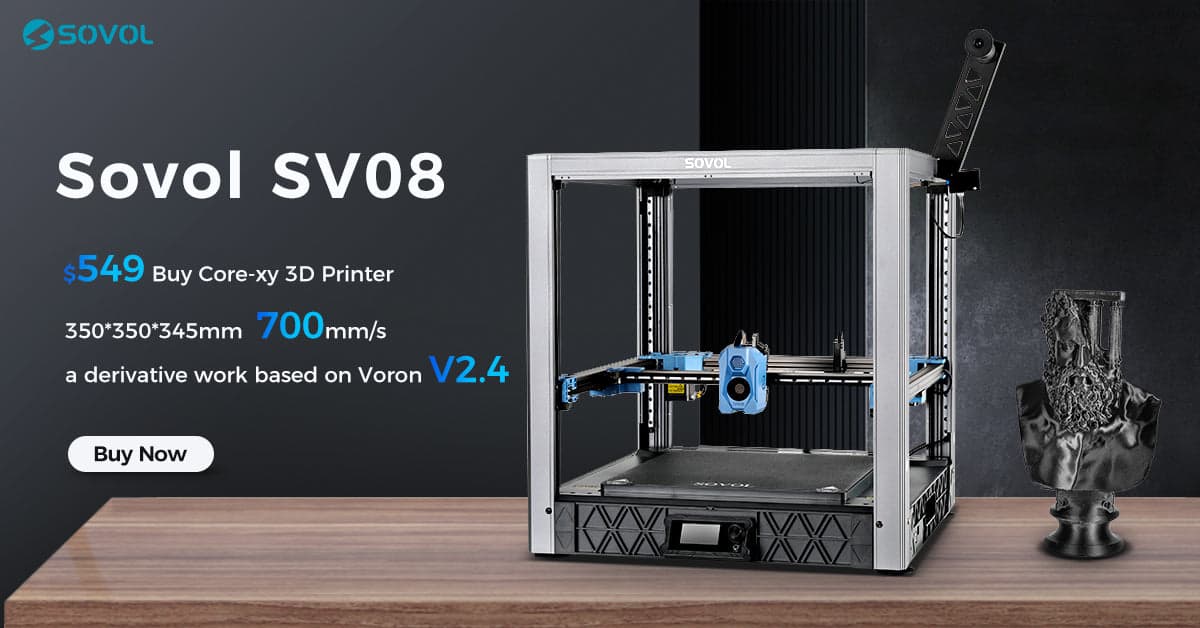
By 2024, **CoreXY architecture** had become the **industry standard** within the mid-range segment, appreciated for **speed**, **precision**, and **mechanical reliability**. Models such as the **Prusa CORE One L**, **Kobra 2**, and **Creality K2 Pro** exemplify how this design outperforms traditional Cartesian rigs by enabling **faster print speeds**, **less belt stretch**, and **smoother motion**, which are critical for producing intricate, high-quality parts.
Recent developments include:
- **Heated chambers**—as exemplified by the **Artillery M1 Pro S1**—which maintain **stable ambient temperatures** to **reduce warping** during printing of engineering plastics like **ABS**, **Nylon**, and **Polycarbonate**. Such features were once exclusive to industrial systems but are now accessible in mid-range models.
- **Hardened, direct-drive extruders** featured in systems like the **Kobra X** and **Elegoo Neptune 3 Pro** now handle **abrasive composites** and **filaments exceeding 300°C**, vastly **broadening material compatibility** and **tool longevity**—a foundational advancement supporting **multi-material** and **multi-color printing**.
### Modular, High-Performance Platforms Supporting Multi-Material and Multi-Color Printing
The integration of **direct-drive extruders** and **filament management modules** has spurred a **multi-material and multi-color revolution** in the mid-range market. Many printers now incorporate **filament changers**, **automated switching systems**, and **compact multi-color hotends**, enabling **seamless color transitions** with minimal waste.
Notable examples include:
- The **Artillery M1 Pro S1**, which combines **high-temperature capabilities** with **multi-material readiness** in a **compact, industrial-grade platform**.
- The **Anycubic Kobra X**, equipped with an **Automatic Material Switching (AMS)** system that facilitates **multi-material workflows** in a **small footprint**.
- The **ACE Gen 2**, featuring an **integrated, compact multi-color hotend** designed to **streamline filament changes** and **minimize purge waste**.
### Hotends Supporting Up to 500°C
One of the most transformative hardware advancements is the development of **hotends capable of reaching 500°C**, exemplified by products like the **XMammal Bambu P1S Hotend Kit**. These hotends enable **printing with high-performance engineering plastics** such as **PEEK**, **PPSU**, and **PCTG**—materials traditionally confined to industrial applications. These hotends **reduce maintenance costs** and **increase reliability** during complex workflows, effectively **bridging the desktop-industrial divide**.
## Multi-Color and Multi-Material Printing: Now Mainstream
What was once an elite feature of high-end industrial systems has now become **standard** in mid-range models. **Integrated filament management**, **smart firmware routines**, and **hardware innovations** allow for **clean, reliable color transitions** with minimal post-processing.
Recent breakthroughs include:
- **Firmware routines** such as **automatic filament switching**, **optimized slicer profiles**, and **color change routines** that produce **precise, artifact-free transitions**.
- **Smart systems** like **Bambu Lab's AMS** that **minimize jams** and **prevent color bleed**, ensuring **consistent quality**.
- **Compact multi-material modules** in models like the **Anycubic Kobra X** and **ACE Gen 2**, which **simplify complex workflows** while maintaining a **small footprint**.
### Filament Handling & Conditioning
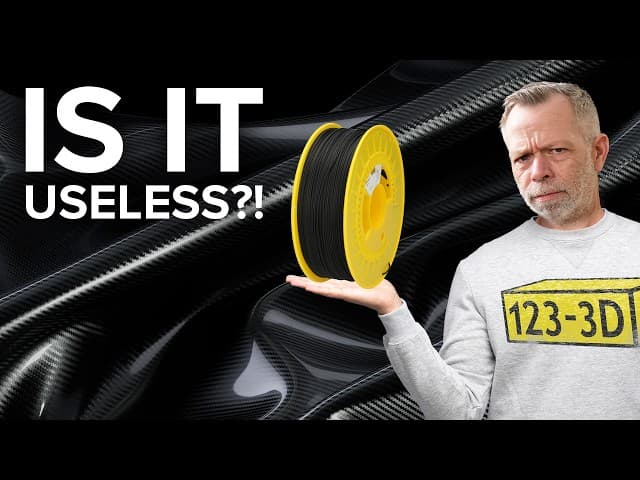
Efficient multi-material workflows depend heavily on **advanced filament management systems** like the **EIBOS Tetras AMS Dryer**, designed to **combat moisture absorption** in hygroscopic filaments such as **Nylon**, **PETG**, and **TPU**. However, **recent research** highlights that **certain filament improvements**, including **additive formulations** and **aggressive drying**, can **adversely affect filament strength**, leading to **brittle parts** and **print failures**.
> **"Many so-called filament ‘improvements,’ such as certain additives or aggressive drying, can inadvertently weaken filament strength, resulting in brittle parts and increased print failures."**
This underscores the importance of **scientific filament conditioning**, which includes:
- Use of **desiccant-based storage** and **drying chambers** that **balance moisture removal** with **filament integrity**.
- Implementation of **moisture sensors** for **real-time filament condition monitoring**.
- Strict adherence to **proper storage protocols** to **prevent moisture-related issues**, which impair **print quality** and **mechanical properties**.
---
## Ecosystem and Peripheral Growth: Supporting Advanced Materials
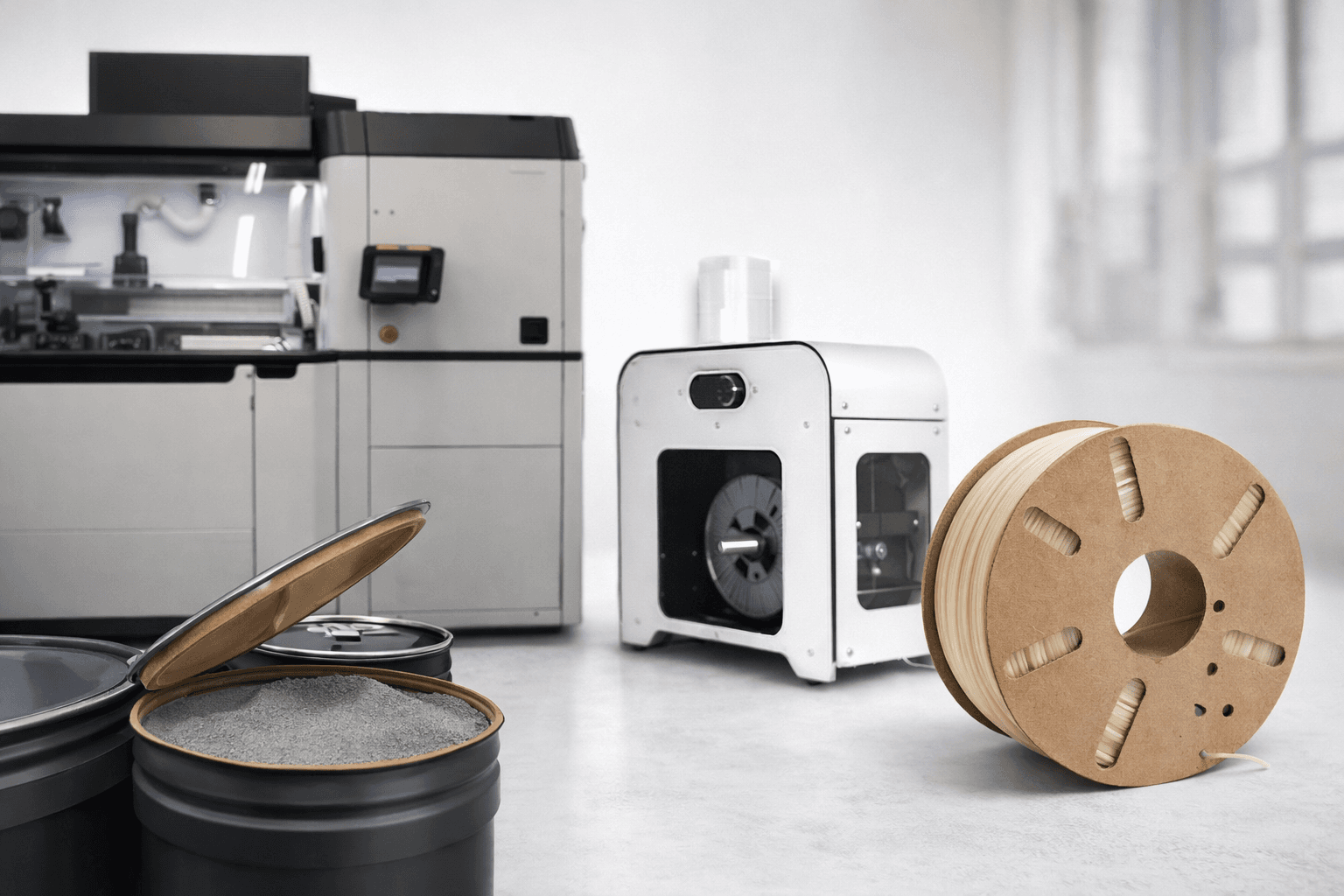
The **support infrastructure** surrounding mid-range FDM printers has expanded rapidly, enabling the use of **high-temperature**, **composite**, and **industrial-grade** filaments.
### Enclosures, Fume Extraction, and Modular Peripherals
- **Modular enclosures** now feature **thermal insulation**, **active fume filtration**, and **warping mitigation**, essential for materials like **ABS**, **Nylon**, and **Polycarbonate**.
- **Active ventilation** and **air filtration units** are becoming standard to **ensure safe environments** and **consistent print quality**.
### Hotends & Material Compatibility
Innovations such as the **XMammal Bambu P1S Hotend Kit** supporting **temperatures up to 500°C** broadens the range to include **PEEK, PEEK derivatives, PPSU, and PCTG**. These hotends **reduce maintenance requirements** and **boost reliability** across complex workflows.
### High-Temperature & Modular Platforms
- The **QIDI Q2C** offers a **large build volume** (270x270x256mm), **auto-leveling**, and **hotend temperatures up to 370°C**, making it suitable for **engineering prototypes** and **small-scale manufacturing**.
- The **Creality K2 Pro** continues to impress with **multi-material support** and **high-speed capabilities**.
- The **Bambu Lab H2C**, launched in 2026, emphasizes **multi-material support**, **filament sensors**, and **modular hotends**, creating an **integrated ecosystem** for **complex workflows**.
### Market Dynamics and Pricing Strategies
In 2026, **Prusa Research** notably **relaunches and reduces prices** for the **Prusa XL**, making **professional-grade features** more accessible. This move:
- **Increases competition** within the mid-range segment
- **Expands the user base** for advanced features
- **Stimulates ecosystem innovation**
---
## Maintenance, Workflow Optimization, and Critical Spare Parts
Reliability in high-quality production hinges on **proper maintenance** and **workflow management**. Critical insights include:
- **Nozzle wear and clogging**, particularly with abrasive filaments, requiring **regular nozzle swaps**.
- **Hotend components**—heater cartridges, thermistors, and fans—are **prone to failure**; **keeping spare parts** on hand is essential.
- **Filament moisture sensors** and **drying chambers** help prevent moisture-related issues but **overly aggressive drying or additives** can **weaken filament strength**.
> **"This 3D printer part is a ticking time bomb—and you need a backup on hand."**
> Maintaining a stock of **critical spare parts**—nozzles, hotend components, belts, sensors—is vital for **uninterrupted workflows** and **cost-effective operation**.
Recent community examples, such as the **Elegoo Centauri Carbon 2's** successful **filament runout sensor setup** (shown in a 4:05 YouTube video), demonstrate how **DIY modifications** and **peripheral enhancements** significantly **enhance reliability** and **workflow robustness**.
---
## Surface Finish and Precision: Breakthroughs in Anti-Aliasing and Micro-Non-Planar Printing
A major technological leap is the adoption of **anti-aliasing techniques**, particularly **micro-non-planar printing**, which **drastically reduces** **layer lines** and produces **surfaces** that **closer resemble** resin or powder-based parts.
Prominent resources such as **"Anti-Aliasing for FDM 3D Printing Is Finally Here (Micro-Non-Planar Printing)"** (16:35) have garnered over **145,000 views**, reflecting widespread industry and maker enthusiasm. The **German-language "Z Anti-Aliasing"** video (16:16, 2,869 views, 252 likes) demonstrates how **micro-non-planar toolpaths** can **significantly enhance surface quality** and **dimensional accuracy**.
These techniques enable **FDM parts** to feature **smooth surfaces**, **fewer visible layer lines**, and **aesthetic finishes** comparable to **resin** or **SLS** parts, fundamentally **elevating the quality bar** in desktop 3D printing.
## The Creality K2 Pro Combo and Its Role in the Ecosystem
The **Creality K2 Pro Combo** exemplifies the industry shift toward **multi-material and multi-color capabilities** in mid-range printers. It offers:
- A **large build volume** (up to 300x300x330mm)
- **Integrated multi-material handling** for **simultaneous or sequential multi-color printing**
- **High-speed, precise filament switching**, streamlining complex workflows
This model **reinforces** the industry trend where **multi-material and multi-color printing** are **core features**, supported by **hardware**, **firmware routines**, and **peripheral tools**.
---
## Current Status and Future Outlook
The **2024–2026 period** confirms that **mid-range FDM 3D printers** are **more capable than ever**. Hardware innovations—such as **hardened CoreXY platforms**, **hotends capable of 500°C**, and **integrated multi-material modules**—are complemented by a **growing ecosystem** of **enclosures**, **filament management**, and **finishing solutions**.
Breakthroughs in **surface quality**, notably **anti-aliasing** and **micro-non-planar printing**, **narrow the gap** with high-end industrial systems, enabling **desktop FDM** to produce **high-precision, aesthetically superior parts** suitable for **professional applications**.
### Implications for Industry and Makers
These advances position mid-range FDM printers as **indispensable tools** for **prototyping**, **small-batch manufacturing**, and **research environments**. The **DIY IDEX community** and **peripheral innovations** democratize **multi-material** and **multi-color capabilities**, making **complex, high-quality printing** more accessible and customizable.
**In sum**, the last two years have solidified the **mid-range FDM segment** as a **hotbed of innovation**. Hardware robustness, ecosystem maturity, and surface-finish breakthroughs are **transforming desktop 3D printing into a versatile manufacturing platform**—a trend poised to continue as **material**, **firmware**, and **community-driven** developments push the boundaries further.
---
## Additional Insights: Reliability and Practical Use Cases
Recent articles such as **"This 3D printer part is a ticking time bomb—and you need a backup on hand"** emphasize that **single points of failure**—like **hotend components**, **heater cartridges**, and **sensors**—can cause **workflow disruptions**. Maintaining **critical spare parts** and performing **regular maintenance** are **best practices** to sustain **high-quality, reliable production**.
Furthermore, community-led solutions, such as the **Elegoo Centauri Carbon 2's** **filament runout sensor setup** (shown in a 4:05 YouTube video), demonstrate how **DIY modifications** and **peripheral enhancements** significantly **improve workflow reliability** and **user experience**.
---
# Final Remarks
The **2024–2026 era** marks a **maturation phase** for mid-range FDM 3D printers. Hardware improvements like **hotends supporting 500°C**, **hardened CoreXY platforms**, and **multi-material modules**, combined with an **expanding ecosystem of enclosures, peripherals, and surface-finish techniques**, are **elevating desktop FDM into a professional manufacturing platform**. These advancements democratize access to **high-quality, complex parts**, fueling **innovation in prototyping**, **small-batch production**, and **research**.
The continual integration of **surface quality breakthroughs**—notably **anti-aliasing** and **micro-non-planar printing**—further **closes the gap** with industrial systems, enabling **desktop FDM** to produce **aesthetically superior, high-precision components** suitable for **professional-grade applications**. As these trends persist, the future of mid-range FDM printing looks increasingly promising, driven by **material science**, **hardware innovation**, and an **active community** shaping the next wave of capabilities.