# How Minneapolis Shootings and Enforcement Controversies Sparked a National Battle Over DHS Funding and ICE Accountability
The tragic shootings involving federal immigration enforcement agents in Minneapolis have ignited a fierce, ongoing national crisis that exposes deep systemic failures within U.S. immigration agencies. These events have not only shocked communities but also galvanized political, social, and diplomatic confrontations, transforming a localized incident into a pivotal debate over law enforcement practices, accountability, and the future of immigration policy in America.
## The Minneapolis Operation and Its Human Toll
At the heart of this controversy was **Operation Metro Surge**, an ICE-led raid targeting undocumented immigrants in Minneapolis. The operation employed aggressive tactics that resulted in **fatal shootings**, sparking outrage and raising urgent questions about **use of lethal force** and **agency oversight**.
**Key details include:**
- Despite **legal challenges** and widespread protests, **a federal judge in Minnesota** authorized the operation, signaling federal support but also igniting concerns over **community safety versus enforcement overreach**.
- Dozens were detained, including **vulnerable populations like minors**—notably, a **5-year-old child** was released after detention, highlighting how enforcement policies disproportionately impact children and families.
- A **pregnant woman** seeking safety through self-deportation was detained, exemplifying how enforcement actions target marginalized groups.
### Recent Developments:
- **Cellphone footage and ongoing judicial reviews** continue to reveal **patterns of excessive force, misconduct, and systemic abuse** within ICE operations.
- The detention and subsequent release of minors have reignited debates over **humane treatment in detention centers**.
- A **measles outbreak at the Dilley detention center in Texas** has infected detainees, exposing **public health risks** stemming from overcrowded, under-resourced facilities and highlighting the broader humanitarian crisis.
## Legal, Investigative, and Diplomatic Fallout
The incidents have triggered a cascade of responses across multiple spheres:
- **Judicial actions** include threats by federal judges to **hold the acting ICE director in contempt** for non-compliance with oversight orders, signaling judicial pushback against misconduct.
- The **FBI** has launched investigations into ICE agents’ communications and conduct, probing allegations of **systemic misconduct, excessive force, and abuse**.
- On the international front:
- The **German Foreign Federal Office** issued advisories warning of violent clashes in Minneapolis, reflecting rising global concern.
- Reports emerged of an **ICE agent attempting to forcibly enter Ecuador’s Minneapolis consulate**, prompting diplomatic rebuke and calls for accountability.
- These incidents have intensified international scrutiny, with some nations questioning the **human rights implications** of U.S. enforcement tactics.
## The Political Battle Over DHS Funding: Partisan Divides and Reform Demands
The Minneapolis shootings and their fallout have become a catalyst for a **fierce partisan debate over DHS funding**:
- **Democratic lawmakers** such as Senators **Amy Klobuchar, Adam Schiff, and Chris Murphy** are demanding **full transparency, systemic reforms, and independent oversight** of ICE and DHS agencies. Senator Murphy emphasized, **“We cannot fund a Department of Homeland Security that is murdering American citizens.”** Their push underscores a demand for **accountability, humane treatment, and systemic change**.
- Conversely, **Republican figures**, including House Oversight Chairman **James Comer**, argue that these incidents reveal **federal overreach and law enforcement excesses**, advocating for **tighter controls, oversight measures**, and even reductions in DHS allocations to curb abuses.
### Recent Political Movements:
- On **February 3, 2026**, President **Trump signed legislation to reopen the government**, ending a partial shutdown that threatened many federal agencies, including DHS. While this preserved enforcement funding, questions about oversight and reform remained unresolved.
- The **House** has held multiple votes on funding packages, with debates centered on reform measures and conditions attached. Despite disagreements, **ICE enforcement operations are expected to continue largely unaffected**, reflecting their entrenched role in immigration policy.
- **Hakeem Jeffries**, the House Democratic leader, recently issued an **ICE reform ultimatum**, demanding substantive changes before endorsing future DHS support. This signals that reform efforts are approaching a critical point amid looming **DHS funding deadlines**.
## Grassroots Resistance and Cultural Response
Public outrage has energized grassroots movements:
- Initiatives like **"No Work, No School" protests** mobilized communities via social media, demanding an end to raids and enforcement actions.
- Activists have **directly blocked or slowed raids**, risking arrest, and sharing their actions online. Videos of protests have surpassed **16,000 views on YouTube**, spreading awareness and pressure.
- Concerns over **social media censorship** have surfaced, with reports indicating **TikTok experienced “technical issues”** when hosting anti-ICE content, fueling accusations of coordinated suppression.
- Prominent cultural figures, including **Bad Bunny** and **Billie Eilish**, used their platforms at the Grammys to condemn ICE, with Eilish emphasizing that **“human rights should never be compromised for enforcement.”**
### Public Opinion and Polling:
A recent **Marquette University Poll** found that **60% of Americans disapprove of ICE**, reflecting widespread dissatisfaction and increasing pressure for reform.
## Civil Liberties Concerns: Surveillance and Political Repression
Alarmingly, ICE has begun **cracking down on U.S. citizen protesters**, employing charges and surveillance measures that threaten civil liberties:
- ICE agents are **charging U.S. citizens involved in protests** with serious crimes such as conspiracy and obstruction, aiming to intimidate activism.
- Videos, including a **5:53-minute clip viewed over 540 times on YouTube**, reveal how ICE is deploying **tracking technology** to monitor dissenters.
- There is a growing concern that **ICE is expanding its scope** beyond undocumented immigrants to include **American citizens exercising First Amendment rights**—raising serious civil liberties questions about **political repression and surveillance**.
## Policy Context: Incentives, Detentions, and Family Immigration
Recent reports highlight **federal incentives for self-deportation**:
- The **Trump administration** reportedly offered **$3,000 and plane tickets** to individuals voluntarily deporting, aiming to reduce detention costs but criticized for coercive tactics.
- The **Biden administration** has pledged to **shift enforcement toward human rights and humane treatment**, yet critics argue that **border security and enforcement remain aggressive**, reflecting persistent political pressures.
- Additionally, **suspending family-based immigrant visas** has profound consequences:
- Supporters from MinnPost emphasize that halting these visas **weakens U.S. families and the economy** by disrupting reunification and labor contributions from immigrant families.
- The suspension causes emotional distress among U.S. citizens and lawful residents seeking to reunite with loved ones, affecting sectors heavily reliant on immigrant labor.
## Conditions in Detention Facilities and Humanitarian Crises
The humanitarian toll continues to mount:
- The **Dilley detention center** in Texas reported **measles outbreaks**, infecting detainees—highlighting systemic failures like **overcrowding, inadequate medical care**, and **poor sanitation**.
- Human rights organizations criticize these conditions, emphasizing that **detention policies are fueling an ongoing humanitarian crisis**.
## Media Coverage and Live Updates
Media outlets remain intensely focused:
- **ABC World News Tonight with David Muir** aired a detailed segment on **February 17, 2026**, highlighting the ongoing fallout from Minneapolis and broader enforcement issues. The broadcast (20:10 duration, over 538,000 views) featured human stories, legal investigations, and political debates.
- The **FBI** has expanded investigations into ICE misconduct, with allegations of **excessive force and abuse**.
- Federal judges continue to threaten **contempt proceedings** against officials resisting oversight.
- Diplomatic incidents, such as **ICE agents attempting to forcibly enter Ecuador’s Minneapolis consulate**, have further strained international relations.
Additionally, **live updates** reveal that the **DHS shutdown persists into Day 6**, severely hampering oversight efforts and reform initiatives:
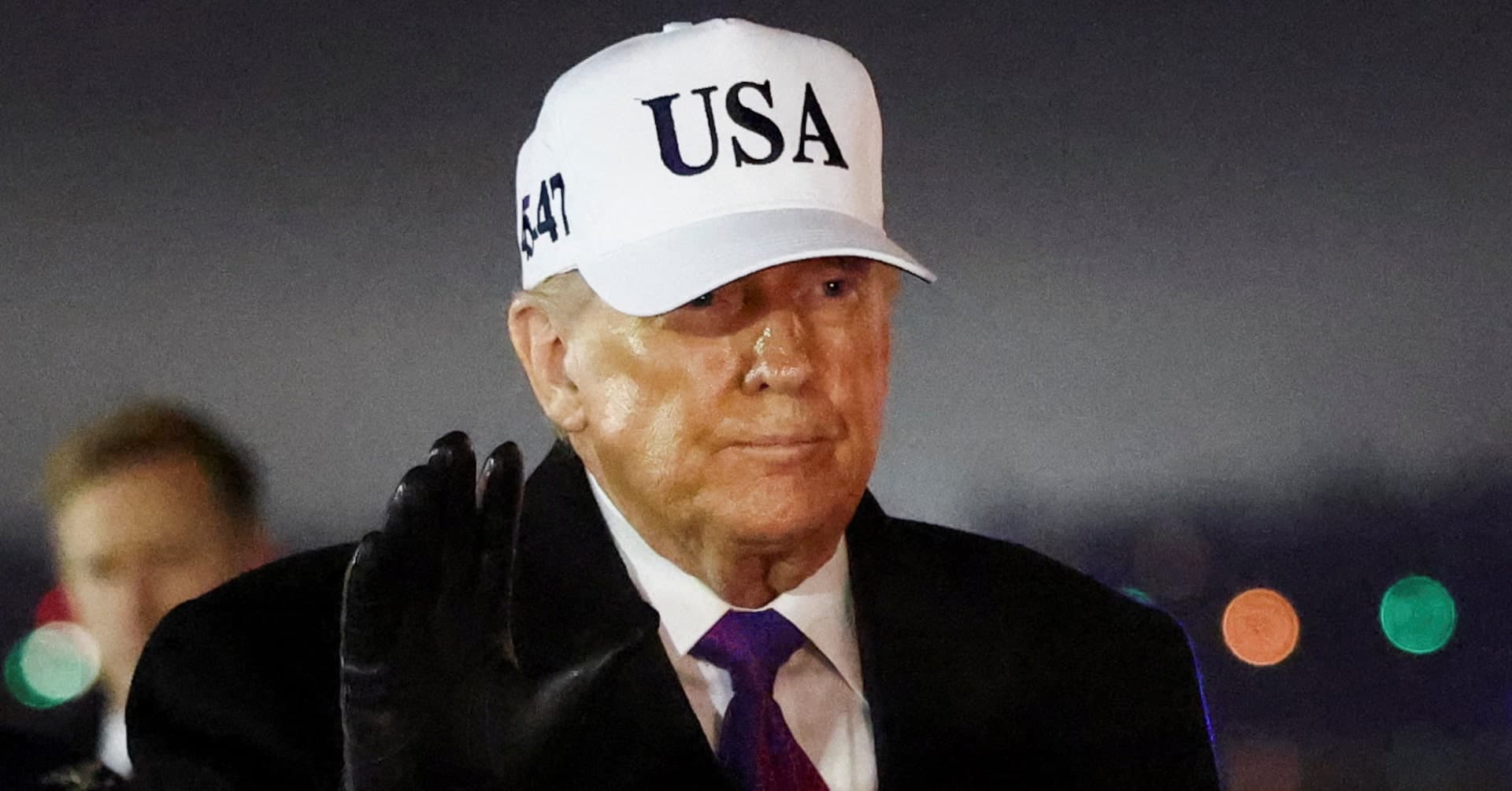
> **"Live updates: DHS shutdown hits Day 6 as Trump touts economy in Georgia"**—President Trump emphasizes economic achievements amid ongoing debates over DHS funding and enforcement.
## Local Enforcement Dynamics and Political Controversies
Recent reports expose **local law enforcement’s involvement** with ICE:
- The **Minnesota governor’s decision to restrict ICE access** to detention facilities sparked political backlash, with critics arguing it hampers law enforcement cooperation.
- A **viral video titled “Political catastrophe: Republican governor botches ICE prison decision”** illustrates the political fallout.
- The **Economist** summarized this trend in **"The US in Brief: Local cops are helping ICE,"** emphasizing how local agencies increasingly participate in immigration enforcement—often with limited oversight.
These tensions highlight **the complex, politicized enforcement landscape**, impacting community trust and federal-state relations, fueling ongoing reform debates.
## New Developments: Policy Shifts and International Implications
### Project 2025 and Enforcement Strategy
A year into Trump’s second term, **Project 2025** continues to shape immigration enforcement:
- Over **half of its policies** have been implemented, focusing on **heightened border security**, expanded detention capacity, and surveillance expansion.
- The program aims to **reshape enforcement** to prioritize **strict control and rapid deportation**, often at the expense of human rights and due process.
### Recent Political and International Reactions:
- **Trump’s recent speeches** showcased gruesome stories, repeatedly recounting violent crimes to bolster his push for **stricter immigration policies**. Critics have fact-checked these claims as **false or exaggerated**, but they continue to influence public sentiment.
- The **State of the Union** featured **Trump making false claims about the economy, elections, and crime**, further polarizing debates over immigration and enforcement policies.
- Internationally, countries like **Germany** have issued advisories about violent clashes, and reports of **ICE agents attempting to forcibly enter Ecuador’s Minneapolis consulate** have strained diplomatic relations, raising questions about **U.S. adherence to human rights standards**.
## Current Status and Implications
Despite ongoing investigations, protests, and international criticism, **ICE enforcement remains largely unaffected**:
- The **DHS shutdown** has entered **Day 6**, severely hampering oversight efforts and reform initiatives.
- Public demand for accountability continues to grow, with grassroots activism and media coverage amplifying calls for systemic change.
The **Minneapolis shootings** have laid bare **deep systemic flaws**:
- The urgent need for **greater oversight, transparency, and accountability**.
- The importance of **humane treatment of detainees and vulnerable populations**.
- Protecting **civil liberties** amid aggressive enforcement tactics.
### Recent Highlights:
- The **federal investigations** into ICE misconduct are progressing, with some agents facing disciplinary actions, but comprehensive reform remains elusive.
- The **international community’s concern** over human rights violations is intensifying, adding diplomatic pressure.
- With **DHS funding deadlines approaching**, reform advocates are demanding meaningful changes before further allocations are approved, emphasizing that **public trust and human rights must be prioritized**.
## A Personal Story: Minneapolis Woman Who Ilhan Omar Took to State of the Union Needed Medical Care After Arrest
Adding to the mounting concerns, **Aliyah Rahman**, a Minneapolis resident, was invited as a guest by Rep. Ilhan Omar to the recent State of the Union. Rahman was detained during a raid and, following her arrest, required urgent medical attention. Her case exemplifies the human cost of enforcement policies:
> *"Rahman’s health deteriorated after detention, highlighting how aggressive enforcement can compromise vulnerable individuals’ well-being,"* according to medical reports. Her experience underscores calls for reform to prioritize humane treatment and health considerations for detainees.
## The Path Forward
The Minneapolis shootings and subsequent fallout have exposed **systemic flaws**—from misconduct and excessive force to flawed detention practices and civil liberties violations. The widespread protests, judicial rebukes, diplomatic incidents, and media scrutiny have fueled a growing movement demanding **urgent reform, transparency, and accountability**.
As the **DHS shutdown** persists into its sixth day, and international concerns mount, the question remains: **Can the U.S. realign its immigration enforcement with principles of human rights and civil liberties?** The coming weeks will be critical in determining whether lawmakers can reach a consensus on meaningful reform amid the mounting pressure from grassroots activism, judicial oversight, and global scrutiny.
**The future of immigration policy in America hinges on whether systemic flaws exposed in Minneapolis can be addressed—before more lives are irrevocably affected or damaged in the process.**