# How Morning Protein Intake Continues to Support Effective Weight Loss: The Latest Insights and Practical Strategies
In the dynamic landscape of weight management and metabolic health, the emphasis on consuming high-quality protein in the morning remains a cornerstone strategy. Building upon foundational insights like Freydis Hjalmarsdottir’s viral explainer "3297: How Protein at Breakfast Can Help You Lose Weight," recent scientific breakthroughs, clinical trials, and expert analyses have deepened our understanding of **why this approach is vital and how it can be refined for diverse health objectives**.
This ongoing research underscores that **morning protein intake is not merely about shedding pounds**; it plays a crucial role in **muscle preservation**, **blood sugar stabilization**, **cognitive function**, and **reducing organ fat**, all of which are intimately linked to aging, chronic disease prevention, and long-term vitality. Here, we synthesize the latest developments, highlight their significance, and offer practical guidance to optimize your morning routine.
---
## Reinforcing the Power of Morning Protein: Scientific Foundations and New Evidence
A growing body of recent research confirms that **a breakfast rich in high-quality protein offers multiple interconnected benefits**:
- **Enhanced Satiety and Appetite Control:** Protein-rich breakfasts bolster feelings of fullness more effectively than carbs or fats, leading to **reduced calorie intake later in the day**.
- **Increased Metabolic Rate:** The thermic effect of protein—diet-induced thermogenesis—elevates daily energy expenditure, fostering fat loss.
- **Blood Glucose Regulation:** Adequate morning protein can **blunt post-meal glucose spikes**, decreasing insulin surges and subsequent cravings.
- **Muscle Preservation and Growth:** Particularly vital during caloric deficits and aging, sufficient protein supports **lean muscle mass**, which maintains **a higher resting metabolic rate**.
### Effective Breakfast Choices
Recent expert consensus emphasizes incorporating **diverse, accessible options** like **eggs, Greek yogurt, lean meats, tofu, legumes, nuts, and seeds**. Combining these with nutrient-dense foods tailored to individual preferences fosters a **sustainable, enjoyable routine** aligned with long-term health and weight goals.
---
## New Insights: Comparing Protein and Fiber in Large Breakfasts
While the benefits of high-protein breakfasts are well-established, **emerging comparative studies** shed light on nuanced differences:
- A **28-day trial** comparing large breakfasts centered on **protein** versus **fiber** revealed **both groups experienced significant weight loss** and improvements in **metabolic markers** such as blood glucose and lipid profiles.
- **Key findings** include:
- **Protein-focused breakfasts** produced **more prolonged feelings of fullness**, leading to **greater reductions in subsequent calorie consumption** and **better appetite regulation**.
- **Fiber-rich breakfasts**, while beneficial for **gut health** and digestion, showed **less immediate appetite suppression** but are essential for **long-term metabolic health** and microbiome diversity.
**Implication:** The evidence suggests that **prioritizing protein at breakfast may confer a slight advantage** in appetite control and weight loss, especially with large, energy-dense meals. Nonetheless, **fiber remains indispensable** for digestive health, microbiome support, and sustained metabolic regulation.
**Expert recommendations** now advocate for a **balanced, synergistic approach**—combining high-quality protein sources with fiber-rich foods—to maximize both short-term satiety and long-term health outcomes.
---
## Synergy with Exercise and Meal Timing: Amplifying Results
Recent studies highlight the **potent synergy between morning nutrition and physical activity**:
- **Resistance training**, championed by fitness influencers like Susan Niebergall ("Strong Instead of Skinny"), benefits significantly from **adequate morning protein intake**. Consuming protein **around resistance workouts** enhances **muscle repair**, **growth**, and **fat oxidation**.
- **Timing meals** around exercise sessions amplifies these benefits:
- Consuming **high-protein meals before or after resistance training** optimizes **muscle synthesis** and **fat-burning**.
- For women with **insulin resistance or PCOS**, insights from Dr. Aimee Browne suggest a **low-glycemic, protein-rich breakfast** can **improve insulin sensitivity** over time.
### Practical Strategies
- Pair resistance training with **protein intake within the anabolic window**.
- Schedule workouts **around morning meals** to **maximize metabolic advantages**.
- Incorporate **daily movement**, such as walking—highlighted in content like *"Walk 30 Minutes Daily"*—to support fat loss, especially visceral and organ fat.
---
## Foods Supporting Glycemic Control and Cognitive Function
Recent research points to specific foods that **enhance blood sugar regulation** and **cognitive performance**:
- **Berries**, especially **raspberries**, have been shown to **significantly reduce blood sugar spikes** and **improve mental clarity**. For example, *"Raspberries with a meal boost cognition and reduce blood sugar spikes"* demonstrates their role in **blunting post-meal glucose surges** and **enhancing memory and focus**.
- Combining **phytonutrient-rich foods** like berries with **nuts or seeds** creates **synergistic effects**, supporting **metabolic health** and **brain function** through **microbiome modulation** and **antioxidant activity**.
---
## Broader Strategies: Meal Timing, Lifestyle, and Personalization
Recent insights emphasize that **meal timing interventions**, such as **time-restricted eating (TRE)**, can **amplify the benefits** of high-protein, early-day meals:
- **Aligning breakfast consumption with circadian rhythms** enhances **insulin sensitivity**, reduces **inflammation**, and supports **fat loss**.
- Structuring resistance and aerobic workouts around **optimal nutritional windows** further boosts **muscle synthesis** and **fat oxidation**.
### Personalization for Maximum Impact
Drawing from recent articles like **"a precision nutrition approach to improve cardiometabolic health,"** tailoring breakfast choices to individual health profiles is vital:
- For those with **insulin resistance**, **low-glycemic, high-protein breakfasts** are recommended to **improve insulin sensitivity**.
- For women with **PCOS**, emphasizing **protein-rich, low-glycemic foods** supports hormonal balance and metabolic health.
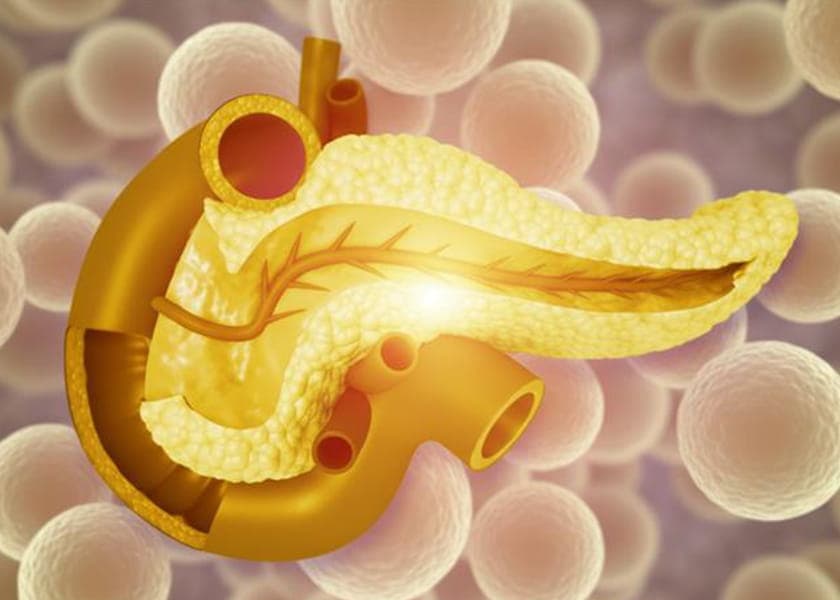
- **Reducing organ fat deposits**, linked to **brain aging and cognitive decline** as discussed in *"Hidden Fat in the Pancreas and Abdomen,"* may be supported by early, nutrient-dense meals that **limit ectopic fat accumulation**.
---
## Innovative Functional Foods: The Role of Mankai (Wolffia globosa)
A notable recent development is the emergence of **Mankai (Wolffia globosa)** as a **functional, high-protein, nutrient-dense food**:
- **Why Mankai?** This tiny aquatic plant packs **more protein per serving** than many traditional sources, **rich in micronutrients**, and has a **minimal environmental footprint**.
- **Research highlights** suggest that integrating **Mankai into breakfast smoothies or meals** can **diversify protein sources**, support **metabolic health**, and promote **sustainability**.
- Its **fiber content** and **bioactive compounds** further contribute to **glycemic control** and **gut health**.
---
## Practical Recommendations for a Protein-Optimized Morning Meal
Based on the latest evidence and expert guidance, here are **actionable tips**:
- **Prioritize high-quality protein sources:** eggs, Greek yogurt, lean meats, tofu, legumes, nuts, seeds, and emerging options like **Mankai**.
- **Combine with fiber-rich foods:** vegetables, oats, whole grains, berries, to **enhance digestion** and **prolong fullness**.
- **Include phytonutrient-rich options:** berries, nuts, seeds to **blunt blood sugar spikes** and **support cognitive function**.
- **Time your protein intake** around resistance and aerobic workouts to **maximize muscular benefits**.
- **Control portion sizes and overall calorie intake** aligned with your goals.
- **Personalize your approach** based on health conditions such as insulin resistance or PCOS, emphasizing **low-glycemic, nutrient-dense choices**.
- **Incorporate daily activity** like walking to **support fat loss** and improve metabolic health.
---
## Cautions and Considerations
While these strategies are effective, it's important to **avoid overly rapid weight loss**, which can **compromise bone density** and **muscle mass**. A **balanced, sustainable approach** ensures **long-term success**.
Additionally, **pharmacologic interventions** should complement, not replace, dietary and lifestyle changes. Always consult healthcare professionals before starting new supplements or significant dietary modifications.
---
## Current Status and Implications
The latest science reaffirms that **making high-quality protein the centerpiece of your morning meal**, combined with fiber, phytonutrients, strategic meal timing, and physical activity, forms a **powerful, adaptable framework** for **weight loss**, **muscle preservation**, and **metabolic health**.
**Key takeaways:**
- **Consistent, nutrient-dense breakfasts** foster appetite control, stabilize blood sugar, and promote fat loss.
- **Personalization** enhances effectiveness—consider health status, preferences, and goals.
- **Lifestyle integration**, including daily walking and aligning meals with circadian rhythms, further amplifies benefits.
- **Emerging functional foods** like Mankai expand options for sustainable, nutrient-dense breakfast choices.
---
## Final Thoughts
The convergence of recent research solidifies that **early-day, high-quality protein intake** is a **cornerstone of effective, sustainable weight management** and health promotion. When tailored to individual needs and combined with **exercise**, **timing strategies**, and **lifestyle habits**, this approach can **not only facilitate fat loss** but also **protect cognitive function**, **support metabolic resilience**, and **slow aging processes** linked to organ and brain health.
As our understanding deepens, embracing a **holistic, personalized morning nutrition routine** centered on nutrient-dense, protein-rich foods emerges as an **evidence-based pathway** toward **long-term vitality and cognitive longevity**.