# Mass Displacement and Escalating Conflict Shake the Middle East
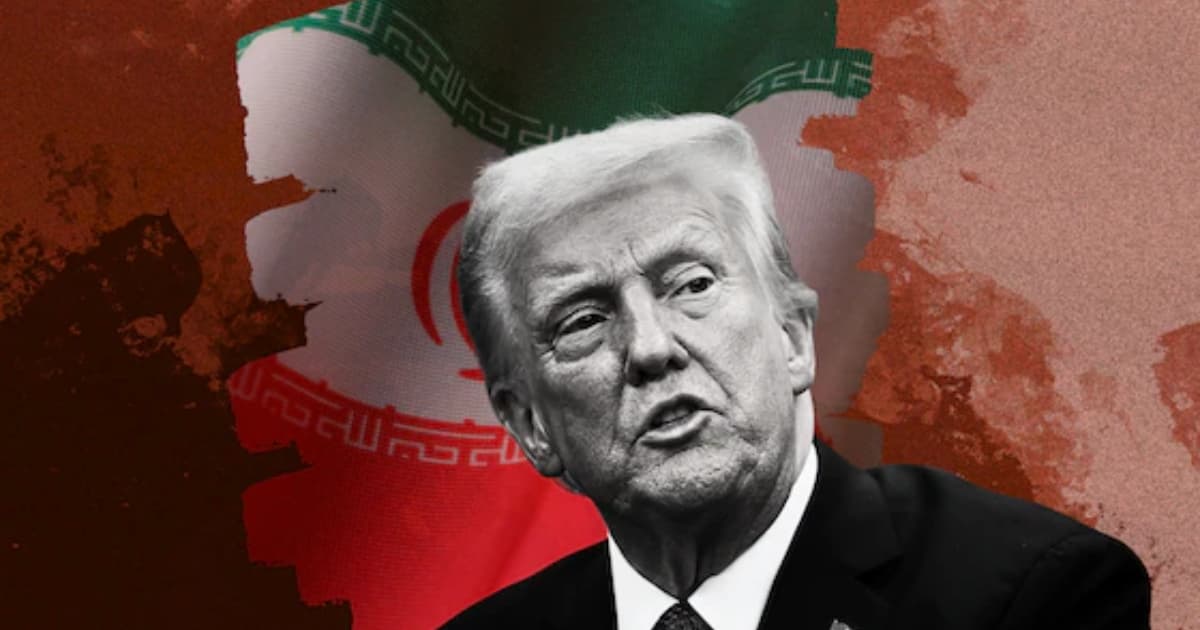
The Middle East stands at a perilous crossroads as the ongoing US–Israel–Iran conflict intensifies, triggering an unprecedented wave of civilian displacement, regional instability, and a burgeoning humanitarian crisis. Recent developments reveal a rapidly escalating situation that threatens to reshape the geopolitical landscape and deepen the region’s suffering.
## Rapid Escalation of Violence and Displacement
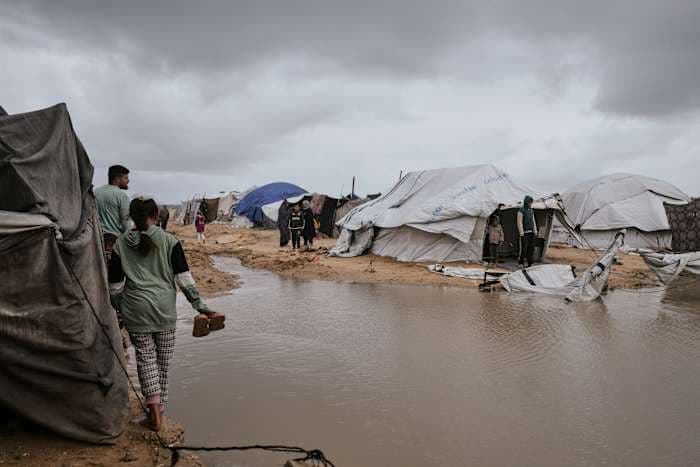
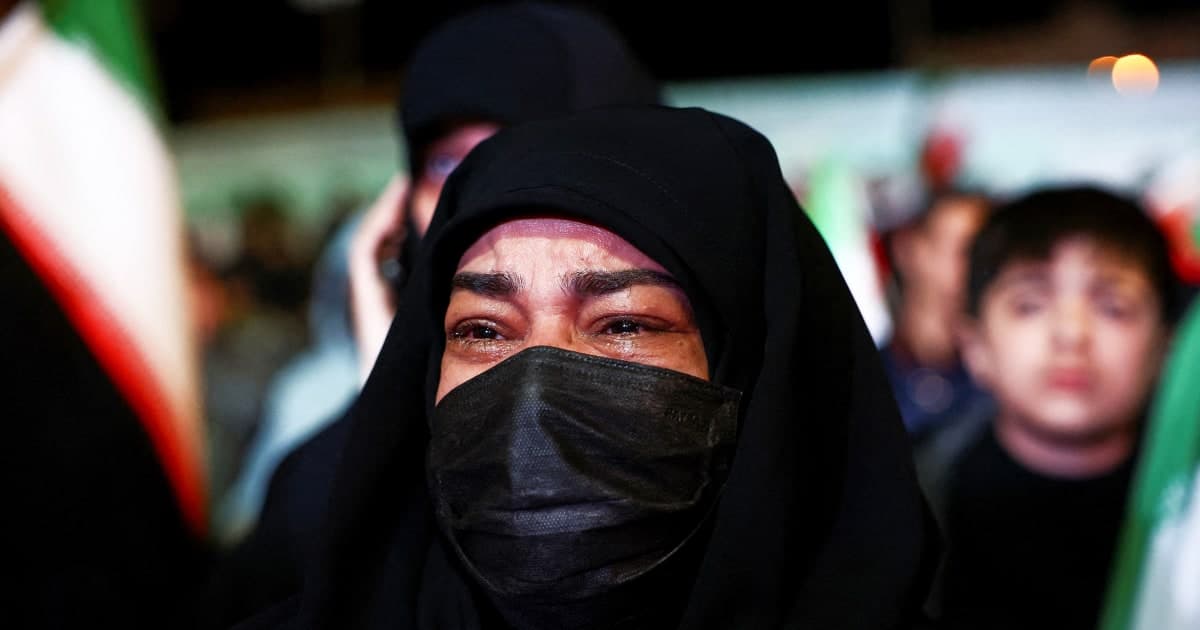
Over the past few weeks, military operations—airstrikes, ground assaults, missile launches—have devastated urban centers and critical infrastructure across the region. The United Nations estimates that **several million civilians** have been displaced, with many seeking refuge in neighboring countries such as Lebanon, Jordan, Turkey, and Egypt. These host nations, already grappling with economic hardship and social challenges, are now under mounting pressure due to the influx of displaced populations.
- **Refugee flows** remain intense, with border crossings overwhelmed or effectively closed, complicating evacuation efforts.
- Many families face **prolonged displacement**—unable to return home because of ongoing violence, destroyed homes, and persistent insecurity.
- Vulnerable groups—**women, children, marginalized communities**, and the elderly—are disproportionately affected, facing increased risks of exploitation, trauma, and barriers to healthcare, shelter, and education.
### Humanitarian Systems Under Siege
The swelling numbers of displaced persons have overwhelmed local health systems and aid organizations, creating an urgent need for emergency support:
- **Shelter and Safe Zones:** There is an immediate necessity to establish secure areas to protect newcomers from violence and environmental hazards.
- **Medical Supplies and Healthcare:** Critical shortages of medicines, medical personnel, and facilities are hampering treatment for injuries, disease outbreaks, and chronic conditions.
- **Food and Nutrition:** Disrupted supply chains are causing food shortages, risking starvation and malnutrition among vulnerable populations.
- **Psychosocial Support:** Trauma services are scarce, leaving victims of violence, children, and grieving families without adequate mental health care.
## Complicating Factors: Borders, Travel Restrictions, and Deadlocks
The crisis is exacerbated by **strict border closures**, travel advisories, and restrictive entry policies enacted by multiple countries. These measures hinder both evacuation and humanitarian aid efforts:
- The **U.S. State Department** has advised against all non-essential travel to Lebanon, parts of Syria, and Turkey.
- Several European nations and regional actors have designated zones within Egypt and Jordan as **no-go areas** due to security concerns.
- Many Middle Eastern states have **closed borders or imposed strict entry controls**, trapping vulnerable populations within conflict zones.
**Consequences include:**
- **Hindered evacuations**, risking increased casualties and prolonged displacement.
- **Limited humanitarian access**, delaying critical aid, medical evacuations, and relief supplies.
- A heightened risk of **internal destabilization** within host countries and potential regional destabilization.
## Recent Developments: A Volatile and Widening Conflict
The situation remains highly volatile, with indicators pointing toward potential **"spillover" or "escalation trap"**—where unchecked military actions could trigger broader regional confrontation.
### Military Actions and Proxy Dynamics
- **Iran’s strategic alliances**, including proxy groups like Hezbollah and other militias, are mobilizing, raising fears of a wider regional war.
- **Hamas**, amid calls for restraint, has urged Iran to **halt attacks on Gulf states** while condemning aggression on Tehran. An article from Al Jazeera highlights Hamas’s plea for Iran to cease regional missile strikes, underscoring the complex web of alliances and rivalries fueling the conflict.
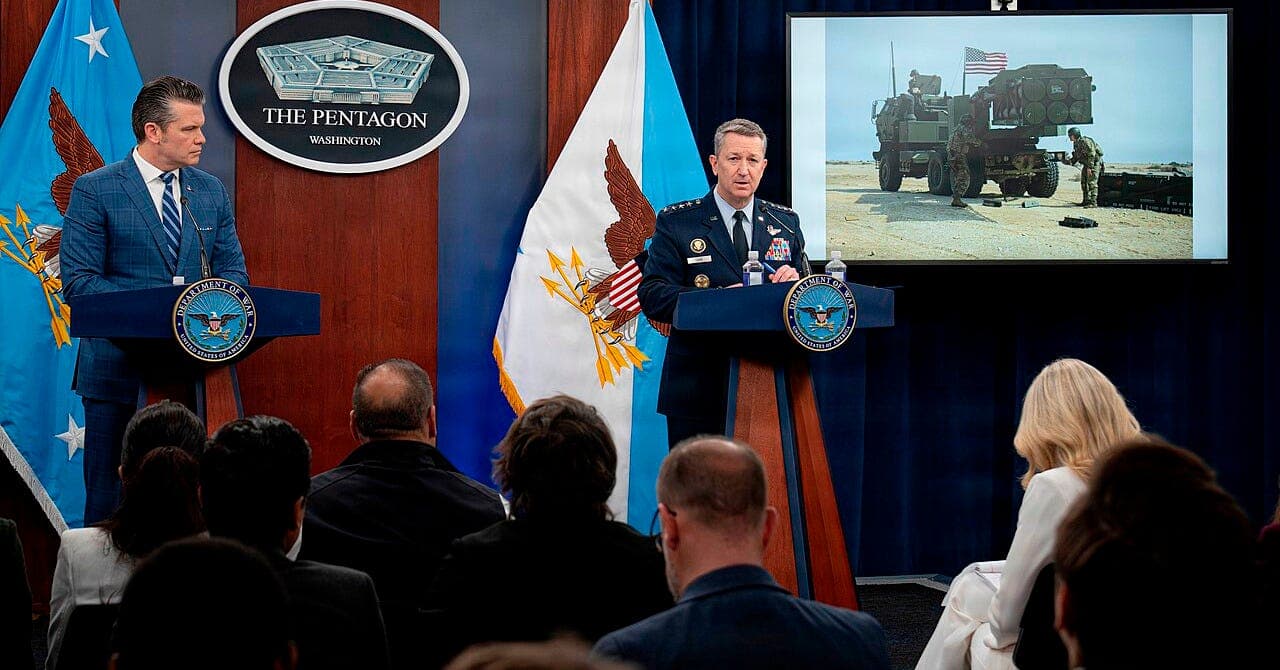
- **U.S. military redeployments** are underway, with approximately **2,200 Marines deployed aboard three warships** to bolster regional defenses and deter further Iranian escalation. This significant military build-up raises concerns about potential clashes and increased displacement.
### Key Recent Events
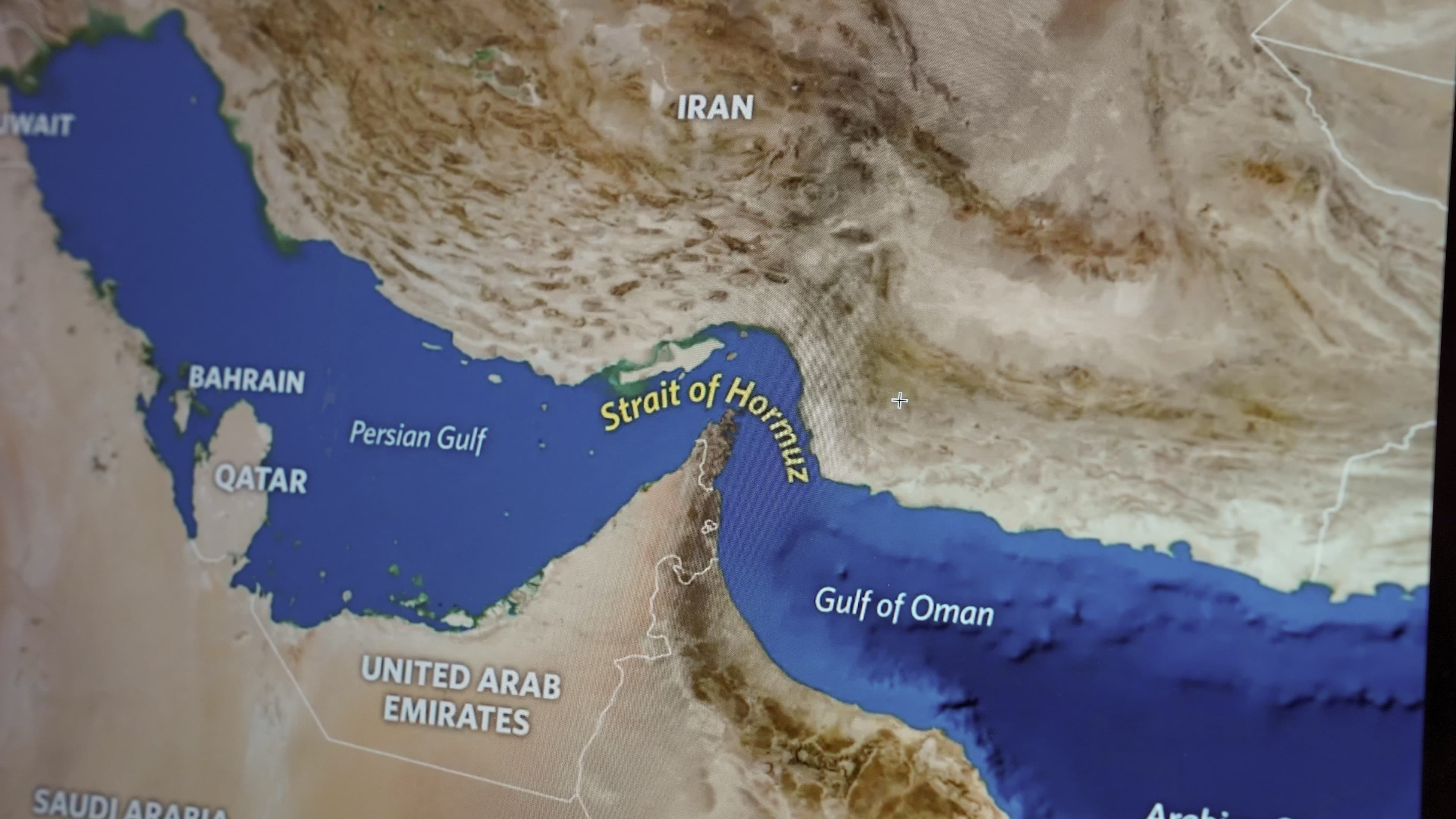
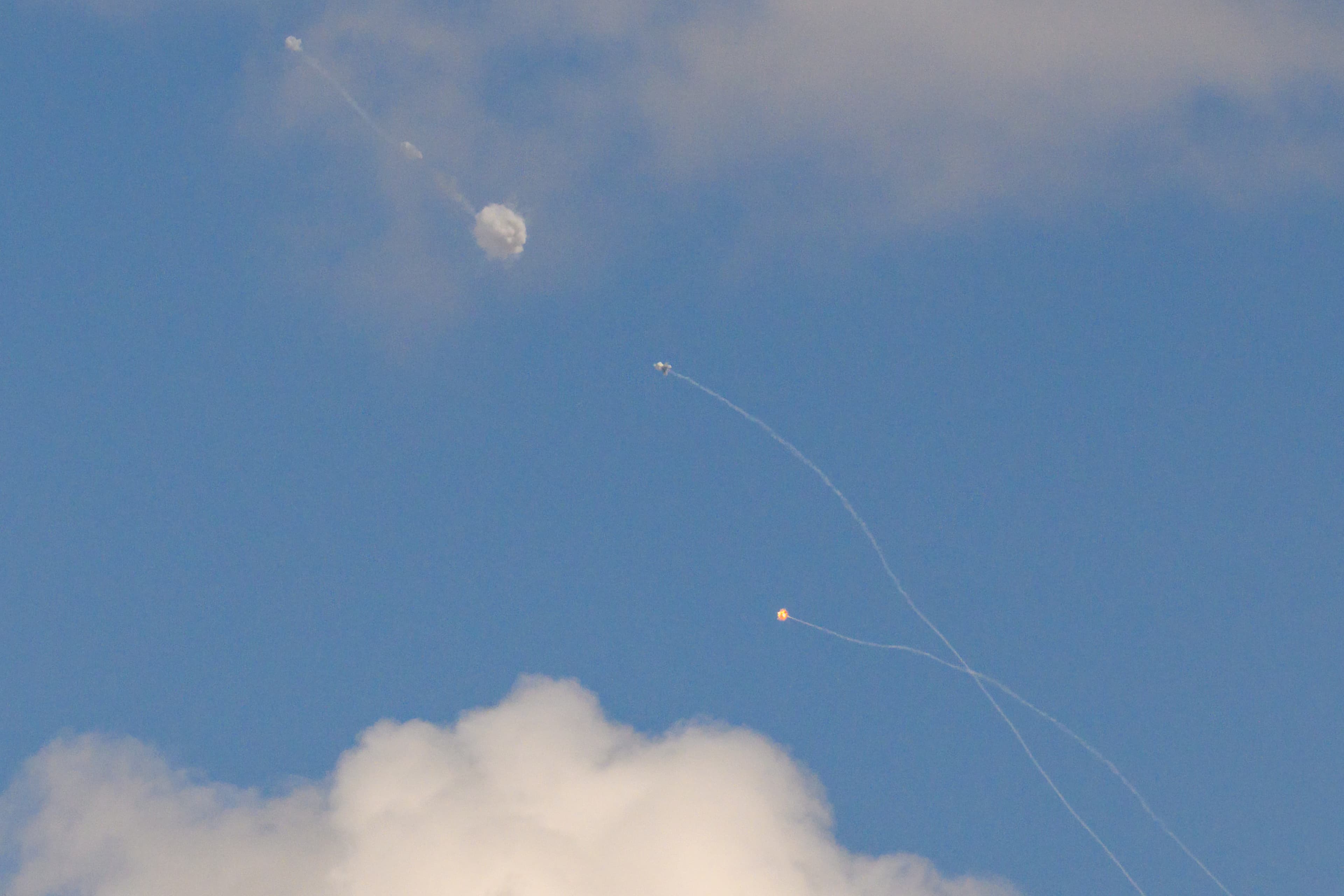
- Iran has launched **missile and drone strikes** targeting US bases and Israeli-controlled sites, including **explosions rocking Isfahan** and strikes on **Kharg Island**, a strategic energy and military hub. These attacks signify Iran’s willingness to escalate its military response.
- The United States has responded with **military strikes on Iranian-controlled targets**, aiming to weaken Iran’s military capabilities but risking further escalation.
- Iran has threatened **retaliation against regional energy hubs** and has increased **troop readiness**, intensifying fears of a broader conflict.
- Israeli forces have reportedly conducted **strikes inside Iran**, targeting military infrastructure, further heightening tensions.
- Iran’s **IRGC** claims responsibility for missile and drone attacks on **three US air bases**, signaling an intensification of Iran’s offensive posture.
### Diplomatic Deadlock and Information Warfare
Diplomatic efforts to de-escalate remain stalled. Iran condemns Western and Israeli actions as **"war crimes"**, accusing the UN Security Council of bias. Meanwhile, the information environment is saturated with **propaganda, disinformation**, and psychological operations, further complicating diplomatic pathways:
- Both sides engage in **information warfare** to influence perceptions domestically and internationally.
- Public statements—such as Iran’s defiance and Hamas’s calls for restraint—highlight the fragile diplomatic landscape.
## Broader Regional Implications
The ongoing conflict risks deepening regional instability with profound social, economic, and political consequences:
- **Social Tensions:** The influx of refugees strains host country resources, risking unrest among displaced populations and local communities.
- **Economic Decline:** Disruptions to trade, tourism, and infrastructure investments threaten to accelerate economic deterioration across affected nations.
- **Political Fragility:** Governments are under mounting pressure from displaced populations and their own citizens, risking regime stability and potential upheavals.
- **Security Deterioration:** Increased spillover violence, proxy conflicts, and possible escalation toward asymmetrical or even nuclear confrontations create a highly unstable environment.
## Urgent Path Forward
The magnitude of the crisis demands **immediate and coordinated international action**:
- **Scale up humanitarian aid:** Deploy shelter, medical supplies, food, and mental health services swiftly to save lives.
- **Restore humanitarian access:** Diplomatic efforts must focus on easing border restrictions and establishing **safe corridors** for aid and evacuations.
- **Renew diplomatic engagement:** Ceasefires, negotiations, and sustained diplomacy are essential to de-escalate hostilities.
- **Address root causes:** Long-term stability requires resolving political disputes, economic inequalities, and security threats fueling the conflict.
## Current Status and Outlook
As of now, the **region remains in a state of heightened crisis**. Displacement continues to grow exponentially, with millions internally displaced or seeking refuge across borders. Military confrontations persist, and diplomatic efforts have yet to produce meaningful de-escalation.
The coming weeks are **crucial**; without swift, coordinated action, the conflict risks becoming a **prolonged humanitarian catastrophe** and expanding into a larger regional war with global repercussions. The recent escalation of military strikes, the mobilization of proxy groups, and the stalled diplomatic process underscore the urgent need for international leadership.
**In conclusion**, the Middle East faces a defining moment. The ongoing conflict's toll on civilians—particularly vulnerable populations—combined with regional instability, underscores the necessity for urgent, comprehensive action. Failure to act decisively could lead to a protracted crisis that threatens not only regional peace but global security as well. The world’s response in the coming days and weeks will determine whether the region slides further into chaos or finds a path toward stability and peace.