# How Iran’s Arsenal and Western Defenses Are Reshaping Today’s Battles
The ongoing contest between Iran’s expanding missile and drone capabilities and Western military defenses has entered a new and more complex phase. Iran continues to bolster its arsenal, employing innovative technologies and strategic operations, while Western and allied forces adapt with rapid defensive measures. Recent developments underscore a landscape where low-cost, asymmetric weapons challenge high-end defenses, forcing a rethinking of regional security strategies and military resource allocation.
## Iran’s Growing Arsenal and Strategic Escalation
Iran’s missile program remains at the forefront of its regional strategy, with recent reports highlighting significant advancements and expansion efforts. The **Islamic Revolutionary Guard Corps (IRGC)** has announced plans to **double its strategic missile operations**, signifying an escalation in Iran’s missile capacity. This move aims to increase offensive pressure and complicate enemy defense planning.
Adding to the threat, Iran has launched **new solid-fuel missiles**, which differ markedly from earlier liquid-fuel variants. According to recent analyses, solid-fuel missiles are faster to deploy, easier to store, and more survivable in operational environments, making them a formidable component of Iran’s arsenal. The Times of India notes that Iran’s latest barrage of solid-fuel missile launches demonstrates a push toward more reliable and rapid-response missile systems.
### Iran–North Korea Missile Cooperation
A groundbreaking development is the exposure of **Iran’s cooperation with North Korea** on missile technology. Reports reveal a **strategic alliance** aimed at sharing missile design, technology, and testing protocols, significantly enhancing Iran’s ICBM (Intercontinental Ballistic Missile) capabilities. This alliance raises the threat level, as Iran’s potential to develop and deploy longer-range, more destructive missiles increases, impacting regional and global security dynamics.
## Targeted Strikes and Infrastructure Disruption
In a significant operational move, the **IDF (Israel Defense Forces)** recently targeted Iran’s **space headquarters** linked directly to its missile and nuclear programs. As reported by The Jerusalem Post, these strikes aim to **set back dual-use space-launching technologies**, which could be leveraged for missile development or nuclear delivery systems. Such preemptive actions reflect Israel’s strategic effort to disrupt Iran’s dual-capability space and missile ambitions.
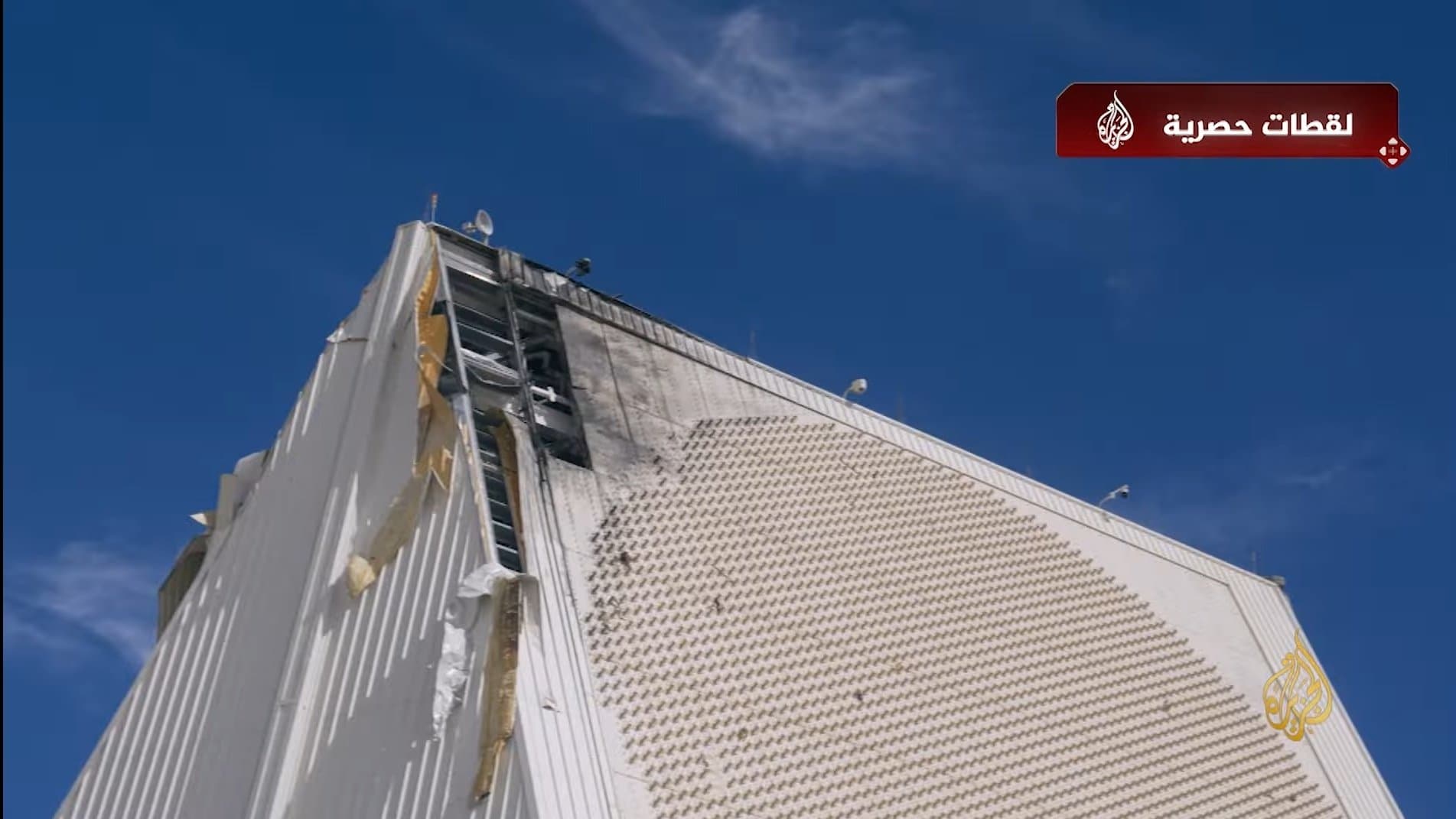
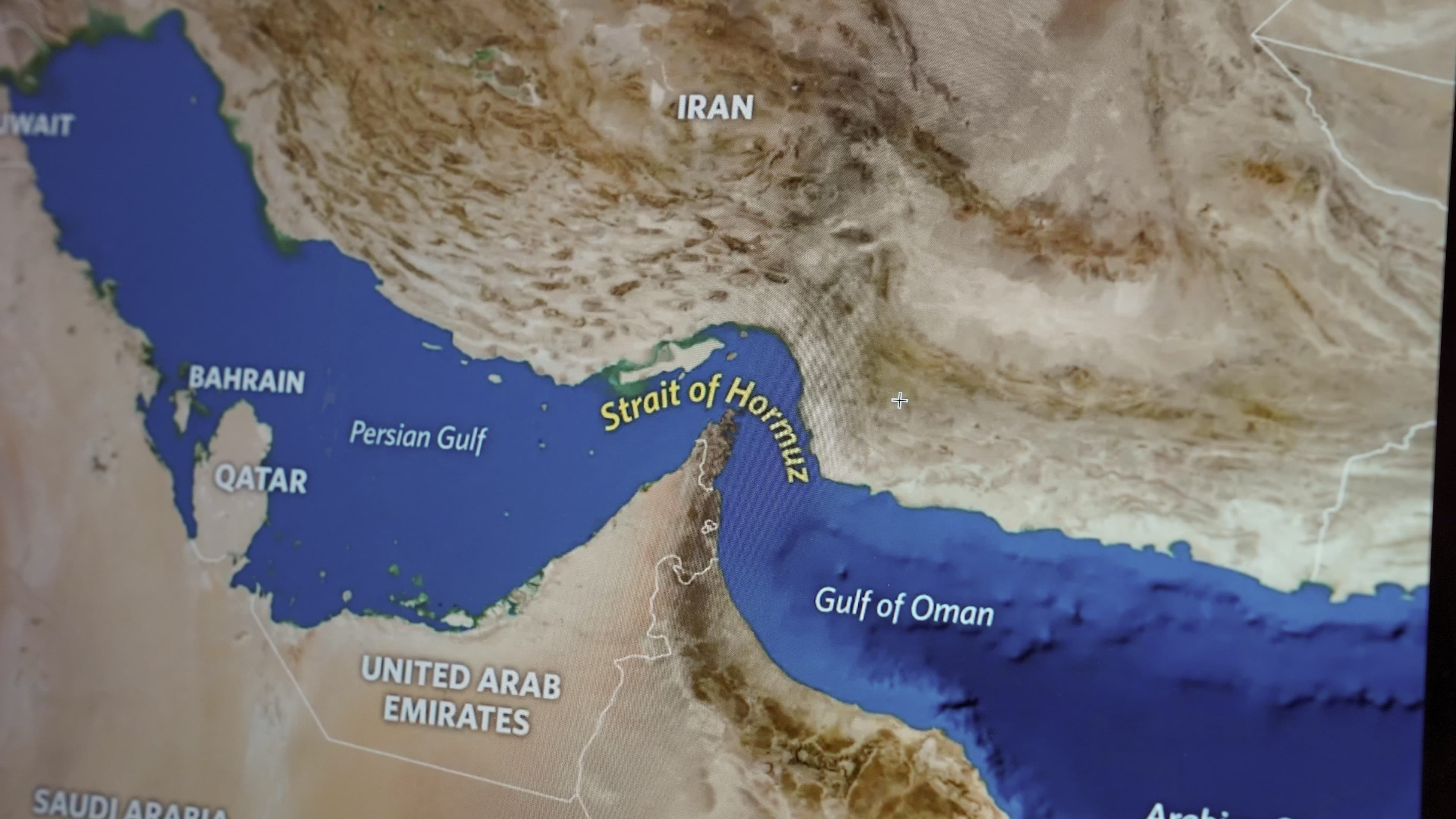
Moreover, Iran has been systematically **striking radar installations and communication nodes** that support U.S. missile defenses across the Gulf region. These attacks aim to **degrade the effectiveness of U.S. and allied missile defense networks**, including advanced radar systems essential for early warning and interception.
## The Evolving Threat of Drones and Costly Defense Challenges
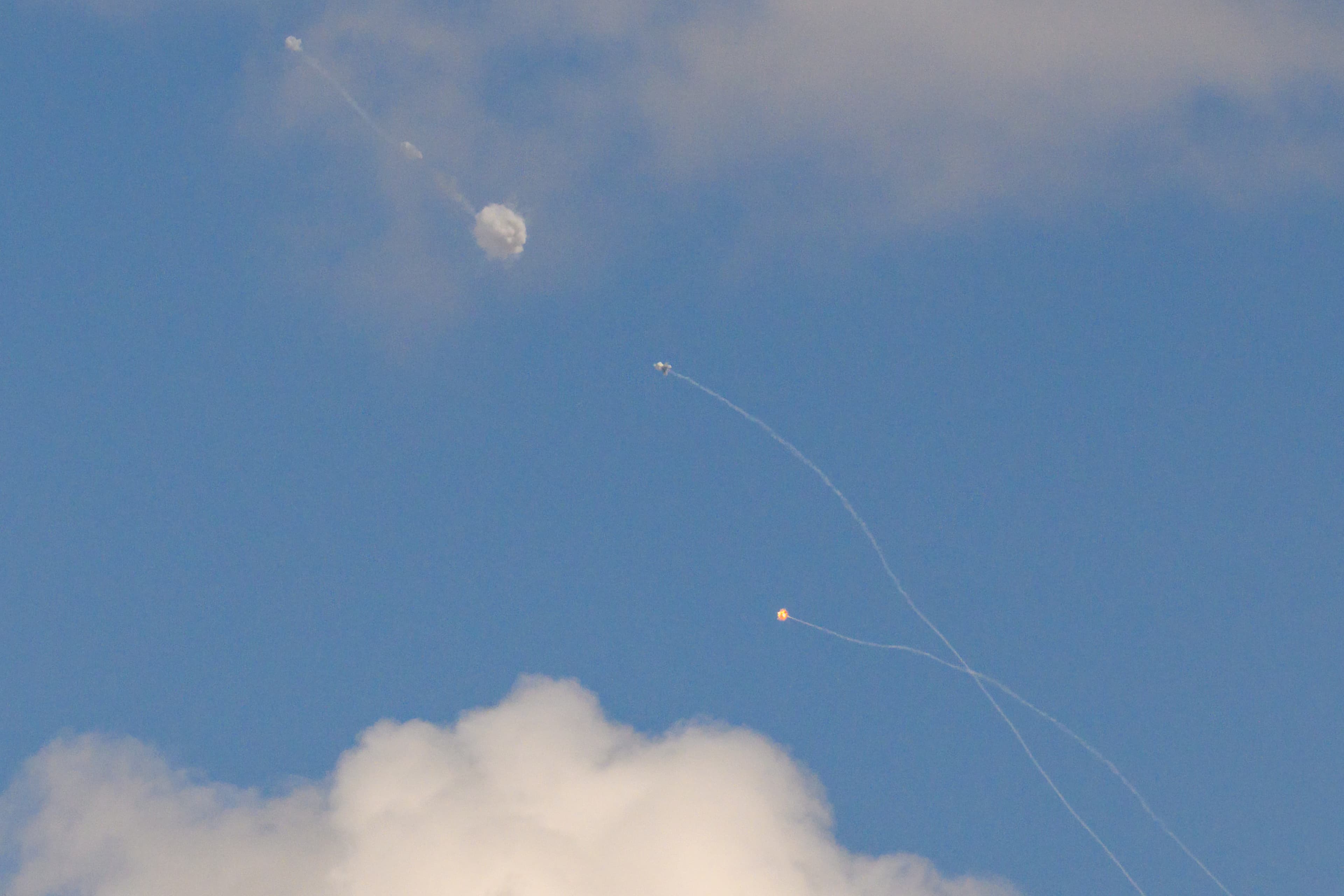
Iran’s prolific use of **cheap, versatile drones** continues to strain U.S. and allied forces. These low-cost unmanned systems are increasingly used in saturation attacks, overwhelming high-cost interceptors and air defense systems like the Patriot. The proliferation of Iranian drones poses a **persistent asymmetric threat**, forcing Western forces to allocate more resources to counter these inexpensive yet effective weapons.
Recent reports and exercises indicate that **U.S. and allied defenses are being tied up** trying to intercept mass drone swarms, raising operational costs and complicating strategic planning. The need for **more resilient and flexible defense architectures** is now more urgent than ever.
## Technological Innovations and Strategic Responses
In response to these developments, Western militaries are taking aggressive steps:
- The **"Drone Dominance"** program has been ramped up, focusing on developing **counter-drone technologies** and **more mobile, layered defenses**.
- The **repositioning of Patriot interceptors** to critical areas in the Gulf aims to create a more robust shield against missile and drone threats.
- There’s an increased emphasis on **preemptive strikes** against missile launchers, radars, and other critical infrastructure, attempting to limit Iran’s operational flexibility before threats materialize.
## Future Outlook and Key Areas to Watch
Several critical factors will influence the evolving battlefield:
- **Supply chains for interceptors and missile components**: Ensuring sustained production and replenishment of defense systems remains vital.
- **Iran’s missile and drone production rates**: Monitoring manufacturing capabilities and deployment levels will indicate future threat trajectories.
- **Allied force posture in the Gulf**: The flexibility and readiness of regional partners will be crucial in deterring or responding to Iranian escalation.
- **Further strikes on missile and space infrastructure**: Continued targeted operations could delay Iran’s technological advancements but may also escalate tensions.
## Conclusion
The confrontation between Iran’s expanding missile and drone arsenal and Western defenses continues to redefine regional and global security dynamics. Iran’s strategic cooperation with North Korea, rapid development of new missile technologies, and relentless operational campaigns underscore a shift toward asymmetric warfare, where low-cost weapons and innovative tactics challenge traditional high-end military systems. As both sides adapt and escalate, the region faces a future where preemptive strikes, technological resilience, and force readiness will determine the balance of power. The coming months will be critical in assessing the effectiveness of Western responses and Iran’s ongoing quest for strategic dominance.