# Escalating U.S.–Iran Confrontation Reaches Critical Threshold: Multi-Front Warfare and Regional Turmoil Intensify
The Middle East is now at a perilous crossroads as the long-simmering tensions between the United States and Iran have erupted into an unprecedented, multi-dimensional military crisis. What once involved proxy conflicts, cyberattacks, and covert operations has now devolved into direct, large-scale combat with missile exchanges, naval skirmishes, targeted infrastructure strikes, and regional proxy engagements. The latest developments signal a dangerous trajectory toward full-scale war, posing profound regional and global consequences.
---
## Surge in Direct Military Engagements: From Proxy to Open Warfare
### Iranian Attacks on U.S. and Allied Bases
Iran has launched a series of coordinated, high-profile strikes on critical U.S. military installations across the Middle East:
- **Al Udeid Air Base in Qatar:** Multiple Iranian missile barrages have struck this strategic hub, which hosts a significant portion of U.S. airpower. Initial reports confirm extensive damage, casualties among personnel, and heightened alert levels among U.S. forces.
- **U.S. facilities in Erbil, Iraq:** Drone strikes have caused widespread destruction, with footage showing explosions near civilian areas, including schools. These attacks threaten to escalate into broader conflicts and have heightened fears of civilian casualties, complicating diplomatic efforts.
### Drone Losses and Disputed Captures
U.S. military officials confirmed the loss of several MQ-9 Reaper drones—crucial for surveillance and targeted operations—highlighting vulnerabilities amid intensified hostilities. Iran claims to have captured U.S. troops during recent clashes, though these assertions remain unverified, adding uncertainty to diplomatic negotiations and strategic calculations.
### Rising Human Toll and Military Responses
The human toll continues to mount:
- The Pentagon reports **seven U.S. service members killed**, marking the deadliest toll for American forces in the region in recent years.
- In response, the U.S. has ramped up military operations:
- **Tomahawk missile strikes:** Naval forces have launched multiple missiles targeting Iranian military command centers, missile launch sites, and logistical hubs.
- **Submarine operations:** U.S. submarines are reported to have sunk or severely damaged over **20 Iranian naval vessels**, including fast attack boats and supply ships—crippling Iran’s maritime capabilities and strategic reach.
### Naval and Maritime Warfare: Threats to Global Shipping
The conflict’s scope now heavily involves the **Strait of Hormuz**, a vital artery for global oil transportation:
- Iranian naval vessels have engaged in aggressive maneuvers, including attempted blockades and direct confrontations with U.S. and allied ships.
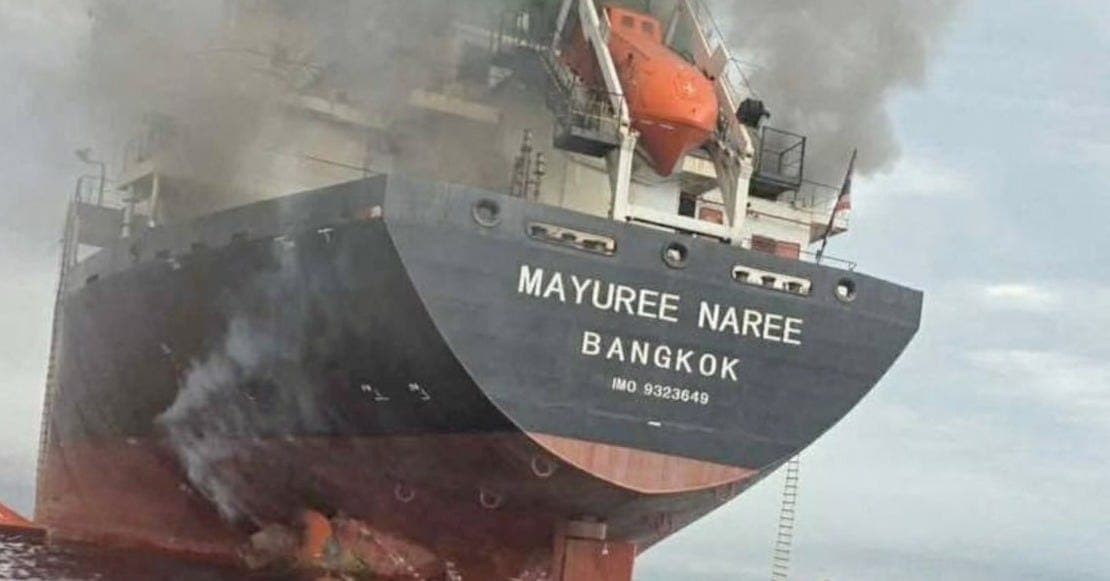
- Recent Iranian drone attacks targeted oil tankers, with reports of two vessels—linked to U.S. interests—being destroyed near Iraq. Videos circulated online depict Iranian naval drones ramming and detonating on ships, significantly heightening fears of disruption to global energy supplies and causing oil prices to spike.
---
## Broader Escalation and Strategic Moves
### Deployment of U.S. Reinforcements
In response to mounting threats, the Pentagon has **deployed approximately 2,200 Marines** aboard three U.S. Navy warships. This rapid reinforcement underscores Washington’s readiness for prolonged conflict and aims to deter further Iranian aggression.
### Strikes on Iranian Infrastructure and Economic Targets
U.S. military actions have expanded beyond conventional military sites:
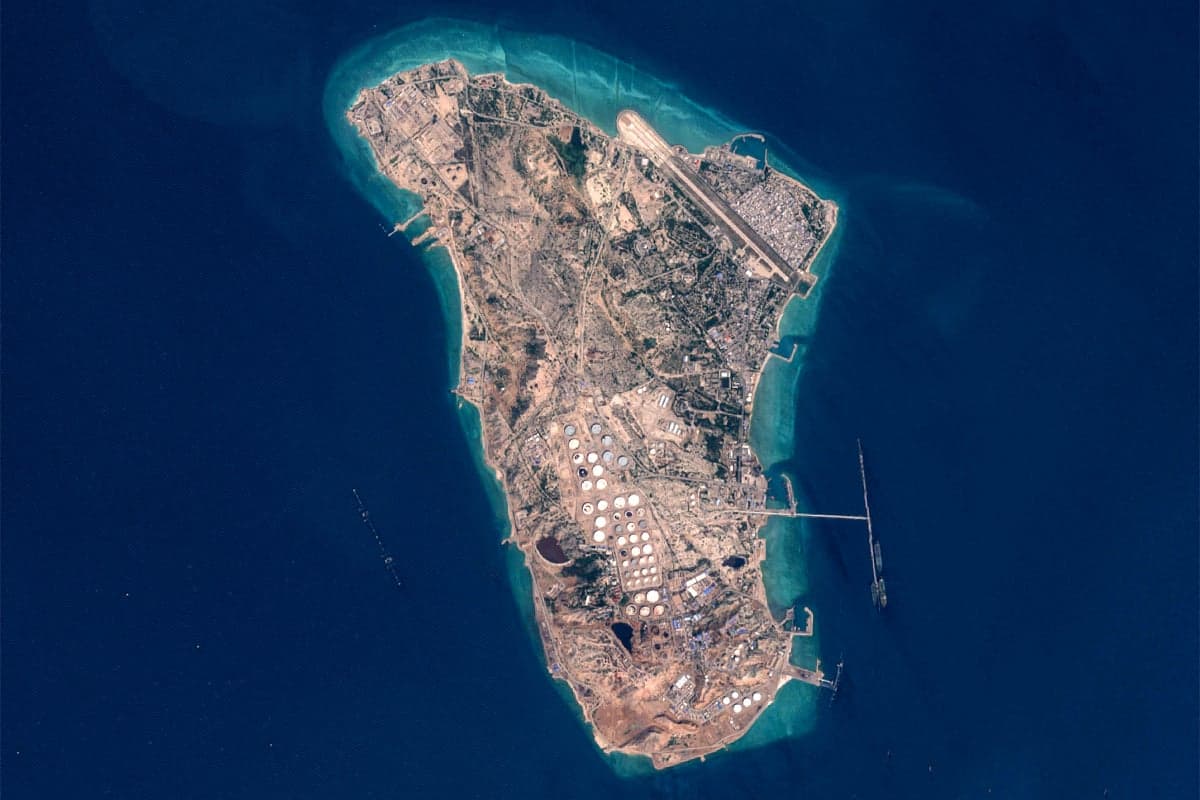
- **Kharg Island**, Iran’s primary oil export terminal and strategic military asset, has been **obliterated**, according to sources, marking a significant escalation crossing Iran’s red lines and threatening its economy.
- Iran’s **"Operation True Promise 4"** involves coordinated missile and drone assaults targeting U.S. and Israeli positions, intensifying the campaign of escalation.
### Iranian Operational Waves and Proxy Engagements
Iran’s military strategy appears structured into multiple operational waves, with **Wave 41** being the latest, encompassing:
- Intensive missile and drone attacks on U.S. and Israeli military bases.
- Naval drone operations targeting oil tankers and maritime assets.
- Increased threats and missile attacks against Israel, with major cities under active interception.
- **Hezbollah in Lebanon** has resumed active combat, launching rockets and artillery into northern Israel, creating widespread paralysis under what some analysts describe as “Hezbollah’s infernal fire.” Additionally, increased naval activity and skirmishes in Syria, Oman, and the UAE have raised fears of a broader regional conflagration.
---
## Diplomatic and International Fallout
### UN Security Council: Battlefield of Narratives
At the United Nations, tensions have spiked:
- U.S. and Israeli representatives condemn Iran’s actions as “destabilizing” and “provocative,” calling for increased international pressure and sanctions.
- Iran’s envoy dismisses these accusations as “baseless provocations,” asserting Iran’s right to self-defense and rejecting blame for the escalation.
### Market Volatility and Energy Security
Attacks on Iranian oil infrastructure and threats to shipping lanes have caused **volatile oil markets**, with prices soaring amid fears of prolonged disruptions. The destruction of Kharg Island and ongoing naval clashes threaten global energy supplies, risking economic instability worldwide.
### Urgent Warnings and Strategic Movements
- Iran has issued stark warnings, **"EVACUATE PORTS NOW,"** signaling plans for “the biggest strike” on Gulf ports and American forces—prompting U.S. forces to raise alert levels.
- Turkey has confronted Iran over recent missile incidents, with Foreign Minister Fidan vowing to prevent war spread. The evolving U.S.-Turkey dynamic is increasingly tense, with analysts warning of potential escalation if Turkey perceives Iranian actions as threats to regional stability.
---
## Recent Developments and Strategic Implications
### US Strikes on Iranian Oil Hubs
Recent reports confirm **U.S. strikes on Iran’s oil export hubs**, notably **Kharg Island**, which has been **hammered with over 90 military targets destroyed** in a massive operation, as detailed in sources like News18. These strikes aim to weaken Iran’s economic capacity but risk broadening the conflict.
### Live Pentagon Updates and Military Movements
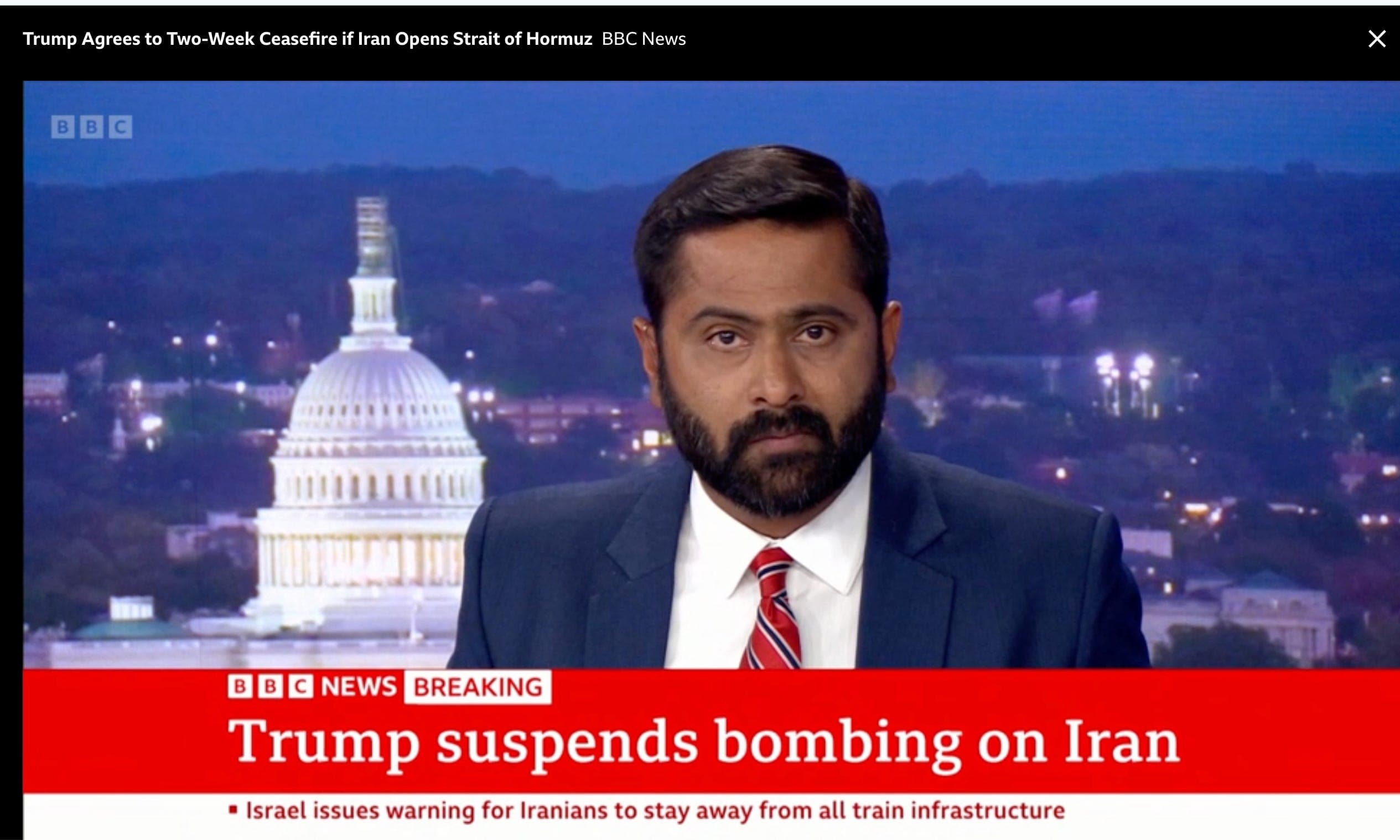
In a recent Pentagon briefing, officials confirmed ongoing intense strikes against Iranian military infrastructure, emphasizing that the U.S. is prepared for sustained operations. The deployment of **around 2,200 Marines** on warships underscores the gravity of the situation and U.S. readiness for extended hostilities.
### Iranian Multi-Wave Offensive Campaigns
Iran’s **"Operation True Promise 4"** continues with multiple operational waves, including:
- **Missile and drone assaults** on U.S. and Israeli targets.
- Maritime drone operations targeting oil tankers and strategic shipping lanes.
- Heightened threats against Israel, with missile attacks on cities and military bases.
### Market and Diplomatic Fallout
Global markets remain volatile, with oil prices spiking due to sustained damage to Iranian infrastructure and threats to shipping routes. Diplomatic efforts remain fractured, with international players divided over how to address the escalating conflict.
---
## **Current Status and Outlook**
The conflict remains **extraordinarily volatile**, with:
- U.S. forces conducting retaliatory missile strikes, submarine operations, and deploying reinforcements.
- Iran threatening further escalation, including potential large-scale missile and drone attacks.
- Regional actors like Hezbollah and proxies in Lebanon, Syria, and the Gulf states actively engaged or preparing for wider hostilities.
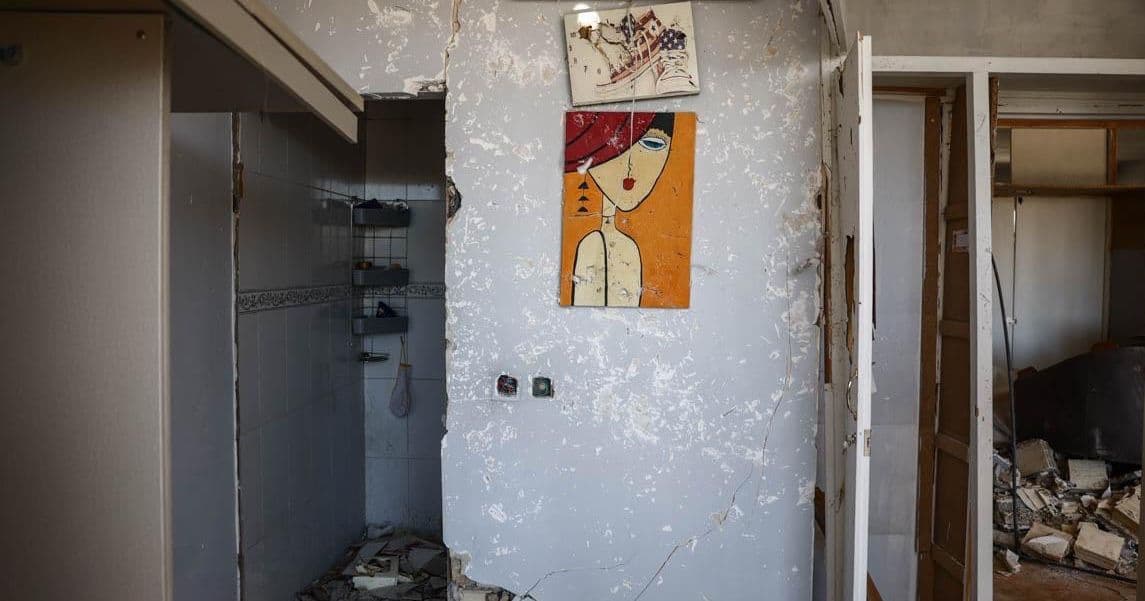
- Civilian casualties mounting and critical infrastructure, including oil export facilities, severely damaged.
### **Potential Trajectories**
- Iran may continue **multi-wave missile and drone campaigns**, aiming at U.S. bases, shipping lanes, and regional allies.
- The U.S. could intensify **naval blockades, cyber-attacks, and limited ground operations**, risking a prolonged and devastating regional war.
- Tensions with Turkey and other regional powers could further complicate the conflict, possibly leading to a broader, multi-front confrontation.
---
## **Conclusion**
The escalation from proxy skirmishes to open, multi-front warfare marks a critical turning point in Middle Eastern geopolitics. Recent strikes on Iran’s oil infrastructure, aggressive naval encounters, and threats against Gulf ports signal a perilous path toward wider regional and possibly global conflict. As diplomatic efforts falter, the international community faces an urgent challenge: preventing this dangerous spiral from spiraling into an all-out war with devastating regional and global consequences. The coming days will be decisive—will diplomacy prevail, or are we on the brink of a prolonged, catastrophic conflict? The world watches with mounting concern.