# Escalating Direct Missile Barrages Between Iran and Israel Deepen Regional Crisis
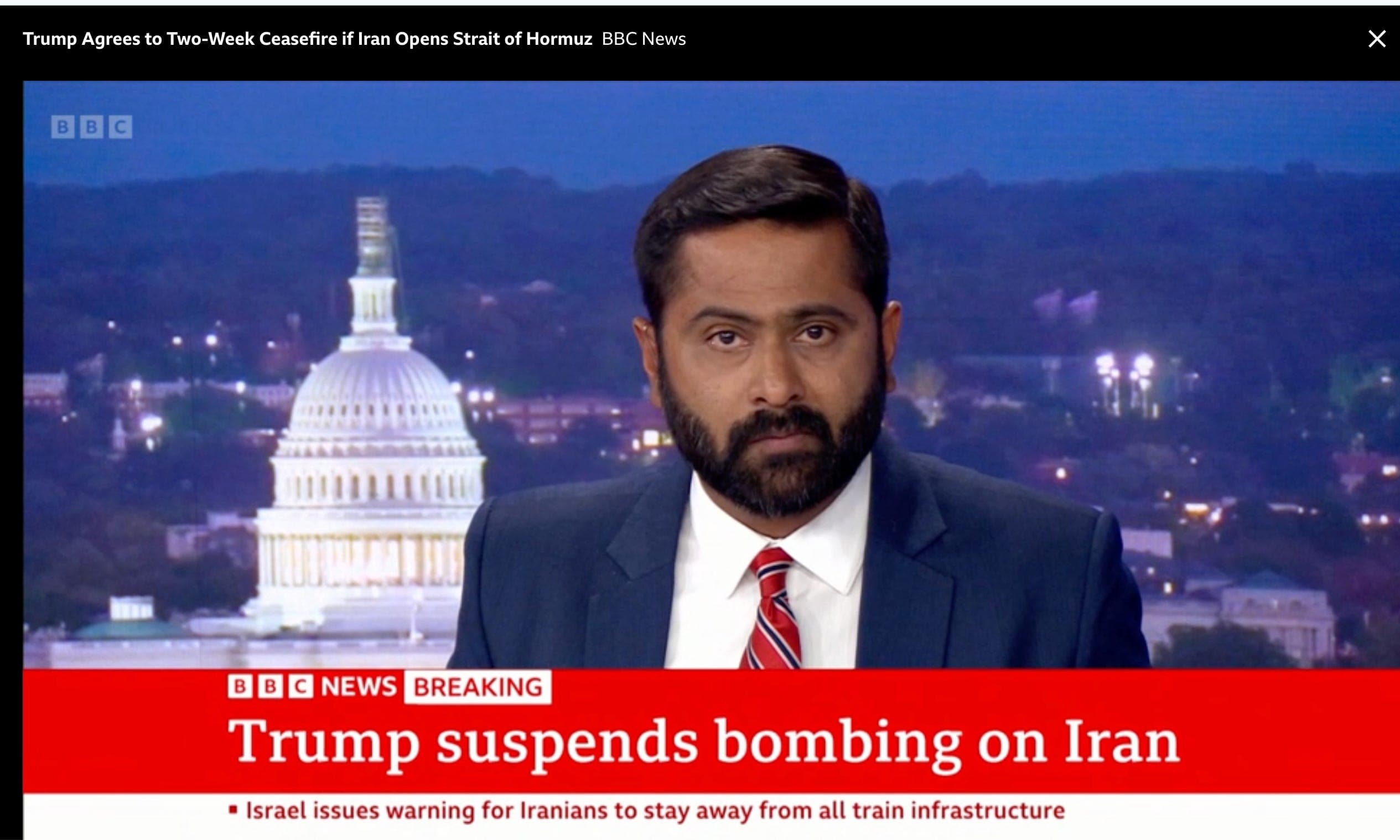
The Middle East's already volatile landscape has entered an alarming new phase, as direct, large-scale missile exchanges between Iran and Israel have intensified dramatically. This escalation transcends proxy skirmishes, involving sophisticated missile strikes, retaliatory air campaigns, and mounting threats to strategic infrastructure across multiple fronts. The current situation not only threatens regional stability but also poses severe risks to global energy markets, humanitarian efforts, and diplomatic endeavors aimed at de-escalation.
## Major Developments in the Iran-Israel Confrontation
### **Intensified Missile and Drone Attacks**
In a significant escalation, Iran has launched extensive missile and drone assaults targeting key Israeli urban centers and military installations. Iran’s military has deployed its most advanced missile systems, including the **Qadr**, **Emad**, and **Kheibar** missiles, which have struck cities such as **Tel Aviv** and **Haifa**. These strikes have resulted in substantial destruction, fires, and casualties, signaling Iran’s intent to demonstrate its military capabilities and resist what it perceives as Israeli aggression.
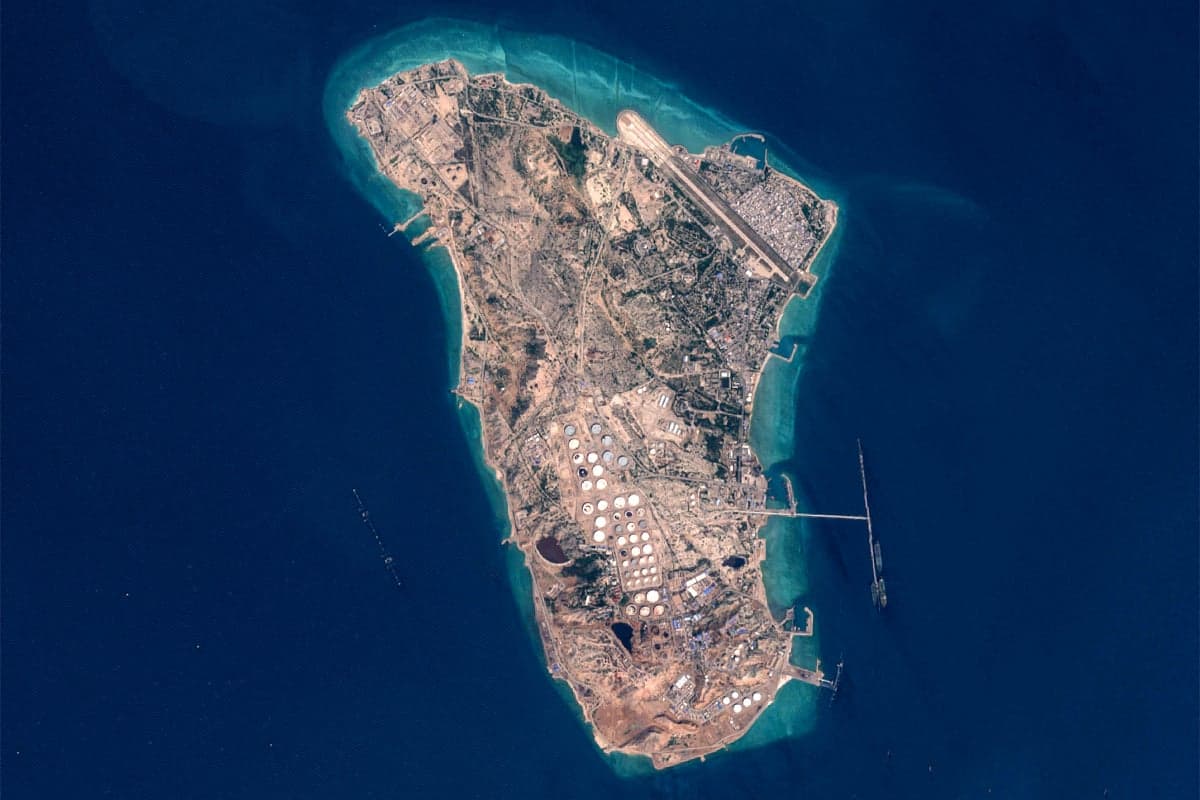
Israel, supported by the United States, has responded with targeted airstrikes aimed at Iranian military bases, nuclear sites, and critical infrastructure within Iran, including **Tehran**, **Isfahan**, and vital oil export facilities like **Kharg Island**. Notably, recent strikes on **Kharg Island**—Iran’s key oil export terminal—have inflicted significant damage, raising fears of prolonged disruptions to Iran’s oil supply chain.
### **Expansion of the Conflict to Multiple Fronts**
Iran-backed proxy forces have activated across the Middle East, turning the conflict into a multi-front war:
- **Lebanon (Hezbollah)**: Hezbollah has increased rocket attacks into northern Israel, employing more sophisticated missiles. Israeli military officials warn that if these attacks persist or escalate, they may launch major ground operations.
- **Syria**: Iranian-backed militias and Syrian forces have intensified assaults on Israeli positions along the Golan Heights and across the border.
- **Yemen and Iraq**: Iranian proxies in these regions have also ramped up activity, further destabilizing the broader Middle East.
**In total, Israel now faces threats from five main fronts**, including Lebanon, Syria, Gaza, Iran itself, and potentially Iraq—underscoring Iran’s strategic effort to expand its influence and military reach.
### **Recent and Noteworthy Developments**
- **Over 15,000 targets inside Iran have reportedly been struck**, including military bases, missile depots, and oil facilities. Satellite footage confirms substantial damage to Iran’s strategic infrastructure.
- **U.S. and Israeli forces have targeted Kharg Island**, a critical hub for Iran’s oil exports, with satellite images revealing extensive damage, exacerbating concerns about Iran’s economic resilience and regional stability.
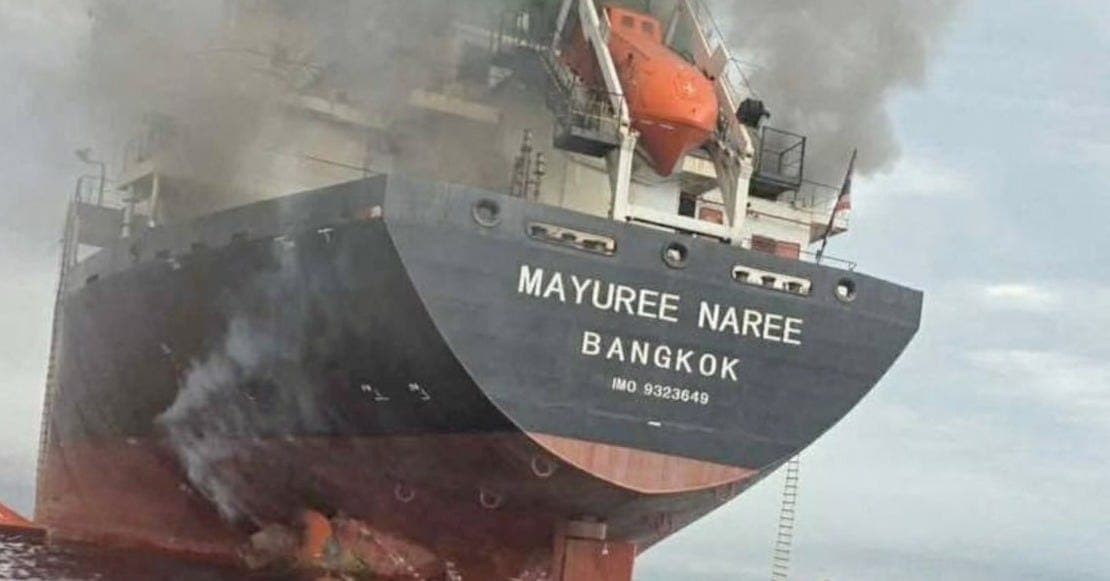
- Iranian officials have explicitly threatened to **attack ports and shipping lanes in the Persian Gulf**, heightening fears of widespread economic repercussions and regional insecurity.
### **New Fronts and the War of Endurance**
Adding to the complexity, recent reports highlight Iran’s evolving strategy:
- **Iran aims to outlast U.S. and Israeli military capabilities**, engaging in a war of endurance, as analyzed by experts like **Ali Vaez**. This approach involves sustained missile attacks, cyber operations, and attempts to degrade Israel’s missile defenses over time.
- **Iran’s military claims to possess capabilities capable of breaching advanced missile defense systems**. Recent videos and analyses, such as “Iran FINISHES Israel's Missile Interceptors,” demonstrate Iran’s efforts to overcome Israel’s missile shield, including claims of successfully neutralizing Israeli interceptors.
- **Hypersonic missile threats** have become a significant concern. Reports indicate Iran has launched hypersonic missiles that have reportedly damaged U.S. and allied missile defense systems, including **THAAD** batteries and the **MQ-9 Reaper** drones at strategic bases like **Al-Dhafra** and **Isa Air Base**. Videos titled “IRAN ESCALATES WAR: Hypersonic Missiles Blow THAAD, MQ-9 Reaper at Al-Dhafra & Isa Air Base” reveal the scope of Iran’s advanced missile capabilities and the heightened risk they pose to regional and global security.
## Strategic and Diplomatic Implications
### **Rising Casualties and Infrastructure Devastation**
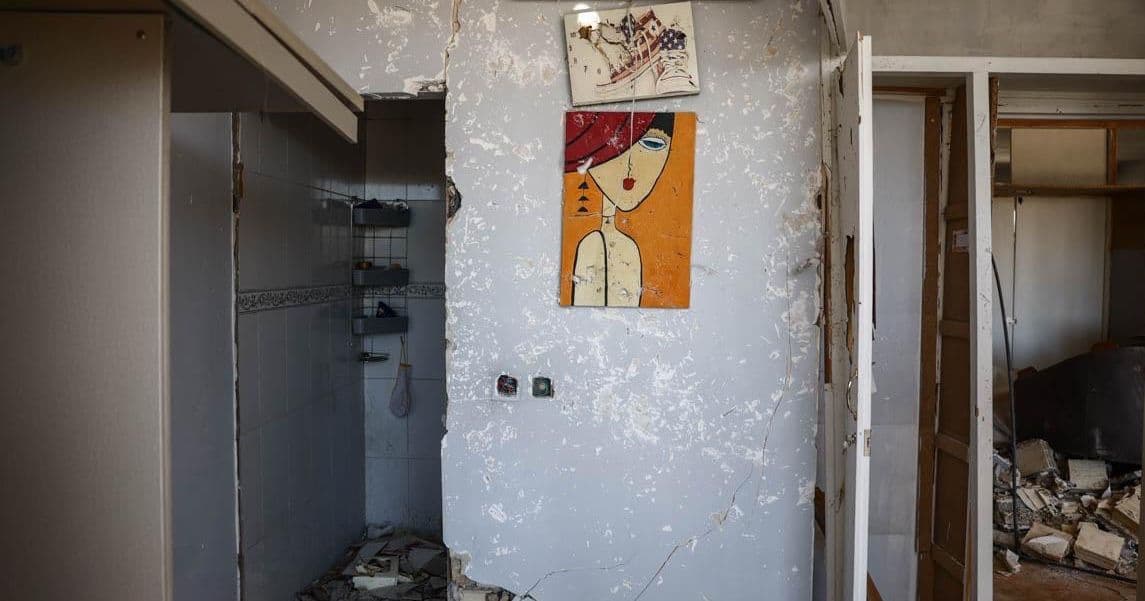
- **Israeli casualties**: Civilian injuries and fatalities are mounting, with reports of dozens wounded and multiple deaths. Critical infrastructure—power grids, transportation, and communication networks—has suffered extensive damage, hampering rescue and recovery efforts.
- **Iranian damages**: While official reports suggest limited damage, independent sources confirm that over **15,000 targets** inside Iran—including military bases, missile depots, and oil facilities—have been hit, with satellite images showing significant infrastructure destruction.
### **Iran’s Explicit Threats and Regional Warnings**
Iran’s leadership has issued stern warnings, explicitly threatening to **target Gulf ports and shipping lanes** if Israel or the U.S. continue strikes. Such threats threaten to escalate the conflict into broader economic disruptions, risking a collapse in regional stability and energy supplies.
### **Global Reactions and Diplomatic Efforts**
The international community remains vocal in calling for restraint, but both Iran and Israel demonstrate unwavering military resolve. Israeli Prime Minister **Benjamin Netanyahu** reaffirmed Israel’s commitment to defend its sovereignty:
> “We will not tolerate attacks on our civilians or sovereignty. Israel will act decisively and relentlessly to protect its people from Iranian aggression. We are prepared for the long haul.”
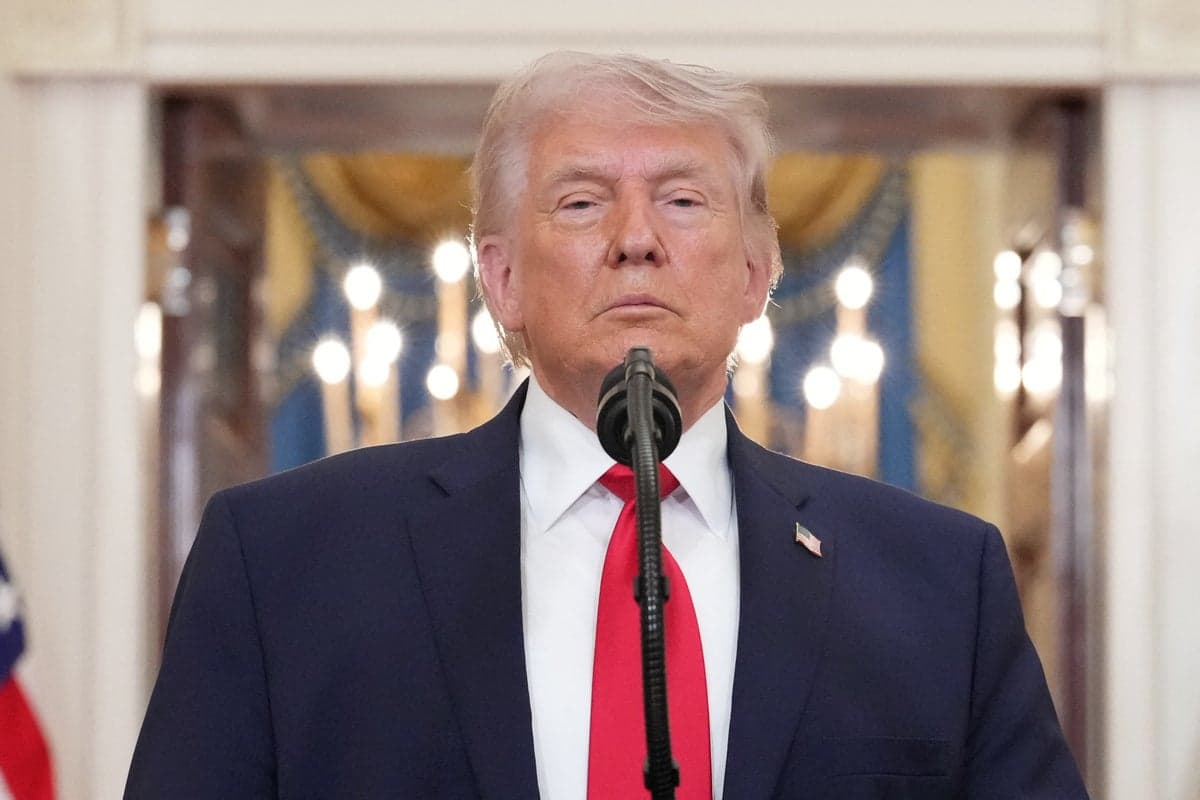
U.S. officials have warned Iran that further strikes could lead to **greater American military involvement**. Some sources suggest the U.S. is prepared to expand its support if the conflict deepens, including potential direct military aid or increased regional presence.
### **Military Analysts’ Perspectives**
Experts like **Col. Tej Tikoo** warn that the conflict is entering a **high-intensity phase**, with dangerous scenarios including:
- The **widening of hostilities into a regional war** involving Lebanon, Syria, and Iran’s proxies.
- Elevated **nuclear escalation risks**, given Iran’s ongoing nuclear pursuits and potential cooperation with Russia.
- **Persistent humanitarian crises**, especially in Gaza and southern Israel, where ongoing violence disrupts aid delivery and worsens civilian suffering.
## Current Status and Future Outlook
The situation remains **extremely volatile**:
- Multiple active fronts threaten to spiral out of control.
- Oil markets are experiencing sharp surges amid attacks on strategic infrastructure, with fears of prolonged instability.
- The risk of broader regional war persists if Hezbollah, Iran, or other proxies escalate further or if external powers deepen their involvement.
### **Implications for Regional and Global Stability**
This escalation marks a **dangerous turning point**. Both Iran and Israel are demonstrating their military capabilities, while external powers like the U.S. support their allies. The potential for a **prolonged regional conflict** is growing, with devastating consequences for civilians and economies alike.
**Diplomatic efforts** to contain the violence continue but face significant challenges. The international community must act swiftly to prevent further deterioration, as the risk of a wider conflagration becomes more imminent.
## **Conclusion**
The current wave of missile exchanges, strategic strikes, and proxy activations underscores the fragile state of Middle Eastern security. Iran’s demonstrated ability to deploy hypersonic missiles and threaten regional infrastructure, combined with Israel’s resilience and retaliation, creates a perilous environment. The escalation not only jeopardizes regional stability but also threatens global energy supplies and humanitarian access.
As the conflict persists, the world watches anxiously. The urgent need for diplomatic intervention has never been greater, with the hope that de-escalation can still be achieved before the situation spirals into a full-scale regional war with catastrophic consequences.