# Scaling Solid-State Batteries from Lab Pilots to Gigafactory Production in 2026: A Landmark Year of Transformation
The energy storage landscape is experiencing a seismic transformation in 2026, as **solid-state batteries (SSBs)**—once confined to laboratory prototypes and small-scale R&D—rapidly advance toward **massive, gigafactory-scale manufacturing**. This pivotal year signifies a decisive shift driven by technological breakthroughs, strategic investments, and expanding application domains, promising safer, higher-capacity, and more reliable energy solutions across transportation, aerospace, grid storage, and industrial sectors.
## 1. A Year of Major Milestones and Infrastructure Development
### Gigafactory Construction and Scale-Up Initiatives
A defining hallmark of 2026 is the emergence of **gigafactory projects** that move solid-state batteries from concept to reality:
- **ProLogium’s new gigafactory in France** is now under construction, with plans to commence high-volume production of **solid-state cells** for automotive, electronics, and grid markets. This facility exemplifies the industry’s commitment to scaling beyond pilot lines, addressing past bottlenecks related to supply consistency and quality control at high throughput.
- **QuantumScape**, a pioneer in the field, has made significant strides in 2025 and continues its scale-up efforts, preparing for full commercialization. Their process advancements and process optimization efforts are aligned with the industry-wide push toward **gigafactory deployment**.
### Strategic Investments and National Support
Governments and private investors are fueling this transition:
- Many regions are providing **funding, regulatory support, and industrial collaborations** aimed at reducing manufacturing costs, streamlining certification, and fostering innovation.
- Patent activity remains vigorous, with **CATL** and other industry giants actively filing patents on **solid-state architectures and electrolyte chemistries**, signaling a race to establish technological dominance.
## 2. Breakthrough Products and Commercialization Targets
### High-Capacity Cells and Automotive Applications
Industry leaders are pushing the envelope on **cell capacity and scalability**:
- **Dreame**, the Chinese innovator, announced the development of a **60 Ah solid-state cell**, a substantial leap toward **large-format, high-energy-density batteries** suitable for electric vehicles and aerospace. Their target is to **begin mass production by 2027**, signaling a clear trajectory towards integrating SSBs into mainstream EV platforms.
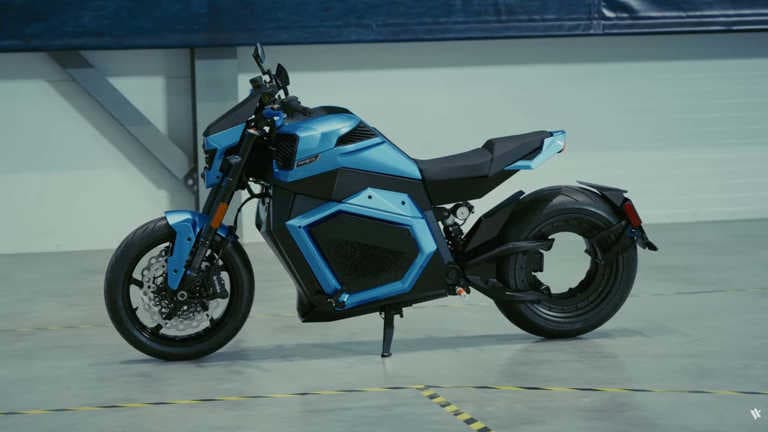
- **Dreame’s upcoming electric SUV**, unveiled this year, is touted as the **first premium EV** to incorporate **mass solid-state batteries** with **hypercar-like acceleration capabilities**, demonstrating the potential for SSBs to redefine high-performance electric mobility.
### Validation, Customer Qualification, and Pilot Lines
- **ION Storage Systems** achieved a historic milestone as the **first US-based manufacturer** to qualify its **Cornerstone™ solid-state cells** through rigorous **customer qualification** processes. These tests under real-world conditions demonstrate **strict safety, longevity, and performance standards**, paving the way for large-scale automotive and grid applications.
- Manufacturers like **Hana Technology** and **Boyee** are deploying **pilot and validation manufacturing lines**, focusing on critical components such as **solid electrolytes, silicon-carbon (Si-C) anodes**, and **single-walled carbon nanotubes (SWCNTs)**. These innovations are essential for **performance consistency, safety, and manufacturability** at scale.
## 3. Materials Science and Manufacturing Enablers
### Advances in Electrolyte Chemistry
Research in **materials science** is accelerating:
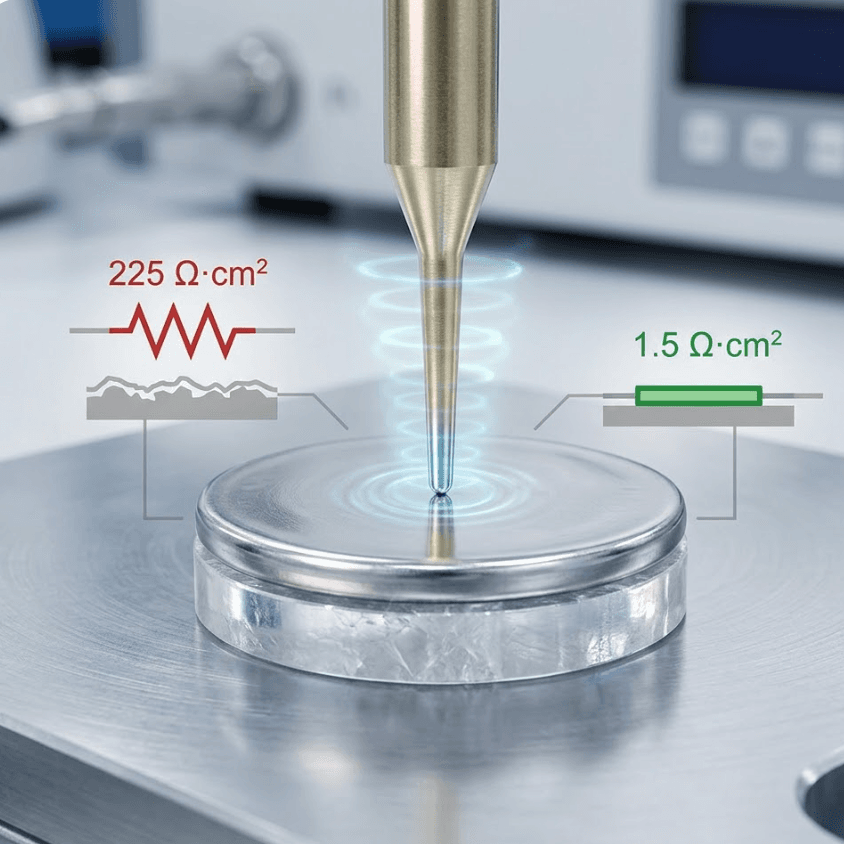
- **Sulfide-based solid electrolytes** developed by **Qkera** are gaining traction, offering **superior ionic conductivity** and **scalability**.
- **Covalent Organic Frameworks (COFs)** and **engineered polymer electrolytes** are emerging as promising candidates to address **interfacial stability** and **thermal management** challenges.
- **Multiscale synthesis and process understanding** have led to **improved electrolyte stability and manufacturability**, vital for high-volume production.
### Process Innovations: Laser Processing and Assembly
- **Fraunhofer ILT** has pioneered **laser welding and patterning techniques**, enabling **high-precision, high-throughput fabrication** of cells. These innovations significantly **reduce defects**, improve ** electrolyte integration**, and **streamline cell sealing**, all critical for **cost-effective mass manufacturing**.
- **Scalable assembly techniques**, integrating **automated stacking, electrolyte deposition, and sealing**, are being refined to meet the demands of **gigafactory output**.
## 4. Validation, Safety, and Industry Confidence
### Demonstrations of Safety and Durability
- A viral video showcasing a **nail-through test** on solid-state cells—**“No Fire. No Explosion”**—demonstrates **superior safety profiles** compared to traditional lithium-ion batteries. Such vivid safety demonstrations are crucial in alleviating **public and regulatory concerns**.
- **Donut Lab**, a respected research entity, released a revealing video titled **"STOP! 2 Big Problems We Almost Missed,"** pointing out ongoing **durability** and **thermal stability** challenges. These issues remain focal points in **extended qualification processes**, especially for automotive-grade batteries.
### Ongoing Qualification and Industry Readiness
- Extended **qualification cycles** are underway, emphasizing **long-term durability, thermal stability, and manufacturing consistency**. While progress is promising, **full automotive certification** continues to require **time and rigorous testing**.
- **Grid storage, aerospace, and defense sectors** are early adopters, leveraging **SSB’s inherent safety and high performance** despite ongoing qualification hurdles in automotive markets.
## 5. The Broader Sector Outlook and Strategic Dynamics
### Technological Race and Patent Landscape
- The **patent landscape** is intensely competitive, with companies like **CATL** actively filing patents on **solid-state architectures, electrolyte chemistries, and manufacturing methods**—indicating a strategic move to secure proprietary control and influence standards.
### Policy and Industry Initiatives
- Governments, notably in **China, Europe, and the U.S.**, are supporting **funded projects and regulatory frameworks** aimed at **reducing costs, improving electrolyte stability**, and **accelerating certification**.
- **Sulfide and oxide electrolytes** are moving into the “deep water zone” of commercialization, reflecting efforts to **reach cost-effective, large-scale production**.
## 6. Remaining Challenges and Sector-Specific Adoption
While **automotive deployment** faces **extended qualification timelines** due to **long-term durability, safety, and thermal management requirements**, other sectors are rapidly adopting SSBs:
- **Aerospace and defense** prioritize safety and performance, integrating SSBs for **high-reliability** applications.
- **Grid storage projects** are benefiting from **long cycle life** and **thermal stability**, with pilot deployments demonstrating commercial viability.
- **Robotics and industrial applications** are early adopters, where **performance and safety** are paramount.
### Key Barriers to Automotive Adoption
- **Qualification timelines** remain lengthy, constrained by **durability and thermal safety** standards.
- **Thermal management solutions** are critical to prevent overheating during high-rate charging/discharging.
- **Manufacturing consistency** at high volumes remains an ongoing focus to ensure **performance uniformity**.
## 7. Outlook: From Pilot to Mass Production by Early 2030s
Looking beyond 2026, the convergence of **technological innovations, validation successes, and policy support** suggests a **rapid scaling pathway**:
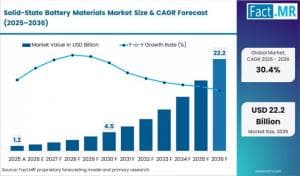
- **Gigafactory-scale solid-state battery production** could be fully operational **by the early 2030s**, revolutionizing sectors such as **electric transportation, aerospace, grid storage, and robotics**.
- The **patent landscape** and **industry investments** indicate that **certain architectures and chemistries** will dominate the market, shaping **standardization efforts**.
- **Cost reductions**, driven by **manufacturing advances and material innovations**, will make SSBs more accessible, enabling **widespread adoption**.
## **In Summary**
2026 is a watershed year for solid-state batteries. The industry is witnessing **gigafactory constructions**, **validation milestones**, and **technological breakthroughs** that accelerate the transition from R&D to **mass production**. While challenges such as **long-term durability** and **manufacturing consistency** remain, the overall momentum points toward **early 2030s** as the era when **solid-state batteries** become a **mainstream energy storage solution**—transforming mobility, grid stability, aerospace, and industrial sectors.
This year’s developments exemplify a **rapid, multi-faceted evolution**, bringing **safer, higher-capacity, and more reliable** energy storage closer to reality, heralding a new era of technological and industrial progress that will shape the energy landscape for decades to come.