**Indoor Gardening Renaissance: Advancements, Techniques, and Trends Transforming Small-Space Cultivation**
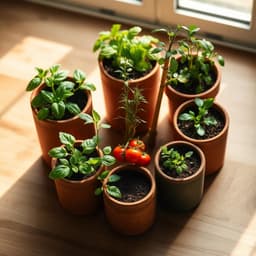
Indoor gardening continues to thrive as a dynamic and innovative movement, driven by technological breakthroughs, eco-friendly practices, and a growing desire for self-sufficiency within limited spaces. From vibrant forcing of bulbs to sophisticated hydroponic systems, enthusiasts now have an extensive arsenal of tools and techniques to cultivate herbs, vegetables, microgreens, and flowering bulbs indoors year-round. Recent developments underscore a shift toward sustainable, efficient, and aesthetically appealing solutions, making indoor cultivation more accessible and rewarding than ever before.
### Expanding Horizons: From Forcing Bulbs to Microgreens and Beyond
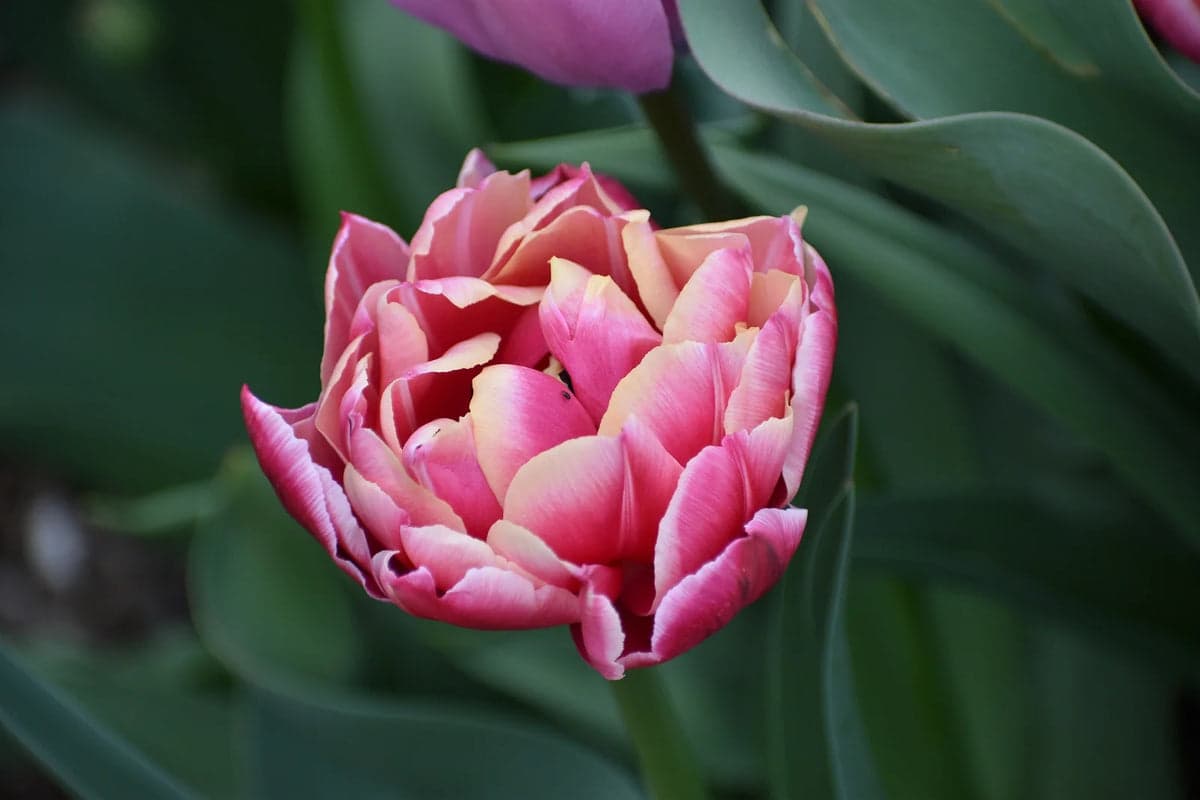
One of the most cheerful and visually uplifting indoor gardening activities is **forcing bulbs** like paperwhites, daffodils, or hyacinths. Traditionally, forcing involved planting bulbs in soil or water, with pointed tips facing upward, in bright, indirect light. These methods produce stunning blooms within a few weeks, instantly brightening winter interiors.
**Innovative water-only forcing techniques** have recently gained popularity, simplifying the process further. For example, a trending YouTube video titled *"7 Indoor Plants That Grow Beautifully in Just Water — No Soil, No Mess!"* highlights how certain bulbs and houseplants can thrive solely in water, eliminating soil mess and reducing maintenance. This approach is particularly suited for small apartments, classrooms, or offices, offering instant visual appeal with minimal effort.
**Microgreens** continue to surge in popularity due to their rapid growth—often just one to two weeks—and dense nutritional profiles. Recent innovations include **mini greenhouses** and **foil tray setups** that enable growers to start microgreens with minimal equipment, as demonstrated in tutorials like *"Start Seeds Indoors to Grow More Food & Save Money at Home."* These methods allow urban dwellers to cultivate nutrient-dense greens on kitchen counters or windowsills, making microgreens ideal for health-conscious consumers, busy families, and educational settings.
### Advanced Seed-Starting and Sustainable Practices
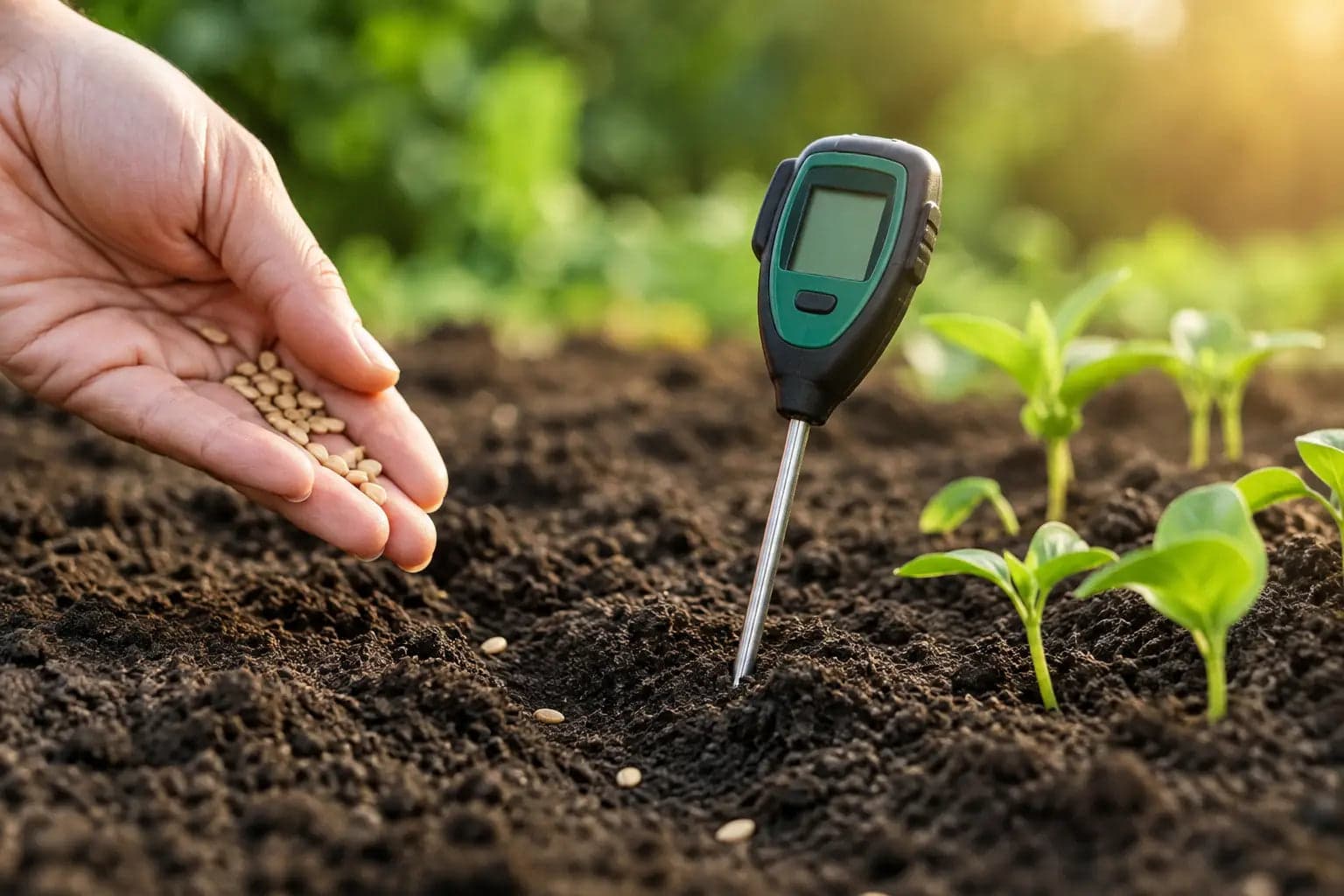
Starting vegetable seeds indoors remains foundational for a successful home garden. The latest trends emphasize **peat-free, sustainable seed-starting mixes**, replacing traditional peat moss with **coconut coir**, **recycled bark**, or other renewable materials that provide excellent drainage and are environmentally friendly. These mixes are often more affordable and effective, aligning with eco-conscious values.
Achieving consistent germination and healthy seedlings benefits from **DIY mini greenhouses**, which can be crafted from repurposed plastic containers or foil trays that trap humidity and heat. Such setups create ideal environments for delicate plants like tomatoes and peppers, reducing reliance on expensive equipment.
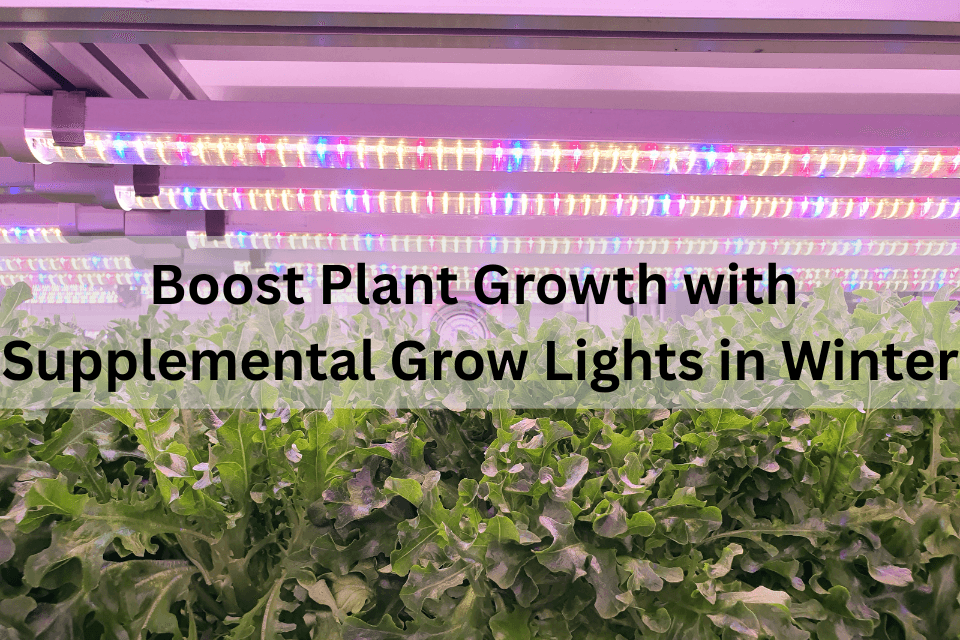
**Grow lights** have seen significant advancement, especially **full-spectrum LED systems** that are energy-efficient, budget-friendly, and capable of being positioned closer to plants to prevent legginess and foster compact, vigorous growth—even during winter months with limited natural light. When combined with **self-watering containers**, which regulate moisture and reduce overwatering, indoor seed-starting becomes more manageable for novices and busy gardeners alike.
### Water and Soilless Propagation: Broadening Possibilities
**Water propagation** remains a favorite for herbs and houseplants, offering a low-cost, low-maintenance method that provides immediate visual feedback. Herbs like basil, mint, parsley, and small flowering plants thrive in jars filled with water, making this an accessible entry point for beginners.
**Hydroponic systems**, including **cloning jars** and **nutrient-rich water baths**, are increasingly popular for growing herbs and small vegetables indoors. These soilless setups eliminate pests, reduce mess, and allow precise control over nutrient delivery, resulting in **faster growth** and **higher yields**—ideal for maximizing limited space.
### Smart Systems and Eco-Friendly Innovations
The rise of **smart indoor garden systems**—such as **AeroGarden**, **Click & Grow**, and **Rise Gardens**—has revolutionized small-space cultivation. These modular units feature **automated watering**, **LED lighting**, and **climate controls**, enabling **year-round harvests** with minimal effort. Recent models incorporate **app-based monitoring**, providing real-time updates on moisture levels, nutrient status, and light schedules, making indoor gardening accessible even for those with busy lifestyles or limited gardening experience.
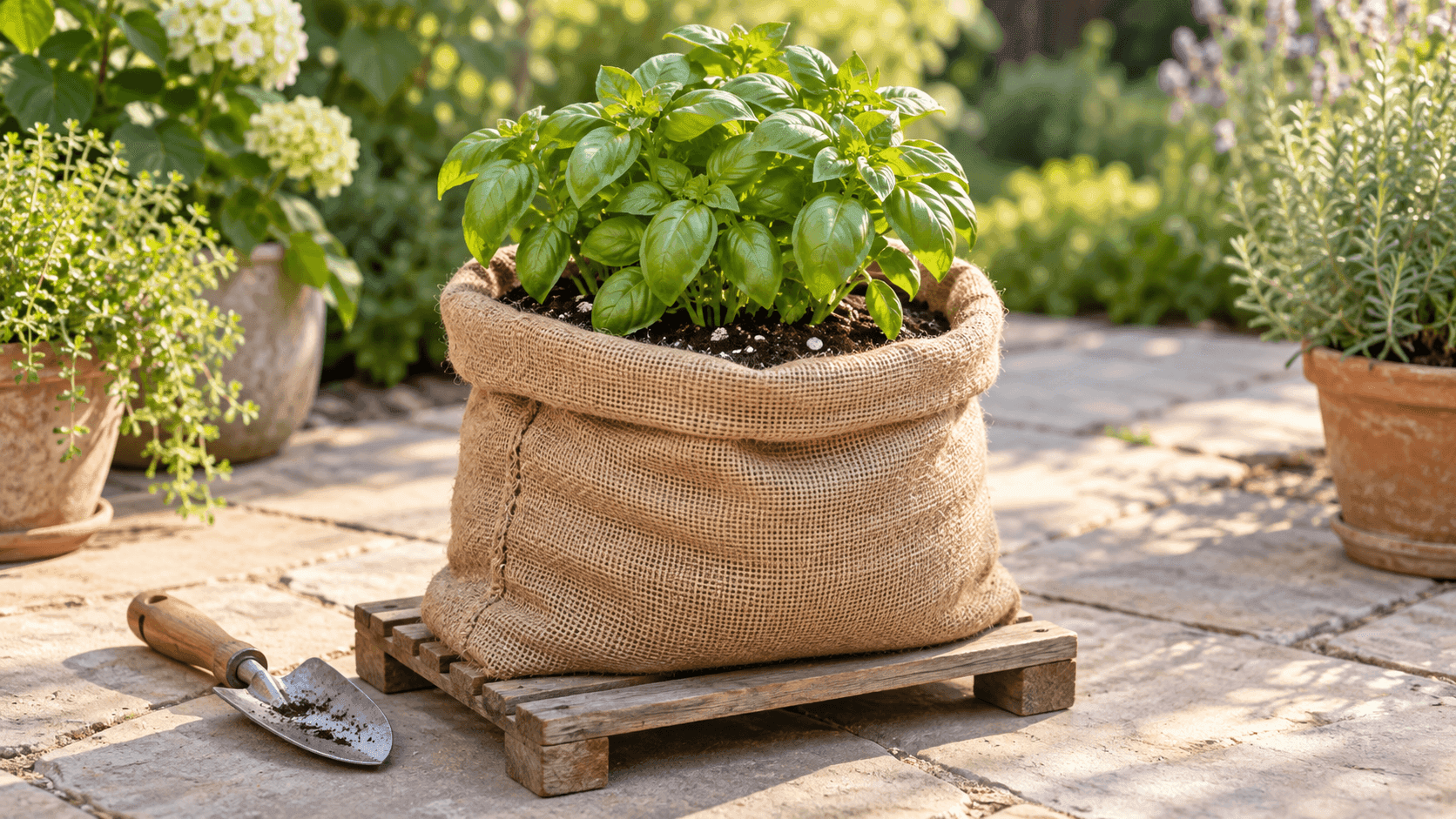
Sustainability remains a central theme. **Peat-free growing media** are now standard, reducing environmental impact. Many growers are **upcycling household waste** into planters or compost bins, supporting eco-conscious cultivation. Techniques like **rainwater harvesting** and **indoor composting** further promote sustainability, transforming indoor gardens into ecosystems that are productive and environmentally restorative.
### Troubleshooting and Aesthetic Integration
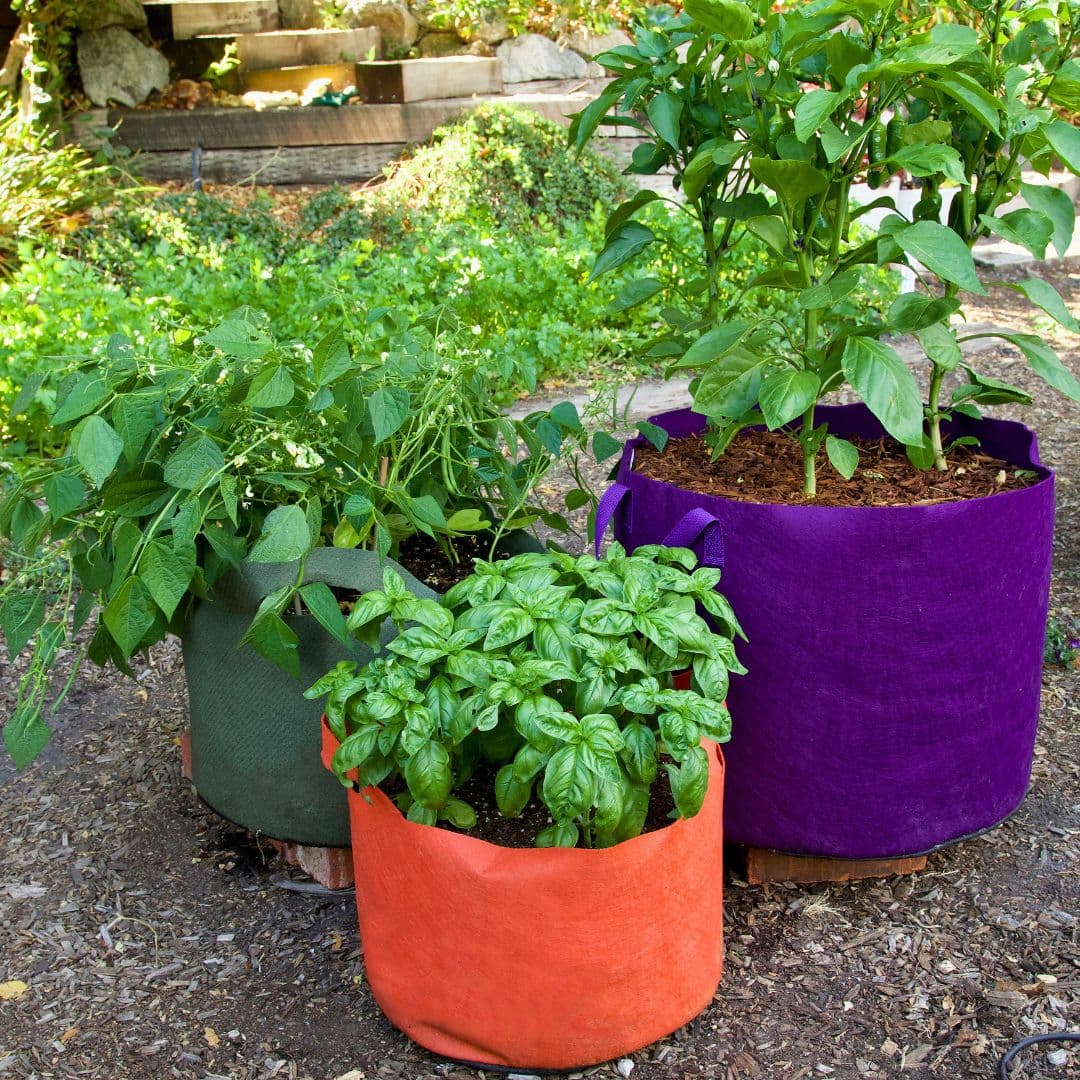
Indoor gardeners often face challenges such as **overwatering**, **insufficient light**, or **pest infestations**. Solutions include **self-watering containers** that maintain consistent soil moisture, **full-spectrum LED grow lights** or repositioning plants closer to windows to improve light access, and **support structures** for larger plants like dwarf tomatoes or peppers.
Growing larger edibles indoors—such as **dwarf fruiting varieties**, **citrus trees**, or **small fruiting bushes** like blackberries or tangerines—is increasingly feasible with proper environmental controls, adequate lighting, and supportive structures. These crops can produce fruit year-round if humidity, humidity, and temperature are carefully managed.
### Design, Aesthetics, and Future Trends
Design plays a vital role in integrating indoor gardens into living spaces. Stylish containers—ranging from geometric planters to reclaimed materials—add visual interest, while **layered arrangements** with diverse textures and colors create vibrant displays that merge beauty with functionality.
Looking ahead, the future of indoor gardening is poised to incorporate **integrated smart technology**, **sustainable materials**, and **innovative design principles**. Advances in **climate regulation** and **app-controlled systems** are transforming indoor spaces into **regenerative ecosystems**. This evolution aligns with a broader cultural shift toward **urban resilience**, where growing food and cultivating greenery indoors become lifestyle choices that promote ecological harmony and personal well-being.
### Current Status and Implications
Today, indoor gardening is more accessible and versatile than ever. Whether cultivating **microgreens**, **herbs**, **larger vegetables**, or **flowering bulbs**, enthusiasts can enjoy **space-efficient, year-round harvests** that support health, sustainability, and aesthetic appeal.
Recent practical guides—such as *"How to Grow Turmeric in Pots at Home"* and *"15 of the Best Veggies That Grow Well in Pots"*—offer step-by-step instructions for beginners, enabling more people to expand their small-space edible production. For instance, growing **turmeric indoors** involves selecting the right container, providing warmth and indirect light, and patience for rhizome development, making it accessible for those seeking to diversify their home-grown foods.
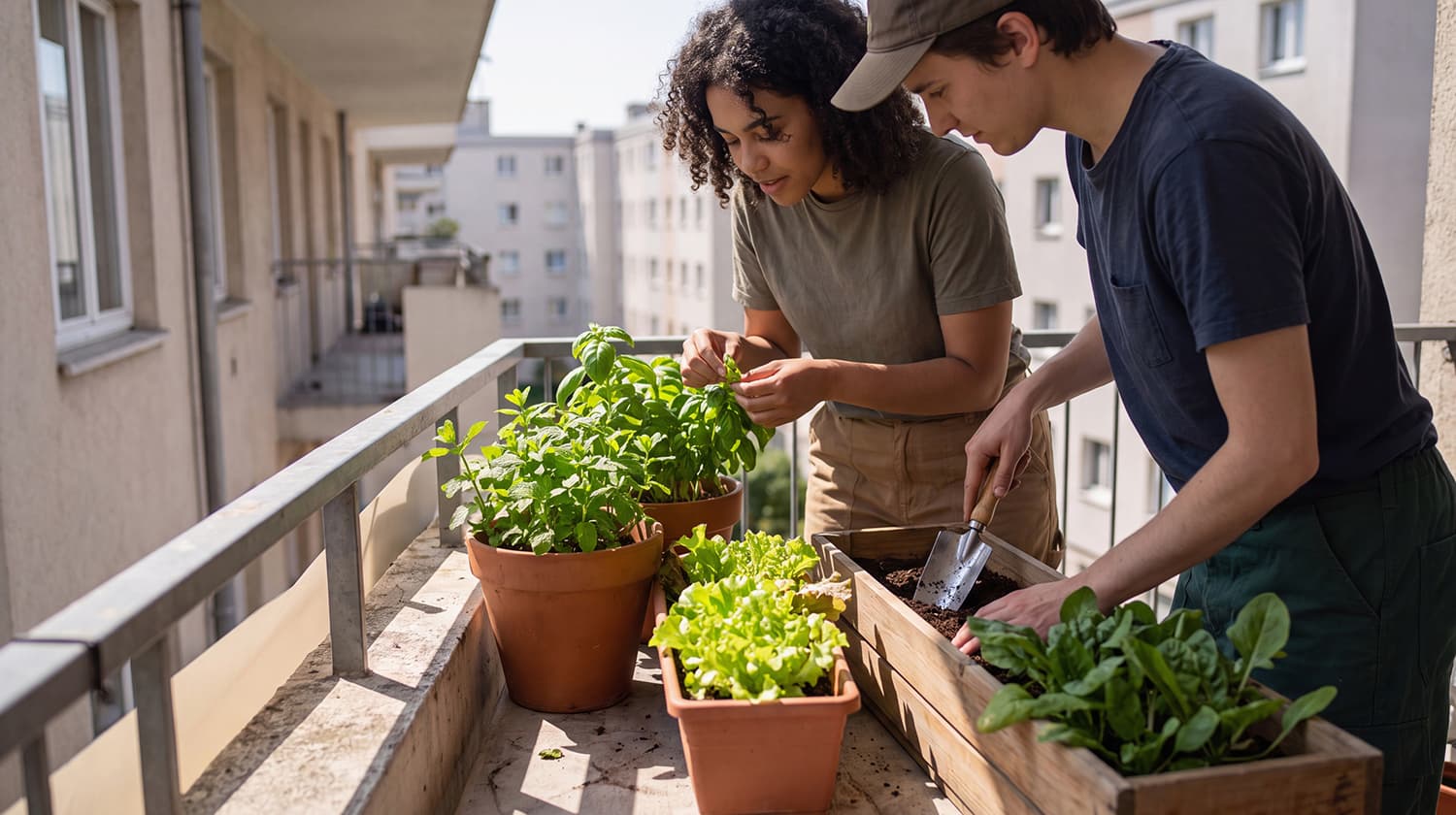
The integration of **smart systems**, **eco-friendly practices**, and **design innovations** signals a promising future where indoor gardens are not merely hobbies but essential components of resilient, sustainable urban living. As research continues and technology advances, indoor gardens will become more productive, sustainable, and seamlessly integrated into daily life, fostering a deeper connection to nature even within city apartments.
**In conclusion**, the rapid evolution of indoor gardening—bolstered by innovative techniques, sustainable materials, and smart automation—has transformed small spaces into lush, productive ecosystems. This movement not only enhances personal health and food security but also contributes to broader environmental goals, making indoor gardening an integral part of the modern, eco-conscious lifestyle.