The next few years mark a pivotal period in the evolution of the global electric vehicle (EV) industry, characterized by ambitious launch schedules from both established automakers and innovative newcomers. As of 2026–2027, the landscape is set to become increasingly diverse, competitive, and technologically advanced, with a strategic focus on platform development, range extension, and feature differentiation to capture both mass-market and premium segments.
### Key 2025–2027 EV Launches from Industry Leaders
**Tesla**, **NIO**, **Toyota**, **BMW**, **Jeep/Stellantis**, **Renault**, **Lucid**, and other automakers are unveiling a multitude of new models aimed at expanding EV adoption across various consumer segments:
- **Tesla** is expected to introduce the **Model 2** in 2026, a compact, affordable EV projected to retail between **$20,000 and $25,000**. This vehicle aims to democratize EV access, leveraging advanced gigacasting techniques and robots to reduce manufacturing costs. Notably, Tesla is also exploring groundbreaking battery technologies like **aluminum-ion** and **solid-state** systems, promising **5,000+ charge cycles** and **80–90% usable capacity** at a cost of **$350–$500 per kWh**.
- **NIO** has launched the **2026 NIO model**, emphasizing a **luxury-oriented** design with high-range capabilities and cutting-edge tech features, positioning itself as a major player in premium EV markets.
- **Toyota** has entered the budget-friendly EV segment with a new model priced around **$17,999**, expected to challenge perceptions that EVs are only for premium buyers. Their strategy includes leveraging reliable manufacturing and cost-effective battery tech.
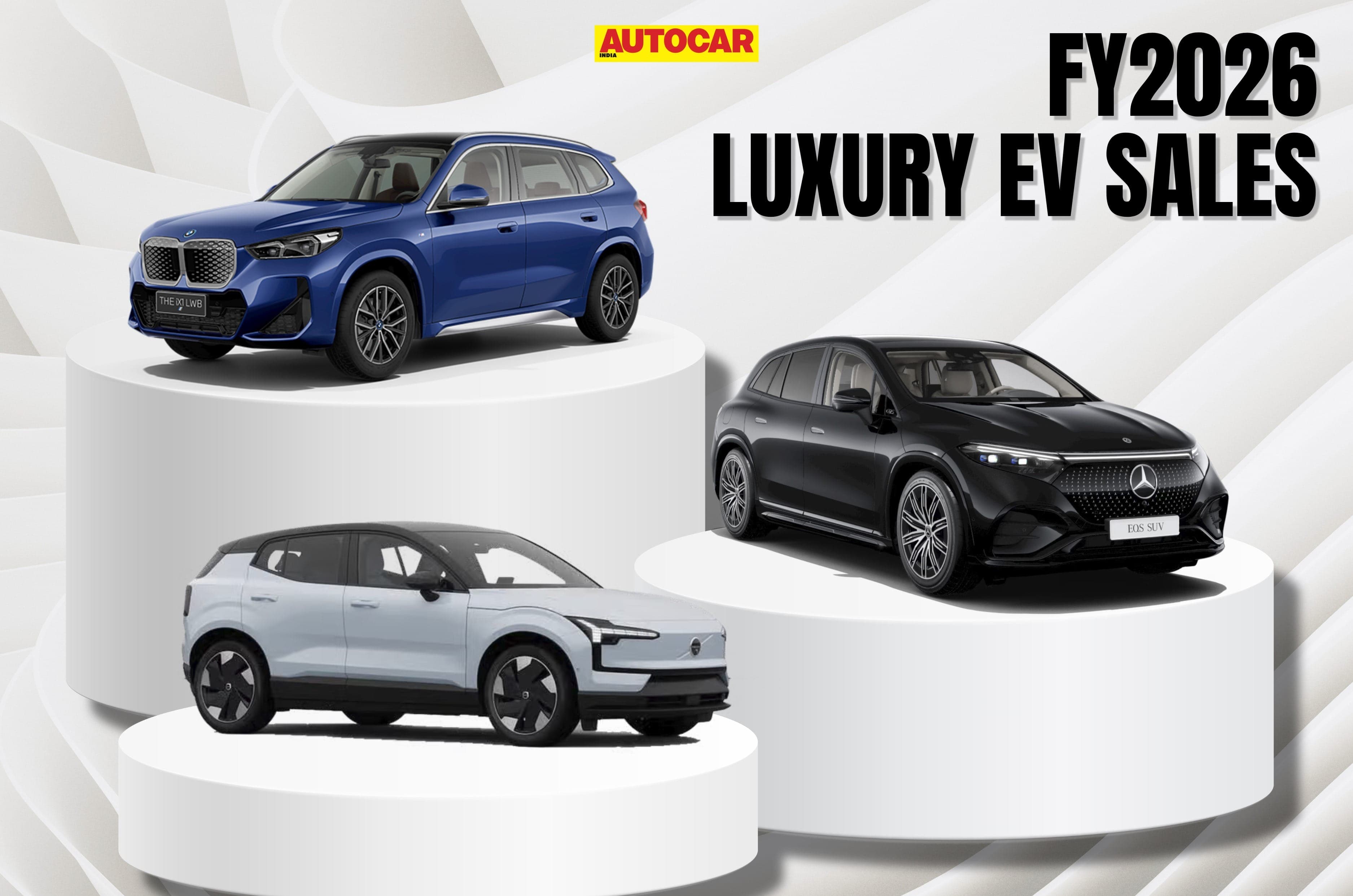
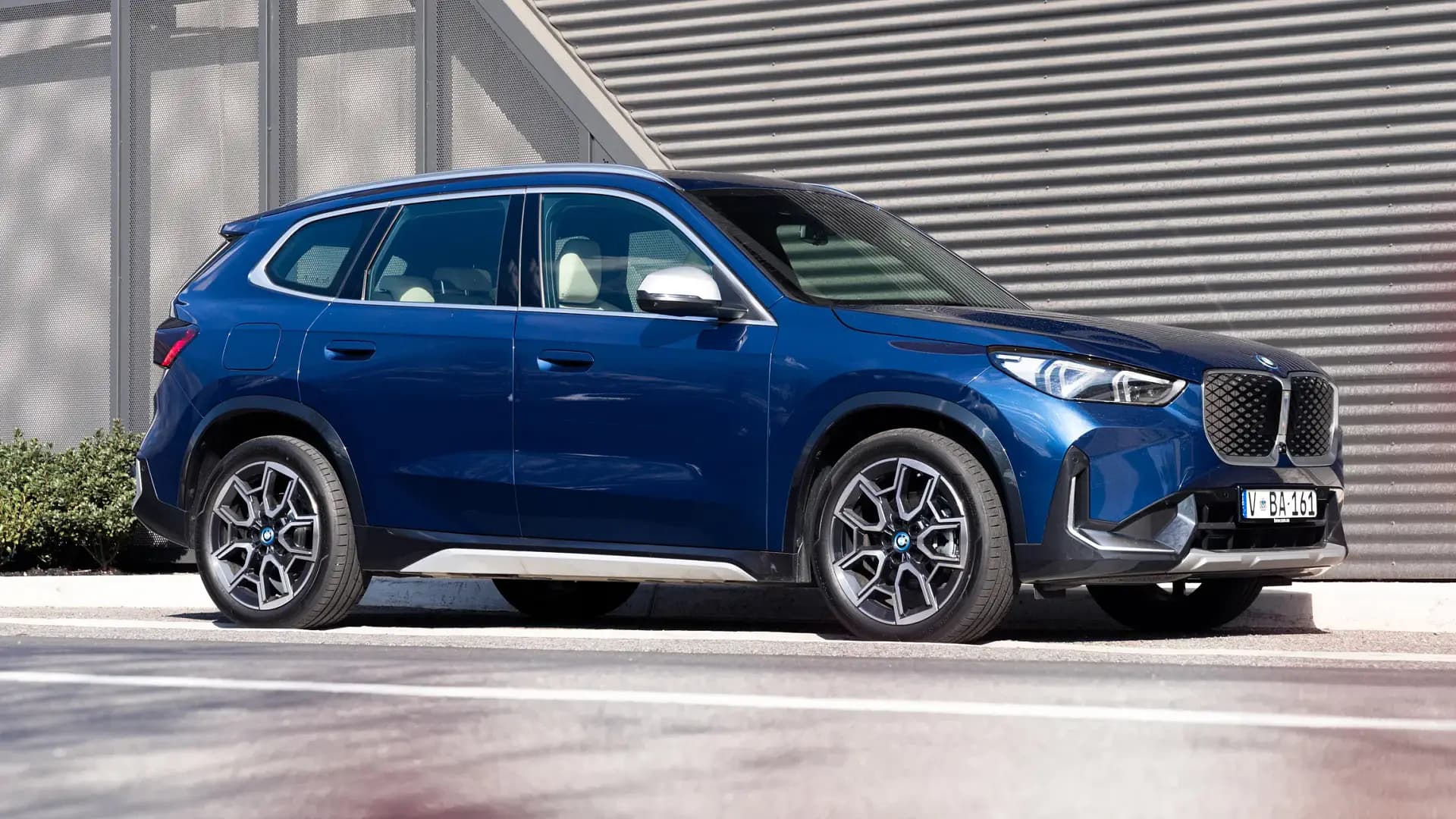
- **BMW** plans to release the **iX3** with a projected **500-mile range**, significantly alleviating range anxiety and appealing to high-end consumers seeking long-distance EVs.
- **Jeep/Stellantis** is integrating hybrid and extended-range technologies from suppliers like **Toyota-backed Blue Nexus** and **Bosch**, aiming to bolster their lineup with versatile, rugged EVs and hybrids, fitting the tradition of off-road and SUV enthusiasts.
- **Lucid** continues to innovate with the **Gravity SUV** and advanced battery systems, expanding their footprint in the luxury EV market.
- **Emerging models** such as the **Rivian R2** aim to offer versatile, high-quality compact EVs at around **$58,000**, featuring impressive ranges and performance, further intensifying competition.
### Platform, Range, and Feature Strategies
The crowded EV segments are being shaped by **innovative platform architectures**, **battery breakthroughs**, and **feature-rich designs**:
- **Platform Strategies**:
- Automakers are adopting **flexible, scalable platforms** such as Ford’s **Universal EV Platform**, which supports multiple models with shared components, reducing costs and speeding up development.
- **Gigacasting** techniques—large structural castings—are increasingly employed to streamline manufacturing and improve structural integrity, exemplified by Tesla’s gigacasting approach for Model Y and upcoming models.
- **Battery Technology**:
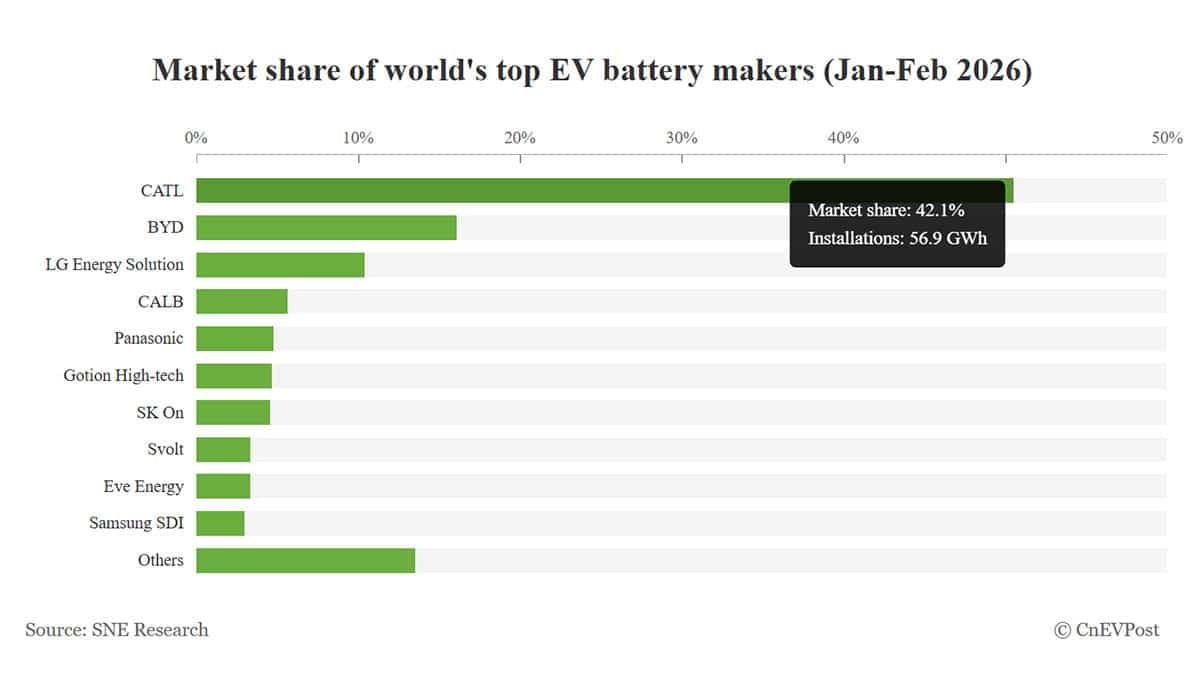
- **Chinese firms** like **BYD** and **CATL** are leading the charge with **silicon anode** and **blade batteries**, offering **higher energy densities**, **faster charging**, and enhanced safety.
- Notably, **BYD**’s **Seal 07** boasts a **range of approximately 710 km (~441 miles)** and accelerates from 0-100 km/h in **3.8 seconds**.
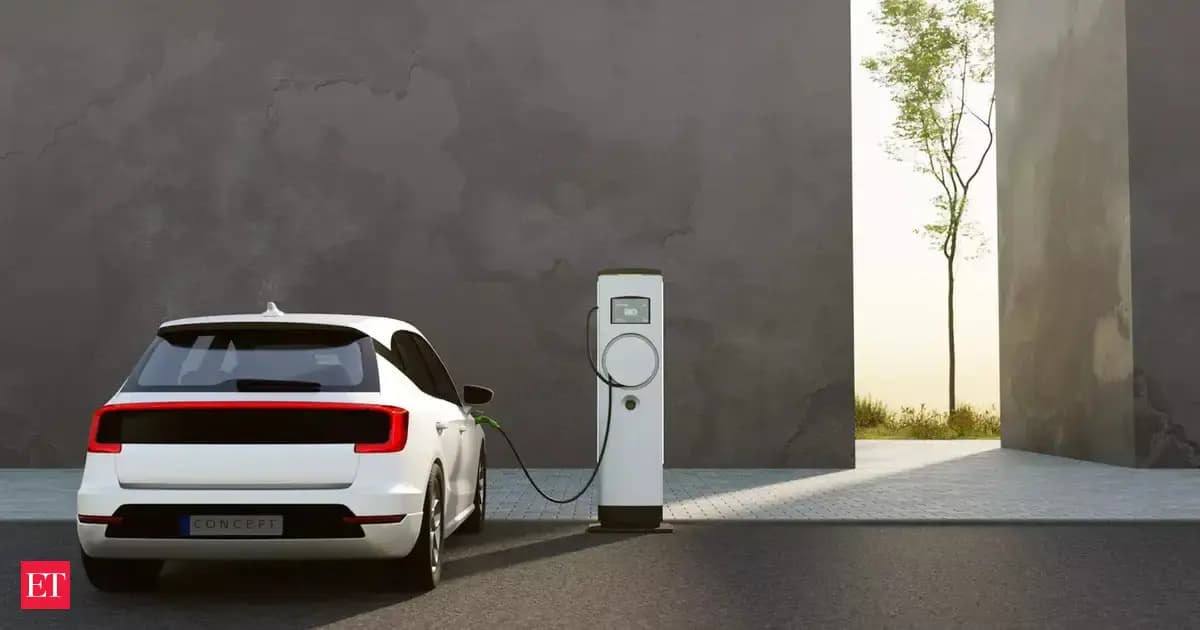
- The industry is also pushing toward **ultra-fast charging capabilities**—1000 kW chargers are being tested, promising **full recharges in under 5 minutes**—a revolutionary step toward making EVs as convenient as traditional refueling.
- **Feature Differentiation**:
- Advanced **driver-assistance systems**, **AI-driven interfaces**, and **autonomous capabilities** are increasingly incorporated into new models to appeal to tech-savvy consumers.
- Premium models like BMW’s iX3 and Jaguar’s future EVs emphasize **luxury, comfort, and cutting-edge tech**, with ranges designed to meet or exceed **500 miles**.
### Industry Challenges and Strategic Responses
Despite technological advancements, several headwinds persist:
- **Raw Material Constraints**:
- The surge in EV production has heightened demand for **lithium, cobalt, nickel**, prompting investments in **sustainable mining** and **recycling initiatives**. Companies like **CATL** are actively diversifying supply sources to ensure stable raw material flow.
- **Component Shortages**:
- Persistent **chip shortages** continue to impact EV manufacturing, forcing some automakers to delay or scale back model releases.
- **Market Corrections**:
- The rapid proliferation of EV models has led to **market corrections**, with several models discontinued in 2026—highlighting a period of strategic reassessment. For instance, industry reports indicate that **every EV model discontinued in the U.S. so far in 2026**, signaling consolidation among automakers.
- **Financial Impacts**:
- Traditional automakers face significant **market bubble adjustments**, with estimates of a **$50 billion hit** amid overcapacity and shifting consumer preferences.
### Competitive Dynamics and Global Market Shifts
The EV industry’s future is increasingly shaped by **geopolitical and market forces**:
- **Chinese OEMs**, such as **BYD** and **NIO**, are expanding aggressively overseas, offering **cost-effective, long-range models** that challenge Western and Japanese automakers’ dominance.
- **Legacy automakers** are investing **around $70 billion** globally in battery R&D, manufacturing scale-up, and platform standardization to stay competitive.
- **Emerging trends** include **AI integration** for vehicle management and **autonomous driving**, as well as strategic model discontinuations to focus on profitable, technologically advanced vehicles.
### Real-World Adoption and Consumer Feedback
Recent deployments demonstrate tangible benefits:
- The **2027 Chevy Bolt** and **Rivian R2** showcase **improved interior quality**, **extended ranges**, and **ultra-fast charging** capabilities, making EV ownership increasingly practical.
- Cities like **Ann Arbor** report **monthly savings of approximately €500 per vehicle** in municipal fleets, thanks to electrification and optimized charging infrastructure, reflecting broader public sector adoption.
- Consumers are gaining confidence in EV reliability, even in harsh climates, as advanced battery management systems improve range consistency and vehicle durability.
### Conclusion
The 2026–2027 window is a **transformational period** for the EV industry. With **ambitious launch plans**, **groundbreaking battery and platform innovations**, and a **rapidly evolving competitive landscape**, the industry is moving toward a future where electric mobility becomes mainstream across all segments. However, navigating raw material constraints, supply chain challenges, and market corrections will require strategic agility from automakers.
Ultimately, this era is laying the foundation for **widespread EV adoption**, driven by technological breakthroughs and aggressive product strategies from global automakers. The coming years will determine how seamlessly the industry transitions from rapid growth to sustained, mature market leadership—shaping the future of transportation into a cleaner, smarter, and more accessible domain.