# America at a Crossroads: Escalating Enforcement, Political Turmoil, and Erosion of Public Trust
The United States currently stands at a pivotal juncture characterized by an aggressive surge in federal enforcement actions, heightened political confrontations over immigration and election integrity, and a deepening crisis of public confidence. These converging crises threaten to fracture societal cohesion, undermine institutional legitimacy, and challenge the core democratic principles that have long underpinned the nation’s governance.
---
## Intensified Federal Enforcement: A Broader Crackdown on Crime and Corruption
Over recent weeks, federal agencies—including Immigration and Customs Enforcement (ICE), the FBI, and the Department of Justice (DOJ)—have dramatically escalated efforts to dismantle criminal networks, combat corruption, and expose illicit financial schemes. Multi-state operations valued at over **$1 billion** have led to **more than 30 arrests** and the seizure of **hundreds of millions of dollars** in cash and assets.
A particularly startling development unfolded in Minneapolis, where ICE and FBI agents conducted a raid on a nonprofit linked to a Somali CEO. Investigators uncovered an **astonishing stash of $250 million in cash** hidden within the organization’s premises. This revelation underscores how illicit financial activities are intricately woven into influential communities and elite networks, exposing a troubling nexus between corruption and systemic privilege. Such high-profile busts are indicative of a broader push aimed at weakening entrenched criminal and corrupt enterprises.
Beyond these spectacular seizures, enforcement agencies have intensified operations targeting drug trafficking, money laundering, and political corruption, signaling an overarching strategy to curtail organized crime and systemic malfeasance.
---
## Controversial Tactics and Oversight Challenges
However, the aggressive enforcement has sparked controversy, especially concerning the methods employed by agencies like ICE. Recent Senate hearings saw ICE officials face sharp criticism from lawmakers. Senators accused ICE of **employing military-style tactics** in civil operations—such as aggressive raids, tactical vehicle deployments, and paramilitary-style units—raising alarms about **civil liberties violations** and **overreach**.
Civil rights advocates warn that such tactics **blur the line** between law enforcement and militarization, risking **civil-liberties infringements** and fostering mistrust within immigrant and marginalized communities. Critics argue that these heavy-handed approaches could exacerbate social divides and undermine due process protections, especially when communities perceive enforcement as unjust or discriminatory.
---
## Political Clashes Over DHS, ICE, and Funding Battles
The enforcement surge has ignited fierce political battles, notably over the authority and scope of the Department of Homeland Security (DHS) and ICE. Prominent figures, including Congressman Jim Jordan, have accused local authorities of **obstructing ICE efforts**, claiming that **"law enforcement is being blocked by local officials"** in numerous jurisdictions. These disputes highlight ongoing conflicts over **immigration policies**, **local versus federal authority**, and **civil liberties**.
Adding to the turmoil, the federal government faces a **looming partial shutdown over DHS funding**. Disagreements centered on immigration enforcement tactics—particularly those employed by ICE—have brought negotiations to the brink. Reports indicate that **DHS is on the verge of a shutdown** if congressional leaders cannot reach an agreement, risking disruptions to border security, immigration services, and vital national security functions.
Simultaneously, **Democratic Attorneys General** have intensified legal preparations to defend electoral integrity. They are conducting “war games” to anticipate and counter potential efforts by figures like former President Trump to influence ballots, mail voting, or sow chaos ahead of the 2026 elections. These efforts underscore a broader recognition of the critical importance of safeguarding democratic processes amid rising polarization.
---
## Recent Political Developments: Trump’s Public Positioning
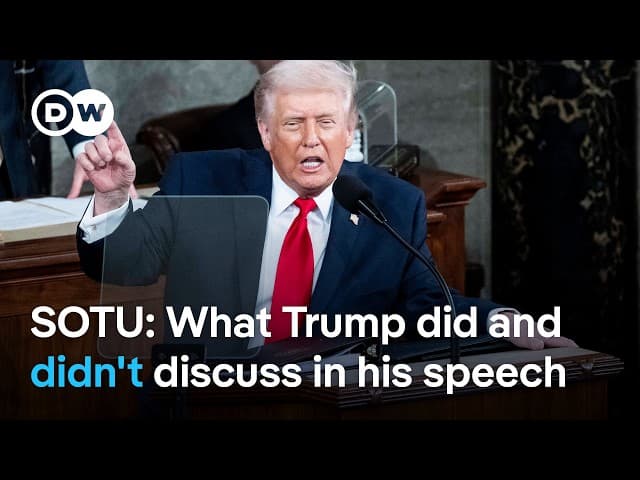
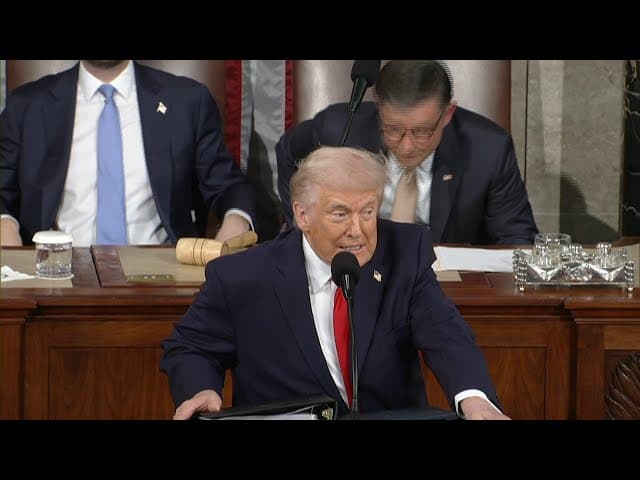
In a notable recent development, **President Donald Trump publicly defended the harsh immigration crackdowns** during his State of the Union address. Despite declining approval ratings, Trump emphasized the necessity of robust enforcement, claiming it was essential for national security and sovereignty. His rhetoric resonated with his core base but further polarized the political landscape.
Additionally, Trump has **demanded that Congress pass a strict voter ID law**, reiterating unfounded claims of widespread election cheating. A recent AFP article highlighted his push, stating that he **repeats false allegations** about voter fraud, tying enforcement narratives directly to election politics and fueling partisan divides.
**Trump’s vocal advocacy for stricter voter ID requirements** and his claims about election interference have amplified doubts about electoral legitimacy, feeding into broader misinformation campaigns that erode public trust.
---
## Judicial System Under Strain and Partisan Battles Over Judicial Power
The surge in enforcement and legal cases has placed significant strain on an already overwhelmed judicial system. Across states, courts are grappling with complex cases, procedural delays, and mass dismissals. For example, the **Oregon Supreme Court recently dismissed over 1,400 criminal cases**, citing misconduct, procedural errors, and evidence issues—problems worsened by the influx of immigration and corruption-related cases.
Partisan debates over judicial authority have intensified. Some conservative lawmakers advocate for **limits on judicial enforcement powers** to curb what they see as judicial activism, while critics warn such measures threaten **judicial independence**. They argue that politicizing courts—particularly in high-stakes cases involving civil liberties or political figures—undermines their role as impartial arbiters.
---
## Election Integrity and the Misinformation Crisis
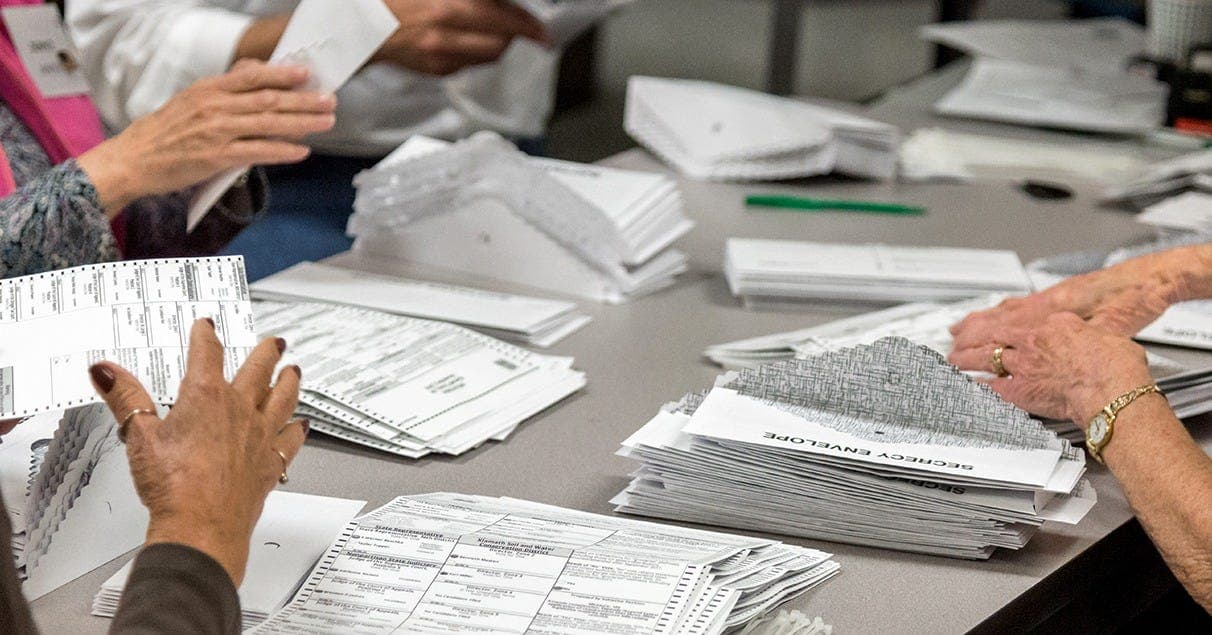
The integrity of upcoming elections remains a central concern amid ongoing turbulence. Democratic Attorneys General continue their “war games” to prepare for potential interference efforts by partisan actors. These exercises aim to bolster legal defenses and procedural safeguards ahead of the 2026 midterms.
However, public confidence is waning. Recent polls indicate a **17% decline** in trust regarding the fairness of U.S. elections over the past two years, with only **23% of Americans** believing that the **2026 midterms** will be **free and fair**. Misinformation—often distorted to suggest active election interference by DHS—further fuels suspicion and chaos.
Political figures and interest groups continue to exploit narratives around **voter suppression**, **gerrymandering**, and **foreign influence**, deepening societal divisions and threatening democratic legitimacy.
---
## Declining Public Trust and Elite Impunity
Public confidence in government institutions remains at historic lows. Polls reveal a sharp decline in faith, driven by scandals involving **offshore financial schemes**, international figures like **Prince Andrew**, and ongoing investigations into **former President Trump**. These revelations reinforce the perception that **elites operate with impunity** and are immune from accountability.
This perception fuels societal unrest and distrust, eroding the social contract. Citizens increasingly believe that **finance, politics, and even royalty** are beyond the reach of justice, undermining democratic norms.
---
## International and Domestic Corruption Scandals
Elite misconduct extends beyond U.S. borders. International investigations into figures like Prince Andrew and offshore financial schemes involving Ukrainian officials reveal a **global pattern of impunity and corruption**. Such scandals foster skepticism about the effectiveness of legal institutions and the rule of law.
Domestically, high-profile probes—particularly into **former President Trump**—highlight persistent challenges in ensuring accountability at the highest levels. These issues deepen the sense that **elites are above the law**, further fueling distrust and societal fractures.
---
## Recent Political Developments: Trump and Immigration Policy
Adding a new layer to the current landscape, **President Trump publicly defended his administration’s immigration policies** during recent appearances and speeches. His stance underscores his continued influence over immigration discourse, framing aggressive enforcement as vital for national security.
Furthermore, Trump has **pressured Congress to pass legislation requiring strict voter ID laws**, insisting that such measures are necessary to restore election integrity. His repeated claims of widespread voter fraud, despite lacking evidence, continue to polarize the electorate and tie enforcement narratives to partisan election battles.
---
## Strategic Outlook and Future Implications
Looking ahead, enforcement efforts are expected to **continue expanding**, with new operations targeting organized crime, corruption, and illicit financial activities. Legal preparedness among Democratic attorneys general and election officials is intensifying to **fortify defenses** against interference and chaos.
However, the **risk of a partial government shutdown over DHS funding** persists, with negotiations ongoing. The potential shutdown could disrupt border security, immigration services, and national security functions—further compounding the crisis.
Critical reforms emphasizing **transparency**, **civil liberties protections**, and **judicial independence** are urgently needed to **restore public trust** and safeguard democratic norms. Without decisive action, the nation risks further erosion of its democratic foundations, societal polarization, and unrest.
---
## **Current Status and Key Takeaways**
- **Enforcement actions** are expected to persist, with ongoing operations targeting organized crime, corruption, and financial crimes.
- **Legal strategies** by Democratic officials aim to **protect electoral integrity** amid rising threats.
- The threat of **DHS partial shutdown** remains, with negotiations ongoing.
- **Reforms** centered on **transparency**, **civil liberties**, and **judicial independence** are critical to reversing current trends.
- **Public trust** remains fragile; restoring it requires **bipartisan cooperation**, **accountability**, and a reaffirmation of democratic principles.
---
## **In Summary**
America faces a complex, multi-front crisis—marked by escalating enforcement campaigns, intense political conflicts, systemic elite misconduct, and misinformation that threaten democratic legitimacy. The coming months are decisive; the choices made by leaders, institutions, and civil society will shape whether the nation can **reclaim its democratic foundations** or slide further into division and chaos.
**The path forward demands urgent, coordinated action to uphold justice, protect civil liberties, and rebuild public trust—fundamental pillars for a resilient democracy.**