# How Iran Conflict Is Roiling Oil, Gas, and Global Markets: An Updated Analysis
The geopolitical turmoil surrounding Iran has intensified dramatically, with recent military actions, covert operations, and diplomatic deadlocks collectively driving unprecedented volatility in global oil and gas markets. What once appeared as localized regional tensions now threaten to unravel supply chains, inflate prices, and reshape international strategic calculations. The latest developments underscore a complex web of escalation, covert maneuvers, and diplomatic paralysis that demand urgent attention from policymakers and market participants alike.
---
## Escalation and Infrastructure Disruptions: The Heart of Market Turmoil
The ongoing conflict has inflicted significant damage on critical energy infrastructure in the Gulf region. Current estimates indicate that **approximately 1.9 million barrels per day (bpd)** of Gulf refining and export capacity remain offline due to targeted attacks, sabotage, and operational disruptions. These losses have rapidly fueled fears of prolonged shortages, prompting sharp surges in energy prices.
**Key vulnerabilities include:**
- **Kharg Island**, Iran’s primary export terminal, continues to be a focal point of concern. Despite persistent speculation about potential strikes or blockades, it has thus far remained unseized. However, Iran’s threats to defend Kharg with missile and drone defenses keep it a high-stakes target.
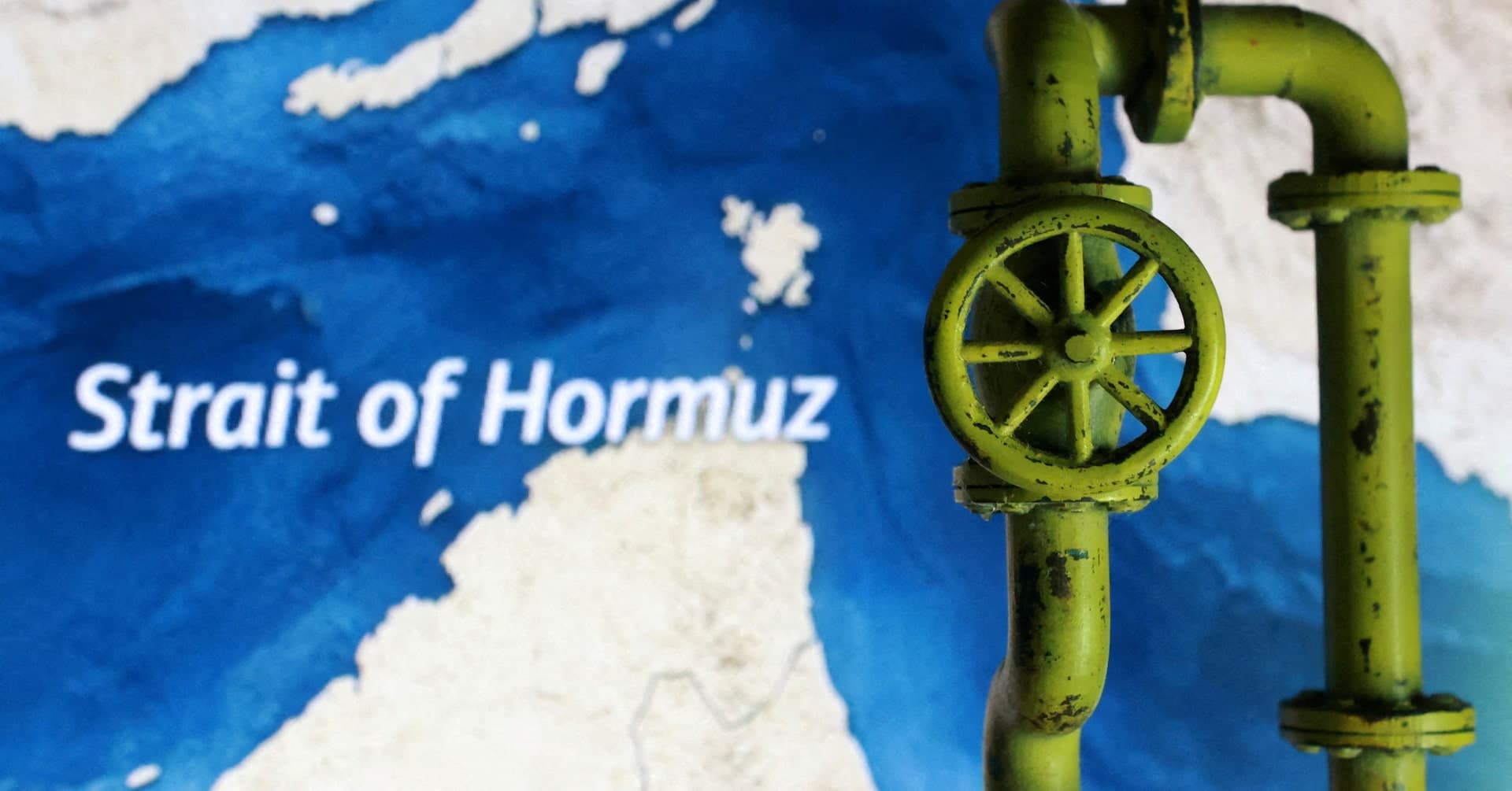
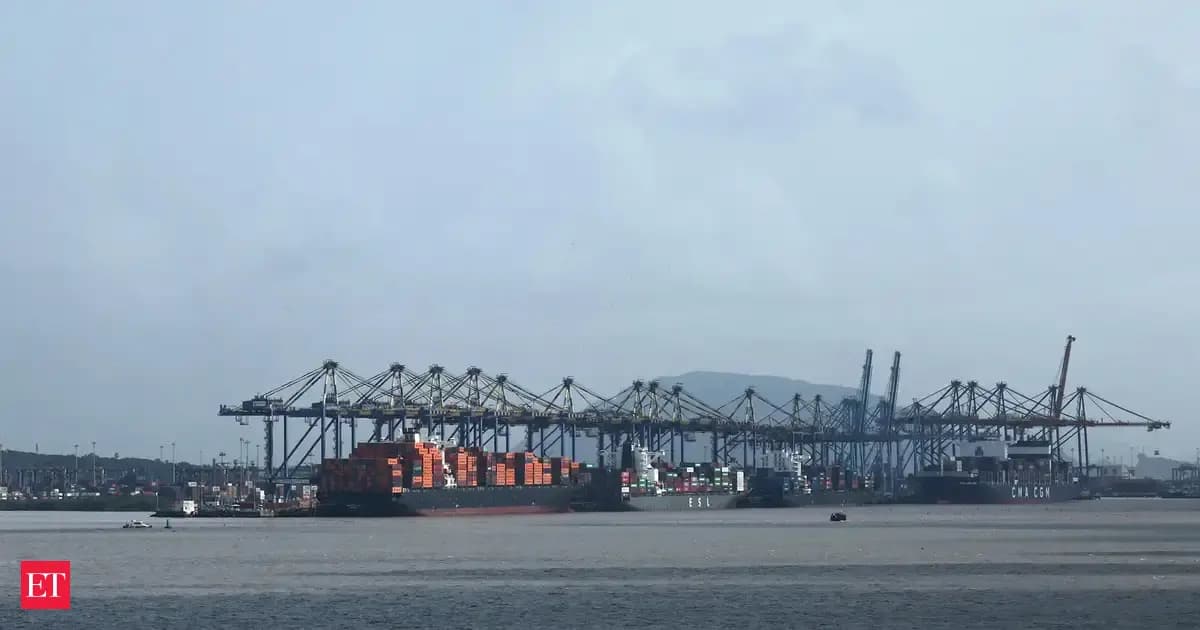
- **Offshore facilities and strategic ports** face increased assaults. Iran has ramped up efforts to disrupt shipping lanes, especially through the Strait of Hormuz, intensifying maritime bottlenecks and driving up maritime insurance premiums.
### Why Has Kharg Island Remained Unstruck?
Analysts suggest that both the US and Israel exercise strategic restraint, aiming to avoid escalation into a broader regional or global conflict. A recent report by Vantage with Palki Sharma notes that striking Kharg could ignite a regional war with unpredictable consequences, including wider instability and higher costs for all parties involved.
---
## Iran’s Covert Operations and the ‘Ghost Fleet’
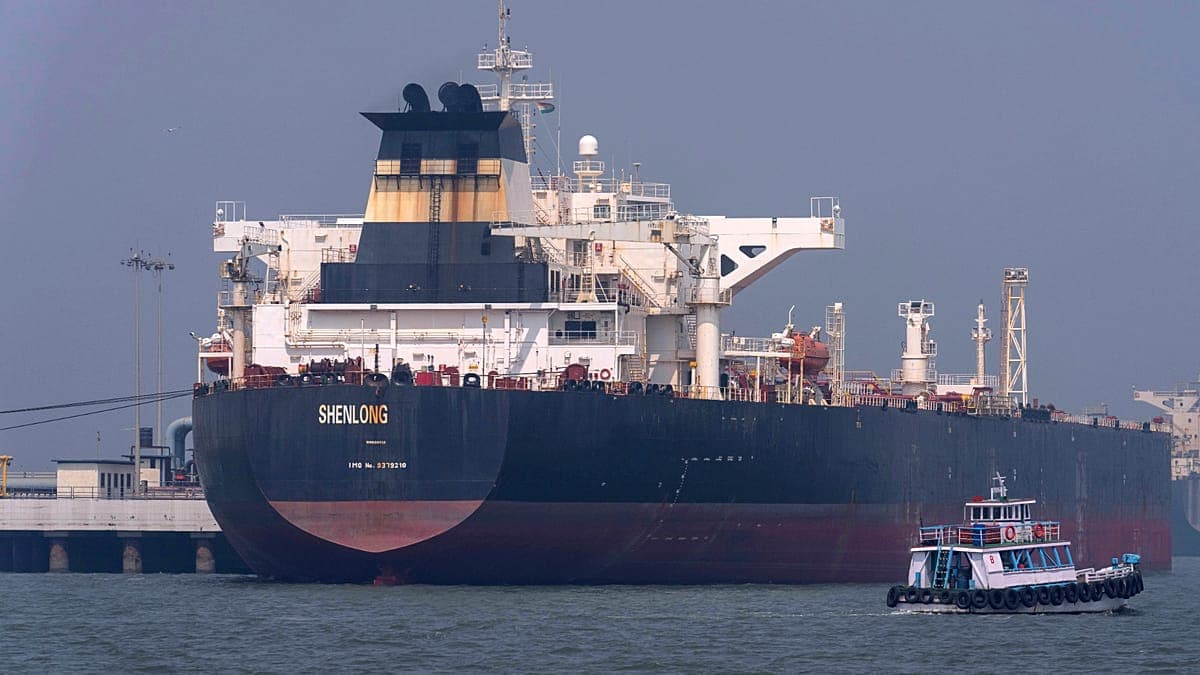
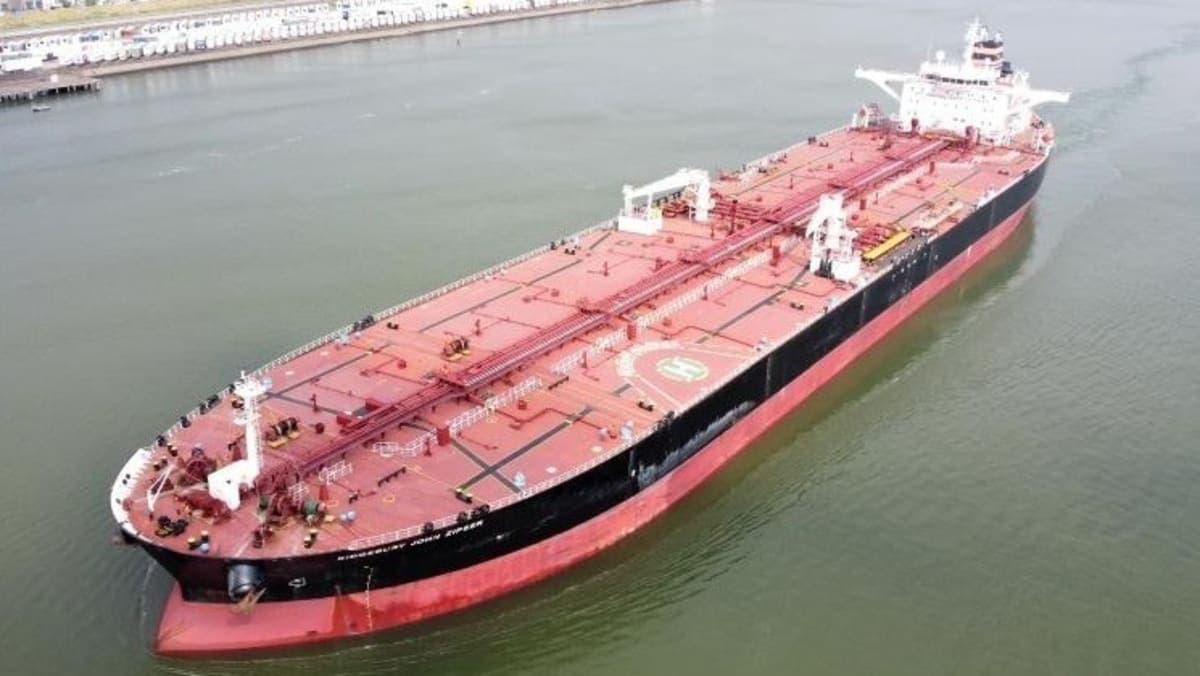
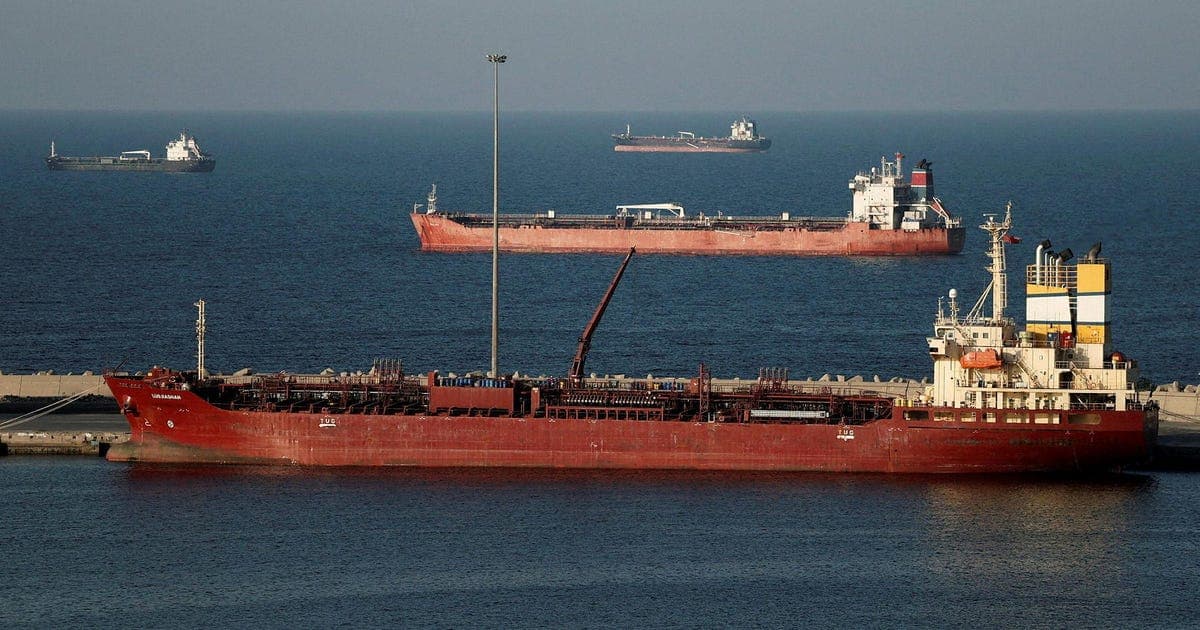
Iran’s response to sanctions and military threats continues through clandestine means. Its **“ghost fleet”**, a network of radar-evading vessels, has become emblematic of Iran’s efforts to evade detection and sanctions, facilitating illicit exports.
**Recent impacts include:**
- **Persistent clandestine exports:** Since escalation, Iran has dispatched at least **11.7 million barrels** of oil to China, often routed through complex, opaque channels designed to bypass sanctions.
- **Sanctions evasion networks:** Traders are increasingly employing cryptocurrencies, informal payment channels, and third-party nations to facilitate Iran’s oil trade. The US has sanctioned over **50 entities**, including Indian nationals aiding Iran’s energy exports, but these covert routes remain resilient.
- **Rising maritime insurance and logistical costs:** Iran’s clandestine activities have driven maritime insurance premiums higher and increased logistical expenses. If Iran expands its clandestine shipments or diversifies routes, crude prices could spike **above $150 per barrel**, especially amid heightened hostilities.
Recent reports highlight continued success in Iran’s shipping efforts, with shipments to China increasing despite regional tensions. The US Treasury’s recent actions further intensify pressure on these covert networks.
---
## The Strategic Restraint on Kharg Island and Diplomatic Deadlock
A pressing question is why Kharg Island has not been targeted directly. Sources like Vantage emphasize several factors:
- **Risks of broader escalation:** Striking Kharg could ignite a regional conflict involving multiple actors, including US allies and neighboring states.
- **Iran’s defensive capabilities:** Iran’s missile and drone defenses complicate direct military action.
- **Diplomatic stalemate:** The UN Security Council remains gridlocked, with Russia and China opposing measures that could impose further sanctions or authorize military intervention. This deadlock allows Iran’s covert operations to continue with minimal interference.
### Recent Developments: Increased Escalation and New Threats
- **Targeted tanker attacks:** Iran has launched attacks on two Iraqi oil tankers overnight, escalating threats to global supply chains.
- **Threats to U.S.-linked infrastructure:** Iran has issued warnings and provocations targeting American-aligned oil infrastructure, including threats to attack U.S.-controlled facilities.
- **Strikes involving Kharg Island and UAE:** Reports now indicate that Iran has launched strikes on the Kharg Island export terminal and UAE targets, contradicting earlier assessments of restraint, signaling a possible shift toward more aggressive actions.
### New Sanctions and Strategic Maneuvers
- **U.S. Treasury sanctions:** Recently, the US sanctioned **12 additional shadow-fleet vessels**, including gas carriers like **Hoot, Luma, Danuta I, Alaa, and Gas Fate**. These vessels are integral to Iran’s clandestine shipping network, and their designation aims to choke Iran’s export routes further.
- **US considerations on Russian oil:** In a controversial move, the US has temporarily lifted sanctions on Russian oil to stabilize global markets, a policy that could inadvertently provide Iran with avenues to sell oil indirectly or destabilize existing sanctions regimes.
---
## Market Response and Implications
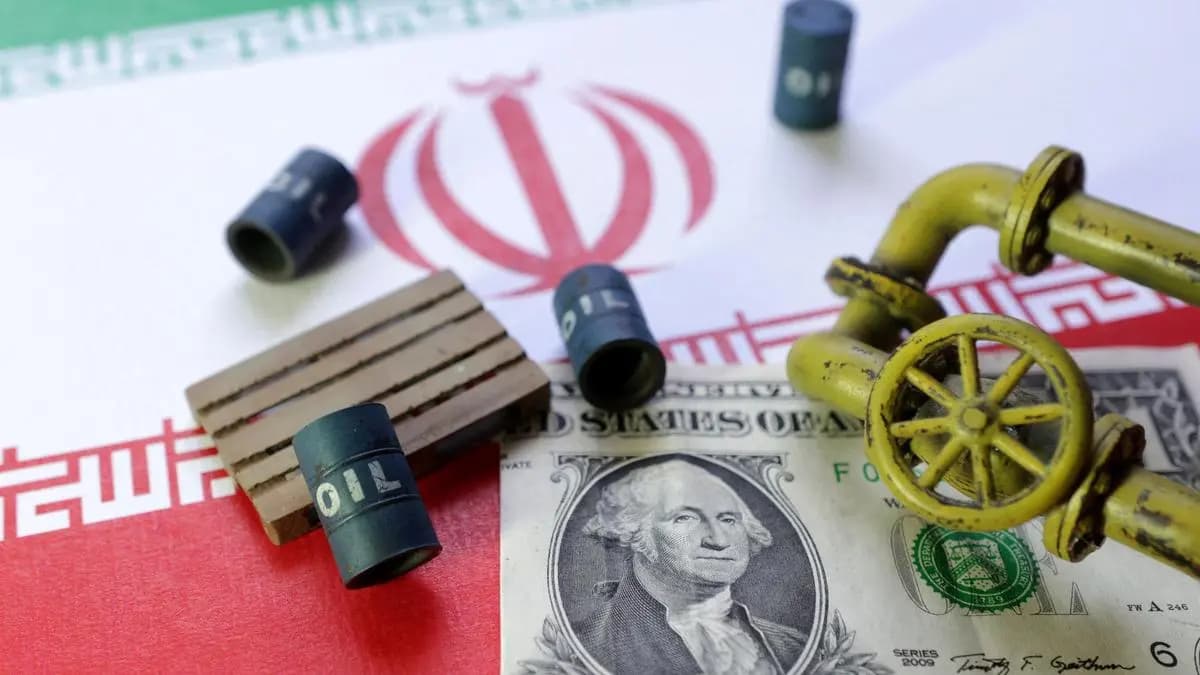
The geopolitical tensions have caused oil prices to surge sharply, with benchmarks approaching or exceeding **$100 to $150+ per barrel** depending on the escalation level. Natural gas markets are also tightening, driven by disruptions in supply routes and increased demand.
**Market impacts include:**
- **Higher insurance premiums:** Threats to shipping lanes and increased naval activity have driven maritime insurance costs higher.
- **Logistical challenges:** Damage to ports, delays at chokepoints, and the need for military escorts have compounded transport costs and lead times.
- **Strategic stockpiling:** Gulf nations, notably Saudi Arabia, are ramping up crude output to buffer potential shortages, but infrastructural damage and logistical hurdles limit immediate relief.
---
## Recent and Continuing Escalations
- **Targeted tanker attacks:** Iran has launched several attacks on Iraqi oil tankers, escalating the threat to regional and global supply chains.
- **Potential strikes on U.S.-linked infrastructure:** Iran’s warnings and provocations have increased, including threats to U.S.-controlled oil facilities, raising fears of wider conflict.
- **Diplomatic deadlock persists:** Russia and China continue to oppose Western efforts to impose more sanctions or authorize military action, prolonging Iran’s ability to export oil covertly.
### Recent Specific Developments
- **‘Burning Oil Sites’ Threats:** Iran has issued warnings of targeting “American-linked oil infrastructure,” with recent threats to attack U.S. oil sites, raising fears of escalation.
- **U.S. covert policies:** The US is reportedly considering lifting sanctions on Russian oil temporarily, a move aimed at creating economic pressure on Iran by influencing global energy prices but risking broader destabilization.
- **Russian oil sanctions reversal:** The US Treasury recently lifted sanctions on Russian oil temporarily, which could inadvertently empower Iran’s covert exports or complicate existing sanctions enforcement.
---
## Current Status and Broader Implications
The situation remains highly volatile, with several possible trajectories:
- **De-escalation:** Diplomatic breakthroughs and restrained military actions could stabilize supply chains, leading to price relief.
- **Escalation into broader conflict:** Targeted strikes—particularly on Kharg Island or U.S.-aligned infrastructure—could cause severe supply disruptions and push prices into uncharted territory.
**Implications:**
- **Global energy security is at risk:** The combination of infrastructure damage, covert exports, and diplomatic deadlock underscores vulnerabilities in the global energy system.
- **Market resilience is tested:** Price volatility, logistical bottlenecks, and rising insurance costs will continue to challenge energy markets.
- **Strategic stockpiles and diversification efforts** are more critical than ever for energy-importing nations.
---
## **Conclusion**
The Iran conflict exemplifies the fragility of the global energy landscape amid escalating geopolitical tensions. Recent developments—including Iran’s threats, targeted attacks, the expansion of covert export networks, and shifting US policies—highlight a dangerous game of strategic maneuvering with profound implications.
As Iran’s clandestine operations intensify and diplomatic deadlock persists, markets remain on edge. Oil and gas prices could soar if hostilities escalate further, or if key infrastructure is targeted. Conversely, diplomatic de-escalation could bring a measure of relief, though risks of wider conflict remain high.
The coming weeks will be decisive. The world’s energy security now hinges on a delicate balance of military restraint, diplomatic engagement, and strategic preparedness—an uncertain path that could reshape the global energy landscape for years to come.