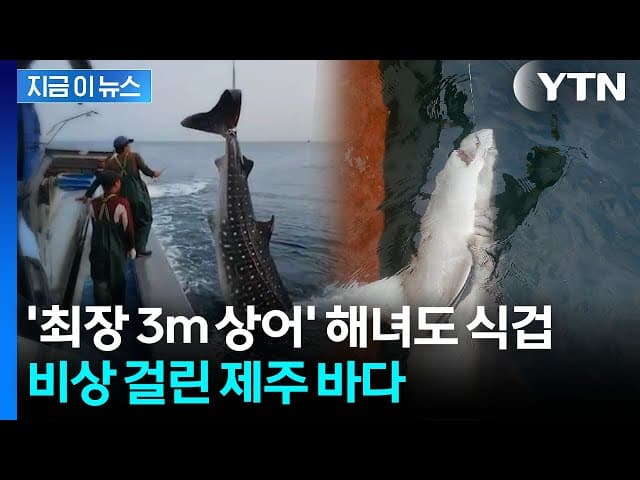
The evolving landscape of global shark-human interactions through 2026 continues to reflect a complex convergence of environmental change, human activity, and ecological dynamics. While longstanding shark bite hotspots such as Florida, Australia, California, and Hawaii remain centers of concern, new regional expansions, ecological insights, and adaptive management approaches are reshaping how societies understand and mitigate shark risks. Recent high-profile incidents, emerging risk zones, and innovative mitigation strategies underscore the urgency of balancing human safety with shark conservation in a rapidly warming and dynamic ocean environment.
---
### Intensifying Regional Hotspots and Notable Incidents: Adaptation Amid Persistent Risks
**Florida** sustains its status as the global leader in shark bite incidents, with annual numbers consistently exceeding 40. The **2026 New Smyrna Beach attack**, involving a man critically injured by a shark resulting in severe bilateral leg trauma, highlights the crucial role of rapid trauma response and aerial medevac capabilities. This incident not only enriched the University of Florida’s Shark Bite Database but also reinforced the value of data-driven prevention and emergency preparedness.
Adding a public face to the risks, **retired NFL star Warren Sapp’s mid-2026 shark bite during lobstering in the Florida Keys** amplified public consciousness that shark encounters transcend recreational swimming and can affect experienced ocean users engaged in subsistence or commercial activities. His case has fueled advocacy for more nuanced, user-specific educational outreach programs emphasizing situational awareness and safe practices across diverse coastal communities.
In **Australia**, a troubling uptick in fatal great white shark attacks between 2025 and 2026 has intensified public concern and catalyzed expanded management responses. The **February 2026 Shark WARNING issued by Western Australia’s Department of Primary Industries and Regional Development (DPIRD) for the Swan River** marked a watershed moment by spotlighting risks in urban-adjacent inland waterways previously deemed safe. This unprecedented alert precipitated swift adaptations including enhanced surveillance, community engagement, and revised public advisories reflecting the encroachment of shark activity into new environments.
Ecological observations from Australian fishermen reporting sharks biting anchor ropes after orca pod visits have deepened understanding of predator-prey dynamics influencing shark behaviors near human activity. These findings are being integrated into adaptive management frameworks recognizing that shark proximity to humans is shaped by multifaceted ecological interactions, not solely human presence.
Along California’s northern coast, the **2026 fatal shark bite on a triathlete near Pacific Grove** underscored rising regional risks linked to warming Pacific currents and shifts in prey distributions. Surfers near Santa Barbara increasingly report encounters with large sharks, while deepwater species off La Jolla are documented with greater frequency. California authorities have responded by expanding **AI-enhanced drone surveillance** and bolstering rapid-response beach safety teams, leveraging technological innovation to improve real-time detection and public protection.
A significant discovery off California’s Southern Bight revealed a **previously unknown great white shark nursery**, where juvenile sharks seasonally aggregate. This find recalibrates regional risk assessments and management tactics, necessitating dynamic advisories and targeted monitoring to balance human safety with the conservation of vulnerable young sharks.
In **Hawaii**, the seasonal surge in tiger shark bites during October and November correlates with postpartum female aggregations near Maui and Kaua‘i. Authorities maintain a delicate balance between public safety and tourism interests by implementing dynamic swim advisories and selective beach closures informed by fine-scale ecological data.
Conversely, **New Caledonia’s 2026 reinstatement of shark culling and swimming bans following a fatal attack** starkly contrasts with global trends favoring non-lethal management. This move has ignited vigorous debate among scientists, conservationists, and policymakers over how best to balance immediate human safety with the imperative of long-term shark conservation, reflecting the enduring governance challenges in shark risk mitigation.
---
### Expanding Risk Zones and Novel Encounter Frontiers
Climate-driven habitat shifts and ecological pressures continue to push sharks into new and formerly low-risk waters, creating emerging hotspots across multiple ocean basins:
- **U.S. East Coast:**
The late 2025 appearance of “Contender,” a massive ~1,700-pound great white shark off Cape Fear, North Carolina, along with repeated sightings of a 700-pound individual, confirm ongoing poleward expansions. Sightings now extend as far north as Maine, signaling a rapid transformation in Atlantic shark risk profiles that challenge historical regional assumptions.
- **Gulf of Mexico:**
The unprecedented presence of “Ernst,” a 12-foot, 1,000-pound great white near the Chandeleur Islands, represents a remarkable incursion into waters historically considered low risk. This has catalyzed intensified monitoring efforts and public safety campaigns in coastal communities unaccustomed to large shark presence.
- **Mediterranean Sea:**
Israel’s Hadera Beach continues as a notable shark bite hotspot, necessitating stringent safety protocols in a region previously classified as low risk, illustrating the evolving ecological pressures in semi-enclosed seas.
- **Western Europe:**
Early 2026 brought a rare great white sighting off Spain’s eastern coast, captivating scientific and conservation communities. This “ghost” species’ reappearance confirms unexpected range expansions and highlights the necessity of vigilance even in traditionally low-risk European waters.
- **Freshwater Incursion – Lake Gatun, Panama:**
For the first time, researchers confirmed the presence of **bull sharks in Lake Gatun**, a freshwater reservoir integral to the Panama Canal ecosystem. Bull sharks’ ability to tolerate freshwater environments introduces novel complexities for human safety and ecological management, as their apex predation may impact native freshwater fish populations and human activities.
- **South Africa:**
The Garden Route Shark Spotters Program continues to demonstrate the effectiveness of community-based monitoring, reducing incidents through volunteer vigilance, education, and rapid communication.
- **Western Pacific:**
Collaborative efforts blending fisher knowledge with scientific research are advancing sustainable coexistence and mitigating shark depredation in complex marine resource zones.
---
### Multifactorial Drivers Behind Increasing Shark-Human Encounters
The changing pattern and frequency of shark bites emerge from a complex interplay of ecological and anthropogenic factors:
- **Climate-Driven Range Shifts:**
Ocean warming and altered current patterns facilitate poleward and novel habitat expansions across multiple shark species, complicating risk prediction and demanding localized, adaptive responses.
- **Nearshore Prey Aggregations:**
Growth in coastal populations of seals, baitfish, and other prey draws sharks closer to human activity zones, increasing encounter probabilities.
- **Temporal Overlap with Human Ocean Use:**
Sharks’ peak activity during dawn and dusk often coincides with periods of heightened human water use, intensifying risk windows.
- **Seasonal Biological Cycles:**
Predictable reproductive behaviors, such as postpartum tiger shark aggregations in Hawaii, allow for targeted advisories and dynamic risk mitigation.
- **Predator-Prey Dynamics and Orca Influence:**
Fishermen’s reports of sharks biting anchor ropes following orca pod visits reveal nuanced predator-prey interactions. A 12-year Flinders University study demonstrated that shark responses vary from avoidance to indifference depending on environmental context and individual variability.
- **Advanced Sensory and Cognitive Behaviors:**
Sharks’ acute olfactory senses and exploratory biting behaviors necessitate flexible, species-specific deterrent strategies.
- **Environmental Stressors:**
Pollution, harmful algal blooms, and microplastic contamination remain under investigation for their sublethal impacts on shark physiology and behavior.
- **Paradox of Rising Sightings Amid Population Declines:**
Despite documented global shark population declines due to overfishing and habitat loss, increased sightings and encounters in some regions likely reflect behavioral shifts, changes in aggregation patterns, and improvements in monitoring and reporting rather than true population recoveries.
- **Vessel Traffic Impacts:**
A pivotal 2026 study from the University of Miami’s Rosenstiel School, corroborated by a global analysis published in *Nature*, revealed that chronic vessel disturbance negatively affects reproductive success and survival in marine megafauna, including sharks. Vessel noise, collision risk, and habitat disruption alter shark behavior and stress levels, potentially increasing human encounters and complicating population trajectories. These findings emphasize the urgent need to integrate vessel disturbance into risk assessments and management.
---
### Innovations and Adaptive Risk Management: Harnessing Technology and Community Engagement
Responding to the evolving challenges of shark-human coexistence, mitigation strategies worldwide increasingly integrate cutting-edge technology and community partnerships:
- **AI-Enhanced Drone Surveillance:**
Deployed in Australia and California, real-time aerial monitoring enables early shark detection and targeted beach safety actions, improving response speed and public confidence.
- **Acoustic Telemetry and Tagging Programs:**
Fine-scale movement data from tagging initiatives refine predictive models, supporting dynamic swim advisories tailored to species-specific behavior and life stages.
- **Community Spotter Networks:**
Volunteer programs like South Africa’s Garden Route Shark Spotters provide essential observations, education, and rapid communication, fostering local stewardship and reducing incidents.
- **Non-Lethal Deterrents:**
Research into electric repellents, magnetic barriers, and bio-optical camouflage technologies is advancing. However, a landmark 2026 study titled *“We Tested Magnets On Sharks and Got Unexpected Results”* revealed significant variability in magnetic deterrent efficacy across species, underscoring the need for adaptive, species-specific deployment.
- **Comprehensive Deterrent Reviews:**
The 2026 synthesis *“Shark Repellents Are Myth Or Reality”* critically examined available deterrent technologies, concluding no single device guarantees foolproof protection. The report advocates a multi-layered approach combining deterrents with behavioral awareness for optimal safety.
- **Dynamic Swim Advisories and Selective Closures:**
Authorities increasingly issue targeted advisories and temporary closures based on real-time ecological data on shark life cycles and movements, balancing safety with economic impacts.
- **Enhanced Emergency Response Infrastructure:**
The rapid trauma care and aerial medevac response exemplified in the New Smyrna Beach incident demonstrate how robust emergency systems complement preventative efforts to improve survival outcomes.
- **Fisheries Bycatch Mitigation:**
Innovative gear modifications and deterrents trialed in Florida fisheries have successfully reduced unintentional shark hookings, supporting both species conservation and sustainable fishing practices.
- **Satellite and Remote Sensing Advances:**
Emerging satellite tracking technologies reveal previously unknown shark migration routes and habitat use, enhancing predictive capacities and informing regional management.
- **Public Engagement and Education:**
Recent outreach efforts, including the **Save Our Seas Foundation’s “Ask Us Anything About Sharks!” interactive sessions with experts**, are fostering greater public understanding, reducing fear, and promoting responsible ocean use.
---
### Governance Challenges and Conservation Imperatives: Navigating the Safety-Conservation Dilemma
The **2026 reinstatement of shark culling and swimming bans in New Caledonia** after a fatal attack exemplifies the ongoing tension between immediate human safety concerns and longer-term conservation goals. Critics warn that culling disrupts ecosystem balance and undermines trust in science-based governance, while proponents emphasize the urgency of reducing human risk.
This controversy highlights the broader governance challenge of balancing short-term safety with the preservation of vulnerable shark populations essential to marine ecosystem health. Recent video studies documenting **ecosystem impacts of white shark loss** reveal profound cascading effects on biodiversity and ecosystem function, underscoring the ecological cost of apex predator removal.
---
### Toward Sustainable Human-Shark Coexistence: Integrating Science, Policy, and Community
Despite localized increases in shark bite incidents, global shark populations continue to decline precipitously due to overfishing, habitat degradation, and other anthropogenic pressures. Historical data show global shark landings doubled between 1950 and 2010, driving ecosystem disruptions that alter shark behavior and distribution.
As apex predators, sharks maintain ocean ecosystem balance and biodiversity critical to fisheries productivity and coastal economies. Their protection is vital for environmental sustainability and economic resilience.
A robust, integrated framework for coexistence includes:
- Continuous, high-resolution ecological and behavioral monitoring combined with active public engagement
- Dynamic, ecologically informed advisories tailored to species-specific life histories and behaviors
- Comprehensive public education promoting safe ocean use and emergency preparedness
- Development and deployment of adaptable, species- and context-specific non-lethal deterrent technologies
- Policies focused on halting shark population declines and preserving ecosystem integrity
- Incorporation of emerging stressors such as vessel traffic disturbance into comprehensive management plans
- Collaborative governance balancing human safety imperatives with long-term conservation goals
---
### Conclusion: Navigating a Shifting Seascape Toward Resilience and Adaptation
The shark bite trends of 2025–2026 reflect a multifaceted nexus of climate-driven ecological shifts, predator-prey dynamics, biological cycles, and intensified human coastal use. While established hotspots remain highly active, emerging risk zones—from the U.S. East Coast and Gulf of Mexico to the Mediterranean and freshwater systems like Lake Gatun—illustrate accelerating habitat expansions driven by warming oceans and shifting prey distributions.
Individual sharks like “Contender” and “Ernst” personify these rapid range shifts, while incidents involving public figures such as Warren Sapp humanize the risks and elevate public discourse.
Effectively managing this dynamic landscape demands harmonizing scientific research, technological innovation, responsive governance, and community stewardship. Advances in AI surveillance, acoustic telemetry, satellite tracking, and deterrent technologies—alongside informed advisories and enhanced emergency response—offer promising pathways forward.
Nonetheless, challenges persist, including behavioral impacts of vessel traffic, limitations of current deterrents, and governance tensions epitomized by New Caledonia’s culling policy. Sustained research, adaptive management, and cross-sector collaboration remain imperative.
Ultimately, fostering resilient, adaptive coexistence between humans and sharks requires ongoing cooperation across disciplines, sectors, and communities—protecting human safety while conserving these indispensable apex predators amid a rapidly changing ocean environment.
---
**Selected Sources:**
International Shark Attack File (ISAF) 2025–2026; University of Florida Shark Bite Database; Florida Museum of Natural History; DPIRD Swan River Shark WARNING (2026); Flinders University Shark Behavior Research; Garden Route Shark Spotters Program; OCEARCH; *We Tested Magnets On Sharks and Got Unexpected Results* (2026); *Shark Repellents Are Myth Or Reality* (2026); *This Shark Turns Invisible With Light (Nature’s Real Cloaking Device)*; Fishermen Accounts of Orca-Shark Interactions (2026); University of Miami Rosenstiel School – Vessel Traffic and Megafauna Study (2026); *A Global Analysis of Effects of Vessels on Marine Megafauna* (*Nature*, 2026); Save Our Seas Foundation AMA (2026); 1News – *Why Shark Sightings are Rising Even as Numbers Decline*; KRON; 7NEWS Australia; PerthNow; ABC News; ResearchGate biodiversity and shark ecology studies; New Caledonia Government Announcements and Reports (2026); Warren Sapp Shark Bite Incident Reports (2026); *Polymath World #42: Dr. Kim Holland | Shark Research & Marine Biology Innovations*; ABC News – *Cull and Swimming Ban Resume After Fatal Shark Attack in New Caledonia* (2026); The Economic Times – *How Satellites Are Revealing Secret Animal Migrations Across the Planet*; *Rare great white spotting shows ‘ghost’ species still alive* (2026); *(PDF) First Confirmed Record of a Bull Shark in Lake Gatun*; *Ecosystem Impacts of White Shark Loss* (2026 Video).