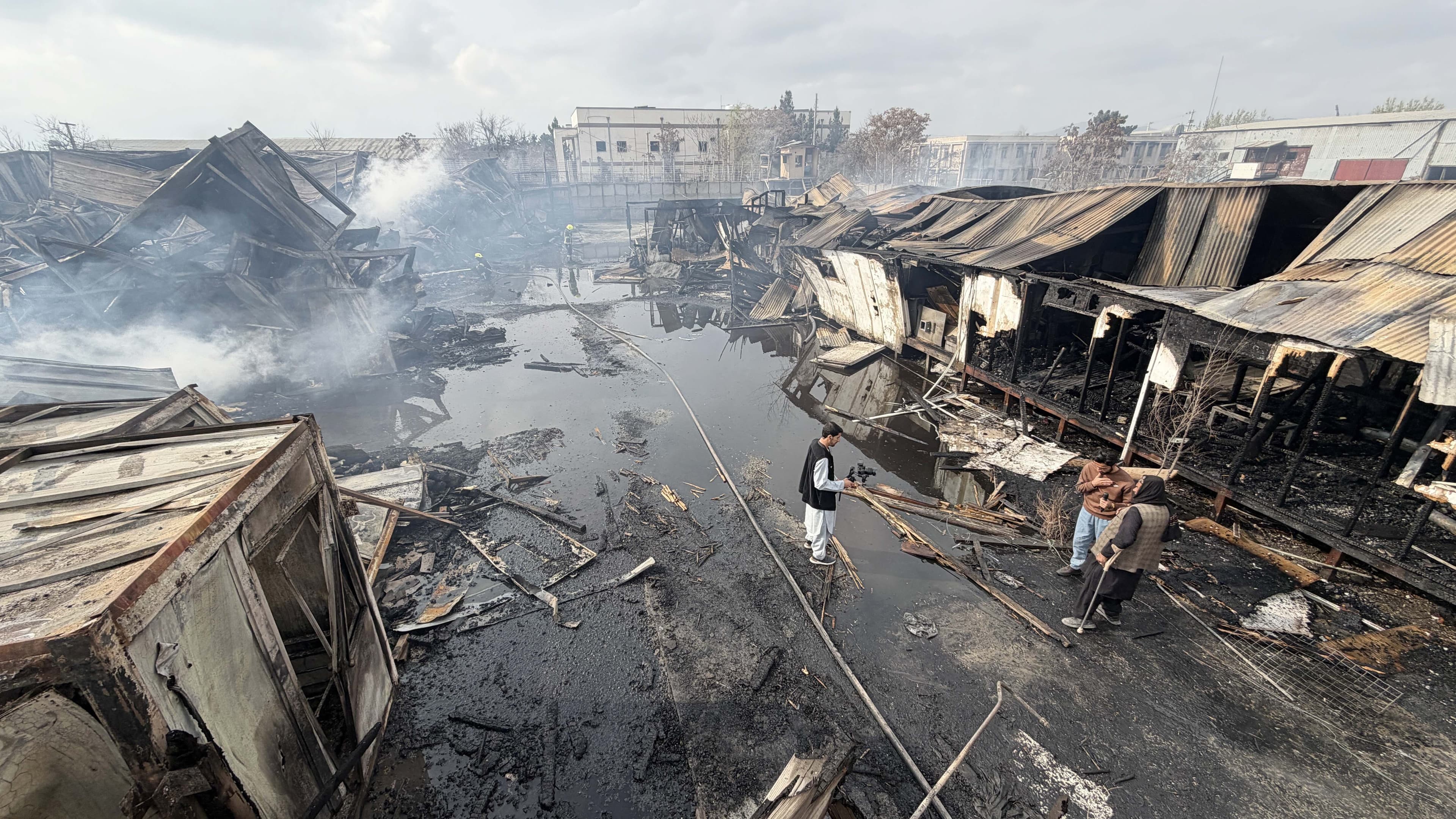
# Humanitarian and Security Strains in Gaza During Winter: Escalating Crisis and Global Tensions
As winter deepens over Gaza, the region is confronting an unprecedented convergence of humanitarian catastrophe and escalating geopolitical tensions. The ongoing violence, infrastructural collapse, and international rivalries have created a perilous environment for civilians, with consequences that resonate far beyond the Middle East. The urgency to address these intertwined crises has never been more pressing, yet efforts are hampered by security concerns, diplomatic fragmentation, and strategic rivalries.
---
## Worsening Humanitarian Emergency Amid Harsh Winter Conditions
The winter season has profoundly intensified Gaza’s already dire humanitarian situation. Displacement has surged as thousands of residents seek refuge in overcrowded, makeshift shelters that lack proper heating, insulation, or protection from freezing temperatures. Vulnerable groups—including **children, the elderly, and persons with disabilities**—face heightened risks of cold-related illnesses such as hypothermia, pneumonia, bronchitis, and the worsening of chronic respiratory conditions.
**Health infrastructure** is on the verge of collapse: hospitals, overwhelmed by conflict-related injuries, are operating under severe strain due to persistent **power outages—up to 20 hours daily**. These outages cripple essential services like surgeries, sterilizations, and ICU functions. Fuel shortages threaten the operation of backup generators vital for life-support systems, putting patients dependent on ventilators, incubators, and other critical equipment at imminent risk. The dire state of medical facilities jeopardizes the survival of countless civilians amid ongoing hostilities.
Water and sanitation systems, damaged over years of conflict and blockade, are increasingly unreliable. **Millions lack access to clean water**, leading to outbreaks of waterborne diseases such as cholera. The combination of winter dampness, flooding, and contaminated water sources creates an environment conducive to disease spread, further straining Gaza’s fragile health system. Without urgent intervention, these outbreaks could overwhelm hospitals and deepen the humanitarian emergency.
Food insecurity has also worsened sharply due to disrupted supply chains caused by blockades, border restrictions, and ongoing hostilities. **Malnutrition and starvation are becoming more prevalent**, especially among children and the elderly, contributing to rising mortality rates. The trauma of violence, coupled with cold weather, disease, and hunger, pushes Gaza’s most vulnerable populations toward the brink of survival.
---
## Infrastructure Breakdown, Logistical Challenges, and Limited Aid Access
Years of conflict and blockade have left Gaza’s infrastructure severely degraded. Power outages persist for **up to 20 hours per day**, impairing hospitals, water treatment plants, and sanitation services. Fuel shortages threaten to disable critical generators, especially during winter’s coldest months, exacerbating the crisis.
Damage to water and sanitation infrastructure has worsened the health emergency. The **partial reopening of the Rafah border crossing** with Egypt has provided a **limited aid corridor**, offering some relief for supplies and evacuations. However, **security concerns, bureaucratic delays, and weather-related challenges** hinder the full utilization of this route. Recent heavy rains and flooding have turned roads muddy and impassable, hampering the delivery of medicines, fuel, and food. Security threats at crossings and logistical bottlenecks further restrict aid flow, intensifying shortages and suffering.
Hospitals face shortages that limit their capacity to treat casualties, while communities grapple with rising injuries, hunger, and cold-related illnesses. The inability to restore and maintain critical infrastructure underscores the persistent desperation within Gaza.
### Recent Development: Rafah Border Reopening
The **partial reopening of the Rafah crossing** remains a crucial but limited development. It provides an **essential aid corridor**, yet **security concerns, operational delays, and weather conditions** restrict broader access. This situation underscores the urgent need for expanded, safer passage to meet the surging humanitarian demands and to alleviate civilian suffering.
---
## Recent Violence and Civilian Toll
Violence has surged sharply in recent days, inflicting further suffering on Gaza’s already overwhelmed civilians. A particularly deadly day saw **Israeli strikes killing at least 11 Palestinians**, including children as young as 13. Civilian casualties have soared, overwhelming hospitals and straining medical personnel. The recovery of **the remains of the last hostage held in Gaza** has compounded trauma and grief across the population, highlighting the brutal human toll of ongoing hostilities.
Medical teams operate under unpredictable strikes and security threats, risking their lives to provide care. The volatile security environment hampers rescue and aid efforts, exacerbating the humanitarian crisis.
---
## Regional Escalation Risks: Military Movements and Diplomatic Tensions
The conflict’s escalation extends well beyond Gaza, with regional militarization reaching alarming levels:
- The **U.S. has redeployed F-15E Strike Eagles**, reversing earlier plans to withdraw, signaling heightened deterrence and readiness for potential escalation.
- Movements of naval and missile forces—including recent deployments of aircraft carriers and missile destroyers in the eastern Mediterranean—have significantly increased regional tensions.
- Strategic bases such as **Souda Naval Base in Greece** have been expanded, bolstering logistical capacity for U.S. and allied forces.
- Major **arms deals** involving advanced weaponry with Israel, Saudi Arabia, and other regional powers have fueled an arms race, raising fears of further escalation.
- The proliferation of **missile and defense systems**, including U.S.-supplied systems like the **AN/AAR**, contributes to a tense strategic environment where miscalculations could trigger unintended conflict.
- **Hezbollah** remains a destabilizing factor; any escalation between Lebanon and Israel could ignite broader regional conflict.
Adding to these tensions, **Iran has issued warnings targeting Gulf energy infrastructure and shipping lanes**, threatening potential attacks on oil facilities and maritime routes crucial for global energy supplies. Recent diplomatic efforts include Iranian Foreign Minister **Abbas Araqchi** traveling to Muscat, Oman, to engage in nuclear negotiations with the U.S. and regional actors—highlighting the complex geopolitical landscape where diplomacy and military posturing coexist amid rising hostilities.
---
## Broader Nuclear and Military Rhetoric
Recent statements have intensified nuclear and military rhetoric globally. **Russian President Vladimir Putin** pledged to **expand Russia’s nuclear triad** in his holiday address, signaling a willingness to escalate nuclear deterrence amid ongoing conflicts elsewhere. This rhetoric heightens fears of a broader conflagration, complicating diplomatic efforts and increasing the risk of miscalculation.
---
## Economic and Global Market Impacts
Regional instability poses significant risks to the global economy, particularly through the **Strait of Hormuz**, a vital conduit for roughly one-third of global oil shipments. Recent threats, military movements, and heightened tensions have increased the danger of disruption, potentially causing **sharp spikes in oil prices** and market volatility.
Analysts note that **geopolitical risks** are supporting near-term oil price premiums, with **April WTI crude oil (CLJ26)** up **+0.54 (+0.81%)**, and **April RBOB gasoline (RBJ26)** increasing by **+0.0161 (+0.72%)**. Any attack on shipping lanes or escalation in military activity could trigger supply shocks, destabilizing economies worldwide.
---
## Diplomatic Fragmentation and Proliferation Concerns
Despite some diplomatic efforts, regional fragmentation persists:
- Proposals like the **"Gaza Board of Peace"**, suggested by former U.S. President Donald Trump, face skepticism due to lack of regional consensus and practicality.
- Divergent national interests—particularly Iran’s influence, faction legitimacy, and political priorities—continue to impede unified peace initiatives.
- The influence of **Hezbollah** remains a destabilizing factor, with the potential to ignite wider conflicts if hostilities between Lebanon and Israel escalate.
### Rising Risks of Miscalculation
The proliferation of **advanced missile defense systems**, ongoing military deployments, and heightened rhetoric increase the likelihood of **miscalculations and accidental escalation**. The environment is further complicated by regional and global nuclear posturing, including **Russia’s announced plans to expand its nuclear triad** and Iran’s persistent nuclear negotiations—adding layers of danger and uncertainty.
---
## Recent U.S. Diplomatic and Security Measures
In response to the increasingly volatile environment, the **U.S. has ordered non-essential personnel to leave its embassy in Beirut**, citing rising tensions related to Iran and regional security concerns. This evacuation, documented in a **YouTube video**, underscores growing apprehension in Washington about potential escalation and the spread of conflict beyond Gaza.
---
## Strategic and Legal Perspectives
Recent analyses, such as the **RIAC report on the structural ruptures in Russia’s Western relations**, emphasize how **long-term fractures between Russia and Western countries** influence the global security environment. These divisions hinder effective diplomatic coordination, often leading to fragmented responses.
Furthermore, **Foreign Affairs** highlights that **America needs an alliance audit**, questioning whether current partnerships are sustainable amid rising strategic competition and shifting global power dynamics. These insights inform legal and policy considerations, including the importance of adherence to international law and the potential consequences of unilateral actions amid escalating tensions.
The **Lawfare** platform also discusses recent developments in **foreign relations and international law**, especially in the context of conflicts, treaties, and the legality of military interventions. Maintaining adherence to international norms remains vital to prevent further destabilization.
---
## Latest Developments: Fresh Sanctions and Increased Tensions
**Treasury Issues Fresh Iran-Related Sanctions**
The U.S. Treasury Department on Wednesday imposed new sanctions targeting Iranian individuals, entities, and tankers, hours after recent military escalations and diplomatic moves. These sanctions aim to tighten the economic squeeze on Iran, targeting those involved in missile proliferation, terrorism support, and destabilizing activities in the region. The move signals a hardening stance amid rising tensions and underscores the complex layered approach of diplomatic pressure and military preparedness.
---
## Current Status and Implications
Gaza’s winter continues amid ongoing violence, infrastructure collapse, resource shortages, and rising regional tensions. Recent military redeployments, coupled with **heightened nuclear and missile rhetoric**—including Putin’s pledge to **expand Russia’s nuclear triad**—have intensified fears of a broader conflict involving regional and global powers.
**Without urgent international intervention**, the region risks descending into a prolonged humanitarian catastrophe and a wider regional conflagration. The convergence of **humanitarian despair and geopolitical instability** threatens to entrench suffering for Gaza’s civilians and destabilize the entire Middle East—effects that could ripple globally.
**The window for decisive action is closing rapidly.** Immediate priorities include **ceasefires, expanded safe aid delivery, infrastructure rebuilding, and diplomatic negotiations**. Failure to act risks deepening chaos, human suffering, and igniting a potentially catastrophic broader conflict.
**The call to action is clear:** urgent, coordinated efforts are essential to prevent further catastrophe and to pave the way toward sustainable peace and stability.