# Escalating Iran–U.S. Crisis: Sanctions, Military Posturing, and Regional Dynamics Reach New Heights
The Iran–U.S. crisis has entered a volatile new phase characterized by a complex mixture of evolving sanctions policies, aggressive military demonstrations, proxy conflicts, and intense diplomatic negotiations. Recent developments underscore both the heightened risks of escalation and the persistent efforts by regional and international actors to navigate toward de-escalation or, at least, strategic stability.
## Shifts in Sanctions Policy and Market Stabilization Efforts
A notable change in the geopolitical landscape is the apparent easing of certain sanctions enforcement measures by the United States. The **Justice Department’s recent settlement with Turkey’s state-owned Halkbank** signals a softening stance that could be aimed at encouraging diplomatic dialogue with Iran and its allies. While the full scope remains uncertain, this move suggests Washington’s willingness to use targeted sanctions relief as a tool for diplomatic engagement.
Simultaneously, the Biden administration announced a **partial easing of sanctions on Russian oil exports**. This pragmatic adjustment aims to address soaring global energy prices driven by maritime attacks and regional conflicts. By increasing Russian oil supplies, the U.S. seeks to stabilize the energy markets without abandoning broader sanctions policies intended to pressure Iran and Russia, recognizing the delicate balance required to maintain global energy security.
**These measures reflect a strategic calculus**: balancing the desire to prevent further destabilization of energy markets with the broader goal of pressuring Iran. However, critics warn that such easing could embolden Iran and its proxies or undermine sanctions regimes altogether.
## Maritime Tensions and Military Posturing at the Strait of Hormuz
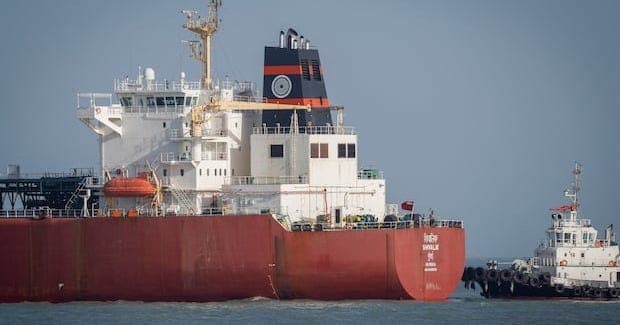
The Strait of Hormuz remains the epicenter of regional tension, with Iran explicitly stating it will **keep the Strait closed as long as tensions persist**. This stance follows a series of attacks on oil tankers—widely attributed to Iran—that have rattled global markets. The threat of disruption to one of the world's most critical energy chokepoints has driven sharp increases in oil prices and heightened fears of broader conflict.
Iran’s **Operation True Promise** exemplifies its intensified military posture. This operation has involved ballistic missile demonstrations, naval exercises, and strategic maneuvers designed to project power and deter adversaries. Recent footage and reports depict Iran unleashing missile barrages and conducting aggressive naval drills, raising the risk of miscalculation or unintended escalation.
In response, the U.S. has deployed a **amphibious assault ship to West Asia**, signaling a show of force and readiness to protect shipping lanes. Additionally, the deployment of **autonomous vessels to counter Iranian mines**—confirmed by UK Defense Secretary John Healey—reflects efforts to safeguard maritime commerce amid Iran’s increasing use of maritime tactics to threaten navigation.
### Escalation of Missile Barrages and Threats Against Israel
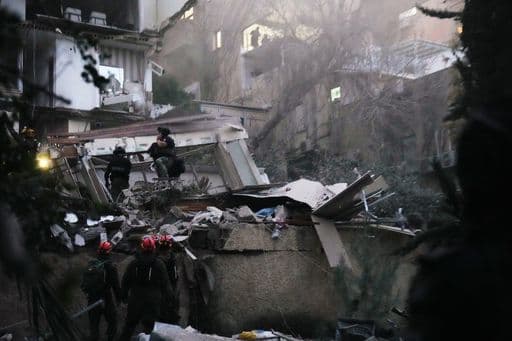
Iranian-backed forces, notably the Islamic Revolutionary Guard Corps (IRGC), have increased missile attacks targeting Israeli positions and strategic sites. Reports indicate ongoing **live targeting threats and barrage attacks** in Israel’s Negev region, heightening fears of a wider regional conflagration. Notably, a recent **missile attack on the Isfahan industrial zone** resulted in **15 civilian casualties**, marking a significant escalation and highlighting Iran’s capability for devastating strikes on civilian infrastructure.
Iran’s missile activity also includes **potential targeting of Dimona**, Israel’s nuclear reactor site, raising concerns about proliferation and the risk of an all-out regional war if miscalculations occur.
## Proxy Warfare and Regional Diplomacy
Iran’s regional proxies continue their destabilizing activities despite setbacks from recent conflicts such as the Gaza war. Covert militias and militant groups have increased attacks across the Middle East, complicating diplomatic efforts and raising the prospect of escalation.
**Turkey’s confrontation with Iran** over a missile incident signals a more assertive regional posture. Turkish Foreign Minister Hakan Fidan has vowed to prevent the conflict from spreading further, reflecting shifting regional alliances and strategic calculations.
Meanwhile, **Israel and Lebanon are reportedly preparing for direct talks**, aiming to reduce cross-border tensions and prevent Iran-backed proxy conflicts from spiraling into wider regional war.
**Diplomatic outreach is also ongoing at the European level**, with France and Italy actively seeking agreements with Iran to ensure the safe passage of commercial shipping. These efforts aim to stabilize vital energy routes, even amid ongoing threats and military tensions.
## Diplomatic Engagements and International Efforts
Despite the escalation on the ground, diplomatic channels remain active. Oman’s Foreign Minister **Badr al Busaidi** has renewed calls for dialogue, warning that **“off-ramps are available”** and emphasizing the importance of de-escalation to prevent a broader war.
High-level communications underscore international interest in diplomatic solutions. For example, a **call between Russian President Vladimir Putin and former U.S. President Donald Trump** signals ongoing diplomatic engagement, even amid heightened tensions.
The **United Nations Security Council** remains a forum of intense contention, with Iran and Israel exchanging sharp accusations over missile proliferation and nuclear ambitions. While deep diplomatic rifts persist, international actors continue to urge dialogue, emphasizing that escalation must be prevented through sustained diplomatic pressure and accountability.
## Recent Incidents and Strategic Responses
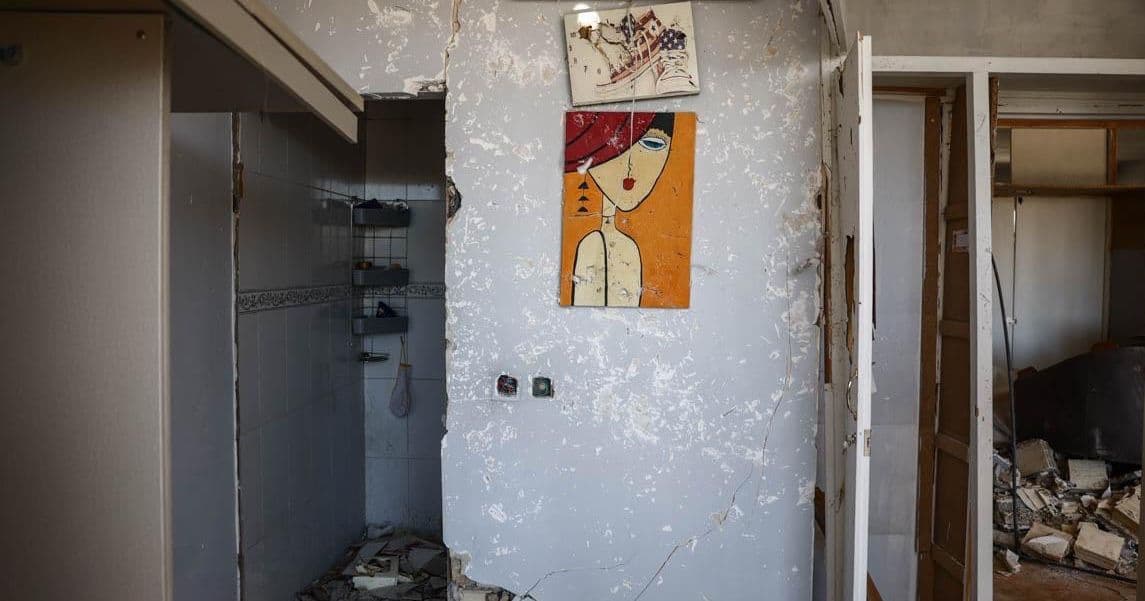
Adding to the complexity, **a deadly missile strike in Isfahan** resulted in civilian casualties, marking a significant escalation in Iran’s military activities. The strike underscores Iran’s vulnerability and the high stakes involved in the ongoing conflict.
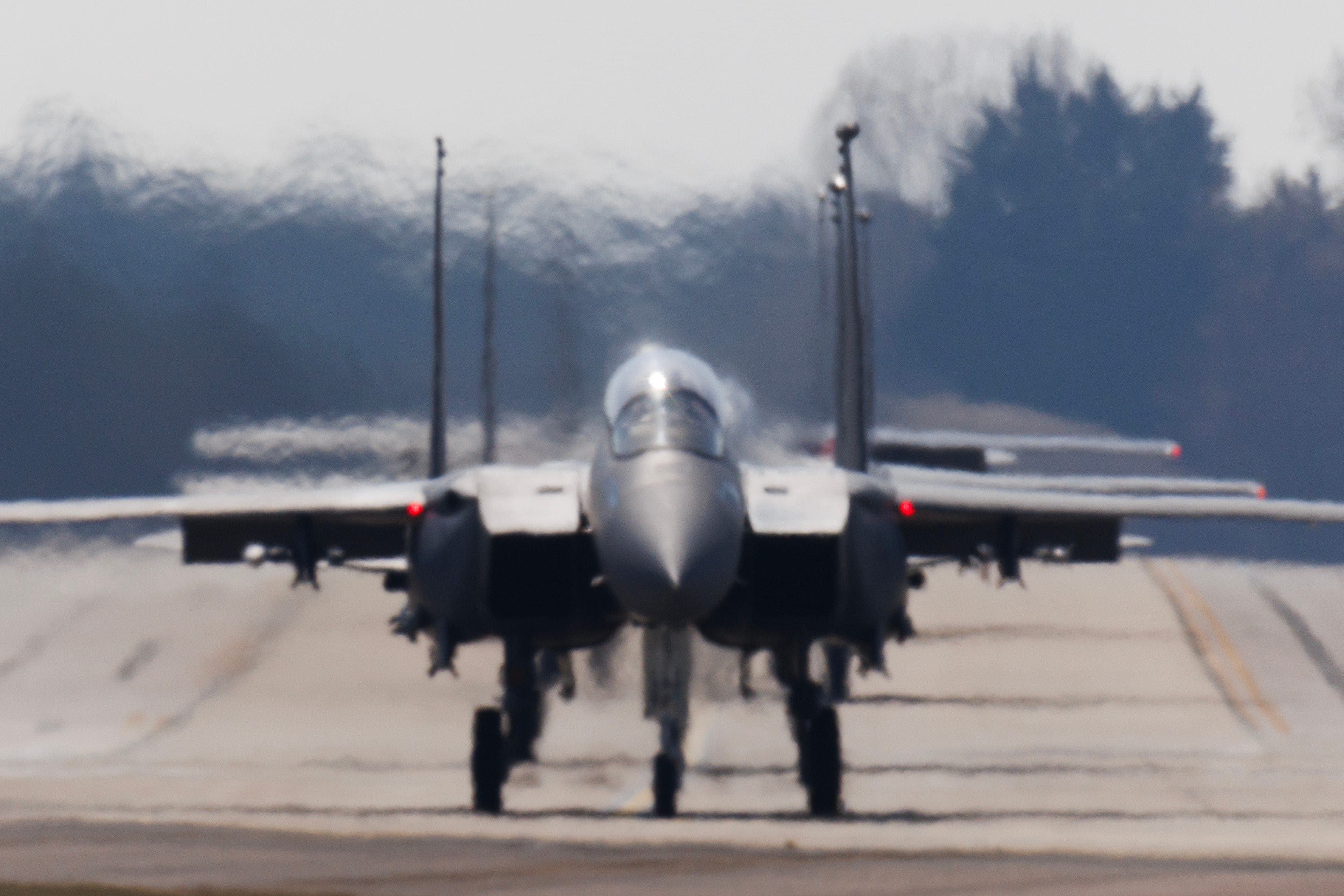
In response, **U.S. and allied forces have increased military preparedness**, with reports of **live missile targeting threats** aimed at Israel, and ongoing naval operations designed to counter Iranian mines and aggression.
### Strategic Analyses and Expert Perspectives
Retired military generals and analysts have weighed in on Iran’s war strategy. A recent YouTube analysis titled **"Retired generals break down Iran war strategy after week 2"** offers insights into Iran’s calculated use of missile barrages, naval demonstrations, and proxy operations as a multi-layered approach to deterrence and escalation. Experts warn that Iran’s combination of military demonstrations and asymmetric tactics aims to **keep regional and global powers on edge**, maximizing leverage without outright open conflict—yet the risk of misjudgment remains high.
### Current Status and Implications
The situation remains **highly volatile**. While diplomatic efforts—such as regional talks, European negotiations, and back-channel communications—persist, the risk of accidental or intentional escalation continues to loom large. The deployment of **autonomous vessels and U.S. amphibious ships**, coupled with Iran’s missile barrage and naval maneuvers, signals readiness for a possible broader conflict.
**Implications are profound**: energy markets remain vulnerable to disruption, regional alliances are shifting, and the possibility of wider war persists if de-escalation efforts falter.
---
**In summary**, the Iran–U.S. crisis is at a pivotal juncture. While some sanctions are being softened, military activities and proxy conflicts have intensified, raising the stakes for regional and global stability. The coming weeks will be critical in determining whether diplomatic channels can prevail over military escalation, or if the region risks slipping into open warfare. The international community’s ability to balance pressure, negotiation, and preparedness will shape the future trajectory of this complex crisis.