# AI and Design in 2026: Pioneering Accessibility, Confidence, and Inclusion
The year 2026 stands as a pivotal milestone in humanity’s ongoing quest to create a society where technology actively empowers every individual—regardless of ability, background, or circumstance. Building upon the remarkable innovations of recent years, this era is distinguished by **deeply empathetic, context-aware AI systems** seamlessly integrated into daily life. These systems are transforming sectors such as education, healthcare, urban living, workplaces, and digital environments—fostering **autonomy**, **confidence**, and **social inclusion** on an unprecedented scale.
At the heart of this transformation lies a **fundamental shift:** **AI systems that genuinely understand and respond to human needs**, respecting cultural nuances, emotional states, and individual contexts. This empathetic approach transcends mere automation, aiming instead to craft **personalized, dignified support** that enhances independence and promotes active societal participation.
---
## The Evolution of Empathetic, Human-Centered AI
By 2026, **mature AI** has advanced beyond simple automation into **emotion-sensitive agents** capable of recognizing **emotional cues**, **cultural differences**, and **personal circumstances** with remarkable precision. These AI solutions are embedded across **classrooms, clinics, workplaces, and public spaces**, providing **scalable, personalized support** that bolsters **self-confidence** and **autonomy**, especially for individuals with disabilities, neurodivergence, or health conditions.
**Empathetic AI** now fosters not just functional improvements but also **dignity and empowerment**, reinforcing **social inclusion**. As one expert emphasizes, "Technology is no longer just about efficiency; it's about understanding and respecting human diversity." This shift underscores a broader societal commitment to ensuring technology serves as an enabler for all.
---
## Sector-Specific Innovations and Their Transformative Impact
### Education and Mental Health
- **AI Classroom Aides**: In Haifa, Israel, the **"Buddy" robot** now actively supports teachers by delivering **personalized learning prompts** and performing **emotional recognition** tasks. This integration has **significantly improved engagement** among neurodivergent students, creating classrooms where instruction dynamically adapts to emotional and cognitive signals—making education more inclusive.
- **Emotion-Aware Tutors**: Globally, AI-driven tutoring platforms analyze **facial expressions**, **tone of voice**, and **behavioral cues** to **respond in real time**. For example, an 11-year-old in Tokyo reported feeling **more confident** after interacting with an AI that provided **instant encouragement** aligned with her emotional signals. These tools foster **independent learning** and **emotional resilience** by recognizing each learner’s **unique needs**.
- **Culturally Sensitive Mental Health Platforms**: In Hong Kong, AI-powered mental health apps now deliver **tailored positive exercises** and **emotional regulation techniques** that **respect local cultural contexts**. These platforms serve as **stigmatization-free support systems**, improving **accessibility**, reducing **societal barriers**, and enabling **early intervention** outside traditional clinical settings—crucial in densely populated, culturally diverse environments.
### Healthcare, Rehabilitation, and Assistive Technologies
- **Autonomous Healthcare Support**: Innovations have led to AI systems that **monitor patient health**, **manage medication adherence**, and **offer real-time clinical decision support**. This evolution is particularly impactful for **remote or underserved populations**, ensuring **personalized, continuous care** and **enhanced safety**.
- **Soft Robotics & Co-Developed Assistive Devices**: As detailed in **Science Robotics**, **flexible, responsive soft robotics**—developed **collaboratively with disability communities**—support **cognitive recovery** and **environmental interaction**. These devices are especially beneficial for stroke survivors and neurodivergent individuals, fostering **greater independence** and **adaptive living**.
- **Exoskeletons, Wearables, and Hearing Technologies**:
- **Personalized exoskeletons** and **assistive wearables** now incorporate **community feedback** for **enhanced comfort** and **responsiveness**.
- **AI-powered hearing aids** and **cochlear implants** feature **noise reduction**, **adaptive filtering**, and **environmental analysis** to **improve speech perception** in noisy settings.
- **Hearables** and **audio glasses** provide **instantaneous captions** and **environmental sound transcriptions**, **dramatically enhancing social participation** for individuals with hearing loss.
- **Bionic Gloves Market Growth**: Reflecting increased adoption, the **"Bionic Gloves Market Outlook 2026-2034"** projects this segment to become **crucial for rehabilitation and daily assistance**, enabling **precise hand movements**, **fine motor control**, and **sensory feedback**—significantly **improving independence and quality of life**.
### Workplace Inclusion and Digital Accessibility
- **AI as a Reasonable Accommodation**: Workplace tools increasingly leverage **AI-enabled features**—such as **adaptive communication aids**, **sensory modulation systems**, and **customized workflow management**—which are now considered **standard accommodations** for neurodiverse employees. This progress fosters **equity**, **confidence**, and **productivity**, transforming workplaces into **truly inclusive environments**.
- **Integrated Accessibility in Design**: Leading organizations like **Atlassian** have embedded **accessibility checks** directly into their **design workflows**, ensuring **digital products** are **more accessible**, **culturally relevant**, and **user-friendly**. This approach broadens **societal participation** and sets **industry-wide standards** for **inclusive design**.
---
## Transforming Urban and Physical Environments
Technological advances are **radically reshaping urban spaces** to be **more accessible and inclusive**:
- **Real-Time Indoor Navigation & Digital Wayfinding**: Cities now deploy **smart beacons**, **QR-enabled signage**, and **digital overlays** that provide **audio descriptions**, **multilingual instructions**, and **environmental cues**. For instance, collaborations between **Brownsville South Padre Island International Airport** and **GoodMaps** exemplify **indoor navigation solutions** tailored for travelers with visual impairments, **significantly enhancing mobility and confidence**.
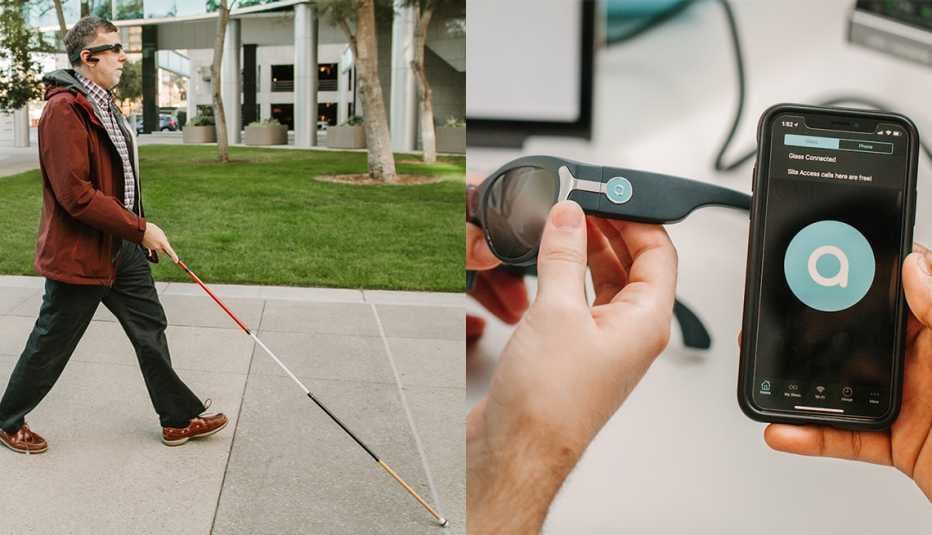
- **Assistive Wearables & Smart Glasses**: Devices equipped with **AI-powered object detection**, **navigation cues**, and **environmental alerts** support **independent movement** in complex urban settings, enabling users to **navigate safely and confidently**—fostering **autonomous mobility**.
- **Physical-Digital Environment Integration**: Cities incorporate **tactile pathways**, **raised symbols**, and **AR-enabled signage**—creating **navigable, inclusive spaces** that encourage **autonomous exploration** for residents and visitors alike.
---
## Digital Accessibility and Developer Innovation
The digital landscape continues its rapid evolution, driven by **AI advancements**:
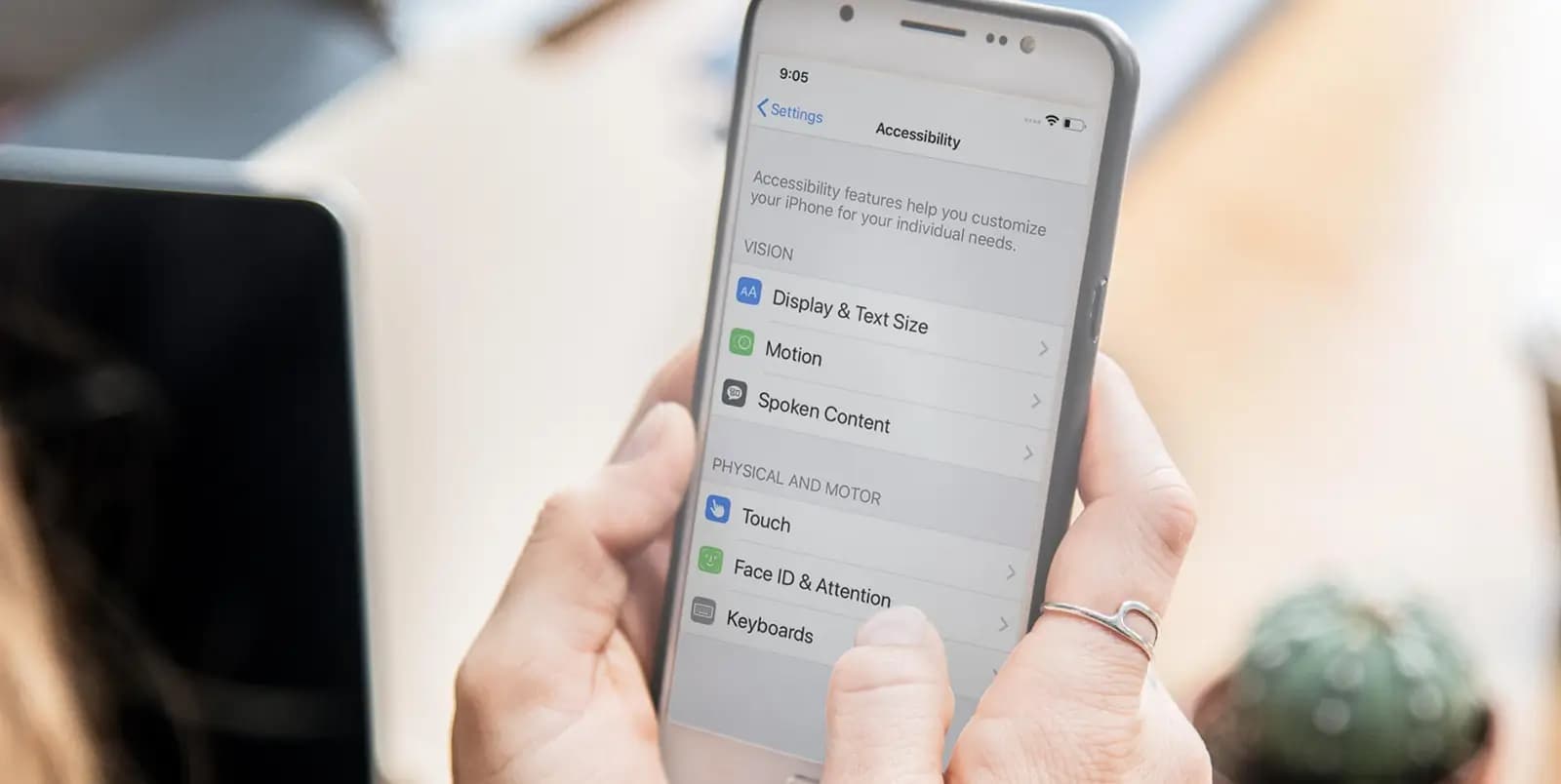
- **AI-Generated Alt-Text & Scene Interpretation**: Generative AI now **automatically analyzes images** to produce **rich, contextual descriptions**, greatly **enhancing screen reader accessibility** and **content inclusivity**.
- **AI-Enhanced Content Remediation**: Platforms like **BrowserStack** utilize AI to **remediate complex PDFs** and perform **comprehensive accessibility testing**, streamlining workflows for developers and ensuring **products meet high inclusive standards**.
- **Inclusive Design Practices**: Organizations such as **Atlassian** embed **accessibility checks** directly into their **design tools**—fostering a **culture of inclusivity** where **every digital product** is crafted with **diverse users** in mind.
- **Scene Text & OCR Technologies**: Advanced **optical character recognition** and **scene text interpretation** enable assistive devices to **navigate environments more effectively** by providing **real-time textual information** to users with visual impairments.
- **Educational Resources & Community Tools**: Tutorials like **"Making Apps Accessible with Kotlin and Compose"** and webinars **"Simplify Accessibility with AI"** continue to democratize accessibility knowledge, empowering developers globally, while community-led initiatives **expand support** across platforms.
---
## Market Trends, Policies, and Ethical Considerations
The **assistive technology sector** is experiencing **accelerated growth**:
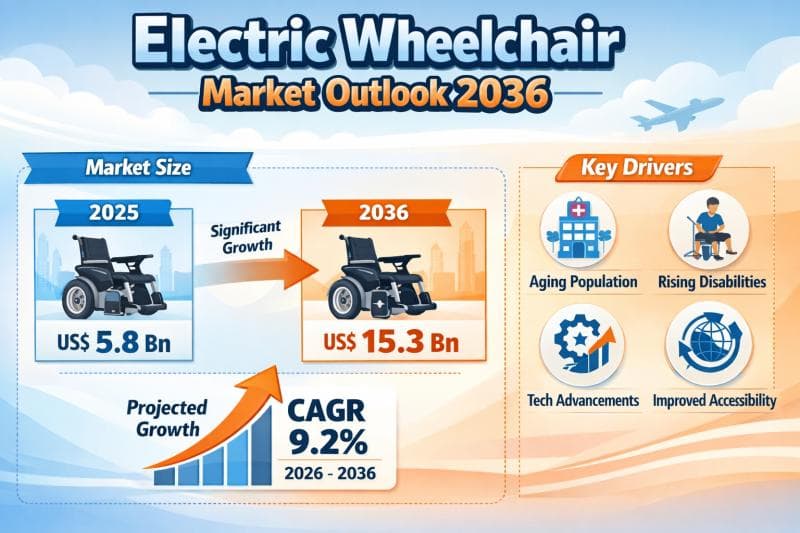
- The **assistive tech market** was valued at approximately **US$7.55 billion in 2022** and is projected to reach **US$13.34 billion by 2030**.
- The **assistive robotics market**—fueled by innovations in **rehabilitation**, **occupational safety**, and **daily mobility solutions**—is expected to approach **USD 20 billion by 2035**.
- The **neurorehabilitative gaming** and **brain-computer interface markets** are expanding swiftly, supported by significant investments.
- **Eldercare robots**, including **robotic nurses**, are anticipated to reach **USD 10.2 billion by 2035**, addressing demographic shifts and workforce shortages.
### Recent Human-Centered Innovations
A notable example is **Antoinette Banks**, whose **dedication** led to **EZDUCATE**, an **AI-powered educational platform** tailored for children with learning differences. By providing **adaptive learning**, **emotional recognition**, and **personalized support**, EZDUCATE empowers **students and families** to **overcome barriers** and **foster confidence in learning**.
In urban mobility, collaborations like **Brownsville Airport** and **GoodMaps** demonstrate how **indoor navigation solutions** **vastly improve mobility** for travelers with visual impairments, **enhancing independence** and **confidence**.
### Ethical and Responsible Deployment
As AI systems become more **autonomous**, issues surrounding **privacy**, **transparency**, and **user agency** grow more critical. Efforts are focused on **embedding ethical principles**—including **privacy safeguards**, **explainability**, and **community participation**—to **build trust**.
Innovations such as **assistive robots** and **exoskeletons** are developed with **ethical safeguards**, emphasizing **user consent** and **data privacy**. The overarching goal remains **technology serving users responsibly**, respecting **dignity** and **agency**.
---
## Incorporating Practical Design Guidance and International Case Studies
To reinforce accessible design standards, leading organizations now reference **Microsoft’s Application Design Guidelines**, which **embed principles of accessibility** into core development practices. These guidelines promote **inclusive design** that ensures software is usable by everyone, including those with disabilities, and are increasingly adopted globally.
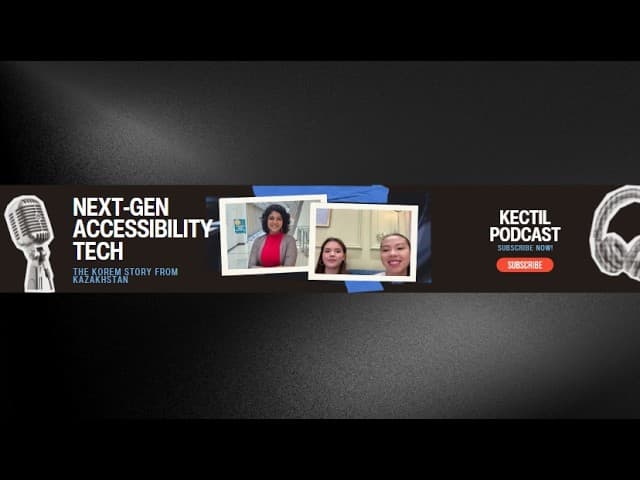
A compelling international example is **KOREM** from Kazakhstan, showcased in a recent **YouTube case study**. KOREM exemplifies **next-generation accessibility technology** driven by **community-led innovation**, integrating **AI-powered assistive devices**, **local cultural considerations**, and **co-designed solutions** that address specific regional needs. Such initiatives highlight the importance of **community participation** in crafting **sustainable, culturally relevant accessibility solutions**.
---
## Current Status and Future Outlook
Today, **AI** and **human-centered design** are **indispensable** in advancing **equity**, **confidence**, and **inclusion**. The combination of **market momentum**, **supportive policies**—including updates to **WCAG standards**—and **community-driven initiatives** forms a robust foundation for a future where **technology** genuinely **serves all members**.
Looking forward, the landscape promises **more sophisticated assistive robotics**, **AI-enabled urban environments**, and **digital ecosystems** that are **fully inclusive**—all guided by **ethical standards** and **community co-design**. The collective aspiration is a **future where technology acts as a universal enabler**, dismantling barriers and opening new horizons for everyone.
**The future is inclusive—driven by empathetic AI and thoughtful design, offering limitless possibilities for all.**