# Continuing Crisis in the Philadelphia Region as Winter Storm Fern Wreaks Havoc
The Philadelphia metropolitan area remains deeply embroiled in a multifaceted emergency following the relentless onslaught of Winter Storm Fern. With its heavy snow, ice, and high winds persisting, the region faces a surge of deadly crashes, water rescues, fires, hazardous material incidents, and widespread infrastructure failures. Recent developments underscore the escalating severity of the crisis, highlighting the immense challenges emergency responders, utilities, and communities confront daily.
---
## Escalating Fatal Incidents and Emergency Response Challenges
### Deadly Crashes and Waterway Emergencies
Conditions wrought by ice, snow, and gusty winds have created treacherous conditions leading to tragic accidents:
- **Multi-vehicle pileups** on major highways such as **I-95** and **I-79** have resulted in multiple fatalities and injuries. Footage of a **tractor-trailer rollover on I-79** vividly illustrates the danger posed by slick, icy roads, which have caused drivers—both commercial and civilian—to lose control.
- In **New Castle, Pennsylvania**, authorities confirmed the death of a man involved in a collision during the storm’s chaos, emphasizing the dangers of storm-related driving.
- Rescue teams are actively engaged in **urgent search-and-rescue operations** for victims trapped in icy waters:
- A vehicle **plunged approximately 120 feet into the ice-covered Monongahela River**, prompting a tense, high-stakes rescue under freezing conditions.
- Near Cherry Street Pier in Philadelphia, responders recovered a vehicle from the **Delaware River** following a high-speed crash, illustrating ongoing risks for water travelers amidst storm chaos.
### Fires, Structural Hazards, and Hazardous Material Incidents
Storm-induced stress has ignited multiple fires and caused structural hazards, straining already stretched emergency resources:
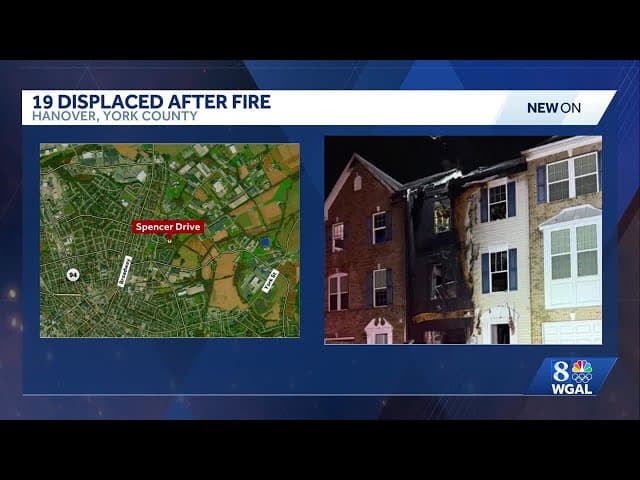
- A **residential fire on Teesdale Street in Mayfair** resulted in the death of a man. Electrical hazards from prolonged power outages—such as burst pipes and electrical faults—are suspected contributors.
- Several neighborhood fires have erupted, often caused by **burst pipes, downed power lines, or electrical faults** exacerbated by the storm’s stress.
- Noteworthy incidents include:
- An **apartment fire involving severe burns**, with emergency footage showing intense flames engulfing the structure as firefighters battled the blaze.
- A **fire near suspected explosive materials** in Montrose, Susquehanna County, prompted a **hazardous-material response** and **temporary evacuation**. Firefighters faced intense flames at an explosives storage site, underscoring the complex dangers posed by storm damage. No injuries were reported, but the incident highlights the layered risks in storm-affected environments.
---
## Missing Persons and Active Search Efforts
The chaos has also led to multiple critical missing persons cases, with authorities conducting active investigations:
- **Jesse Reed**, 46, was last seen earlier this week in Philadelphia’s 5th District.
- **Sayir Taylor**, 17, a South Philadelphia teen, was reported missing during the storm.
- **Edwin Fernandez-Matta**, 60, is missing from North Philadelphia.
- **Latonia Johnson**, 52, was added to the list recently, last seen in Northeast Philadelphia.
- **Newly Reported: Emmanuel Posado**, 39, was last seen Saturday evening in Philadelphia’s 26th District. Police describe him as endangered and are urging the public’s assistance in locating him.
Emergency teams stress the urgency of these cases, but ongoing storm hazards—such as icy roads, downed power lines, and flooding—continue to complicate rescue and search efforts, posing additional risks to vulnerable populations.
---
## Infrastructure Failures Deepening the Crisis
### Water Main Breaks, Flooding, and Utility Disruptions
Extensive infrastructure damage persists across the region:
- **Over 100 water main ruptures** have been reported, severely impacting neighborhoods including:
- **8th and Brown in North Philadelphia**
- **Mount Airy**
- **South Philadelphia**
- **Nicetown**
- **Penn Hills**
- Flooded streets have submerged parking garages and vital facilities:
- In **Spring Garden**, nearly **a foot of water** has hampered access to **Penn Hospital** and **University City**.
- In **Nicetown**, a significant water main on Juniata Street remains unrepaired due to **frozen infrastructure** and resource shortages, frustrating residents eager for restoration.
### Power Outages and Utility Strains
Downed trees, ice-laden power lines, and storm damage have left thousands without electricity, endangering vulnerable populations reliant on indoor heating and medical devices. Utility crews continue working under hazardous conditions, but outages persist, prolonging safety hazards and hampering recovery efforts.
### Transportation Disruptions and Structural Hazards
Icy roads and sidewalks remain deadly:
- A major crash on **I-81 in Lebanon County** temporarily shut down the highway.
- The **tractor-trailer collision with a rail overpass in Wynnewood** caused **SEPTA’s Paoli-Thorndale Line** to suspend service temporarily. Service has since resumed but underscores the fragility of regional transportation infrastructure.
- Other dangers include **sinkholes**, **road closures**, and ongoing accidents, all impeding emergency response and daily mobility.
---
## Recent Developments: Immediate Responses and Emerging Risks
### Fire Near Explosives in Montrose
A recent fire at a suspected explosives storage site in Montrose prompted a **hazardous-material response** and **temporary evacuations**. Firefighters battled intense flames, illustrating the layered dangers of storm-related structural vulnerabilities. Fortunately, no injuries were reported, but the incident underscores the risks associated with storm-damaged infrastructure and hazardous environments.
### Water Main Failures and Evacuations
Further infrastructure failures have displaced residents:
- Families in **North Philadelphia** and neighboring areas have been evacuated due to flooding and pipe failures.
- Flooded streets severely hinder rescue and relief operations, emphasizing the urgency of **rapid infrastructure repairs** and **flood mitigation efforts**.
### Education and Community Impact
The storm’s aftermath continues to disrupt daily life:
- The **School District of Philadelphia** initially announced that **all schools and district offices would shift to virtual learning from February 23 to 27, 2026**—a temporary measure to ensure safety amid ongoing hazards.
- **Recent updates** now indicate the district’s plans to **resume in-person classes** starting **Wednesday, February 28**, reflecting improvements in safety and infrastructure stabilization.
- Transit authorities have issued **service advisories** amid an approaching **nor’easter and Arctic blast**, warning of potential delays and further disruptions.
- Forecasters predict **more severe weather** in the coming days, including a **powerful nor’easter and Arctic blast** bringing heavy snowfall, ice accumulation, and gale-force winds. Coastal regions in New Jersey face heightened **flooding risks** during high tides and full moon phases, further complicating recovery efforts.
### Social Incidents and Operational Challenges
Recent reports include a **snowplow altercation** in Philadelphia, where a driver was struck during a confrontation over road clearing efforts. This incident reflects operational tensions and the heightened safety challenges faced by authorities amid the storm’s chaos.
---
## Current Status and Broader Implications
Emergency responders remain actively engaged in rescue, recovery, and safety operations. However, the persistent threat of additional storms, refreezing cycles, and extreme weather complicates these efforts. The forecast indicates **more severe weather events ahead**, including additional snow, high winds, and possibly another system that could further disrupt travel and recovery.
### Critical Vulnerabilities and the Path Forward
The recent surge in incidents has exposed **significant vulnerabilities** in the region’s **emergency preparedness and infrastructure resilience**. Key priorities moving forward include:
- **Enhanced coordination** among agencies to expedite rescue and relief efforts.
- **Accelerated infrastructure repairs**, focusing on water, power, and transportation systems.
- **Investment in resilient infrastructure**, such as flood defenses and storm-resistant utilities, to withstand increasingly frequent and intense climate-related disasters.
---
## Conclusion
Winter Storm Fern has inflicted profound and multifaceted devastation across the Philadelphia region, claiming lives, damaging critical infrastructure, and challenging emergency services at every turn. As the region braces for more severe weather—including a potential nor’easter and Arctic blast—authorities and communities must prioritize safety, resilience, and strategic planning. The ongoing crisis underscores the pressing need for comprehensive preparedness measures to safeguard vulnerable populations and facilitate swift recovery in an era marked by increasingly unpredictable and extreme climate events. The coming days will be pivotal in shaping the region’s capacity to adapt and recover from this relentless natural onslaught.