# Navigating Homeownership in 2026: An Expanded Perspective on Legal, Financial, Technological, and Environmental Frontiers
The landscape of homeownership in 2026 remains one of the most complex and rapidly evolving sectors of personal finance and property law. Driven by soaring property values, groundbreaking technological innovations, environmental challenges, and legislative reforms, the current environment demands that homeowners, investors, and industry professionals stay not only informed but also proactive. Recent developments underscore the importance of meticulous legal and financial management, technological literacy, climate resilience, and mental well-being—elements essential for safeguarding assets and capitalizing on emerging opportunities amid a volatile housing market.
## Rising Property Values Amplify Legal and Financial Risks
Over the past two years, regions such as California and Florida have experienced **property price increases exceeding 15% annually**. This relentless appreciation, fueled by limited supply, historically low interest rates, and persistent demand, has inflated **property tax bills** and heightened associated risks.
As property values soar, **tax liens** are becoming more prevalent:
- **Unpaid property taxes** can **rapidly accumulate**, leading to liens that **block refinancing efforts** or **sale transactions**.
- If unresolved, these liens may **accelerate into foreclosure**, with local governments **streamlining legal procedures**—often initiating **court proceedings within months** of missed payments.
**Recent developments** include:
- Local governments adopting **more aggressive lien enforcement strategies**, including **early court actions** and **shortened timelines**.
- Legislative measures expanding **payment plan options**, **exemptions** (e.g., for seniors or disabled homeowners), and **assessment appeals** to address escalating tax burdens.
- A surge in **tax foreclosure auctions**, presenting lucrative opportunities for investors but posing significant risks for owners unfamiliar with the process.
**Homeowners are advised to:**
- **Regularly verify property assessments** via official notices or online portals.
- **Appeal assessments promptly** if recent appraisals or comparable sales suggest overvaluation.
- **Negotiate payment plans** or **apply for exemptions** to reduce liabilities.
- **Consult legal and financial professionals early** to develop manageable payment strategies, thus reducing foreclosure risks.
Proactive tax and assessment management has become essential as property values continue their upward climb, making vigilance crucial to preserve ownership rights and financial stability.
## Technological Innovations Transform Title and Documentation Management
Ensuring **clear title ownership** remains fundamental to secure homeownership. Technology is revolutionizing this domain:
- **AI-powered digital title search platforms** (e.g., **TitleTech**) now facilitate **real-time lien, judgment, and claim identification**, reducing search durations from days to hours and improving accuracy.
- **Blockchain technology** is increasingly employed to create **immutable, transparent property records**, enhancing trust and reducing fraud risks.
- **Enhanced title insurance policies** now often **cover hidden claims or unknown encumbrances**, with lenders requiring **robust policies** before loan approval.
- **Cloud-based documentation systems** enable **digital storage, sharing, and retrieval** of property records, minimizing disputes and ensuring all encumbrances are **current and correctly reflected**.
- **Automated Valuation Models (AVMs)** provide **rapid property estimates** during pre-listing or pricing, though **discrepancies** with traditional appraisals—especially for high-value or unique properties—still occur.
- **Pre-listing inspections** now routinely encompass **structural, environmental, and safety assessments**, reflecting the increased environmental risks homeowners face.
**Recent technological advances** include:
- The integration of **blockchain** for **immutable property records** enhances transparency.
- **Digital escrow platforms** streamline **closing procedures**, reducing transaction times.
- **Mobile apps** allow homeowners to **monitor liens, property values, and legal notices** conveniently.
By leveraging these tools, homeowners and professionals can **protect against future claims or disputes** through **accurate, up-to-date documentation** and a transparent ownership record chain.
## Climate-Driven Insurance Changes and Resilience Upgrades
Environmental risks continue to shape **homeowners’ insurance markets**:
- **Premium hikes** remain common; for example, **fire insurance premiums in wildfire-prone California** have increased by over **30% since 2024**.
- Legislative initiatives, such as **California’s FAIR Plans**, aim to expand coverage options and improve transparency in high-risk areas.
- Disasters like the **2023 Maui wildfires** highlight the critical importance of **adequate, resilient insurance policies** and **disaster preparedness**.
**Recent developments** include:
- Insurance providers offering **discounts for mitigation measures**, such as **fire-resistant roofing**, **defensible landscaping**, **flood barriers**, and **climate-resilient infrastructure**.
- The advent of **specialized climate resilience policies** that incorporate **performance-based discounts** and **coverage for environmental hazards**.
- Governments mandating **building code upgrades** to enhance **structural resilience**, which influence **insurance premiums** and **property values**.
**Homeowners should**:
- Invest in **fire-resistant roofing** and **defensible landscaping**.
- Install **flood barriers** and **climate-resilient infrastructure**.
- **Review and update insurance policies regularly** to ensure coverage aligns with current environmental risks.
Such proactive resilience investments not only **reduce insurance costs** but also **protect property values** and **enhance safety** amid increasingly volatile climate conditions.
## State and Local Laws Drive Regulatory Reforms and Housing Expansion
Recent legislative efforts focus on **addressing housing shortages and affordability**:
> **"Title: State Housing Expansion Law Prompts Local Review in Southwest Harbor."**
Communities like Southwest Harbor and other island towns are **reevaluating zoning regulations, permit processes, and land use policies** to support **housing supply growth**. These laws promote **upzoning**, **density bonuses**, and **streamlined permitting**, especially for **affordable and diverse housing options**. However, **balancing growth with environmental preservation and community character** remains a key challenge.
**Recent legal developments** include:
- Adoption of **Inclusionary Zoning**, requiring affordable units in new developments.
- Expanded **Accessory Dwelling Unit (ADU) regulations**, increasing housing options.
- Deployment of **digital permitting platforms** to **reduce approval times**.
- Efforts to **protect green spaces** and **maintain community aesthetics** amidst increased development.
**Implication**: Homeowners and developers should **monitor local and state regulatory changes**, as these influence **property values**, **development opportunities**, and **community character**.
## Mortgage Rate Environment and Strategic Financial Moves
Mortgage rates have stabilized around **6.1%**, influenced by **Federal Reserve policies**, inflation, and global economic factors. The **FOMC** has indicated potential for further rate hikes, which could **increase borrowing costs** and impact **housing affordability**.
**Recent insights** include:
- Experts warn that **lower interest rates** may **trigger a home price correction**:
> **"Lower Rates Will Crash Home Prices,"** warns Jared Dillian, emphasizing that **sharp rate reductions** can **fuel demand surges**, leading to **overvaluation and subsequent correction**.
- Conversely, **rising rates** tend to **cool demand**, potentially stabilizing or decreasing prices.
**Strategic considerations**:
- **Buyers** should consider **locking in fixed-rate mortgages** now to hedge against future hikes.
- **Existing homeowners** are encouraged to **refinance promptly** to **secure current rates**.
- **Developers and investors** should **monitor FOMC signals** to optimize timing for acquisitions or sales.
The ongoing debate about **paying off mortgages early** versus **investing spare funds** continues:
- **Early repayment** reduces debt and interest costs.
- **Investing** might **yield higher returns** if interest rates stay low.
**Implication**: Timing mortgage decisions amid rate fluctuations is critical, requiring **strategic planning** to optimize financial outcomes.
## Post-Mortgage Ownership: Responsibilities and Opportunities
Once a mortgage is fully paid, homeowners gain **full ownership rights**, but **new responsibilities** emerge:
- **Official Record Updates**: Ensuring **lien releases** are filed with local authorities to confirm **clear title**.
- **Tax and Insurance Management**: Without escrow accounts, owners must **manage property tax and insurance payments** independently; neglect can lead to **delinquencies** or **coverage lapses**.
- **Estate Planning**: Fully owned properties are substantial assets. Regularly reviewing **estate plans**, updating **titles**, and understanding **inheritance tax implications** are essential.
**Recent recommendations** include:
- Confirm **lien releases** have been filed.
- Set **reminders for tax and insurance payments**.
- Consult **estate planning professionals** to **optimize asset transfer** and **minimize tax burdens**.
**Additional context**: The **worsening leak in the Social Security trust fund**, as reported by the Congressional Budget Office, threatens long-term benefits for retirees relying on Social Security, emphasizing the importance of **diversified retirement strategies** beyond home equity.
## Oversight, Community Support, and Resilience Initiatives
Legislative and community efforts continue to prioritize **transparency, oversight, and disaster recovery**:
- The **Select Committee on Property Management Companies** aims to **improve transparency** regarding **fees**, **maintenance practices**, and **tenant-owner relations**.
- Local governments **reevaluate zoning policies** to balance **growth** with **environmental sustainability** and **community interests**.
**Community programs** remain vital:
- **Resource fairs**, like recent events in **Kearney**, connect residents with **utilities**, **employment**, and **housing assistance**, especially for those facing financial hardships.
- **Disaster recovery initiatives**, including FEMA’s ongoing support after wildfires, assist homeowners in rebuilding and navigating insurance claims.
- **Corporate contributions**, totaling over **$3 million** from organizations like **Save Mart**, **Hannaford**, and **Walmart**, bolster **food access**, **education**, and **storm relief**, fostering resilience.
**Implication**: Strengthening oversight and community initiatives enhances **trust**, **stability**, and **disaster preparedness**.
## Personal Finance, Retirement Strategies, and the Role of Fintech/AI
Expert advice emphasizes **long-term financial stability** amid economic uncertainties:
> Artis Shepherd from the **Mises Institute** highlights that **"The idea that homes automatically generate wealth ignores the significant costs, market risks, and opportunity costs involved."**
**Key strategies**:
- Maintain **robust budgeting** and **shared financial goals**.
- Conduct **regular expense reviews**.
- Leverage **digital tools** for **tracking savings, investments, and expenses**.
- Build **emergency funds** to weather market volatility.
**Recent valuable resources** include:
- A **YouTube video titled "My Net Worth At 30 Years Old - How Much Money I've Saved, Invested & Total Debt"**, which offers insights into **personal asset management** and **debt control**—crucial for homeowners managing substantial assets and liabilities.
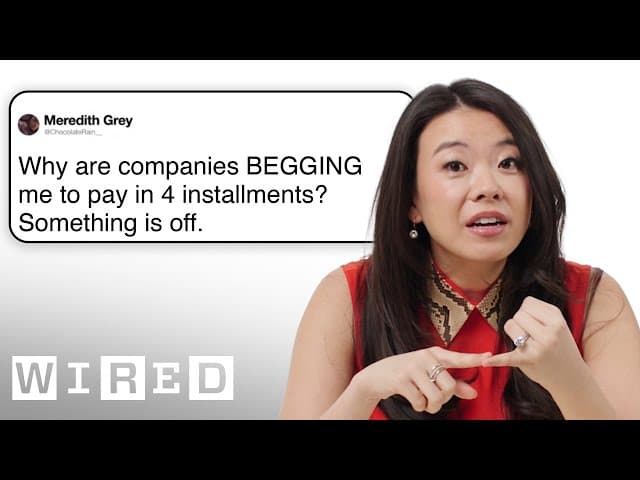
- Additional content like **"Your Rich BFF Vivian Tu Answers Personal Finance Questions | Tech Support | WIRED"** and **"9 Frugal Living Tips That Build Quiet Wealth (No Luck, No Stress)"** provide practical, actionable advice for responsible financial management and frugal living.
**Retirement planning** has grown increasingly vital; with **longer life expectancies** and pressures on Social Security, continuous assessment of **withdrawal strategies**, **investment diversification**, and **asset allocation** are essential for long-term security.
**Financial tools**:
- **Bucket strategies**—segregating savings into immediate, growth, and long-term pools—are gaining popularity.
- **Weekly savings routines** promote disciplined wealth-building efforts.
**Implication**: **Strategic financial management**, supported by modern tools and informed by expert guidance, ensures **long-term security** and **financial resilience**.
## The Impact of AI and Fintech in Homeownership and Personal Finance
AI and fintech continue to **transform** the **personal finance** and **property management** landscape:
- **AI-driven analysis** offers **personalized risk assessments**, **investment advice**, and **market insights**, but caution is advised against **overreliance**, emphasizing verification with licensed professionals.
- **Fintech platforms** streamline **digital lending**, **refinancing**, and **closing processes**, often providing **faster approvals** and **lower costs**.
- **Automated documentation and closing services** significantly reduce transaction durations.
- **Alternative credit scoring models** incorporate **non-traditional data**, expanding access but necessitating **regulatory oversight**.
The overarching message: **Technology enhances efficiency, transparency, and accessibility**, yet homeowners must **maintain financial literacy** and perform **due diligence** when utilizing these tools.
## Addressing Psychological and Practical Impacts of Housing-Related Financial Strain
Managing housing costs can induce **significant stress and anxiety**. Recognizing this, recent guidance emphasizes **coping strategies**:
- Establishing **realistic budgets** to create a clear financial picture.
- Building **emergency funds** to buffer against unexpected expenses.
- **Prioritizing debt management**, including paying off high-interest debts.
- Exploring **additional income streams** through side gigs or skill development.
- Engaging in **community support** or **professional counseling** to foster resilience.
Resources like **"How to Deal With Financial Stress: 12 Tips to Take Control"** provide practical steps such as **mindful budgeting**, **seeking support networks**, and **mental health strategies** to mitigate financial anxiety.
## Current Status and Broader Implications
In 2026, **homeownership** is a landscape marked by **opportunity and risk in equal measure**. Success requires **continuous vigilance**, **technological literacy**, **climate resilience investments**, and **mental well-being**.
**Key takeaways include**:
- **Regularly monitor liens, property assessments, and legal notices**.
- **Use AI and fintech tools responsibly**, always verifying outputs with professionals.
- **Invest in climate resilience upgrades** to mitigate environmental risks.
- Stay **attuned to interest rate trends** for strategic timing of purchases, refinancing, or sales.
- Keep **legal and financial documentation current** for seamless ownership transfer.
- Leverage **community resources** for disaster recovery and financial assistance.
- Adopt **mental health practices** to cope with financial stress.
**Legislative reforms, technological innovations, and community initiatives** collectively foster **adaptability and informed decision-making**, crucial for thriving in today’s housing market.
## Final Reflection
In 2026, homeownership demands **adaptability, proactive management, and strategic foresight**. Homeowners who responsibly leverage **technology**, invest in **climate resilience**, keep **legal and financial documents up to date**, and prioritize **mental well-being** are best positioned to **protect their assets**, **mitigate risks**, and **capitalize on opportunities**. The overarching lesson remains clear: **Informed action and continuous vigilance are essential** in navigating this ever-changing environment.
---
## Key Developments and Their Significance
- **Legal & Financial Management**: Regular assessment reviews, prompt appeals, and proactive tax management are vital as property values and liens increase.
- **Technological Advancements**: AI-powered title searches, blockchain-backed records, AVMs, and digital escrow platforms improve accuracy and efficiency but require diligent oversight.
- **Environmental Risks & Insurance**: Premium hikes coupled with mitigation discounts highlight the importance of resilience upgrades.
- **Legal & Regulatory Reforms**: State and local laws promote housing expansion while balancing environmental and community concerns.
- **Interest Rate Trends**: Current stability but potential for future hikes urges strategic borrowing and refinancing.
- **Post-Mortgage Responsibilities**: Filing lien releases, managing taxes/insurance, and estate planning are essential for seamless property transfer.
- **Oversight & Community Support**: Transparency initiatives and disaster recovery programs foster trust and stability.
- **Personal Finance & Fintech/AI**: Technology enhances financial management but emphasizes the importance of responsible use and verification.
**In summary**, thriving in 2026’s housing market hinges on **responsible management, technological literacy, resilience investments, and informed decision-making**—elements crucial for navigating the complexities of modern homeownership in an ever-changing environment.