June 13, 2026
Global Threat Matrix · Jun 13 Daily Digest
US Inflation and Fed Policy Outlook
- 🔥 May CPI at 4.2%: Headline prices rose 4.2% driven largely by energy prices following the Iran conflict,...

Created by Travon Brown
Geotagged incident reports, policy updates, and systemic risk analysis for 2025‑2026
Explore the latest content tracked by Global Threat Matrix
US CPI hit 4.2% in May, hottest reading in over a year and driven by energy prices after the Iran conflict, wiping out 2026 rate cut forecasts.
-...
Divergent oil price paths emerge as baseline forecasts clash with Hormuz escalation risks.
Ukrainian drones struck near Simferopol's thermal power plant overnight, igniting a fire and triggering power outages. This incident underscores Kyiv's growing ability to target Russian energy infrastructure deep in occupied areas.
Trump abruptly cancelled strikes on Iran after claiming a deal was imminent, reversing earlier threats and easing immediate escalation risks.
Oil...
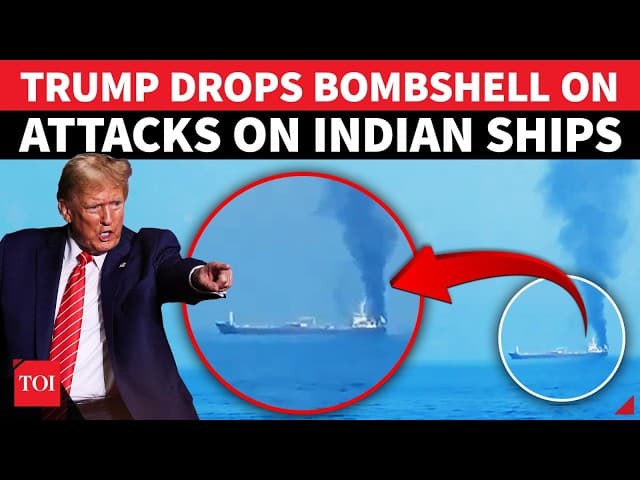
Indian seafarers face mounting risks as over 500 ships remain stranded in the Persian Gulf, forcing shipowners into costly wait-or-risk decisions.
-...
Geopolitical tensions are driving dual structural shifts: immediate asset repricing through elevated risk premiums and longer-term trade...
Financial services firms have deployed AI agents faster than they can secure them, creating systemic cyber vulnerabilities ahead of 2025-2026.
AI is accelerating the shift from structured risk assessment to automated incident handling in cybersecurity.
Wallstreet Research Center published a 2:24 video recapping the last 24 hours in geopolitics.
Escalating US-Iran strikes and Hormuz threats are driving oil price spikes that hit Asia hardest, with bunker fuel differentials hitting a record...
A fragile US-Iran ceasefire collapsed this week through interconnected fronts:
Structural anarchy and power shifts are driving the US and China toward war, as China pursues regional hegemony in East Asia to secure survival....
Jihadist groups achieve strategic reach through low-level cyber actions amplified by media, not advanced hacks.
Funding uncertainty now looms over shipbuilding, munitions, and Golden Dome as Senate appropriators declare another reconciliation bill unlikely....