# Direct War Reshapes Middle East Alliances and Risks Broader Conflagration
The rapid escalation of open conflict between the United States–Israel alliance and Iran has dramatically transformed the geopolitical landscape of the Middle East. What initially appeared as targeted strikes and covert operations has now evolved into a sustained, multi-front regional war, with missile and drone exchanges reverberating across Iran, Gulf states, and diplomatic sites worldwide. This intensification not only threatens regional stability but also raises profound concerns about global energy security and the potential for a wider, more destructive conflagration.
## From Tensions to Full-Scale Warfare: Recent Developments
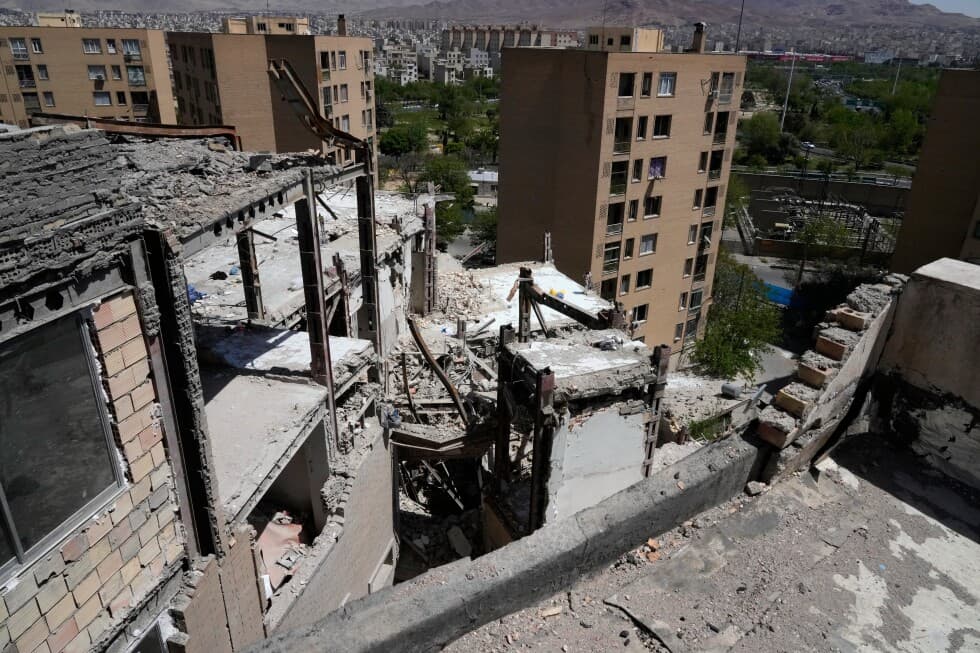
Over the past few weeks, the conflict has shifted from localized skirmishes to a relentless barrage of hostilities. Iran has launched extensive missile and drone assaults targeting strategic infrastructure, including oil facilities, military installations, and diplomatic compounds associated with the U.S. and Gulf monarchies. These strikes serve dual purposes: to weaken adversaries and to serve as a stark warning of Iran’s readiness to escalate further.
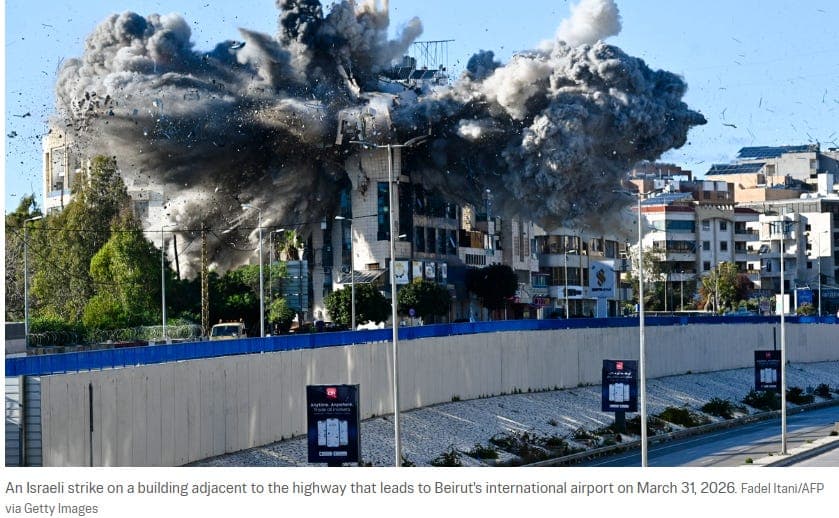
Simultaneously, Israel braces for intensified Iranian retaliation, which could target major cities and critical infrastructure. Israeli military sources warn of an expected increase in proxy attacks from Hezbollah in Lebanon and other militias operating in Syria and Iraq—groups that are actively engaged in the broader conflict, often supported by Tehran.
### Iran’s Mixed Signals and Internal Factions
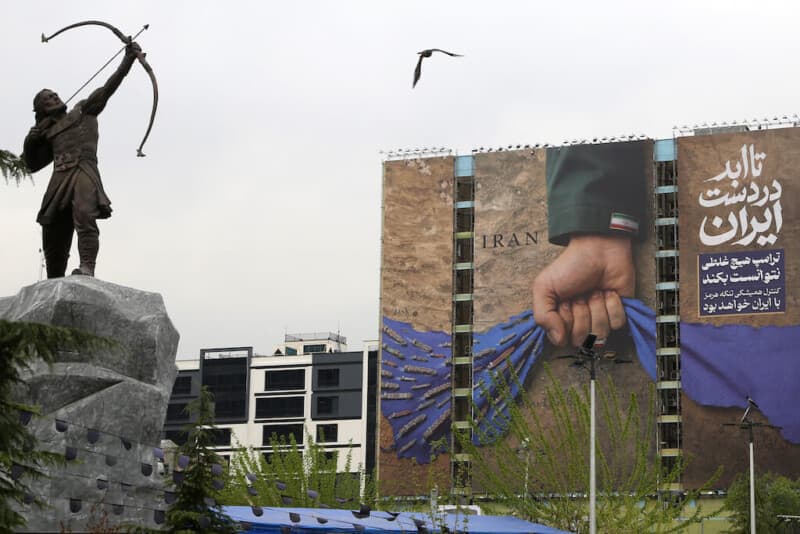
A notable feature of Iran’s current posture is the conflicting messaging emanating from Tehran. Publicly, Iranian officials emphasize their non-aggression pacts with Gulf nations and deny any intent to expand beyond their borders. Iranian leaders have reiterated their desire to defend sovereignty and resist external threats, often framing their actions as responses to foreign aggression.
In contrast, behind closed doors, Iran continues to support and coordinate proxy attacks against U.S. and allied targets, signaling a willingness to escalate if provoked further. This duality underscores internal divisions:
- **De-escalators**: Moderates and pragmatic factions advocating restraint, aiming to avoid full-blown regional war that could threaten Iran’s economy and internal stability.
- **Hard-liners**: Military and ideological factions pushing for assertive action, seeking to rally nationalist sentiment and deter foreign intervention.
Recent reports, including insights from Al Jazeera, reveal that Iran’s leadership is carefully balancing these factions, deploying mixed signals to maintain internal cohesion while pursuing strategic objectives.
### Why the Contradictory Messaging? Internal Signaling and Regional Calculus
Iranian policymakers are employing a complex communication strategy. **Publicly, they emphasize restraint**—a move to prevent alienating regional allies and to avoid international escalation. These messages also aim to placate domestic audiences by portraying Iran as resisting external threats without provoking wider conflict.
Conversely, **Iran’s military actions—such as missile strikes and proxy support—indicate readiness for confrontation**. This internal signaling serves several purposes:
- **Deterring foreign intervention** by demonstrating Iran’s capacity and resolve.
- **Managing internal political dynamics** by placating hard-line factions while maintaining diplomatic appearances.
- **Hedging regional risks** through displays of strength, without fully committing to all-out war.
Adding to the complexity, recent developments include reports that Russia is actively assisting Iran militarily, providing support "in many different directions," as Iran’s Foreign Minister acknowledged. This assistance potentially bolsters Iran’s capabilities and complicates international efforts to contain the conflict.
## Leadership Dynamics and Military Preparedness
Iran’s internal political landscape is also shifting. The appointment of a new Supreme Leader, Mojtaba Khamenei, has intensified debates over Iran’s strategic direction. Analysis suggests that Khamenei is fighting to balance the influence of hardliners with pragmatists, all while steering Iran through a prolonged conflict. His leadership is characterized by a focus on resilience and defiance, aiming to project strength both domestically and regionally.
Iran’s military leadership has declared that the country is "fully prepared for at least a 6-month war," with newer missiles still in reserve, ready to extend hostilities if necessary. Tehran’s recent statements emphasize that oil infrastructure has suffered damage but remain confident in their resilience, signaling their commitment to a prolonged conflict if required.
## Regional and Global Responses: Hedging, Diplomacy, and Strategic Calculations
Across the Middle East and beyond, regional actors are navigating a complex web of alliances, interests, and fears:
- **Gulf monarchies** such as Saudi Arabia and the UAE are cautiously balancing support for U.S.-led efforts to contain Iran while safeguarding their own security. Some are bolstering military readiness, others exploring diplomatic channels to de-escalate tensions.
- **Turkey** remains engaged in cautious diplomacy, wary of spillover into its own borders and contemplating its strategic interests in Syria and Iraq.
- **Major global powers**—including Russia, China, and India—are calling for restraint. Russia and China, in particular, have been vocal in offering diplomatic support to Iran, wary of the instability threatening energy markets and regional security. Reports indicate that Russia’s assistance to Iran is significant, potentially influencing the conflict’s trajectory.
### Energy Markets and Economic Impacts
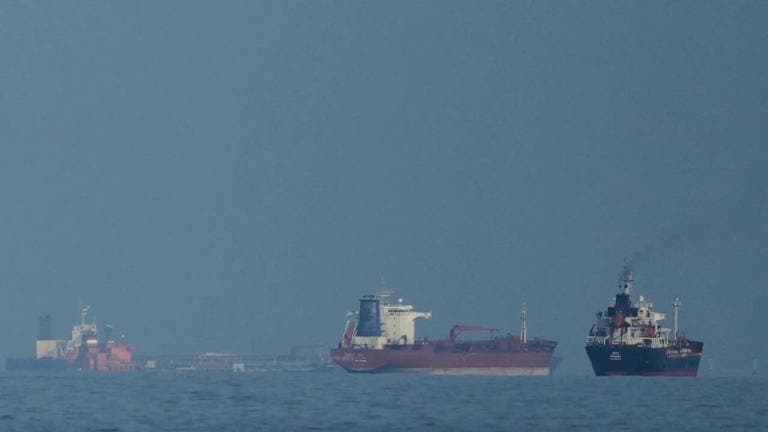
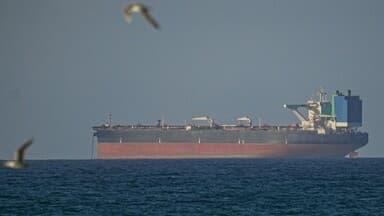
The conflict’s escalation has sent shockwaves through global energy markets. Iran’s oil infrastructure has sustained damage in recent strikes, causing oil prices to surge amid fears of supply disruptions. The possibility of broader conflict raises concerns about stability in key energy-producing regions, with analysts warning of potential long-term disruptions if the violence persists or broadens.
### Proxy Engagements and Legal Debates
The proliferation of proxy groups, such as Hezbollah and various militias, complicates efforts to contain the conflict. Iran’s strategy of plausible deniability through proxy warfare raises ongoing legal and moral debates internationally. Accusations of violations of international law are mounting as violence continues to escalate, risking wider diplomatic repercussions.
## Current Status and Future Outlook
The situation remains highly volatile. Iran’s willingness to escalate, combined with internal divisions and external pressures, makes the conflict unpredictable. Israel’s military preparations suggest a potential for large-scale escalation if Iran or its proxies launch significant attacks.
**Key points to consider:**
- Iran’s military readiness and missile reserves indicate a prolonged conflict is possible.
- Russia’s assistance bolsters Iran’s strategic position, adding complexity to international mediation efforts.
- Domestic political dynamics within Iran, especially around the new Supreme Leader, influence decision-making and escalation risk.
- The global community is under mounting pressure to prevent wider war, but deep-rooted regional tensions, ideological conflicts, and energy interests make diplomacy challenging.
**In conclusion**, the rapid escalation and Iran’s layered messaging exemplify a fragile, volatile environment where internal politics, regional alliances, and global interests collide. The coming weeks will be critical: diplomacy must intensify to prevent a broader, more destructive regional conflagration, or risk plunging the Middle East into a prolonged and devastating war.