# Mastering SEO, Core Web Vitals, and Technical Performance Practices in 2026: The Evolving Strategies for Traffic Growth and Search Rankings
The digital landscape of 2026 has transformed dramatically, elevating the importance of **holistic optimization** that seamlessly integrates **performance, personalization, and trust**. No longer do traditional SEO tactics like keyword stuffing and backlink building suffice; instead, success depends on understanding and leveraging a rapidly evolving ecosystem driven by **AI, emerging technologies, and user-centric design**. Search engines have matured into **AI-powered ecosystems** prioritizing **user experience**, **speed**, **security**, and **relevance**—challenging digital professionals to adopt **advanced, integrated strategies** to **future-proof** their online presence and **drive sustainable growth**.
This comprehensive update synthesizes the latest developments, tools, and strategic insights that are shaping SEO and technical performance practices in 2026, emphasizing how organizations can stay ahead in this competitive environment.
---
## The New Paradigm: An Ecosystem of Performance, Personalization, and Innovation
In 2026, **success is rooted in creating a unified digital ecosystem** that combines:
- **Advanced Technical SEO**
- Core Web Vitals (**LCP**, **FID**, **CLS**) remain **fundamental**, but are now complemented by **structured data schemas**, **edge computing**, and **global CDNs**.
- Adoption of **next-generation image formats** like **AVIF**, **WebP**, and **JPEG XL** has become ubiquitous, **reducing load times by up to 50%** and **saving bandwidth**, particularly on mobile devices.
- Automated media workflows utilizing platforms such as **Cloudinary**, **Imgix**, or **ImageKit** enable **dynamic resizing**, **format optimization**, and **batch processing**—ensuring assets are **always optimized** without manual effort.
- Techniques like **critical CSS inlining**, **deferred JavaScript loading**, and leveraging **service workers** are now **industry standards** for **accelerating rendering** and **enhancing interactivity**.
- Deployment on **edge platforms** such as **Cloudflare**, **Vercel**, and **Fastly** delivers **content at near-instant speeds**, supporting immersive experiences like **AR/VR**.
- **Human-Centered UX/UI**
- Modern websites prioritize **accessibility**, **trust signals** (badges, reviews), and **emotional engagement**.
- Incorporating **trust badges**, **security cues**, and **authentic reviews** bolsters **long-term loyalty**.
- Designs are **mobile-first**, **adaptive**, and increasingly **AI-driven**, offering **transparent, user-controlled interfaces**—especially relevant on **foldables**, **wearables**, and emerging device ecosystems.
- A **best practice resource** for UX design processes, such as the **step-by-step UX Design Process** outlined by Cowork Agency, provides structured frameworks for **creating user-friendly experiences**.
- **AI-Driven Personalization**
- Content and interfaces **adapt in real time** based on **behavioral**, **contextual**, and **preference data**.
- **Automated accessibility tools** like **auto alt text generation** and **adaptive interfaces** make experiences **more inclusive**.
- **Advanced AI models** now **precisely map search intent**, delivering **contextually relevant results** and **personalized content serving**.
- **Emerging Technologies**
- **Progressive Web Apps (PWAs)** dominate, offering **native-like speed** and **offline capabilities**.
- **AR/VR integrations** provide **immersive content experiences** increasingly expected by users.
- **Voice search optimization** and **edge computing** facilitate **real-time**, **context-aware interactions**.
This **holistic approach** not only **improves search rankings** but also **deepens user engagement**, establishing a **robust foundation** for **long-term growth** amidst the rapid evolution of the web.
---
## Deepening Technical Foundations: Beyond Core Web Vitals
While **Core Web Vitals**—**LCP**, **FID**, **CLS**—remain **central**, recent innovations expand **performance optimization** into a **comprehensive technical strategy**:
### Next-Generation Image Technologies and Pipelines
- The **adoption** of **AVIF**, **WebP**, and **JPEG XL** has **revolutionized media delivery**. Many **e-commerce** and **content-heavy sites** now **serve AVIF images by default**, achieving **up to 50% improvements** in **load speed** and **bandwidth savings**.
- **Automated media workflows** using **Cloudinary**, **ImageMagick**, or **ImageKit** perform **batch conversions**, **dynamic resizing**, and **responsive format selection** on upload or delivery, ensuring assets are **optimized automatically**.
- Deployment on **edge computing platforms** supports **device-specific image serving**, **reducing latency** and **supporting high-fidelity media** like **AR/VR**.
### Continuous Performance Monitoring & Automation
- Integration of **Google Lighthouse**, **WebPageTest**, **PageSpeed Insights**, and **AI-powered monitoring tools** into **CI/CD pipelines** provides **real-time insights**.
- Implementing **smart caching policies**, **predictive preload strategies**, and **performance dashboards** ensures **Core Web Vitals** are **maintained at optimal levels**, directly **boosting engagement** and **search rankings**.
### Developer-Focused Performance Guide
A **2026 Site Performance Developer Guide** emphasizes:
- **Optimizing critical rendering paths** with **inline CSS** and **deferred JavaScript**.
- Leveraging **edge caching** and **dynamic content delivery** for **personalized experiences**.
- Automating media pipelines for **format conversion**, **compression**, and **responsive resizing**.
- Embedding **performance testing** within **CI/CD workflows** to **detect regressions early**.
This strategic focus guarantees **websites perform efficiently over time**, supporting both **user experience** and **search visibility**.
---
## Sector-Specific Strategies & Recent Success Stories
Different industries leverage **tailored performance and SEO strategies**:
- **E-commerce**:
- Use **product schema markup** for **rich snippets**.
- Optimize **checkout processes** with **speed** and **security** to **reduce cart abandonment**.
- Serve **compressed images** and **fast-loading scripts** on **product pages**.
- **Local Businesses**:
- Use **localized landing pages** aligned with neighborhoods or specific services.
- Implement **LocalBusiness schema** for **Google Maps** and **local pack** visibility.
- Leverage **local reviews** and **trust signals** to **boost credibility**.
- **Content & Authority Sites**:
- Focus on **semantic SEO**, **topic clusters**, and **internal linking**.
- Produce **high-quality, authoritative content** aligned with **user intent**.
### Notable Case Study: RMIT Online
In 2026, **RMIT Online** achieved a **7.78% increase in lead conversions** after **redesigning their mobile navigation** emphasizing **performance** and **UX**. Their success underscores how **performance-driven design** directly **impacts business outcomes**, reinforcing the importance of **iterative testing** and **data-driven improvements**.
### Platform Evolution: Webflow & Elementor
Both **Webflow** and **Elementor** have **advanced features**:
- **Lazy loading** of images and scripts.
- **Automatic schema generation**.
- **Responsive design tools**.
These **empower** **non-developers** to **build fast**, **SEO-friendly sites** with **performance baked in**.
---
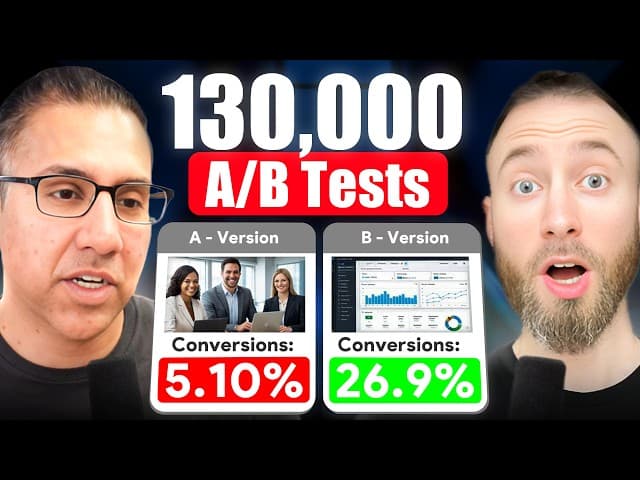
## Conversion Rate Optimization (CRO): Turning Traffic into Results
Maximizing **traffic value** involves **technical excellence** combined with **psychological strategies**:
- Conduct **monthly site audits** using **VWO**, **Google Optimize**, or **Optimizely**.
- Apply **post-click psychology**—trust signals, **clear value propositions**, and **emotional cues**—on **landing pages**.
- **Streamline lead capture**:
- Minimize **form fields**.
- Use **security cues**.
- Clearly **align benefits** with **user pain points**.
- Leverage **heatmaps**, **session recordings**, and **user feedback** for **continuous iteration**.
Industry leaders emphasize that **design principles**, **performance**, and **personalization** are now **competitive differentiators**.
---
## Leveraging Modern Tools & Platforms for Rapid Deployment
The rise of **no-code** and **AI-powered platforms** accelerates **website development** and **optimization**:
- **No-code builders** like **Webflow**, **Replo**, and **Builder.io** support **responsive**, **SEO-optimized** sites with **built-in** performance features.
- **AI tools** such as **ChatGPT**, **Canva**, and **GitHub Copilot** streamline **content creation**, **design**, and **testing**, reducing **time-to-market**.
- **Automation platforms** like **Zapier** and **Make** simplify routine tasks, freeing teams for **strategic initiatives**.
**Integrating structured data schemas** and **rich snippets** enhances **search understanding**, especially as **AI-powered search** and **voice assistants** demand **contextually rich content**.
---
## Mobile & Emerging Technologies: The Frontline of Performance
**Mobile performance** remains **paramount**:
- Responsive, **adaptive designs** optimized for **foldables**, **gesture-based interfaces**, and diverse device sizes.
- **PWAs** continue to lead, offering **native-like speed** and **offline capabilities**.
- **AR/VR** creates **immersive experiences** that are **increasingly expected**.
- **Edge computing** minimizes latency, enabling **real-time interactions** and **edge-enabled experiences**.
---
## AI & Personalization: The Future of User Engagement
AI remains **central** in **scaling content** and **personalization**:
- **Generative AI** like **Gemini 3.1 Pro** **disrupts design workflows** and **cost structures**, enabling **rapid content and visual generation**.
- **Advanced AI models** **map user intent** with high precision, delivering **highly relevant content** and **personalized experiences**.
- **AI automation** enhances **accessibility**, **trust**, and **inclusive outreach**.
- **Design automation tools**—such as **Adobe Firefly** and **Figma plugins**—accelerate **style testing** and **layout iteration**.
Embracing **AI** allows brands to **maintain a competitive edge** by providing **tailored**, **trustworthy**, and **dynamic** digital experiences.
---
## Harnessing AI to Optimize Core Web Vitals and Elevate User Experience
A breakthrough development in 2026 is the **integration of AI systems** directly into **performance workflows**:
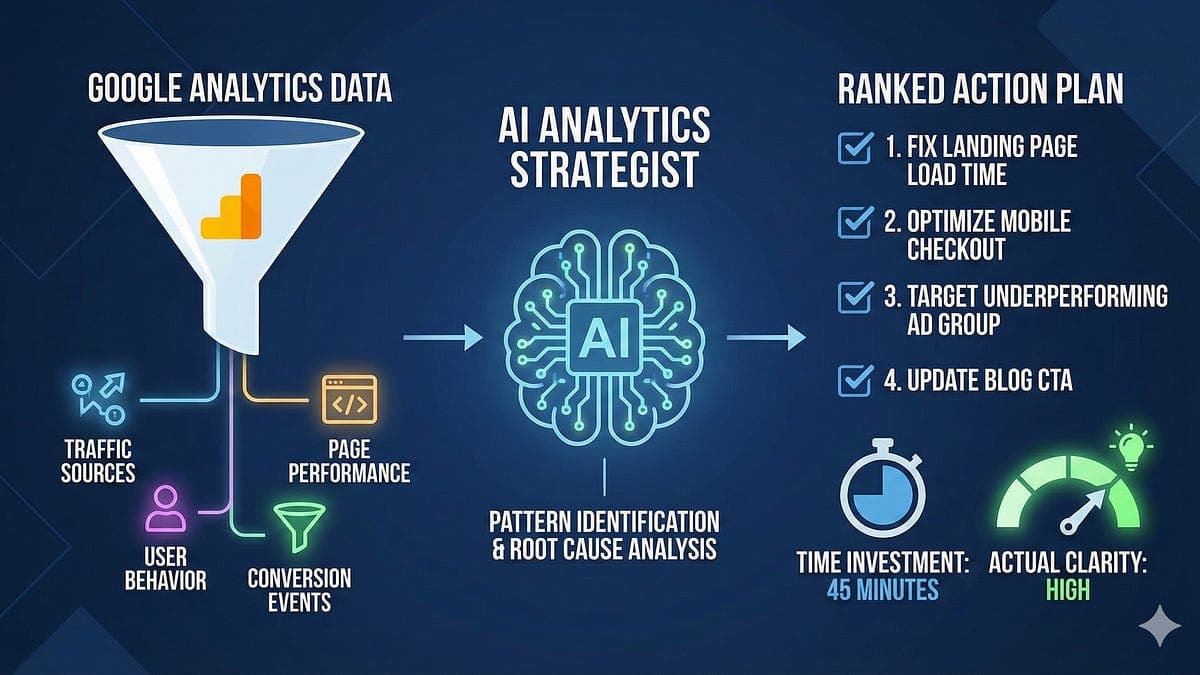
- **Continuous Monitoring**: AI-powered tools **analyze Core Web Vitals** (**LCP**, **FID**, **CLS**) **in real time**, **detect anomalies**, and **provide actionable insights**.
- **Automated Remediation**: AI models **identify bottlenecks**—such as **slow media**, **render-blocking scripts**, or **layout shifts**—and **automatically adjust configurations** or **recommend fixes**.
- **Performance-Aware Personalization**: AI **tailors content delivery**, **image formats**, and **script loading** based on **user device**, **location**, and **behavior**, **optimizing load times** without sacrificing **relevance**.
- **Predictive Optimization**: AI **anticipates future performance issues** by analyzing **traffic patterns** and **site health metrics**, enabling **preemptive improvements**.
- **Enhanced User Experience**: **AI-based accessibility tools** like **auto alt text generation**, **voice interfaces**, and **adaptive UI elements** ensure **inclusive, engaging experiences**.
Embedding **AI into performance workflows** makes **maintaining high Core Web Vitals scores** more **dynamic**, **proactive**, and **efficient**, leading to **better rankings** and **greater user satisfaction**.
---
## Current Status & Implications
Today, **performance**, **trust**, and **AI-driven automation** are **key ranking factors**. The **integration of AI into Core Web Vitals management** signifies a **paradigm shift**—making **performance maintenance** more **reactive** and **predictive**.
**Implications**:
- Websites leveraging **AI for continuous performance improvement** will **outperform competitors**.
- **Automated detection and correction** reduce **manual effort** and **human error**.
- When combined with **personalization**, AI enables **fast**, **relevant**, and **trustworthy experiences** that **drive conversions** and **foster loyalty**.
This **future-proofing** approach ensures **long-term relevance** and **search dominance**.
---
## The Power of Turning Websites into One-Tap Apps
A notable innovation in 2026 is the ability to **convert any website into a one-tap app** on mobile devices, **making access faster and more engaging**:
- By adhering to **PWA standards**, any site can be **installed directly onto the home screen** with a single tap, **creating an app-like experience**.
- Platforms like **Webflow**, **Elementor**, and **Builder.io** now **offer automated tools** to **generate these native-like apps**, complete with **offline support**, **push notifications**, and **custom icons**.
- Such **one-tap apps** **blur the lines** between **web** and **native app experiences**, **boosting engagement**, **reducing load times**, and **enhancing retention**.
This development **aligns with user expectations** for **speed**, **interactivity**, and **seamless access**, providing a **significant competitive edge**.
---
## Current Status & Strategic Implication
The ability to **transform websites into native-like apps** exemplifies the **convergence of performance, UX, and innovation**. As **mobile use continues to dominate**, **creating fast, app-like experiences** becomes **essential** for **capturing user attention**.
**Implication**:
- Brands that **adopt** these **technologies** will **engage users more effectively**, **drive higher conversion rates**, and **strengthen brand loyalty**.
- This approach **future-proofs** digital strategies against evolving **device ecosystems** and **user behaviors**.
---
## Final Thoughts
In 2026, **SEO** and **performance optimization** are **more interconnected and dynamic** than ever. Success hinges on **embracing emerging innovations**, **automating workflows**, **personalizing at scale**, and **building trust through accessibility and security**.
**Proactive adaptation**, **continuous testing**, and **AI integration** are **imperative**. Websites that **master these principles today** will **rank higher**, **engage users more deeply**, and **build resilient brands**. The future belongs to those who **combine mastery with empathy**, delivering **speedy**, **trustworthy**, and **immersive digital experiences**.
Your **investments in performance**, **personalization**, and **inclusive design** today will **secure a competitive edge**, ensuring your digital presence remains **vibrant**, **influential**, and **future-proof**.
---
## Summary of Key Takeaways
- An **integrated ecosystem** of **performance**, **personalization**, and **trust** is essential.
- Adoption of **next-gen image formats** (AVIF/WebP/JPEG XL) and **edge/CDN delivery** **significantly boosts** performance.
- **AI-powered personalization** and **automation** **revolutionize** user engagement and **content relevance**.
- **Mobile-first**, **accessible**, and **immersive experiences** set new standards.
- **CRO strategies**—from **trust signals** to **streamlined forms**—maximize **conversion rates**.
- **Regular audits**, **performance monitoring**, and **iterative testing** are **crucial** for sustained success.
- Embrace **emerging tools**, **AI breakthroughs**, and **device innovations** to **stay competitive**.
---
## Cutting-Edge Content Highlight: Turning Any Website into a One-Tap App
A recent innovation is the **ability to convert websites into native-like, one-tap apps**:
- Using **PWA standards**, websites can be **installed directly onto devices** with a single tap, **offering offline support**, **push notifications**, and **full-screen immersive experiences**.
- Platforms like **Webflow**, **Elementor**, and **Builder.io** now **automate** this process, enabling **non-developers** to **create app-like experiences** rapidly.
- This **blurs the web and app divide**, **enhancing user engagement**, **speed**, and **retention**.
**Implication**:
- Adopting this approach **future-proofs** your digital ecosystem, **maximizes reach**, and **meets user expectations** for **speed and convenience**.
---
# In Conclusion
The **future of SEO and performance optimization in 2026** is **integrated, AI-empowered**, and **user-centric**. By **leveraging emerging technologies**, **automating workflows**, and **building trust and accessibility**, organizations can **climb search rankings**, **engage users more effectively**, and **build resilient brands** for years to come.
**The key is continuous innovation and adaptation**—those who **embrace these principles today** will **lead** in the **ever-evolving digital landscape**.