# Iran’s Escalating Crisis: Violence, Censorship, and Regional Tensions Reach New Heights
The tumult engulfing Iran has entered a perilous phase, marked by intensified internal repression, mounting external conflicts, and a regime demonstrating both resilience and strategic defiance. Despite widespread protests, brutal crackdowns, and pervasive censorship, societal resistance persists, revealing a nation determined to pursue change amid extraordinary adversity. Recent developments—ranging from escalated military tensions to new leadership signals—highlight the complexity and volatility of Iran’s current crisis with profound regional and global implications.
## Deepening Domestic Repression and Persistent Societal Resistance
Over recent weeks, Iran’s security apparatus has ramped up its crackdown on protesters, journalists, and civil rights advocates. Human rights organizations estimate **thousands have been arrested, tortured, or detained** in deplorable conditions, with enforced disappearances and executions becoming routine tools used by authorities to quell dissent.
Mass funerals in **Tehran’s Enghelab Square** continue to serve as powerful symbols of defiance. Despite government efforts to disperse mourners, these gatherings have galvanized broader resistance and fostered a collective sense of solidarity. Security forces have employed **military-style tactics**, including live ammunition, tear gas, and lethal force—credible reports indicate fatalities inflicted during clashes, further fueling anger and outrage.
The protest wave extends across provinces, driven by economic hardship, political repression, and a shared demand for **freedom and justice**. The resilience of the protesters underscores a society unwilling to submit, even under extreme violence, indicating a deep-rooted desire for systemic change.
## Women at the Forefront: Struggling Against Systemic Gender Persecution
Women continue to lead Iran’s resistance movement, transforming protests into broader struggles for **gender equality and human rights**. Despite systemic discrimination—legal restrictions on employment, bans on women’s participation in sports and public gatherings, and enforced veiling—activists persist with unwavering resolve.
Recent developments include:
- **Heightened repression of women’s rights activists**, with many facing imprisonment, harassment, and threats. Prominent figures have been detained or subjected to intimidation campaigns aimed at silencing dissent.
- Evidence presented at the **United Nations** details **widespread gender-based violence**, forced veiling, and restrictive laws used as tools of systemic oppression.
- Civil society groups organize **mass protests and awareness campaigns**, risking arrest and violence—highlighting a societal push for autonomy and gender equality. Women’s activism has become a pivotal element of the broader resistance.
This persistent activism signals a societal shift—women are increasingly influential agents of change, challenging both regime policies and the broader authoritarian framework.
## Information Blackouts, Censorship, and Covert Reporting
Iran’s regime has intensified **internet shutdowns and censorship campaigns** to obscure the extent of violence and prevent international scrutiny. During unrest, authorities systematically disable social media platforms, messaging apps, and independent news outlets, aiming to conceal human rights abuses.
In response:
- **Activists and independent journalists** increasingly rely on **encrypted channels** and **underground networks** to document and share evidence of state violence.
- Reports from border regions and clandestine sources reveal a **rise in covert communications**, underscoring the resilience of resistance networks.
- Despite government efforts, **secret reports** continue to emerge—detailing **mass arrests, executions, and systematic abuses**—fueling international condemnation.
While censorship remains formidable, the ingenuity and determination of critics sustain a flow of truthful reporting. This underground information network fuels international pressure and global solidarity with Iranian activists.
## Regional Escalation: Military Strikes and Rising Tensions
The internal unrest has spilled over into the regional arena, with recent military actions significantly shaping the Middle East’s security landscape. Notably:
- The United States and Israel have conducted **coordinated airstrikes** targeting Iranian-backed military infrastructure in Syria and neighboring regions. For instance, on **March 10**, a series of strikes inflicted **substantial damage** on Iranian-supported assets, signaling escalation in efforts to curb Iran’s regional influence.
- These strikes aim to **limit Iran’s support for militias** such as Hezbollah and to **disrupt Iran’s nuclear ambitions**, as intelligence reports suggest Iran is making rapid progress toward weapons-grade uranium levels.
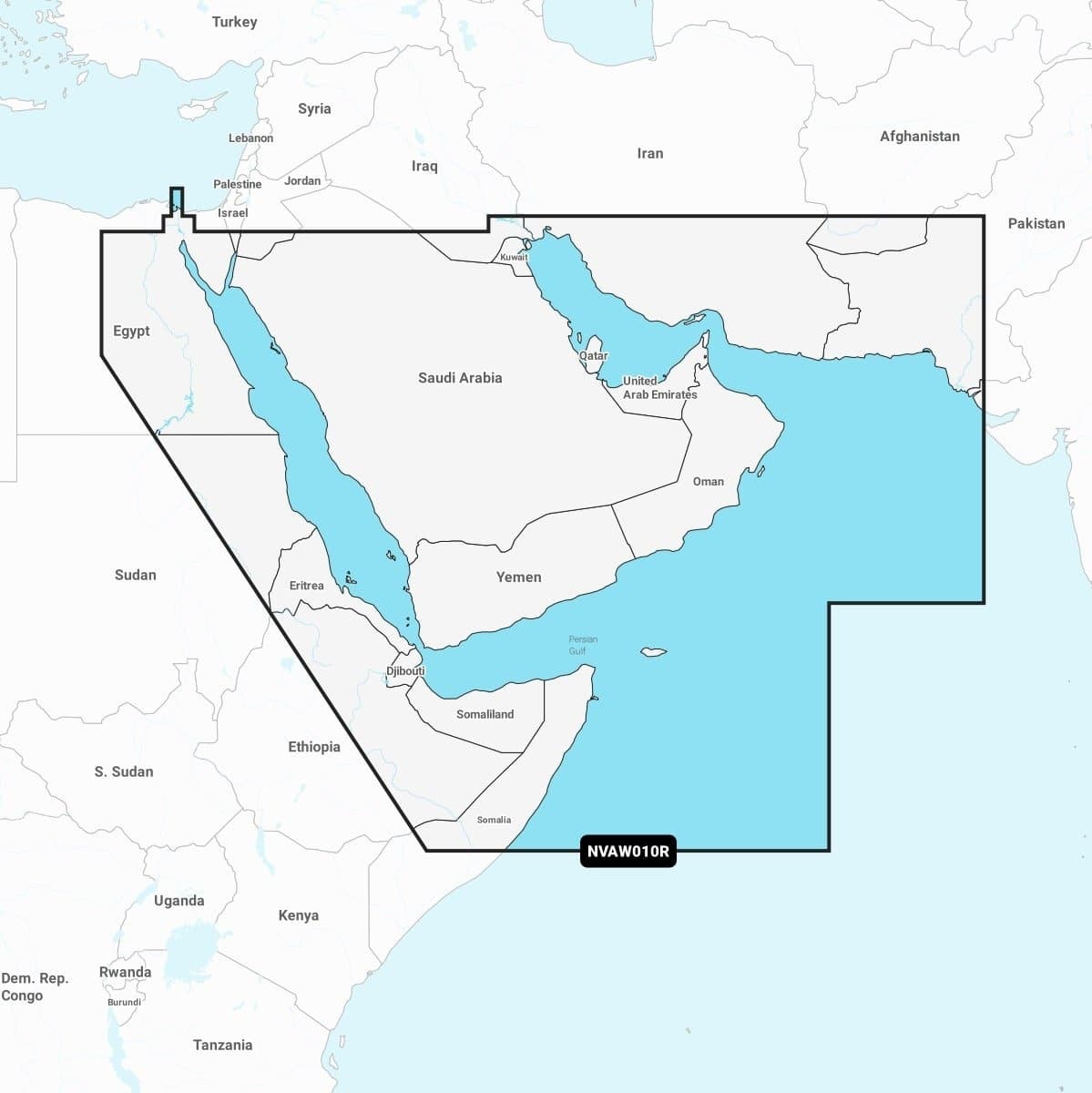
- In retaliation, Tehran has issued **blustering rhetoric** and increased **missile attacks across the Gulf**, targeting US and allied positions, heightening fears of a broader regional conflict.
Iranian leaders warn that continued military strikes could escalate into full-scale war, further destabilizing an already volatile Middle East. Recent **Iranian funerals and protests** in Tehran serve as symbols of defiance amid ongoing violence, underscoring the regime’s resolve.
## Strategic and Nuclear Developments: Race Against Time
Amid mounting tensions, intelligence indicates **accelerated uranium enrichment**, with Iran potentially approaching **weapons-grade uranium** within months. This development raises serious concerns about Iran’s clandestine weapons program.
Key updates include:
- Evidence of **accelerated uranium enrichment**, with some analysts warning of imminent production of weapons-grade material.
- Reports of **covert US and Israeli operations** targeting nuclear facilities—potential sabotage, surveillance, and special forces missions aiming to seize or destroy key sites.
- Iran’s **strategy of leveraging regional alliances and domestic loyalty** appears designed to resist external pressure, complicating diplomatic efforts.
Despite Iran’s official claims that its nuclear program is peaceful, suspicions persist about clandestine weapons development, increasing the risk of preemptive or covert strikes.
## New Leadership Signals and Regime Resilience
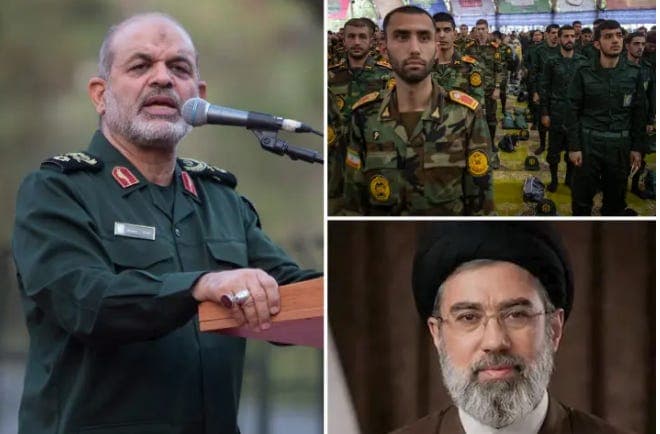
Significantly, Iran’s **new Supreme Leader** has issued his **first public statement** since assuming power. In a brief **2-minute and 33-second** YouTube video viewed over **245,000 times**, he emphasized themes of **national resilience and sovereignty**, subtly signaling an intent to consolidate authority amid mounting crises.
Analysts interpret this move as an effort to **bolster regime stability**. A detailed analysis from **Daily Sabah** suggests that Iran’s **complex institutional hierarchy and ideological underpinnings** render it **more resilient than many external observers assume**. Despite internal unrest, **deep-rooted networks** and **patronage structures** provide mechanisms for the regime to withstand external pressures and societal dissent.
## International Response and Geopolitical Dynamics
Global reactions remain divided, influenced by strategic interests and partisan narratives. Recent developments include:
- The UN’s high-level briefing highlighted **widespread human rights abuses** and **brutal repression**, prompting calls for increased international action.
- The US and European nations are imposing **additional sanctions**, targeting Iran’s financial and military sectors.
- Some policymakers advocate for **supporting opposition groups** and **covert operations**, while others caution that **military intervention risks regional destabilization**.
Recent polls reveal **most Americans oppose US strikes** on Iran, reflecting war fatigue and concern over escalation (**"Most Americans oppose US strikes on Iran, new poll shows"**). Meanwhile, reports indicate **Russia and China are providing “military cooperation”** to Iran, strengthening Tehran’s strategic position (**POLITICO**), complicating international efforts to pressure or isolate Iran.
Economic fallout is evident as **oil prices surge**, with prices approaching **$4 per gallon**, impacting global markets and fueling inflation worldwide. Experts warn that **the Iran conflict’s spillover effects** could destabilize global energy supplies and economic stability.
## Humanitarian Crisis and Shifting Public Sentiment
The ongoing violence has precipitated a severe **humanitarian crisis**—civilians face **displacement, shortages of essentials**, and danger from crossfire and repression. Foreign nationals remain stranded amid the chaos, complicating evacuation efforts.
Within Iran, **public opinion is shifting**. An article titled **“What if we're left with ruins?”** notes that many initially supported aggressive responses but are now **doubting the long-term viability** of escalation efforts. Soroush Negahdari of BBC Monitoring states: *“We thought they'd kill all the senior figures and the regime would collapse, but instead, the situation has become more complex and uncertain.”* This **war fatigue** is driven by economic hardship, ongoing repression, and the realization of potential regional and global fallout.
## Current Outlook: An Uncertain Future
The crisis remains highly volatile. Key considerations include:
- The likelihood of **further military escalation and regional conflict** if external strikes persist or intensify.
- The potential for **worsening human rights abuses and humanitarian suffering** unless significant political change occurs.
- The international community faces a **delicate balancing act**—utilizing diplomacy, sanctions, covert operations, and perhaps limited military responses—each carrying profound risks and uncertain outcomes.
The recent public statement by Iran’s **new supreme leader** and the resilience of Iran’s institutional structures suggest that **the regime may endure longer than many expect**, complicating efforts for a swift resolution.
## Implications and Final Thoughts
Iran stands at a critical juncture. Its internal repression, regional military confrontations, and nuclear ambitions form a complex web threatening regional stability and global security. The coming weeks will be decisive—whether escalation spirals further or diplomatic openings emerge.
**The international community must adopt a nuanced, strategic approach**—balancing pressure with diplomacy, and preparedness with restraint—to prevent a broader catastrophe. The regime’s brutality, exemplified by the recent threats and military actions, demands accountability, but simultaneous efforts toward de-escalation and dialogue remain crucial.
As Iran’s internal resistance persists and external pressures intensify, the world watches closely. The choices made today will influence Iran’s future and the stability of the Middle East for generations to come.