Chemical Test for Calcite Identification
How to spot calcite using chemical properties?
Reactivity to acids and solubility identify minerals.
Key example: Calcite reacts with hydrochloric acid.
Easy field or lab integration for ESC 1000 mineral ID.

Created by casey smith
Clear mineral identification guides with practical examples for ESC 1000
Explore the latest content tracked by ESC 1000 Mineral Guide
How to spot calcite using chemical properties?
Reactivity to acids and solubility identify minerals.
Key example: Calcite reacts with hydrochloric acid.
Easy field or lab integration for ESC 1000 mineral ID.
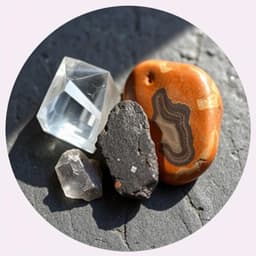
Calcite crystals are often translucent or transparent, ideal visual for luster and optical properties in mineral ID labs.
Double refraction makes...
Key properties of rare ekanite, a calcium thorium silicate from Sri Lanka:
Amber is prehistoric resin often mistaken for a mineral, making it a prime example for Module 2 identification tests.
Key distinction properties:
-...
Griffith Theory explains fracture in minerals/rocks (irregular breaks vs. cleavage planes) for engineering durability:
Understanding the difference between chemical and physical properties is crucial for students to explain how substances behave and interact – foundational for Module 2 lab tests using hardness, luster, and cleavage.
Key turquoise insights for mineral ID:
Key ID tip for your rock collection: Not all shiny flakes are muscovite – lookalikes from similar minerals fool the eye.
Essential gem ID methods covered in this geology video for students:
Key to Roman concrete's 2,000-year durability vs. crumbling modern versions:
Luster is one of the key characteristics used to identify and understand minerals—not just about whether it's shiny. Essential starting point for ESC 1000 lab identification protocols.
Key link from chemistry to Module 2 properties:
Agate basics for Module 2: A striking microcrystalline quartz variety with unique banding patterns.
Timely opportunity for ESC 1000 students to explore Module 2 minerals/rocks in local context:
Enhance ESC 1000 field practice by pairing traditional Mohs hardness, streak, and luster tests with Crystal Identifier app: