# Florida’s Resilience in the Face of Escalating Storms and Climate Challenges: An Updated Perspective
Florida continues to stand at the forefront of climate resilience, confronting an unprecedented escalation in severe storms, rising sea levels, ecological threats, and economic pressures. Recent developments underscore both remarkable strides in recovery and adaptation, as well as persistent vulnerabilities that demand innovative, equitable, and sustained responses. As the state navigates this complex landscape, its future depends on comprehensive strategies that safeguard communities, protect ecosystems, and promote resilient, sustainable growth.
## Persistent and Intensifying Storm Threats
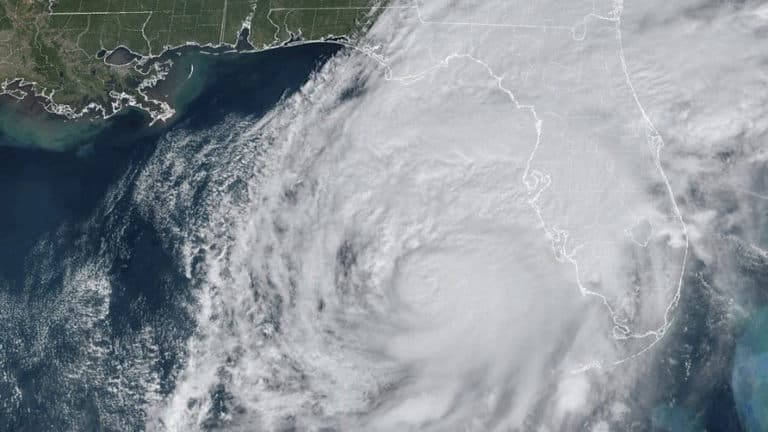
Hurricanes remain the defining challenge for Florida, with recent events illustrating their increasing severity and frequency. The **emergency declaration for Hurricane Milton** has been **extended through February 13, 2026**, highlighting ongoing concerns about the persistent storm threat. Coastal communities remain on high alert; meteorologists diligently monitor storm trajectories, and residents continue to prepare:
> **"We’ve been preparing for Milton for weeks, stocking up supplies and making sure our evacuation plans are in place,"** said Tampa resident Maria Lopez. **"The storm’s unpredictable track keeps us on edge, but we’re ready."**
Adding to the urgency, a recent record-shattering event involved **Hurricane Melissa**, which was **tied as the strongest hurricane ever recorded in the Atlantic Basin**, with sustained winds reaching approximately 185 mph—surpassing many historical storms. This intensification underscores the increasing power of Atlantic hurricanes and emphasizes the critical need for resilient infrastructure, adaptive planning, and community preparedness.
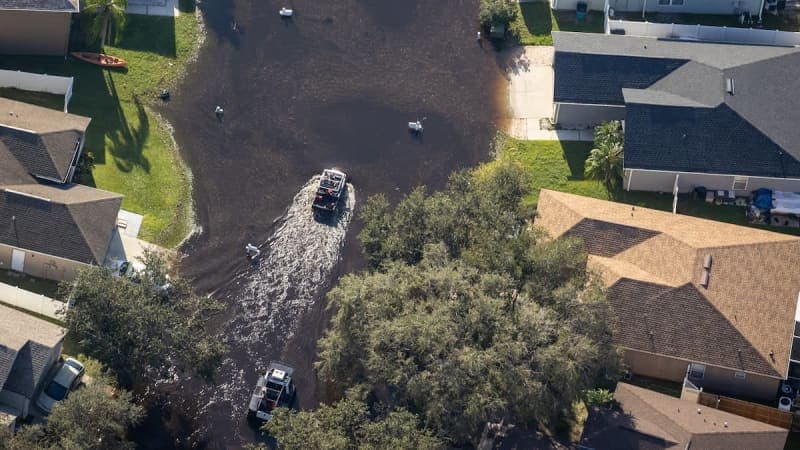
Damage assessments from recent storms reveal tangible impacts: **severe property losses in St. Petersburg**, where multiple office buildings and commercial properties suffered destruction during Milton’s landfall, have reignited debates over land use, resilience standards, and whether current building codes are sufficient to withstand such extreme events. These incidents reinforce the importance of proactive urban planning rooted in climate science and resilience measures.
Authorities reinforce the importance of heedful warnings, with routine evacuations now integral to Florida’s disaster response framework. The rising storm intensity and frequency make investments in **resilient infrastructure**, **advanced early warning systems**, and **community preparedness** more critical than ever.
## Damage, Recovery, and Funding Initiatives
Florida’s recovery efforts continue to accelerate, supported by federal and local funds. Over **$612 million in federal aid** has been allocated to affected communities to aid rebuilding and resilience projects. Notably:
- **Pasco County** reports that **disaster recovery funds are beginning to move faster**, with officials emphasizing improvements in processes to expedite payments to residents and businesses impacted by recent hurricanes.
- The agricultural sector received a significant boost with a **$600 million lifeline**, providing crucial financial assistance to **Florida farmers battered by recent hurricanes**, helping recover crop losses and ecological damages.
Local projects exemplify resilience and community renewal:
- The **Anna Maria City Pier**, a historic landmark, is **set for a comeback** after **$2 million in county approval**. The grant will help rebuild the pier, damaged during storms but vital for tourism and local life.
- Across the state, businesses and public institutions are reopening or completing repairs. For example, the **Blue Flame Soul Food** restaurant in Tampa reopened after a year of storm-related closure, symbolizing community strength. Similarly, the **Don CeSar Hotel** on St. Pete Beach, heavily damaged during Milton and Helene, celebrated a **grand reopening** following structural fortifications like elevated foundations and storm-resistant barriers.
- Infrastructure projects are progressing, such as the **scheduled reopening of Tropicana Field on April 6**, marking a milestone in economic revitalization efforts following extensive damage repairs.
**Recent resilience investments** include:
- The **$125 million beach nourishment project** in Pinellas County, completed ahead of schedule, creating a vital barrier against storm surges and coastal erosion.
- The **St. Petersburg seawall master plan**, involving community input, aims to design defenses that balance ecological preservation with safety.
- The **My Safe Florida Home** program—focused on elevating vulnerable homes and installing flood barriers—has made notable progress; however, **funding gaps persist**, with no new allocations this year. Homeowner Lisa Carter expressed concern: **“Without support, it’s hard to cover the rising costs of flood-proofing, especially after multiple storms.”**
On Sanibel Island, residents are increasingly adopting **home-hardening techniques**—such as storm shutters, elevated foundations, and reinforced roofing—to reduce damage risks. These measures are vital but need ongoing support and funding for widespread adoption.
Adding to resilience efforts, Florida recently unveiled a **state-of-the-art emergency operations center** in Tallahassee, engineered to withstand **200 mph winds**. This facility aims to ensure operational continuity during catastrophic storms, reflecting a strategic shift toward **climate-adaptive infrastructure**. Conversely, the **Venice City Council** has **paused the restoration of Humphris Park indefinitely**, citing storm damage and the need for comprehensive planning, highlighting ongoing debates over land use and resilience investments.
Meanwhile, **Babcock Ranch**, a community built on resilience principles, continues to demonstrate economic vitality, posting record net sales of **1,066 in 2025**, a **34% increase** despite broader economic uncertainties. This success exemplifies how resilience-driven development can foster economic growth amid climate pressures.
## Policy, Insurance Challenges, and Equity Considerations
Florida’s insurance landscape remains complex and evolving. Despite **insurance premiums decreasing by 14.5%** due to tort reform measures, many homeowners still face **coverage denials**, **high deductibles**, and affordability issues. Vulnerable populations, especially low-income households, often encounter insurmountable barriers, underscoring the urgent need for **equitable resilience policies**.
The state is exploring innovative financial tools such as **parametric insurance**, which offers swift payouts based on storm intensity metrics, alongside expanding **public-private partnerships (PPPs)** to improve coverage options and affordability.
Current efforts include streamlining federal aid processes, with approximately **$612 million in recovery funds** assisting residents and businesses. However, navigating these systems remains complex, highlighting the importance of better outreach, transparency, and support for vulnerable communities.
## Technology, Preparedness, and Community Engagement
Florida continues to leverage cutting-edge technology to enhance storm prediction and response:
- **AI-enhanced hurricane forecasting**, developed alongside **Stormtrack**, has dramatically improved prediction accuracy, enabling **more precise storm tracking, timely evacuations**, and **better resource deployment**.
- The **live Tampa Bay weather feed** provides residents and visitors with real-time radar updates, tropical activity alerts, and forecasts, empowering communities to make informed decisions during emergencies.
- The state is also integrating **climate risk assessments** into urban planning, ensuring that new developments incorporate resilience measures from the outset—adopting a proactive rather than reactive approach.
In addition, **preparation efforts are intensifying**:
- Many communities are reinforcing their homes with **storm shutters, elevated electrical systems**, and performing regular exterior maintenance to bolster resilience.
- The **"Mastering Exterior Maintenance"** guide offers practical tips for property protection, emphasizing proactive steps homeowners can take.
- To bolster community readiness, **free disaster kits** are being distributed across Tampa and other regions. Recently, **Rebuilding Together** organized an event providing **500 free disaster preparedness kits**, aimed at vulnerable residents, especially seniors and low-income households.
Florida is also taking steps to improve forecasting and response capabilities through **AI-enhanced weather prediction** and **real-time communication systems**, ensuring that residents receive timely alerts and can act swiftly.
## Current Status and Future Implications
Recent developments demonstrate Florida’s resilience journey—marked by substantial infrastructure investments, technological innovations, and community-driven initiatives. The unveiling of a **200 mph-capable emergency operations center** exemplifies proactive planning, while delays in projects such as Humphris Park reflect ongoing land use and resource allocation challenges.
The state's ability to **adapt through innovation, inclusive policies,** and **community participation** will be pivotal in its capacity to withstand future storms and ecological threats. Florida’s experience underscores the importance of **sustained funding**, **policy innovation**, and **equitable resource distribution** to build a resilient future.
## **Conclusion**
Florida’s resilience narrative today is a testament to community strength, technological ingenuity, and strategic policymaking amid escalating climate pressures. While significant progress has been achieved through infrastructure upgrades, advanced forecasting, and community projects, the increasing intensity and frequency of storms demand **urgent, transformative action**. By harnessing new tools, fostering inclusive resilience initiatives, and integrating climate risk into urban planning, Florida can better anticipate, adapt to, and withstand the evolving climate landscape—ensuring a safer, more resilient future for all residents.
**Recent proactive steps**—such as **pre-season preparedness campaigns**, **storm-hardening initiatives**, and **innovative funding mechanisms**—are setting the stage for a more resilient Florida. Continued focus on **equity, community engagement, and technological advancement** will be critical in facing the challenges ahead. As climate pressures mount, Florida’s resilience journey remains ongoing, requiring sustained effort, collaboration, and innovation.