Color-forward maximalism in family home design continues to flourish in late 2026, evolving into a richly layered, emotionally resonant lifestyle that balances vibrant aesthetic exuberance with practical, family-centered wellbeing. This design paradigm embraces deep jewel tones, sculptural forms, tactile textures, and playful nostalgia while integrating sustainability, adaptability, and technological innovation. Recent developments expand its reach into seasonal décor, accessible DIY home transformations, and innovative sensory solutions, further solidifying maximalism as a multisensory, nurturing approach tailored to modern family life.
---
### Jewel-Toned Maximalism Deepens Its Emotional and Sensory Roots
The core of family-centric maximalism remains a bold embrace of **jewel tones**—emerald greens, sapphire blues, amethyst purples, and teals—that create immersive, mood-rich environments. These colors serve not only as decorative elements but as **emotional anchors**, stimulating memory, creativity, and comfort for all ages.
Sculptural furniture continues to lead the charge for maximalist form and function. The **canopy bed** has emerged as a standout innovation in 2026, marrying dramatic architectural presence with family-friendly practicality. Designers Clara Mendoza and Caroline Vazzana have pioneered versions featuring **removable, washable fabric drapes**, allowing for easy cleaning and personalization while providing a calming, sensory micro-sanctuary within bedrooms. These beds exemplify maximalism’s capacity to blend **bold visual statements with tactile intimacy and emotional refuge**.
Vintage and tactile textures—bouclé, velvet, corduroy, and raw wood—remain essential for layering warmth and nostalgia. Families increasingly incorporate **thrifted and upcycled furnishings**, reinforcing maximalism’s alignment with **sustainability and tactile storytelling**.
---
### Family-Centered Strategies: Sensory Zoning and Device Management
Maximalism’s exuberance is carefully balanced through **family-focused spatial and behavioral strategies**:
- **Sensory zoning** divides homes into distinct areas for active play, quiet reflection, and shared ritual, nurturing emotional regulation and autonomy. Child development research, such as *“What we can learn from watching kids play 🛝,”* continues to inform these layouts, promoting environments that respond to children’s natural rhythms.
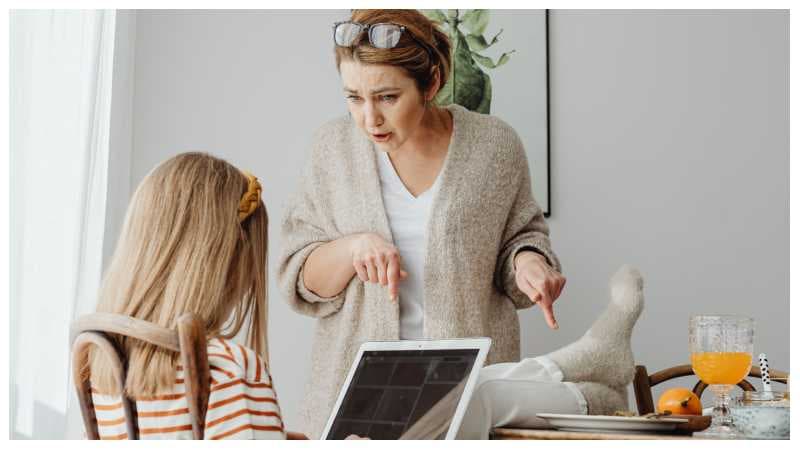
- The management of technology remains a priority. Families establish **tech-free sensory zones** and enforce scheduled device breaks to counter digital overstimulation, echoing current debates highlighted in *“Phone, your kid’s enemy or friend?”*. These measures encourage tactile, imaginative play and foster deeper family connections.
- **Modular, durable children’s furniture**—such as IKEA’s 2026 collection—successfully merges maximalist aesthetics with adaptability and longevity, supporting growing children’s needs without sacrificing style.
- **Small-surface color interventions**, including boldly painted stair risers and door jambs, offer families manageable, confidence-building ways to experiment with color. These align closely with the principles of **slow parenting**, encouraging mindful, paced exploration of maximalist palettes.
New sensory-friendly décor items have gained attention:
- **Pom-pom curtains**, recognized in *“The Top 5 Best Pom Pom Curtains in 2026,”* contribute playful texture and vibrant color while softening acoustics and filtering light—ideal for lively family spaces.
- Child-centric wet-space accessories like the **LOL Surprise shower curtain** (*“Transform Your Child’s Bathroom with the LOL Surprise Shower Curtain”*) create contained, colorful zones for bold maximalist expression, merging whimsy with function.
---
### Nostalgia and Playfulness as Emotional Anchors
Nostalgia-infused color palettes inspired by 90s iconography (notably Lisa Frank) and influential figures like Sheila Bridges continue to inject homes with joy and personality. Bridges’ philosophy captures maximalism’s emotional core:
> “Given where the world is right now, I want my work to bring people joy.”
The bathroom has become a critical “color laboratory” for families, safely containing playful maximalist experiments in saturated hues, glossy surfaces, and tactile materials. The **pink girly bathroom remodel** featured in *Color Me Spaces Episode 3* illustrates this trend, offering a vibrant, contained environment where families can explore maximalism’s more whimsical side without overwhelming larger living spaces.
---
### Lighting Innovations and Intimate Micro-Sanctuaries
To temper maximalism’s sensory intensity, **layered lighting schemes** incorporating ambient, task, and accent lighting have become essential. Wellness-oriented bulbs that mimic natural daylight enhance jewel tones and promote emotional balance across multifaceted family zones.
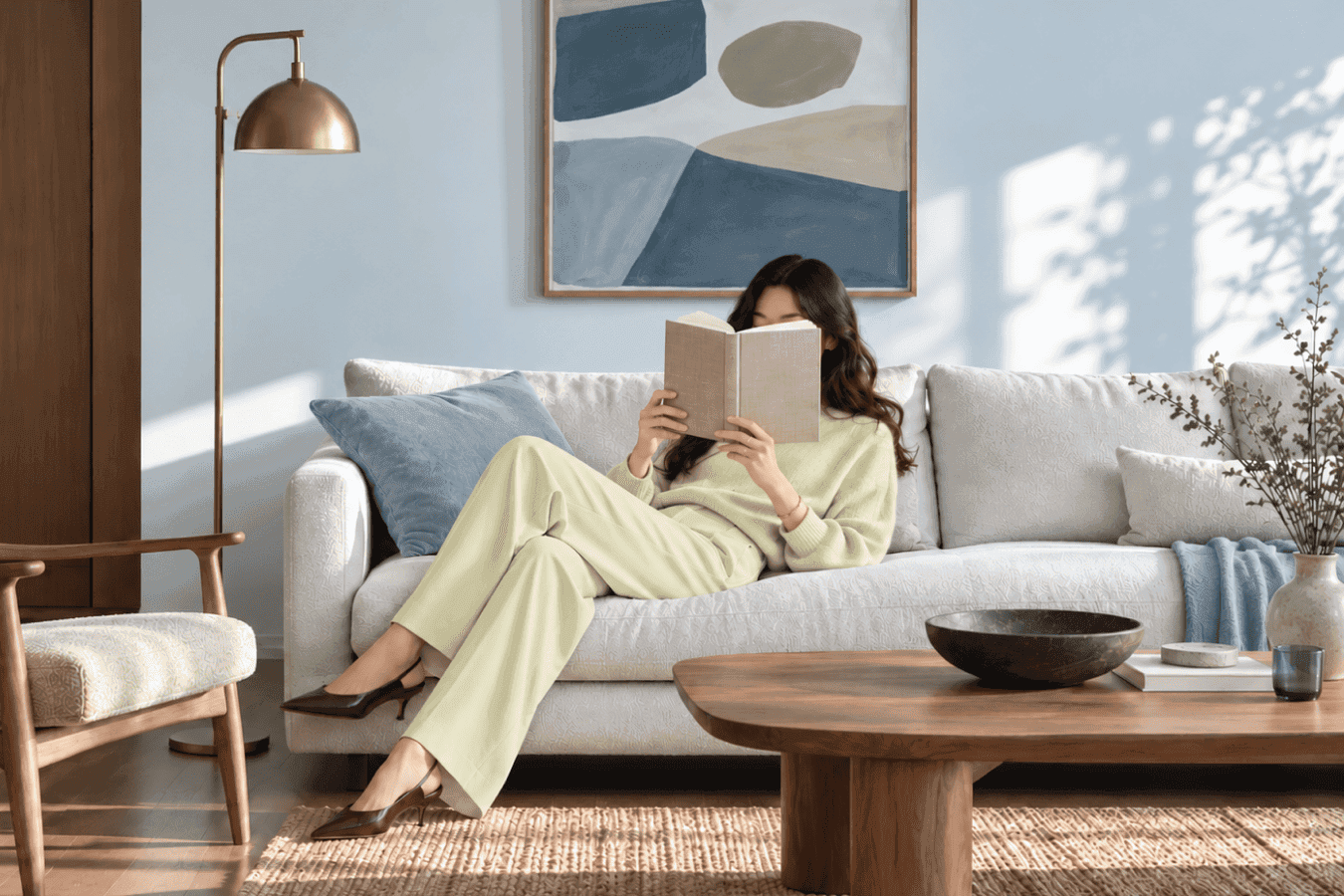
The rise of **micro-sanctuaries**—private retreats such as reading nooks, entryway alcoves, or cozy window seats—provides crucial moments of calm amid maximalism’s theatricality. These intimate spaces often feature bold wallpapers, sculptural furniture, and soft neon accents. Designer Amira Patel emphasizes their role:
> “Tempering maximalism’s energy with nurturing intimacy, offering family members much-needed moments of calm.”
---
### Sustainability, Practicality, and Technological Empowerment
Design anxiety—especially around complex jewel-toned palettes and layered textures—remains a challenge for many families adopting maximalism. To ease this, **Augmented Reality (AR) visualization tools** have gained widespread adoption, enabling families to virtually preview color and texture combinations before committing. This supports **slow parenting’s** ethos of mindful, deliberate decision-making and fosters creative confidence.
Sustainability and renter-friendliness continue to shape maximalist practice:
- **Removable décor options**, including peel-and-stick wall decals and modular furniture components, offer families flexibility without permanent alterations.
- The robust **DIY and upcycling movement** thrives, with popular projects repurposing materials like denim into cushions, throws, and wall art—strengthening tactile storytelling and environmental responsibility.
---
### New Inspirations: Seasonal Mantels and Accessible Family Home Transformations
Recent additions to the maximalist family design repertoire emphasize seasonal, accessible, and DIY-friendly approaches:
- The article *“28 Spring Mantel Decorating Ideas for 2026 Designed To Pull Every Eye The Second You Walk In”* highlights how **seasonal mantel décor** can serve as a focused, small-scale maximalist intervention. By layering vibrant florals, jewel-toned ceramics, and sculptural objects, families add bursts of sensory richness that elevate entryways and living rooms while maintaining flexibility and ease of refreshment.
- The popular **English house tour of a renovated London family home** showcases charming **DIY projects, vintage layering, and sustainable sourcing** as practical maximalist strategies. This accessible makeover demonstrates how modest urban homes can become sensory-rich sanctuaries through thoughtful vintage texture combinations, bespoke ceramics, and family-friendly adaptability.
These inspirations reinforce maximalism’s versatility and accessibility, encouraging families to experiment within their means and spaces.
---
### Summary of Key Late-2026 Developments
- **Canopy beds** emerge as sculptural, adaptable bedroom centerpieces with removable fabrics enhancing sensory intimacy and maintenance.
- **Playful, nostalgia-driven bathrooms** become vibrant maximalist laboratories featuring child-friendly accessories like LOL Surprise shower curtains.
- **Sensory zoning, device management, and modular kids’ furniture** remain foundational for nurturing family wellbeing.
- **Nostalgia-infused palettes and joyful personalities** championed by designers like Sheila Bridges enliven homes.
- **Small-surface color interventions** promote manageable, confident maximalism aligned with slow parenting.
- **Layered lighting and micro-sanctuaries** balance exuberance with calm intimacy.
- **AR visualization tools** reduce design anxiety and encourage experimentation.
- **Durable, removable décor and DIY/upcycling culture** bolster sustainability and renter-friendly flexibility.
- **Seasonal mantel décor and family home renovations** illustrate accessible maximalist applications and continuous innovation.
---
### Conclusion
By the close of 2026, family-oriented maximalism stands as a **color-forward, emotionally rich, and practical lifestyle** that harmonizes jewel-toned vibrancy with sensory depth, sustainability, and slow living principles. Its sculptural furniture, nostalgia-infused palettes, and innovative technologies empower families to create joyful, adaptable homes fostering creativity, emotional connection, and comfort.
The introduction of canopy beds and playful bathroom designs further broadens maximalism’s spatial versatility and responsiveness to family needs. Meanwhile, layered lighting, micro-sanctuaries, and device management strategies ensure that maximalism’s expressive exuberance supports—not overwhelms—family wellbeing.
With seasonal décor ideas and accessible DIY home transformations gaining momentum, maximalism continues to evolve as a vibrant, nurturing philosophy perfectly attuned to the rhythms and realities of contemporary family life.