Color-forward maximalism in family home design continues to thrive and expand as we move through late 2026, evolving into an even more **emotionally rich, practical, and sustainable lifestyle choice** for modern families. This dynamic design philosophy, rooted in bold jewel tones, layered textures, and sensory richness, now embraces new innovations, user-driven creativity, and accessible interventions that make maximalism approachable, adaptable, and deeply nurturing for families of all sizes and rhythms.
---
### Jewel-Toned Maximalism: Deepening Sensory and Emotional Engagement
At its core, maximalism’s use of **deep jewel tones**—emerald, sapphire, amethyst, and teal—remains a powerful emotional and sensory anchor. These colors do more than beautify; they **stimulate creativity, support memory, and foster emotional comfort across generations**. The immersive, tactile environments crafted with these hues invite imaginative play and quiet reflection alike, establishing a sense of belonging and calm.
The ongoing popularity of **sculptural furniture** continues to shape maximalist interiors, with the standout innovation of **canopy beds featuring removable, washable fabric drapes** introduced by designers Clara Mendoza and Caroline Vazzana. These beds function as **sensory micro-sanctuaries**—small, intimate, and personalized spaces within bedrooms that combine dramatic architectural presence with family-friendly practicality. They exemplify maximalism’s commitment to balancing bold aesthetics with wellbeing and adaptability.
Families also increasingly layer **vintage and tactile textiles** such as bouclé, velvet, corduroy, and raw wood, reinforcing maximalism’s **multisensory storytelling** and sustainable ethos. The surge in thrifted and upcycled furnishings not only adds warmth and nostalgia but also aligns with growing environmental awareness and a desire for meaningful materiality.
---
### Family-Centered Spatial and Behavioral Design Strategies
Maximalism’s exuberance is thoughtfully modulated through spatial and behavioral frameworks that prioritize family wellbeing:
- **Sensory zoning** remains a cornerstone technique, dividing homes into active play areas, quiet retreats, and shared ritual spaces. This approach nurtures children’s emotional regulation and autonomy, drawing on child development principles highlighted in recent discourse such as *“What we can learn from watching kids play 🛝.”*
- In response to concerns about digital overstimulation, families are adopting **tech-free sensory zones** and scheduled device breaks to encourage tactile, imaginative play and deepen family connections. This trend echoes ongoing debates like those in *“Phone, your kid’s enemy or friend?”*
- The continued rise of **modular, durable children’s furniture**—notably IKEA’s 2026 collection—fuses maximalist design with adaptability and longevity, supporting children’s evolving needs without sacrificing style.
- **Small-surface color interventions**—such as boldly painted stair risers, door jambs, or window frames—offer manageable, confidence-building ways to experiment with maximalist palettes. These align with **slow parenting** philosophies that emphasize mindful, paced exploration over overwhelming sensory input.
---
### Playful Nostalgia and Maximalist Bathrooms as Creative Laboratories
Nostalgia remains a vital emotional anchor, with color palettes inspired by 90s iconography (Lisa Frank, etc.) and joyful voices like designer Sheila Bridges, who observes:
> “Given where the world is right now, I want my work to bring people joy.”
Bathrooms, in particular, have emerged as experimental “color laboratories” for families. The **pink girly bathroom remodel** featured in *Color Me Spaces Episode 3* exemplifies how saturated hues, tactile surfaces, and playful maximalist accents can coexist with functionality in contained spaces. Child-centric accessories such as the **LOL Surprise shower curtain** add bold, playful touches that amplify sensory richness without overwhelming.
Similarly, **pom-pom curtains**, praised in *“The Top 5 Best Pom Pom Curtains in 2026,”* contribute vibrant color, texture, and acoustic softening—ideal for lively family rooms and play areas.
---
### Layered Lighting and Micro-Sanctuaries: Balancing Energy and Calm
To temper maximalism’s sensory intensity, **layered lighting schemes** combining ambient, task, and accent lighting have become essential. The integration of wellness-focused bulbs that mimic natural daylight enhances jewel tones while supporting emotional balance throughout family zones.
Complementing this is the growing emphasis on **micro-sanctuaries**—personal retreats such as reading nooks, window seats, or entryway alcoves. Designer Amira Patel highlights their importance:
> “Tempering maximalism’s energy with nurturing intimacy, offering family members much-needed moments of calm.”
These micro-spaces often feature bold wallpapers, sculptural furniture, and soft neon accents, providing tactile intimacy that complements maximalism’s exuberance without sensory overload.
---
### Sustainability, Practicality, and Technological Empowerment
While jewel-toned maximalism offers vibrant sensory experiences, the complexity of layered textures and colors can provoke design anxiety for many families. To ease this, **Augmented Reality (AR) visualization tools** have become widespread, allowing families to virtually experiment with color and texture combinations before making commitments. This technology dovetails with the **slow parenting** ethos by fostering creative confidence and reducing overwhelm.
Maximalism’s sustainable and renter-friendly evolution continues through:
- **Removable décor options** like peel-and-stick wall decals and modular furniture parts that offer flexibility and ease of change without permanent alterations.
- A thriving **DIY and upcycling culture**, where popular projects transform everyday materials—such as denim scraps—into cushions, throws, and wall art, reinforcing tactile storytelling and environmental responsibility.
---
### New Developments: Curated Accessory Picks and User-Led Maximalist Projects
Late 2026 introduces fresh momentum in maximalist accessory culture and family-led creativity:
- The *“Take 5: Balloon Flowers, An Interactive Wall Sconce, Magazine-Land + More”* article showcases innovative, playful objects that enrich maximalist interiors with whimsy and interactivity. Balloon flower sculptures and interactive wall sconces invite tactile engagement, blending art and function in family spaces.
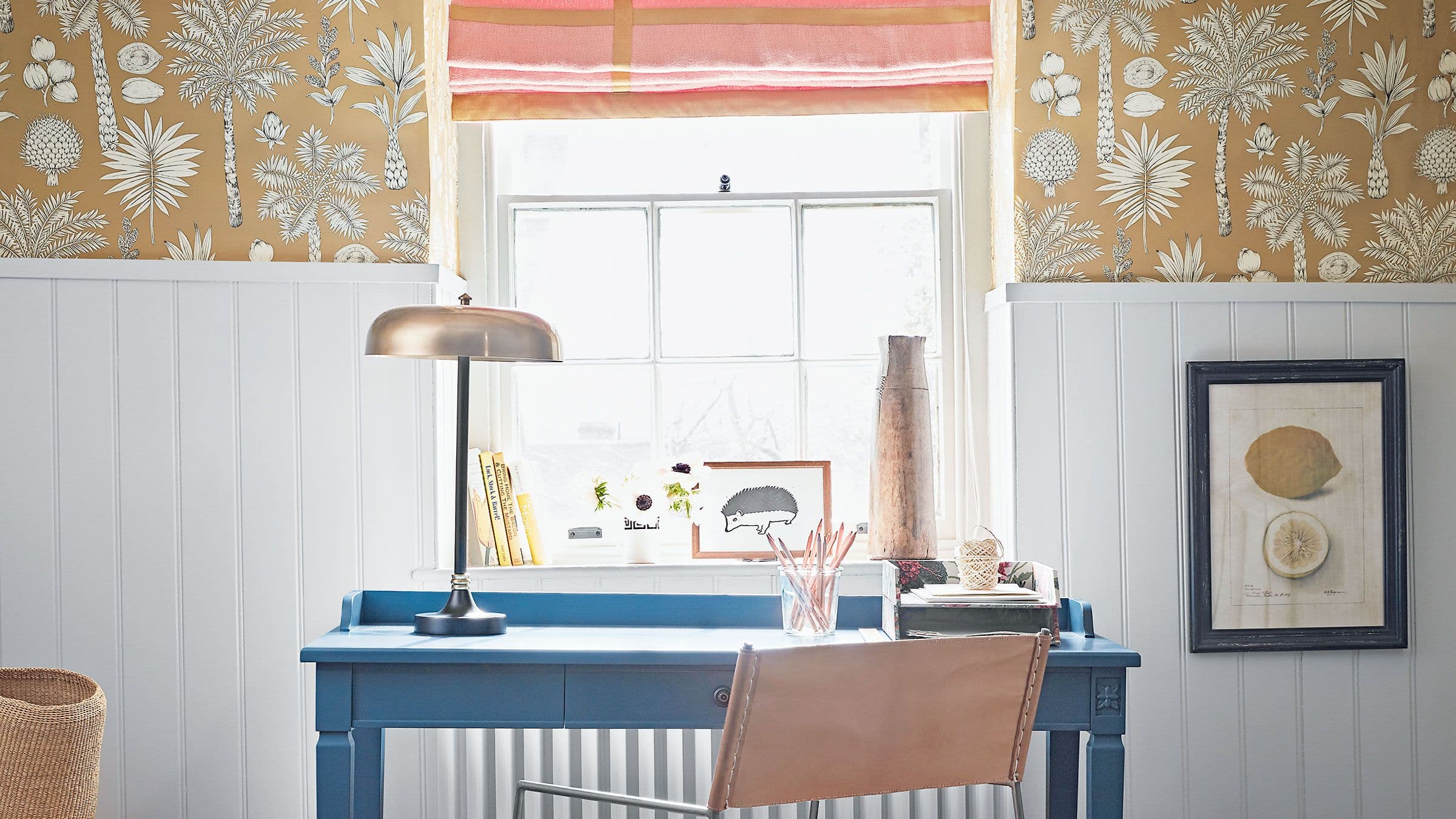
- User-generated content like the *“DESK MAKEOVER ♡︎!!! (maximalist edition)”* video demonstrates approachable, family-friendly maximalist styling, encouraging viewers to embrace maximalism through manageable, personalized projects. The video’s popularity reflects growing community interest in hands-on maximalist transformations.
- Sustainability and tactile storytelling gain further visibility through videos like *“a huge closet clean out! decluttering and trying on all my clothes (plus a collective thrift haul),”* where decluttering, thrifting, and upcycling are presented as integral to maximalism’s ethos of meaningful, layered living.
---
### Accessible Seasonal and Step-by-Step Maximalism
Recent trends further democratize maximalism for families through:
- Seasonal, **curated mantel décor** interventions, as highlighted in *“28 Spring Mantel Decorating Ideas for 2026 Designed To Pull Every Eye The Second You Walk In.”* These seasonal layers—featuring jewel-toned ceramics, vibrant florals, and sculptural objects—offer flexible, easy-to-refresh maximalist focal points in entryways and living rooms.
- The popular **English house tour of a renovated London family home** illustrates how modest urban spaces can be transformed into sensory-rich sanctuaries through thoughtful vintage layering, sustainable sourcing, and DIY projects, reinforcing maximalism’s adaptability to diverse family lifestyles.
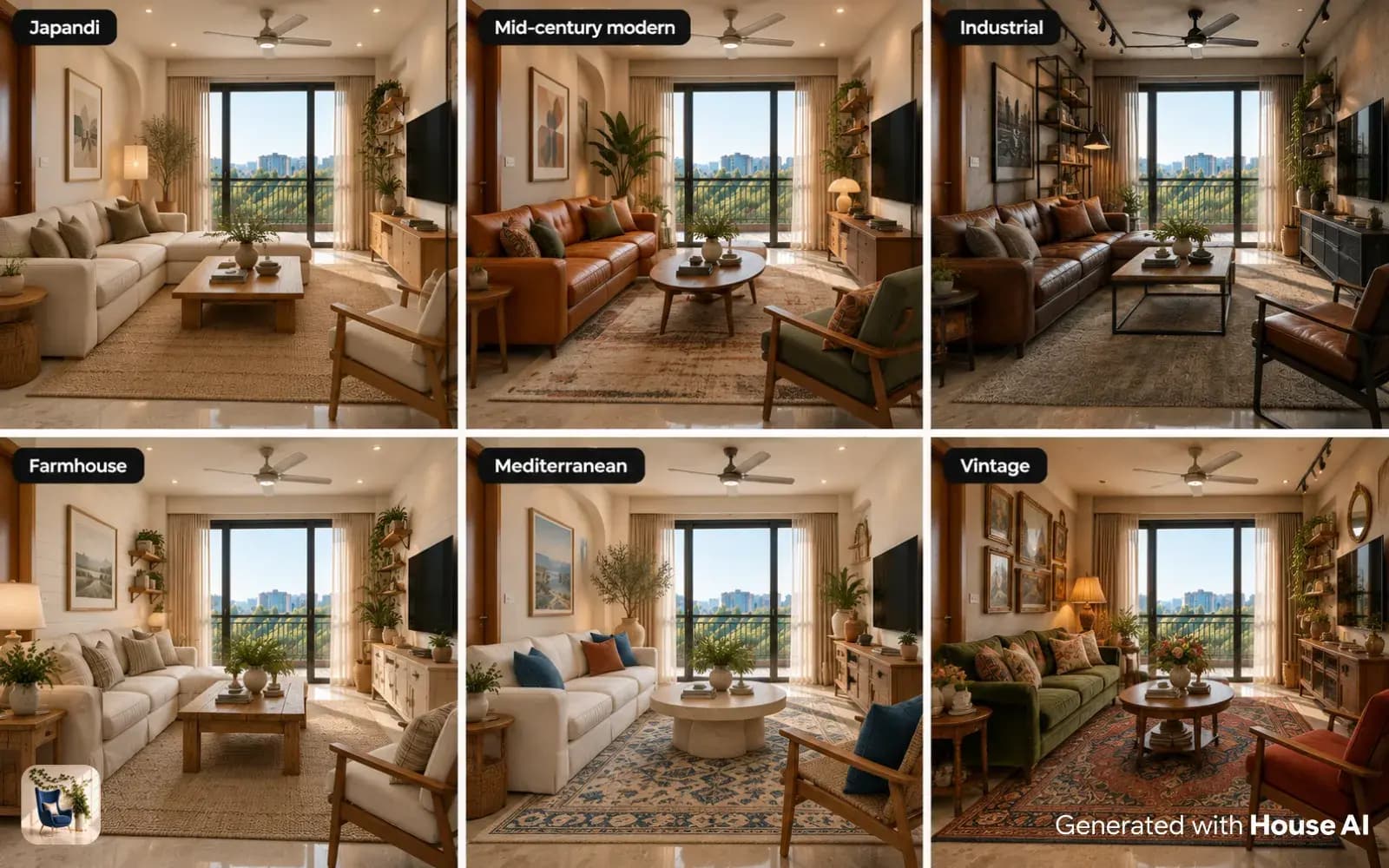
- A newly surfaced **designer-led, step-by-step living room decoration guide** breaks down maximalism into manageable phases—from palette selection and furniture layering to lighting and accessory placement—making the style accessible to families seeking confidence and clarity in their design journey.
---
### Summary of Late-2026 Family Maximalism Trends
- **Canopy beds with removable drapes** emerge as sculptural, adaptable bedroom centerpieces fostering sensory intimacy.
- **Playful, nostalgia-infused bathrooms** act as maximalist laboratories enhanced by child-friendly accessories like LOL Surprise shower curtains.
- **Sensory zoning, tech management, and modular children’s furniture** sustain family wellbeing and adaptability.
- **Nostalgia-driven palettes and joyful design voices** like Sheila Bridges continue to inspire emotionally rich environments.
- **Small-surface color interventions** promote gradual, manageable maximalism aligned with slow parenting ideals.
- **Layered lighting and micro-sanctuaries** balance exuberance with moments of calm intimacy.
- **AR visualization tools** alleviate design anxiety and encourage confident experimentation.
- **Removable décor, DIY, and upcycling cultures** bolster sustainability and renter-friendly flexibility.
- **Seasonal mantel décor and family home renovations** showcase accessible and evolving maximalist applications.
- **Designer-led, step-by-step living room guides and user-led makeover projects** empower families to confidently implement maximalist principles room by room.
- **Curated accessory picks and interactive objects** foster playful, tactile engagement in family spaces.
---
### Conclusion
By late 2026, family-focused maximalism has matured into a **color-forward, emotionally resonant, and practical design lifestyle** that harmonizes jewel-toned vibrancy with sensory depth, sustainability, and slow living values. Its innovations—from sculptural canopy beds to playful bathrooms—expand maximalism’s spatial versatility and responsiveness to family dynamics.
Layered lighting, micro-sanctuaries, and tech management strategies ensure that maximalism’s expressive exuberance supports rather than overwhelms family wellbeing. Meanwhile, emerging seasonal décor trends, curated accessory selections, and accessible DIY transformations continue to democratize maximalism, inviting families of all budgets and sizes to embrace this nurturing, joyful, and adaptable design philosophy attuned to contemporary family life.
The integration of AR tools and user-led projects signals a new era of empowered, confident maximalism where families co-create vibrant, sensory-rich homes that celebrate creativity, connection, and comfort in equal measure.