# Building Retrieval-Augmented, Multimodal Knowledge Systems: Latest Innovations and Strategic Directions
The enterprise AI landscape is in the midst of a profound transformation, driven by innovative advancements in **retrieval-augmented generation (RAG)** systems that seamlessly integrate multiple data modalities—such as text, images, audio, video, and structured data—into cohesive, reasoning-capable ecosystems. These breakthroughs are redefining how organizations convert static repositories into **dynamic, intelligent knowledge ecosystems** capable of real-time insights, automated workflows, and multimedia understanding. As new models, architectures, and tools emerge, they are accelerating the shift from experimental prototypes to enterprise-grade solutions that enhance decision-making, automation, and user engagement.
## Evolving Capabilities for Multimodal RAG
Modern multimodal retrieval-augmented systems now leverage a suite of mature, rapidly advancing capabilities:
- **Multimodal Data Integration:** The ability to unify diverse data types enables cross-modal querying—such as searching documents with images or audio clips—creating richer, more intuitive user interactions.
- **Cross-Modal Retrieval:** Improved techniques allow effective searches where, for example, a textual query retrieves relevant images, videos, or sounds, broadening enterprise discovery and analysis.
- **High-Quality Embedding Generation:** State-of-the-art models like **Gemini 3.1 Pro** produce precise, relevant embeddings across multiple modalities, supporting large-scale, real-time similarity searches critical for enterprise decision workflows.
- **Contextual Fusion and Reasoning:** Combining information from different data types enhances reasoning, supporting applications like multimedia question answering and automated document analysis.
- **Real-Time Inference & Dynamic Updates:** Systems now operate with minimal latency, continually updating their knowledge bases to reflect the latest enterprise data, ensuring responses are current and contextually relevant.
- **Lightweight and On-Device RAG:** Innovations such as **L88**, a retrieval-augmented system functioning efficiently on just 8GB VRAM, democratize access by enabling deployment in resource-constrained environments like field operations, mobile devices, or remote sites.
Supporting these core capabilities is a **robust, scalable infrastructure**, often cloud-native, exemplified by platforms like **Google’s Vertex AI**. These platforms provide comprehensive tooling for data ingestion, model deployment, security, and governance—accelerating development cycles and ensuring enterprise-grade reliability.
## Transforming Traditional Data Repositories into Active Knowledge Ecosystems
Enterprises are increasingly transitioning from static data archives to **active, AI-powered knowledge ecosystems**. This evolution involves:
- Extracting structured insights from vast unstructured sources using advanced NLP and computer vision techniques.
- Building **updatable, queryable knowledge bases** that automate workflows, generate insights, and support decision-making processes.
- Leveraging AI to analyze multimedia content—including images, videos, and audio—in real-time—enabling automated triggers, contextual insights, and dynamic operational responses.
This transformation turns conventional repositories into **live operational assets**, significantly enhancing organizational agility, responsiveness, and innovation capacity.
## Key Innovations and Noteworthy Developments
### Gemini 3.1 Pro: A New Benchmark in Multimodal Embeddings and Generation
The recent release of **Google Gemini 3.1 Pro** marks a substantial leap forward:
- **Enhanced Embeddings:** Its improved multimodal embeddings enable more accurate, relevant retrieval across diverse data types, directly boosting enterprise search relevance and analytical accuracy.
- **Content Generation:** Gemini 3.1 Pro supports context-aware, high-fidelity responses, facilitating complex automation workflows, multimedia synthesis, and nuanced knowledge generation.
- **Operational Efficiency:** Optimized for low latency and cost-effectiveness, Gemini 3.1 Pro is suited for large-scale deployment, with early adopters reporting significant improvements in response relevance and system responsiveness.
### Cutting-Edge Architectures: Multi-Agent and Agentic Reasoning
Research into **multi-agent systems** and **agentic architectures** is gaining momentum:
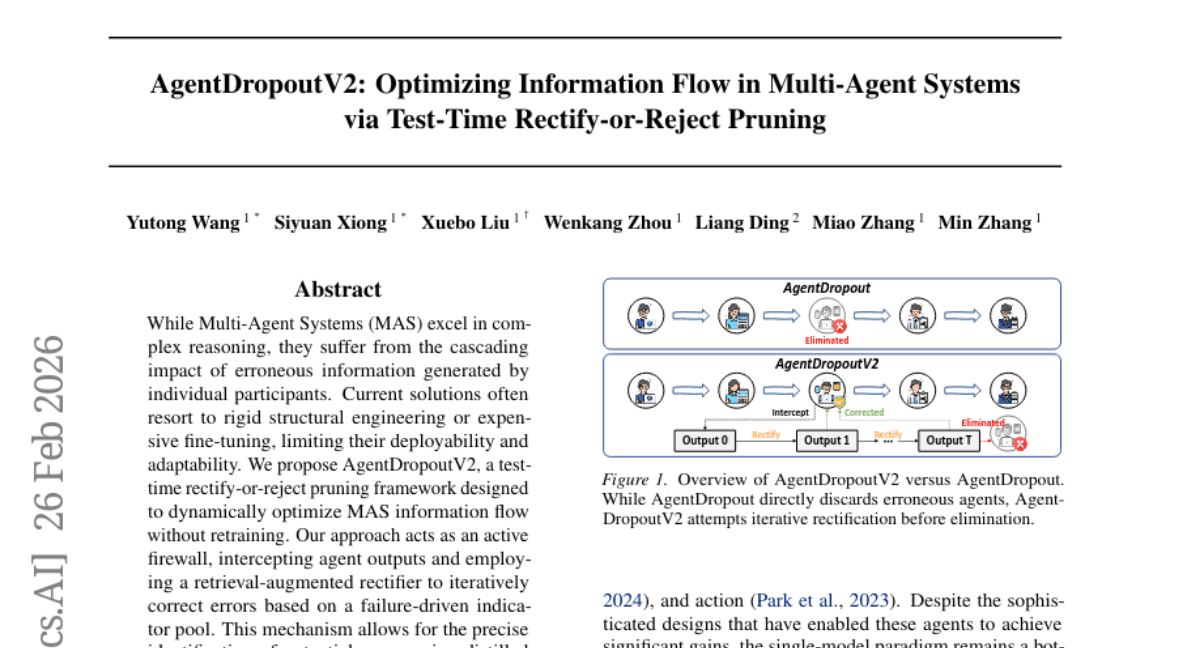
- **Grok 4.2:** A pioneering multi-agent system featuring four specialized "heads" that operate in parallel. These agents share context, engage in internal debates, and collaboratively improve accuracy, especially for complex or ambiguous queries.
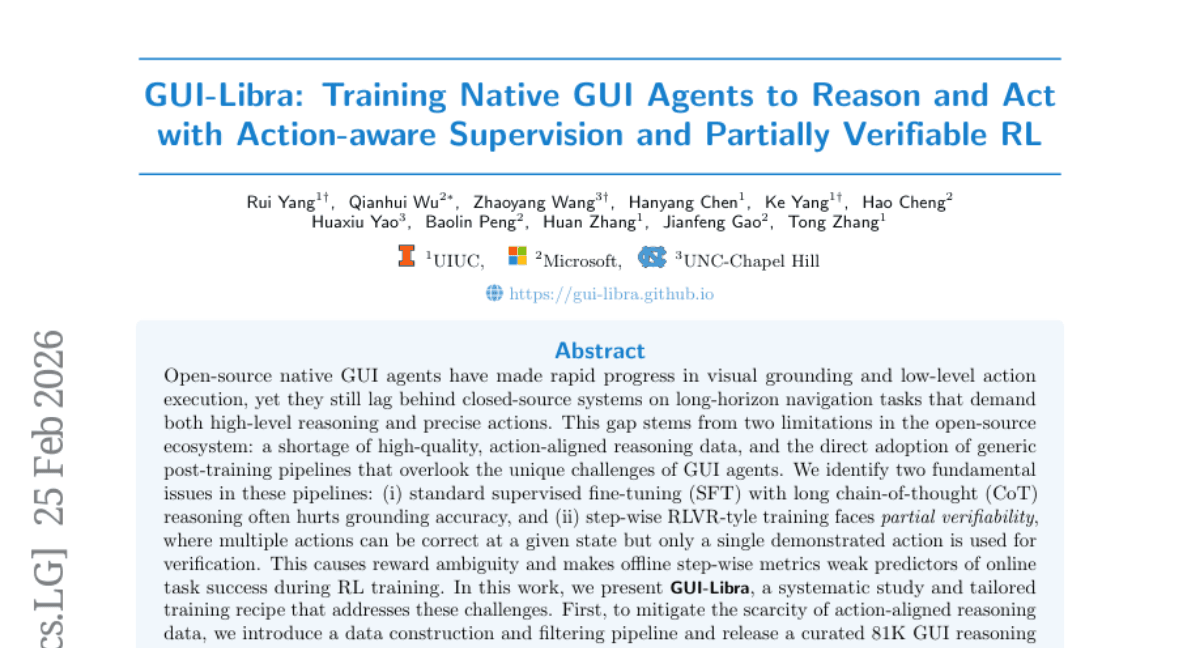
- **Self-Reflective Frameworks:** Emerging frameworks enable models to reason about their own processes, decide when to continue thinking, or act autonomously, advancing trustworthy, safe, and targeted AI behaviors.
### Advances in Agentic Coding and Automation
The evolution of **agentic coding** is exemplified by **Codex 5.3**, which surpasses previous versions like **Opus 4.6**:
- **Codex 5.3:** Enables more autonomous, reliable, and complex code generation, streamlining enterprise development workflows and accelerating automation initiatives across various domains.
### Multimedia Content Creation and Processing Tools
Progress in multimedia generation tools now directly feeds into RAG pipelines:
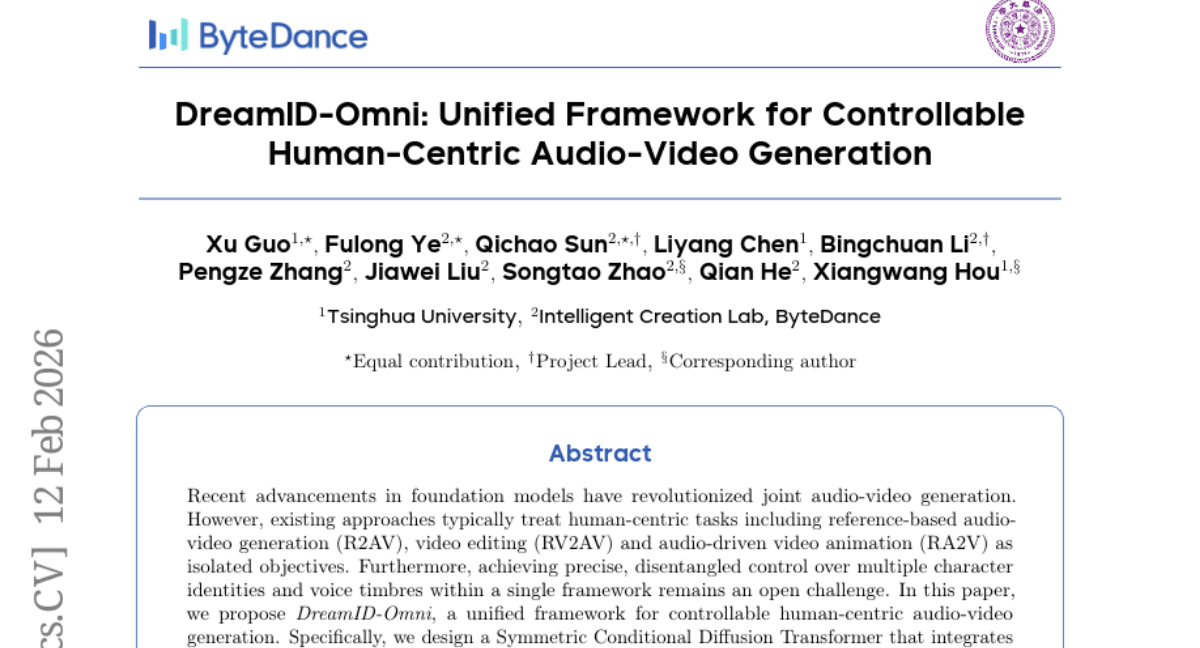
- **Adobe Firefly’s Video Editing:** Automated draft generation from raw footage accelerates video content workflows, enabling rapid iterations and integration into multimedia RAG systems.
- **Media Extraction & Enhancement:** New tools facilitate detailed extraction from static media, transforming raw footage into structured, actionable data streams for retrieval, analysis, and automation.
### New Frontiers: Privacy, Deployment, and Extended Modalities
The scope of multimodal AI is expanding into critical areas:
- **Privacy-Preserving Retrieval:** Innovations such as **privacy-preserving multi-user retrieval systems** ensure sensitive data remains protected during collaborative retrieval processes.
- **On-Device and Low-Resource RAG:** Solutions like **L88** demonstrate high-performance retrieval and understanding capabilities on modest hardware, making deployment feasible in remote or resource-constrained environments.
- **Mobile Multimodal AI:** Developments like **Mobile-O** enable on-device multimodal understanding and generation, supporting use cases in remote diagnostics, field services, and manufacturing.
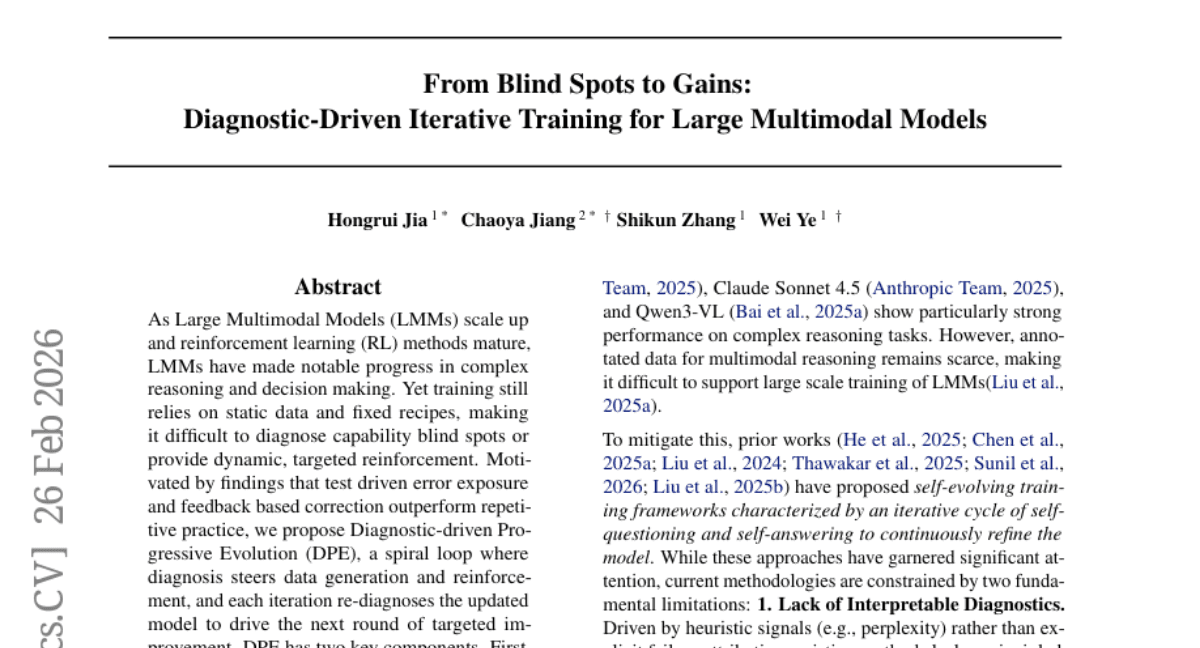
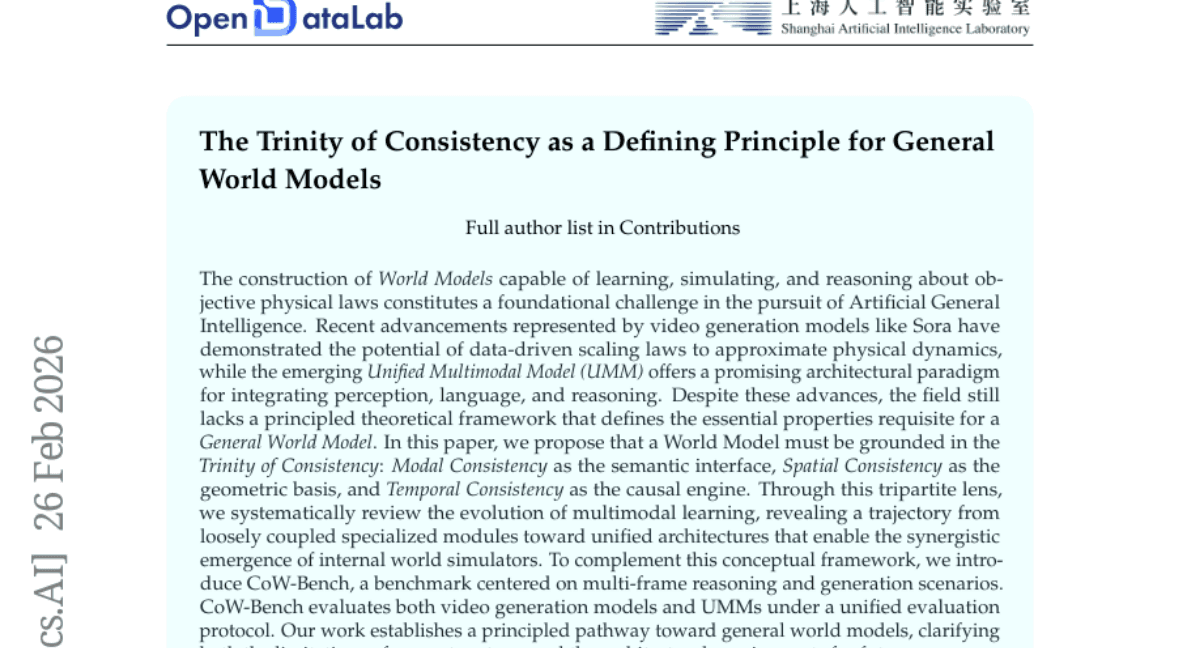
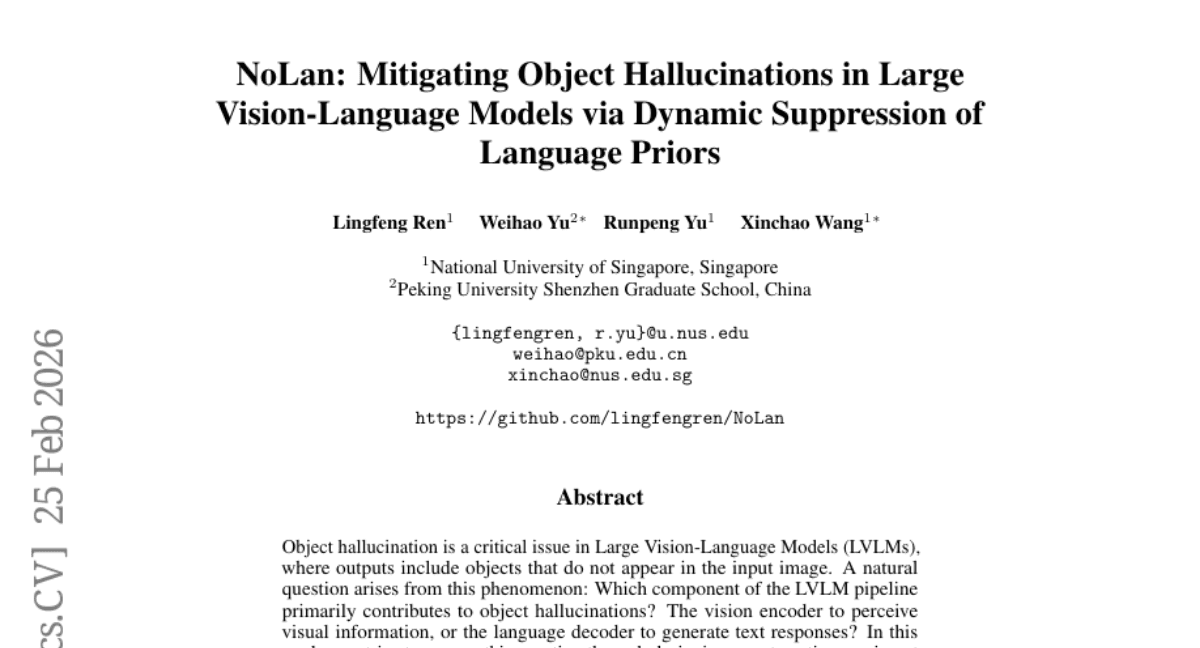
- **3D Multimodal Learning & Extended Contexts:** Techniques such as **test-time training for long contexts** and **3D multimodal understanding** are pushing AI toward grasping complex spatial-temporal data, essential for robotics, simulation, and immersive enterprise applications.
## Emerging Research and Governance Focus
As AI systems become more autonomous and complex, emphasis on **interpretability, safety, and ethical deployment** intensifies:
- **Explainability & Fairness:** Frameworks like **Responsible Intelligence in Practice** provide tools for bias auditing and transparency.
- **Safety & Alignment:** Methods such as **AlignTune** enable post-training safety adjustments, embedding ethical principles and reducing risks.
- **Secure Multi-User Retrieval:** Developing privacy-preserving, multi-user retrieval systems supports collaboration without compromising confidentiality.
### Advanced Evaluation Metrics and Governance
New evaluation metrics are emerging to assess AI quality comprehensively:
- **AI Fluency Index:** This new measure evaluates problem-solving ability, consistency, safety, and alignment, extending beyond traditional metrics like perplexity.
- **Regulatory & Compliance Monitoring:** Continuous health checks, response audits, and adherence to frameworks like the **EU AI Act** are integral to trustworthy deployment.
## Practical Resources and Strategic Next Steps
Enterprises aiming to capitalize on these innovations should consider:
- **Evaluating Multi-Agent Orchestration Tools:** Incorporate systems like **AgentOS** to manage complex multi-agent workflows.
- **Integrating Memory & Real-Time Speech Models:** Deploy solutions like **DeltaMemory** for persistent agent memory and **gpt-realtime-1.5** for stronger voice/speech capabilities within RAG pipelines.
- **Benchmarking Multimodal Performance:** Assess and optimize embedding quality, cross-modal retrieval, and merging capabilities across modalities.
- **Strengthening Governance & Safety:** Implement frameworks such as **AlignTune** and monitor progress via the **AI Fluency Index** to ensure responsible, aligned deployment.
## Current Status and Future Outlook
The convergence of **advanced models** like **Gemini 3.1 Pro**, **multi-agent architectures** such as **Grok 4.2**, and scalable cloud platforms like **Vertex AI** signifies a **quantum leap** in enterprise AI capabilities. These innovations are transforming traditional data repositories into **active, reasoning-enabled knowledge ecosystems** capable of complex automation, insight generation, and decision-making at scale.
Looking forward, ongoing research into **model alignment, multimodal reasoning, safety, autonomous decision-making**, and **on-device deployment** promises even more reliable, ethical, and versatile AI systems. Enterprises that proactively adopt these cutting-edge developments will unlock unprecedented operational agility, data-driven innovation, and competitive advantages—turning their vast data assets into **living, learning ecosystems** with continuous adaptation and growth.
**In summary**, building retrieval-augmented, multimodal knowledge systems today involves orchestrating sophisticated models, resilient infrastructure, and safety frameworks. Recent breakthroughs—such as the launch of **Gemini 3.1 Pro**, the deployment of **gpt-realtime-1.5**, and innovations like **DeltaMemory** and **AgentOS**—are collectively redefining enterprise AI. Embracing these trends positions organizations to harness their data assets fully and thrive in an increasingly AI-driven future.