The Minnesota daycare subsidy and Medicaid Non-Emergency Medical Transportation (NEMT) fraud scandal continues to escalate, now firmly entrenched as a high-stakes national crisis at the intersection of federal law enforcement, partisan political amplification, racial dynamics, and citizen-led journalism. Recent developments reveal an intensification of federal investigations, expanded GOP-driven media campaigns, heightened social tensions, and complex legal and policy responses that together underscore the multifaceted nature of this controversy.
---
### Intensified Federal Enforcement and Expanded Investigations
Federal authorities have markedly increased their efforts to dismantle sophisticated fraud networks exploiting daycare subsidies and Medicaid programs in Minnesota:
- **Homeland Security Investigations (HSI)** agents have deployed specialized forensic financial teams in Minneapolis, focusing on uncovering intricate money-laundering schemes and phantom daycare operations. Their work now spans **14 Medicaid service categories**, reflecting a strategic broadening beyond daycare and NEMT into wider welfare fraud detection.
- Investigators employ **advanced AI-assisted forensic analytics**, real-time surveillance, and digital data mining to trace fraudulent billing patterns, shell companies, and forged attendance records.
- Recent joint operations involving the Minnesota Department of Human Services (DHS), federal prosecutors, and law enforcement targeted suspicious daycare facilities—many characterized by **blackout windows, irregular staffing, and inconsistent attendance logs**—disrupting ongoing illicit activities.
- The FBI has intensified coordination with HSI and state agencies, marking a clear federal prioritization of welfare fraud as a national security and financial integrity threat. A senior federal official stated, *“Homeland Security’s active role underscores the magnitude of these fraud networks and their corrosive impact on public trust and resources.”*
These escalations signal a shift toward comprehensive, technologically sophisticated enforcement, aiming to close loopholes and hold perpetrators accountable at multiple government levels.
---
### Minnesota DHS Bolsters Infrastructure with AI and Expanded Workforce
Amid mounting pressure, Minnesota’s Department of Human Services has undertaken significant measures to enhance fraud oversight and provider accountability:
- The hiring of **168 new fraud investigators and auditors** has expanded the agency’s capacity to conduct thorough audits of over 150 daycare providers identified for suspicious billing or operational irregularities.
- Deployment of **AI-driven anomaly detection systems** now supports continuous real-time monitoring of claims, with a particular investigative focus on Minnesota’s Somali-American daycare sector, a central locus of the probe.
- DHS has initiated widespread **funding freezes** on providers under suspicion and conducted coordinated raids to disrupt fraudulent operations.
- To combat misinformation and politically fueled exaggerations, DHS launched a **public fraud information portal and fact-checking webpage**, aiming to clarify verified cases and protect legitimate childcare providers from collateral reputational damage. A DHS spokesperson emphasized, *“Transparent, factual communication is vital to maintaining public trust and protecting genuine childcare services from collateral damage.”*
These efforts reflect a dual approach of rigorous enforcement balanced with communication strategies intended to preserve community trust.
---
### GOP Political Amplification and National Media Spotlight on Citizen Journalism
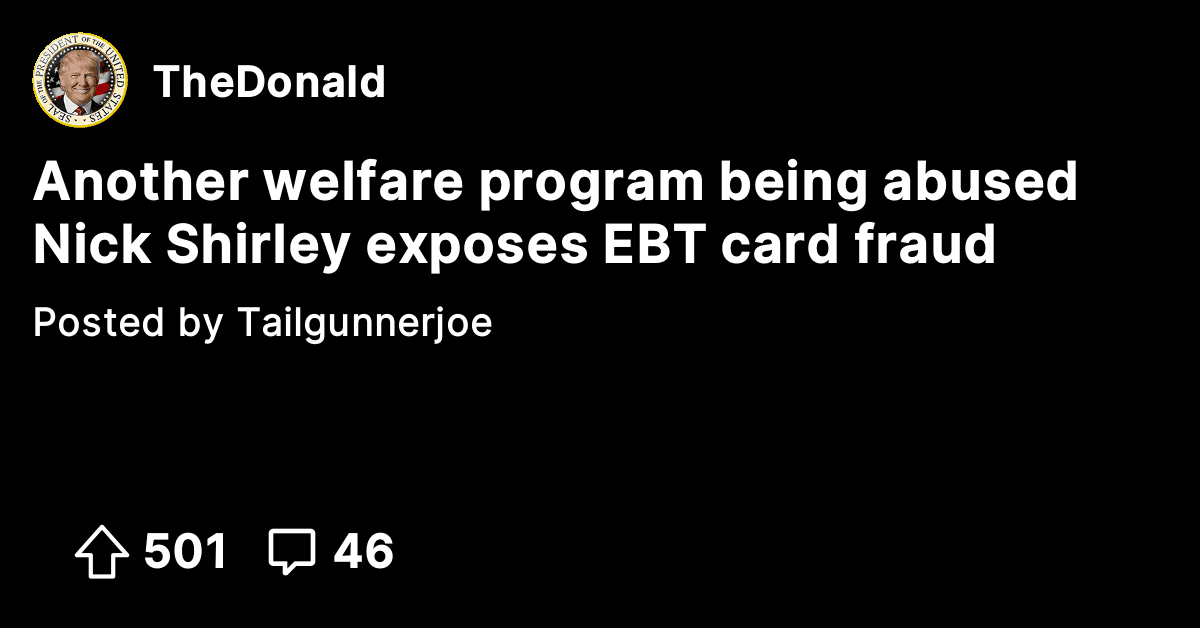
The scandal’s political dimension has intensified dramatically, fueled by GOP leaders and conservative media outlets amplifying the work of citizen journalist **Nick Shirley**:
- Shirley, credited with exposing “ghost daycare” fraud, was symbolically elevated when Congressman **Pete Stauber** invited him and whistleblower **David Hoch** as official guests to the 2024 **State of the Union** address, projecting the scandal onto the national political stage.
- Shirley’s investigative scope has expanded beyond Minnesota, with high-profile exposés linking welfare fraud to California’s urban homelessness crises—most notably in Los Angeles’s Skid Row—blending fraud narratives with broader immigration and poverty debates.
- Conservative media campaigns, such as *“This is How Blue States Commit Fraud,”* leverage Shirley’s findings to frame the scandal as emblematic of systemic failures in Democratic-governed states.
- Despite his growing influence and GOP backing from figures like Minnesota House Speaker **Lisa Demuth**, Oversight Chair **James Comer**, Congressman **Eli Crane**, and Senator **Ron Johnson**—who has initiated a **federal forensic audit** and endorsed Shirley for a **Congressional Gold Medal**—Shirley’s methods remain contentious. Critics, including California Assemblymember **Chris Ward**, condemn his approach as *“repugnant and a disgrace,”* citing allegations of harassment and ethical breaches.
- Shirley now operates under a **24/7 security detail** amid escalating threats linked to his polarizing investigations.
- Recent fact-checking efforts have scrutinized some of Shirley’s viral claims, such as misinformation about using P.O. boxes for voting, reflecting ongoing tensions between partisan advocacy and factual accuracy.
This fusion of citizen activism, political endorsement, and media amplification has transformed the scandal into a nationally resonant culture war flashpoint, complicating objective oversight and public understanding.
---
### Immigration Enforcement and Community Tensions Escalate
The scandal’s overlap with immigration issues has exacerbated social and racial tensions, particularly within Minnesota’s Somali-American communities:
- Viral GOP-amplified videos linking Somali immigrant communities to fraud preceded a surge in **ICE raids**, which immigrant advocates argue are politically motivated and risk inflaming racial divides.
- Somali advocacy groups warn that conflation of immigration enforcement with fraud investigations may undermine community trust and social cohesion.
- Local media and community leaders stress that national coverage often oversimplifies immigrant experiences and neglects the nuanced realities faced by families and providers, leading to harmful stereotyping and stigmatization.
These dynamics add a volatile layer to the scandal, highlighting the challenges of addressing fraud without fueling xenophobia or racialized political rhetoric.
---
### Whistleblower David Hoch’s Ongoing Calls for Accountability
Whistleblower David Hoch remains a pivotal figure in the scandal’s unfolding narrative:
- In recent congressional testimony, Hoch described fraud as *“hiding in plain sight”* within Somali-American daycare networks, often triggered by minor inconsistencies such as document misspellings.
- Hoch has publicly urged Governor **Tim Walz** and Attorney General **Keith Ellison** to testify about oversight delays and alleged document backdating intended to conceal irregularities.
- Advocating for stronger **whistleblower protections**, Hoch underscores the increased risks facing informants amid the fraught racial and partisan environment surrounding the scandal.
His continued advocacy fuels federal investigations and amplifies calls for accountability among state officials.
---
### Legal and Policy Responses: Seeking Balance Between Enforcement and Service Continuity
As enforcement intensifies, courts and policymakers grapple with maintaining essential childcare services while cracking down on fraud:
- Judicial rulings have preserved critical federal childcare funding in Minnesota, providing temporary relief to an infrastructure already strained by the scandal.
- Ongoing litigation addresses due process concerns related to funding freezes, provider suspensions, and enforcement protocols.
- Bipartisan legislative reforms are gaining momentum, including:
- **Enhanced eligibility verification and frequent audits** to detect phantom enrollments and Medicaid fraud.
- Expanded use of **AI-driven real-time fraud detection tools**.
- Strengthened **whistleblower protection laws** to safeguard informants amid rising threats.
- Improved **data-sharing frameworks** between federal and state agencies to promote transparency and oversight.
- Transparency mandates aimed at rebuilding public confidence in agencies like DHS.
These measures seek to curb fraud while protecting vulnerable immigrant and low-income families dependent on childcare services.
---
### Social Impact and Racialized Political Discourse
The scandal’s social fallout is profound, particularly for immigrant communities and childcare providers:
- A highly contentious Senate hearing titled **‘SOMALI SCAMMERS’** drew widespread condemnation for racially charged language that exacerbates stigmatization of Somali-American daycare providers.
- Somali advocacy organizations caution that GOP rhetoric risks fracturing community trust and unfairly targets immigrant families, with implications reverberating nationally.
- Childcare providers report severe operational and financial hardships amidst intensified scrutiny, while many families have withdrawn children due to fear of association with fraud allegations, deepening childcare deserts in low-income neighborhoods.
- Local reporting, including by the *Mesabi Tribune*, highlights these economic and social consequences and calls for balanced, culturally sensitive policy responses.
This underscores the critical need for nuanced approaches that prevent fraud without marginalizing vulnerable populations.
---
### Political Fallout and Relief Efforts Amid Growing Polarization
Political ramifications continue to reshape Minnesota’s governance landscape:
- Governor **Tim Walz** announced he will **not seek re-election in 2024**, a decision widely attributed to sustained GOP criticism over his handling of the fraud investigations.
- Walz rolled out a **$10 million business relief package** to support daycare providers and ancillary businesses impacted by enforcement actions.
- Republicans have criticized the relief plan as a potential *“new avenue for fraud,”* warning it may inadvertently perpetuate vulnerabilities exploited by bad actors.
- The relief package has further polarized Minnesota’s political climate, making fraud prevention a pivotal issue for the upcoming election cycle.
---
### Congressional Hearings and Public Accountability Pressures
Federal scrutiny has intensified through high-profile congressional sessions:
- A recent contentious congressional hearing publicly named Governor Walz and Minnesota officials, accusing them of lax oversight and complicity in millions of dollars in fraudulent payments linked to Somali courier networks.
- The four-hour hearing, widely circulated online, heightened GOP pressure and deepened the scandal’s politicization at the federal level.
- Critics caution that the panel’s ethnicized rhetoric risks inflaming racial tensions even as it demands accountability.
This episode exemplifies the scandal’s transformation into a federal political battleground.
---
### Geographic and Media Expansion: California and Beyond
The scandal’s narrative has expanded beyond Minnesota, reflecting broader social and political fault lines:
- Nick Shirley’s investigations into California’s urban homelessness, particularly in San Francisco and Los Angeles’s Skid Row, have linked welfare fraud narratives with nationwide concerns over immigration, poverty, and public assistance.
- His video *“Inside California’s Homeless Disaster”* has attracted substantial attention, embedding the scandal into national conversations.
- Meanwhile, Minnesota local journalists critique national media for oversimplifying the intersection of ICE enforcement and community realities, advocating for more nuanced portrayals.
This geographic and media expansion signals the scandal’s deepening national resonance.
---
### Media Polarization and Ethical Controversies
Media coverage reflects stark ideological divides compounded by ethical controversies:
- Conservative outlets portray Shirley and allied citizen journalists as fearless exposers of government failures and corruption.
- Critics—including Somali advocacy groups and mainstream journalists—accuse GOP messaging of racializing the scandal and fueling xenophobia.
- Shirley’s confrontational, vigilante-style journalism—marked by home visits and street confrontations—has sparked serious privacy and ethical concerns.
- Shirley and associates have faced violent threats and confrontations, including during investigations in Baltimore’s Penn North neighborhood.
- Disputes over fraud estimates, such as Shirley’s $100 million claims, have deepened partisan polarization, with mainstream fact-checkers drawing backlash from MAGA-supporting audiences.
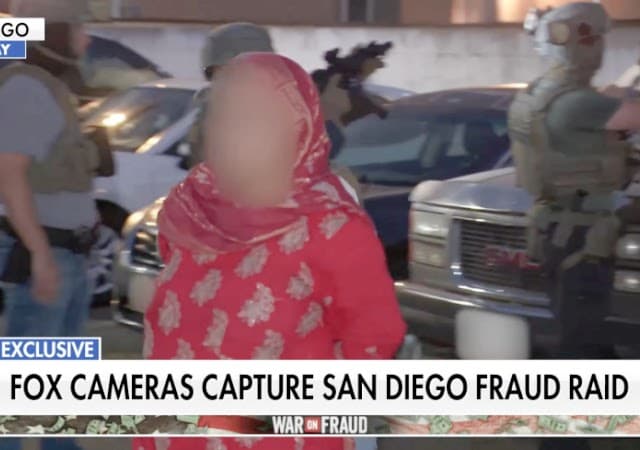
- Recent fact-checks, such as those by FOX 5/KUSI San Diego scrutinizing Shirley’s viral claims about voting fraud, illustrate ongoing tensions between political advocacy and factual accuracy.
These dynamics complicate efforts to foster informed, constructive discourse on welfare fraud.
---
### Current Status and Outlook
The Minnesota daycare subsidy and Medicaid NEMT fraud scandal remains a defining national controversy at the nexus of federal enforcement, partisan politics, racial dynamics, and citizen activism:
- Enforcement efforts continue to intensify with **168 new DHS investigators, AI surveillance, Homeland Security agents, and FBI coordination** targeting complex fraud schemes.
- Political fallout influenced Governor Walz’s retirement and energized GOP-led congressional inquiries that publicly name state officials.
- Whistleblower David Hoch and citizen journalist Nick Shirley operate amid escalating threats, underscoring urgent calls for enhanced protections and ethical standards.
- The scandal’s geographic and media expansion—into California homelessness coverage and national political discourse—demonstrates its broad implications for welfare oversight, immigrant relations, and political polarization.
- Judicial rulings and bipartisan reforms aim to balance robust fraud enforcement with continuity of vital childcare services.
- Community trust and childcare access remain fragile, highlighting the critical need for nuanced policy approaches that prevent fraud without marginalizing vulnerable populations.
---
**In summary**, the Minnesota daycare subsidy and Medicaid NEMT fraud scandal has evolved from a state-level fraud investigation into a multifaceted national crisis. It is characterized by aggressive federal enforcement, politically charged GOP amplification, deepening social fractures, heightened racial tensions, and an expanding media footprint. The recent elevation of citizen journalist Nick Shirley to the State of the Union stage epitomizes how enforcement, political, and media dimensions are now inseparably intertwined—reshaping welfare oversight, racial discourse, and partisan battles across the United States.