September 22, 2026
Mars at 1.52 AU: Modest Distance, Extreme Results
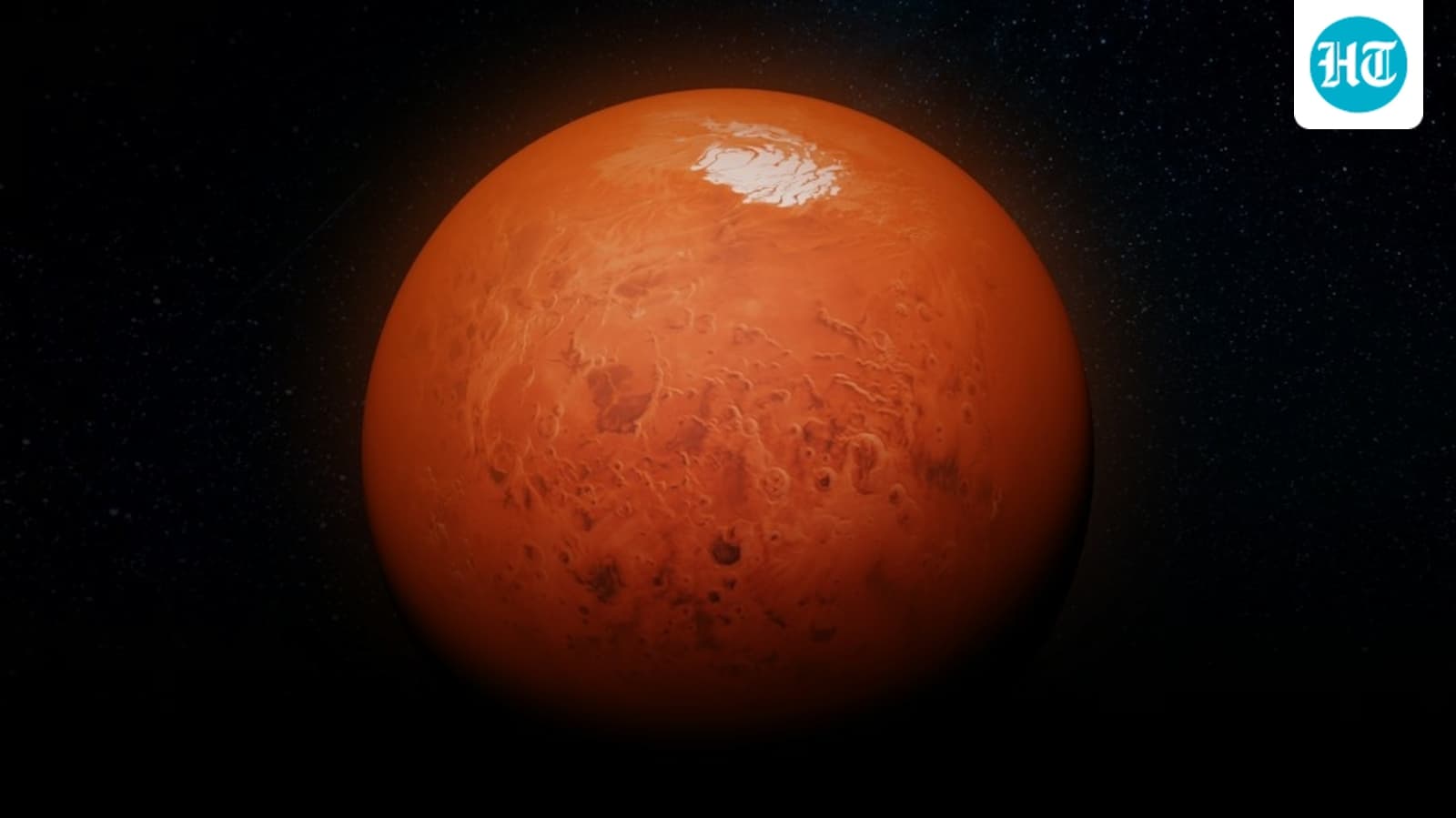
Mars sits at 1.52 AU from the Sun, giving it a 687-Earth-day year and global temperatures around -60°C because it receives less than half the solar energy Earth does.
Created by Troy Eddy
Visual explainer news on Earth’s size, solar system distances, and cosmic scale comparisons
Explore the latest content tracked by Earth Scale Explorer
Mars sits at 1.52 AU from the Sun, giving it a 687-Earth-day year and global temperatures around -60°C because it receives less than half the solar energy Earth does.
China is leveraging its growing space capabilities to target a major first: returning Martian samples ahead of NASA.
Proxima Centauri, our nearest star at 4.25 light-years, marks the next scale beyond solar-system distances.
A clock on Mars ticks 477 microseconds faster per day than one on Earth, with the gap varying by 226 microseconds due to weaker gravity and Mars's...
Elias 2-24 b is the youngest confirmed planet at under 1 million years old, still embedded in its natal disk 55 times farther from its star than Earth...
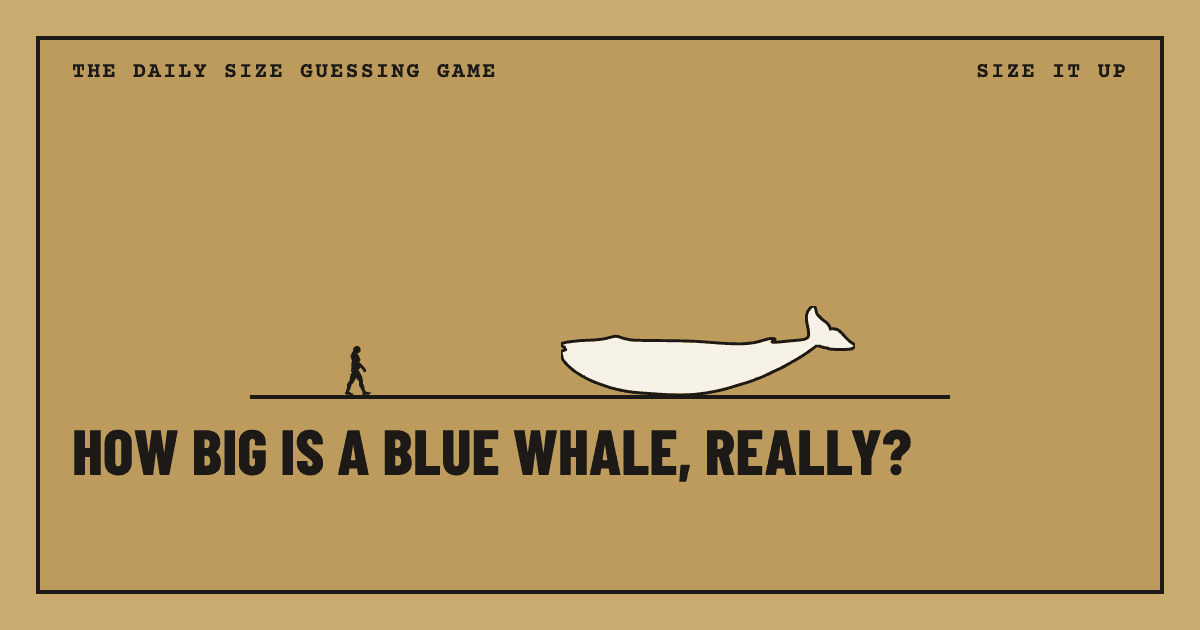
Size It Up Space offers a simple visual game to sharpen your sense of solar system scales.
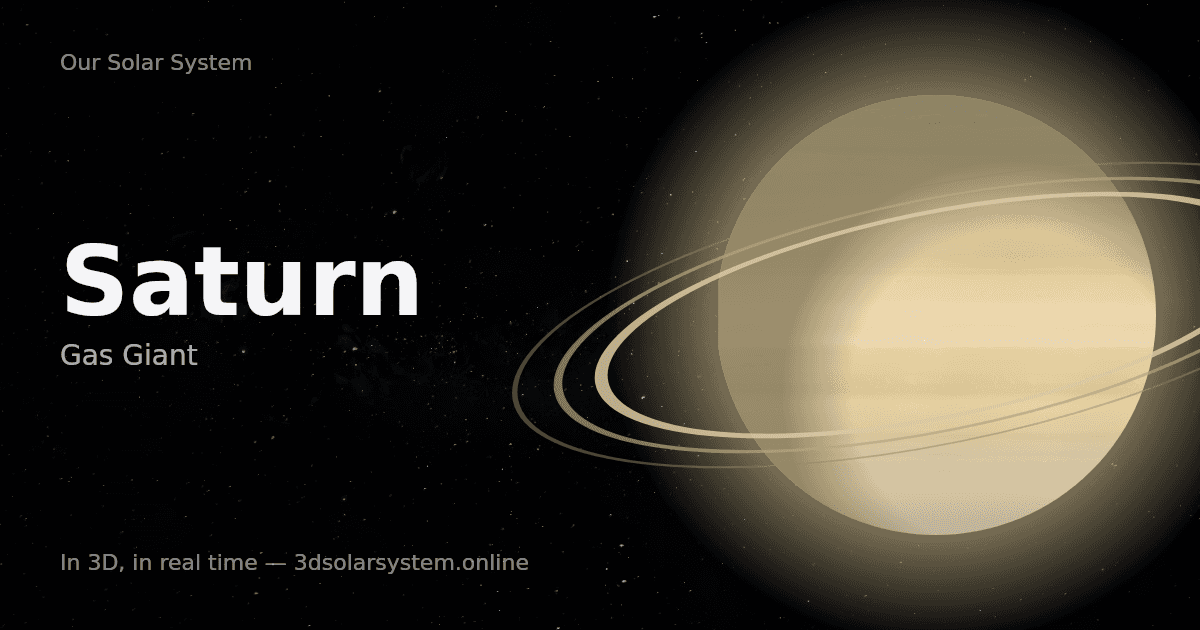
Saturn anchors planetary scale with striking contrasts.
On September 12, 2013, Voyager 1 became the first man-made spacecraft to leave the solar system after launching 36 years earlier. This anniversary highlights humanity's farthest reach into interstellar space.
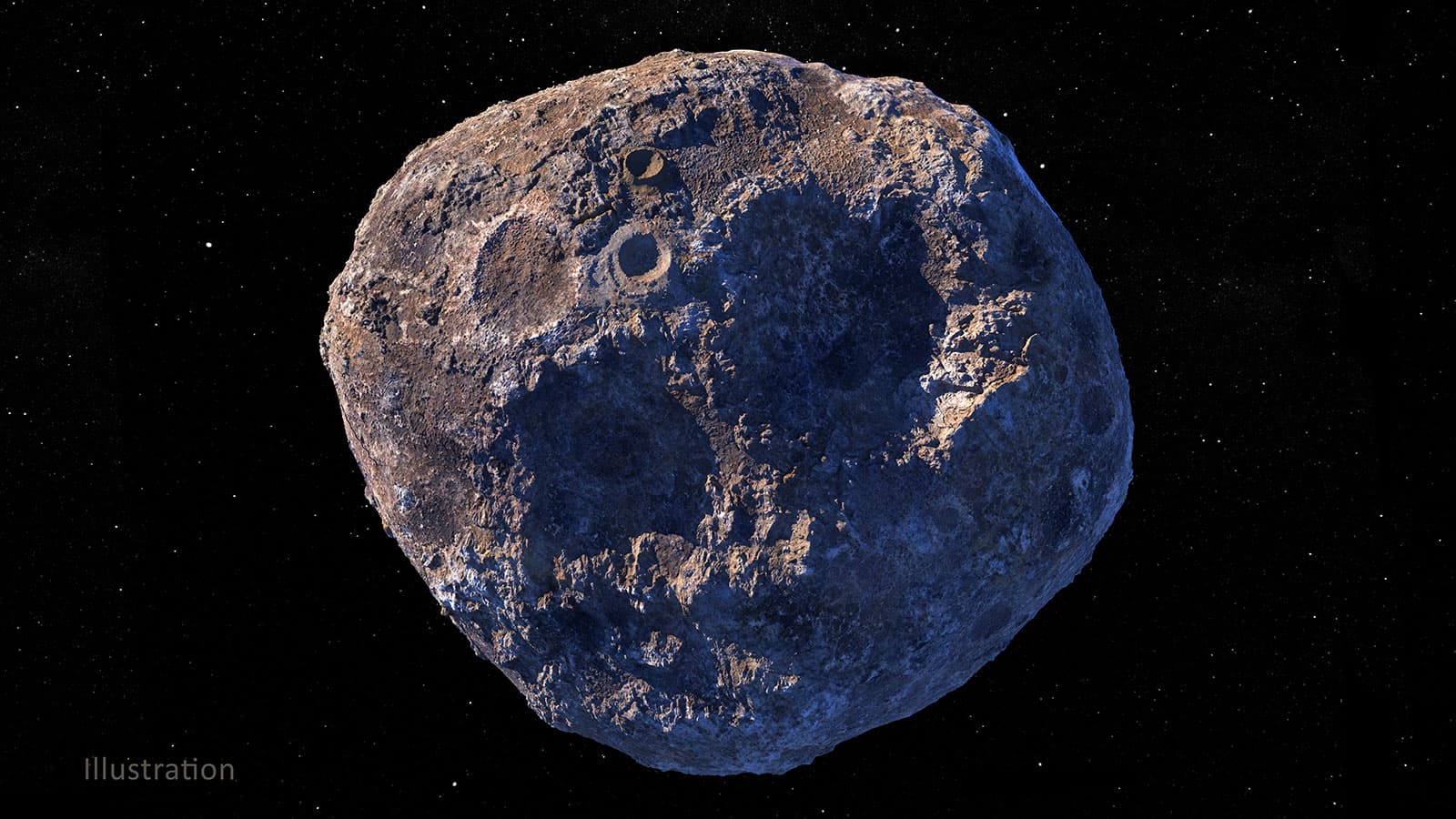
Psyche sits 2.5–3.3 AU from the Sun—three times Earth’s distance—with an irregular potato shape up to 280 km wide.
A light-year equals 5.88 trillion miles—the distance light covers in one year at 186,000 miles per second. It measures space, not time, revealing the...
A single pair of numbers like 480 × 36,000 km instantly maps an orbit stretching from near-Earth perigee to geostationary apogee distances, showing...
Exorbit Space's interactive simulators fix each planet at center to reveal moon orbital layouts and realtime motion across the solar system.
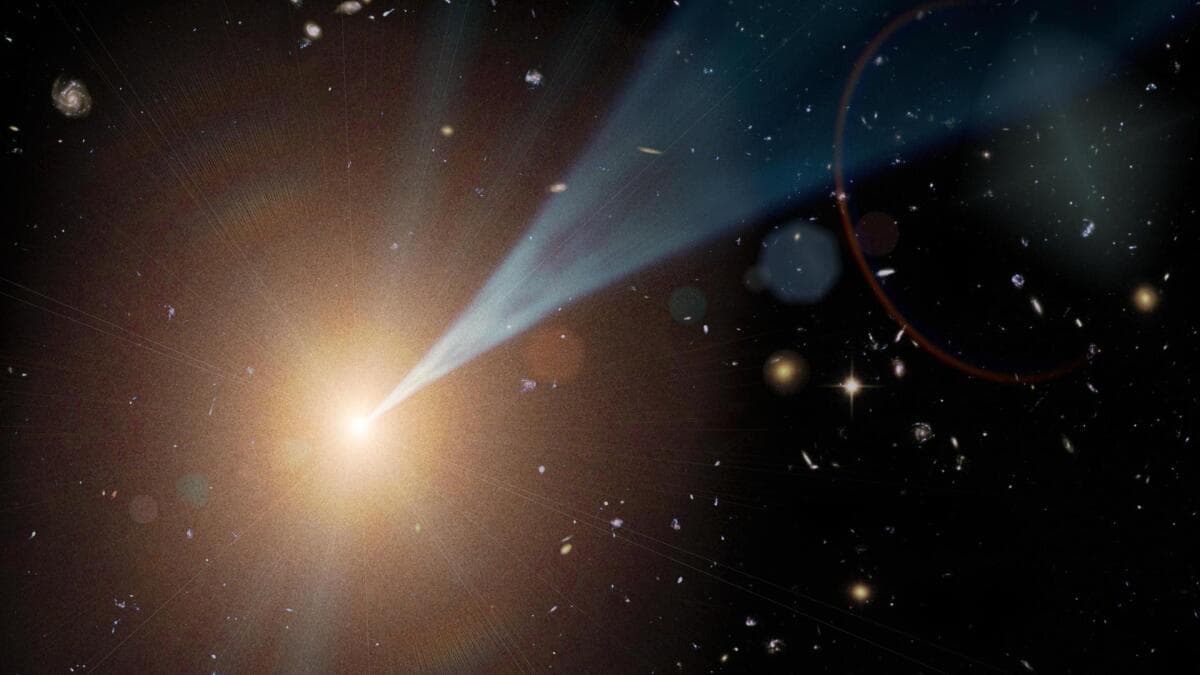
A NASA-funded concept called Interworld Slingshot Resource Surveys would extend Landsat-style mineral mapping by sending a spacecraft on flybys of the...
Mars hosts volcanoes far larger than Earth's due to its stationary crust.
Mars isn't merely a smaller Earth: its southern interior runs 200–400°C hotter than the north and may still hold molten pockets today. This deep...
Venus orbits closer to the Sun than Earth and Mars, with Mars at roughly 227.9 million kilometers. This shows how planets that seem near each other are separated by huge distances in the solar system.
太阳在银河系中的运动可能多次压缩日球层,让地球暴露于星际物质中。
约200-300万年前和600-700万年前,太阳穿越致密星际云,日球层剧烈收缩,地球或直接接触宇宙射线与氢气,可能改变大气化学与气候。
BU天体物理学家Merav Opher领导的COSMIC中心正整合银河系路径、氦-10同位素和古冰芯数据,检验这一跨尺度影响。
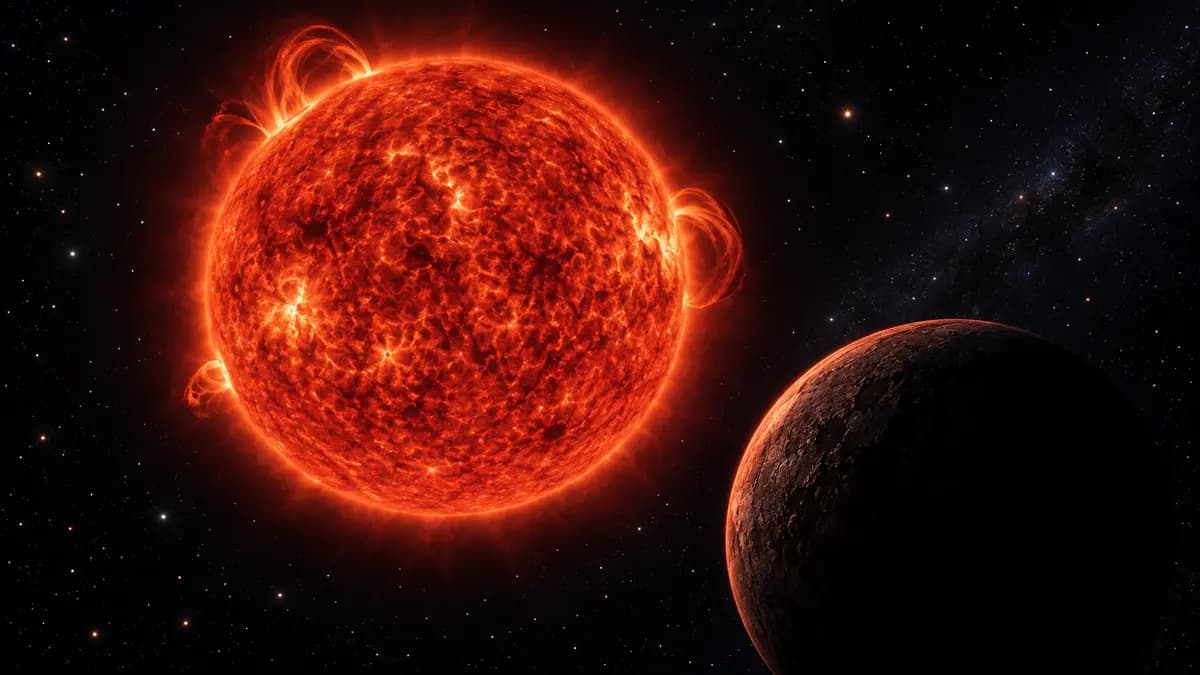
Spanish astronomers confirmed two planets around a red dwarf 337 light-years away.