# Nissan Launches Urgent Global Recall of Leaf Electric Vehicles Amid Systemic Safety Concerns
In a striking development underscoring the critical importance of safety in the rapidly expanding electric vehicle (EV) market, Nissan has announced **a sweeping, worldwide recall affecting multiple generations of its flagship Nissan Leaf**. This action follows the detection of **systemic faults in the Battery Management System (BMS)**—the vital component responsible for monitoring and controlling lithium-ion battery health. The move not only demonstrates Nissan’s commitment to consumer safety but also highlights broader industry challenges in ensuring the reliability of EV battery systems as global adoption accelerates.
---
## Widening Scope of the Recall: From Isolated Incidents to Systemic Faults
Initially, Nissan's recall initiatives targeted specific model years following **isolated reports of vehicle fires and battery malfunctions**. However, recent investigations—supported by field data, regulatory insights, and consumer reports—reveal that **faulty BMS algorithms are impacting newer Leaf models and multiple production batches**. This indicates a **systemic issue rather than isolated defects**, emphasizing an urgent need for comprehensive intervention.
### Key Issues Identified:
- **Defective Battery Management Software**: The BMS software, engineered to oversee battery parameters, has been found to trigger **temperature irregularities** and **overvoltage conditions**.
- **Thermal Runaway Risks**: Malfunctions can lead to **thermal runaway**, a dangerous chain reaction within lithium-ion batteries that can cause **fires**, **explosions**, or **unexpected power shutdowns**.
- **Confirmed Incidents**: Numerous cases of **battery fires** and **sudden power failures** have been directly linked to **software faults** in the BMS, prompting regulatory warnings across several countries.
### Recent Developments:
- **Field data** shows that **both older and newer Leaf models**, including the latest B7 series and upcoming models, are affected.
- **Regulatory agencies** in multiple regions have issued advisories urging affected owners to **heed safety notices** and **schedule inspections promptly**.
- **Customer reports** of **fire incidents** and **abrupt power losses** have increased, raising serious safety concerns.
In response, Nissan has **initiated an extensive global recall campaign**, offering **free diagnostics, inspections, and repairs** at authorized service centers worldwide. The automaker emphasizes **transparent communication** and **swift action** to **mitigate safety risks** and **maintain consumer trust** amid the EV boom.
---
## Important Owner Actions and Support Measures
Nissan strongly advises affected owners to:
- **Verify their Vehicle Identification Number (VIN)** via Nissan’s official website or through direct notifications.
- **Schedule inspections** without delay at authorized Nissan service centers.
- **Cease driving immediately** if instructed, until repairs are completed, to **reduce fire risk**.
- **Stay informed** through official Nissan advisories for further instructions.
**Support programs** include:
- **Free diagnostics and battery inspections** worldwide.
- Depending on the fault severity, repairs may involve:
- **Battery module replacements**
- **Full pack reconditioning**
- **Complete pack replacements**
While **battery replacements** outside of warranty may cost between **$5,000 and $15,000**, Nissan has announced **financial assistance programs** to **support affected customers**, demonstrating its commitment to **customer safety and transparency**.
---
## Industry Response: Technical and Regulatory Reforms
This widespread issue with BMS software underscores broader **industry challenges**:
- The critical need for **stringent quality control** in battery manufacturing.
- The importance of **advanced thermal management systems** to prevent overheating and thermal runaway.
- The fragility of **global supply chains**, especially for raw materials like lithium and cobalt.
Experts emphasize that **rigorous safety testing**, **standardized protocols**, and **innovative battery chemistries**—such as **solid-state batteries**—are essential to prevent similar faults in future models. The incident acts as a **catalyst for industry-wide reforms**, compelling automakers to **prioritize safety, transparency, and long-term quality assurance**.
---
## Future Model Developments and Nissan’s Strategic Response
### Testing of Nissan Leaf B7 and Upcoming ZE2
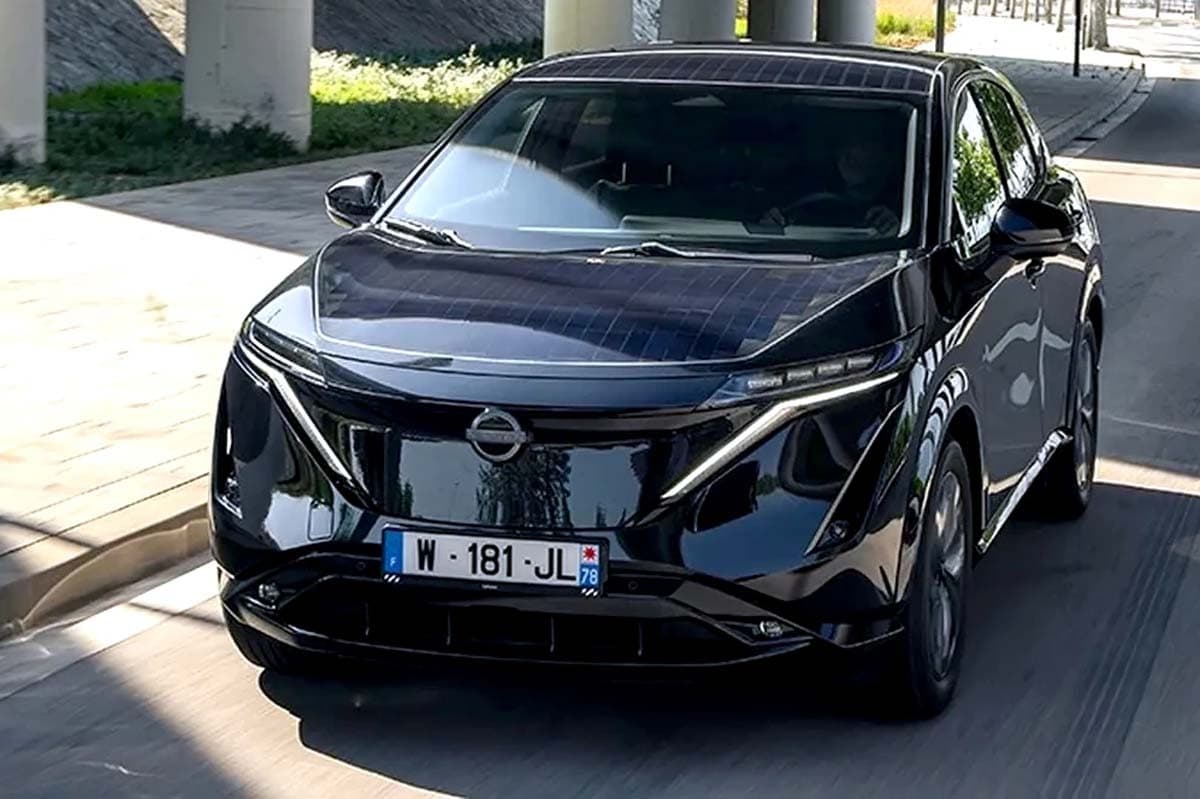
To **restore consumer confidence**, Nissan is actively **testing the third-generation Nissan Leaf B7**, which is currently undergoing **refinement and validation**. Industry sources, including **GQ JAPAN**, report that the **B7 series features refined exterior design, improved driving dynamics, and increased range**—all aimed at **rebuilding trust**.
Looking ahead, Nissan plans to **launch the Leaf ZE2 in January 2026**, which will feature:
- **55 kWh batteries** for extended range
- **Enhanced BMS** with **more sophisticated algorithms** to prevent thermal issues
- **State-of-the-art thermal management systems** designed to **reduce overheating risks**
- **Stringent manufacturing standards** to **prevent systemic faults**
The **ZE2** is positioned to **set new benchmarks** in **safety, durability**, and **cost efficiency**, reaffirming Nissan’s ambition to **lead in next-generation EV technology**.
### Industry Movements:
- Automakers are emphasizing **battery durability** and **thermal management** in upcoming models.
- **Local manufacturing expansions**, such as Nissan’s **scaled-up production at the Guangzhou plant**, aim to **improve quality control**.
- Significant investments in **next-generation batteries**—including **solid-state chemistries**—are ongoing to **enhance safety and performance**.
---
## Supporting Infrastructure and Market Dynamics
Efforts to bolster EV adoption include **accelerated deployment of high-capacity charging networks**:
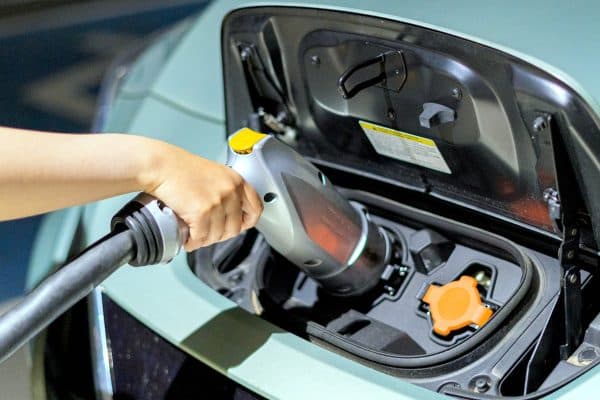
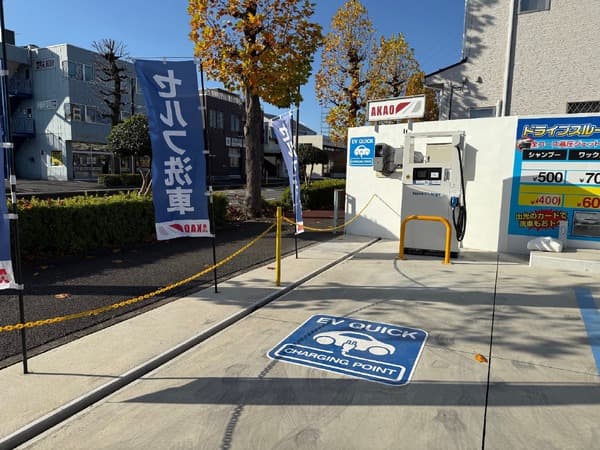
- **Terra Charge**, in collaboration with **Komeri**, is deploying **120 kW fast chargers** at **27 retail stores across Japan** starting **February 16**. These chargers can **recharge EVs to 80% capacity in approximately 15–20 minutes**, alleviating **range anxiety**.
- **Lawson** is installing **ultra-fast chargers** at urban locations.
- **E-Mobility Power** has upgraded **East and West Ebina Service Areas** with high-power rapid chargers suitable for **long-distance travel**.
- **Keysight Technologies** has introduced **megawatt-level EV charging test solutions** to facilitate **robust safety testing** of high-power chargers, promoting **industry safety standards**.
### Market Trends in Japan
- EV sales surged by **43% in January 2026**, with **market share surpassing 2% of new vehicle registrations**.
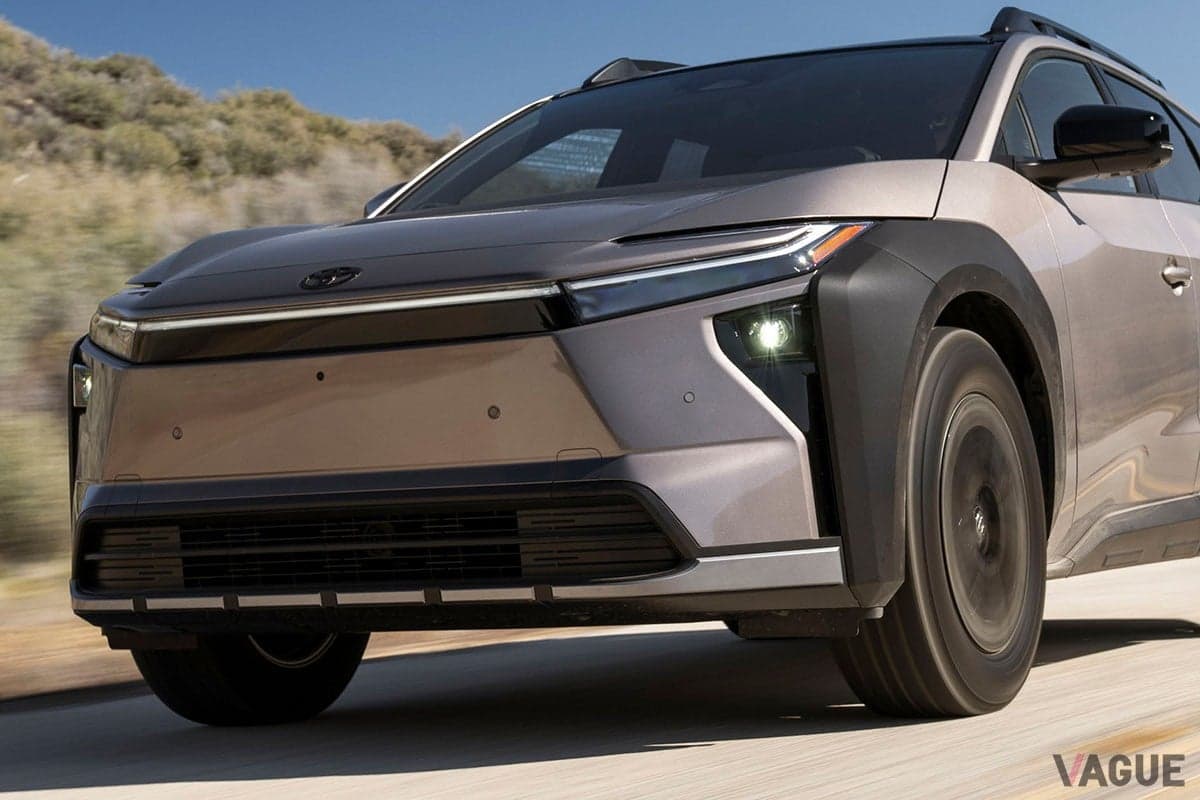
- The **Toyota bZ4X** experienced an **astonishing 66-fold increase** in sales, reflecting **growing consumer confidence**.
- **Imported EVs** now account for approximately **12.6% of new registrations**, indicating a **more diversified market landscape**.
The expansion of **fast-charging infrastructure** and **technological innovation** are expected to **accelerate EV adoption** and improve **user experience**.
---
## Industry Collaborations and Next-Generation Technologies
### Urban EV Initiatives and Component Innovations
Japanese startups like **KG Motors**, supported by **Toyota Gosei**, are collaborating with **Cosmo Oil** to develop **affordable, compact city EVs** such as the **MiBot**. Designed for **short urban trips**, the MiBot aims to **integrate existing fueling infrastructure with EV charging**, enhancing **urban mobility accessibility**.
This partnership exemplifies the **hybrid ecosystem**—combining **traditional fueling stations** with **EV charging**—which is vital for **wider acceptance** in densely populated areas where **charging infrastructure expansion** faces challenges.
### Industry Trends
- Focus on **local manufacturing** and **supply chain resilience** to ensure **quality assurance**.
- Development of **next-generation batteries**, including **solid-state chemistries**, offering **higher safety margins** and **longer lifespan**.
- Integration of **renewable energy sources** into charging networks to **reduce carbon footprints**.
---
## Current Status and Industry Outlook
The **recall campaign continues globally**, with affected owners being **notified directly** and urged to **schedule repairs promptly**. Nissan remains committed to **transparent communication** and **customer safety**.
While this incident presents a **significant safety challenge**, it is also **catalyzing industry-wide improvements**:
- **Enhanced manufacturing quality controls**
- **More resilient thermal management systems**
- The **development of safer, more reliable batteries**, including **solid-state options**
This event underscores that **safety and transparency** are fundamental for the **long-term growth of EVs**. Automakers are investing heavily in **next-generation batteries**, **recycling initiatives**, and **charging infrastructure** to **restore consumer confidence** and **accelerate adoption**.
---
## Final Thoughts and Industry Implications
The **Nissan Leaf recall** exemplifies the **critical importance of safety standards** in the EV sector. Addressing systemic faults is essential to **build consumer trust** and **ensure sustainable growth**. As Nissan works to **resolve current issues** with models like the **Leaf B7** and the **ZE2**, the broader industry is **learning and evolving**.
**Key takeaways** include:
- The necessity for **stringent quality control** and **advanced thermal management**
- The push toward **next-generation, safer battery chemistries**
- The importance of **robust charging infrastructure** and **urban mobility solutions**
Ultimately, **safety and transparency** will determine the **future trajectory of EV adoption**. Nissan’s proactive measures and model innovations are steps toward **restoring confidence** and **paving the way** for a **more reliable, sustainable electric mobility ecosystem** that meets the demands of a cleaner, greener future.
---
## Additional Industry Insight: The Role of SiC Power Semiconductors
In a related development highlighting component safety and performance, **Japanese semiconductor manufacturer ROHM** has garnered attention. Despite over **50 Chinese EV companies** sourcing SiC (Silicon Carbide) power semiconductors from various suppliers, **Japanese-made SiC components** continue to **lead the industry** in **quality, reliability, and safety**.
A recent **YouTube video**, titled **【ローム衝撃】中国EV50社が束になっても越えられない...日本製SiCの壁とは** (ROHM Shock: Even 50 Chinese EV Companies Can't Surpass... The Wall of Japanese SiC), emphasizes that **Japanese SiC semiconductors** remain **the gold standard** for **power conversion efficiency**, **thermal stability**, and **long-term durability**. This technological advantage is crucial as EV manufacturers rely increasingly on **SiC devices** to improve **performance** and **safety**.
**Implication:** The dominance of Japanese SiC technology underlines the importance of **rigorous component quality assurance**, particularly in critical systems like **power inverters** and **battery management**. Ensuring **component reliability** is vital to prevent failures and uphold **vehicle safety standards**.
---
## **Conclusion**
The Nissan Leaf recall marks a pivotal moment in the EV industry, illuminating systemic challenges in **battery safety and management**. Through **comprehensive recalls**, **technological upgrades**, and **industry collaborations**, Nissan and other automakers are **working to restore consumer confidence** and **raise safety standards**. Simultaneously, advancements in **component technology**, such as **Japanese SiC semiconductors**, reinforce the foundation for **safer, more reliable EVs**.
As the industry continues to evolve, **safety, transparency, and innovation** will be the guiding principles shaping the future of electric mobility—ensuring EVs are not only environmentally friendly but also **trustworthy and safe** for consumers worldwide. The ongoing efforts demonstrate that **addressing systemic issues head-on** is key to **building a sustainable, resilient EV ecosystem** capable of meeting the demands of a greener future.