# Escalating Israeli Operations, Regional Proxy Warfare, and International Challenges in Gaza and Beyond
The Israel-Hamas conflict has entered a critical and perilous phase, marked by intensified military actions, complex underground warfare, escalating proxy involvement across the Middle East, and mounting diplomatic and humanitarian challenges. Recent developments underscore the multifaceted nature of this crisis, with profound implications for regional stability, civilian safety, and international law.
---
## Intensified Israeli Campaign Against Gaza’s Underground Tunnel Network
A central element of Israel’s ongoing military strategy is its relentless effort to dismantle Hamas’s vast subterranean infrastructure. These tunnels, extending over several kilometers beneath Gaza’s densely populated areas, serve as vital conduits for militants’ logistics, command operations, and protection. Their complexity—and embedding beneath civilian structures like schools, mosques, and hospitals—poses significant operational and ethical challenges.
### Advances in Precision Targeting
Over recent weeks, the Israel Defense Forces (IDF) have ramped up their use of advanced precision missile systems, notably the **Spike NLOS (Non-Line Of Sight)** missile, to target key tunnel entrances, command centers, and weapons depots. Videos circulated online display the **exceptional accuracy** of Spike NLOS, even against well-camouflaged subterranean targets. This technological edge aims to:
- **Disrupt Hamas’s logistical and operational capabilities**
- **Weaken their ability to launch coordinated attacks**
- **Prevent militants from regrouping or escaping underground**
### Operational Challenges and Civilian Risks
Despite technological advancements, the tunnels' embedment within civilian zones complicates targeting:
- **Complex underground infrastructure** extends beneath civilian homes, hospitals, and religious sites, making differentiation difficult.
- **Hamas’s modernization efforts** have led to deeper, more camouflaged tunnels, embedding logistics hubs beneath dense urban areas.
- **Civilian casualties** remain a persistent concern, fueling international criticism and legal scrutiny. The Israeli military acknowledges these dilemmas, with officials stating: *"Our objective is to neutralize the threat while minimizing civilian harm, but the underground nature of Hamas’s infrastructure forces us into difficult choices."*
### Doctrinal and Legal Tensions
Israeli operations are conducted within a highly scrutinized legal framework, guided by **UN Security Council Resolution 2803**, emphasizing civilian protection and the principles of international humanitarian law. Critics argue that:
- Targeting tunnels beneath civilian zones risks **disproportionate or indiscriminate harm**.
- The underground embedding of Hamas’s infrastructure **obscures clear attribution**, complicating legal and ethical judgments.
The **Dahiyeh doctrine**, previously applied during the 2006 Lebanon War, emphasizes **overwhelming, targeted urban strikes** to deter future attacks. Critics contend this approach risks **destabilization** and **escalation**, especially when combined with efforts to destroy underground networks.
---
## Regional Proxy Escalation: Hezbollah, Iran, and Broader Middle East Dynamics
While Gaza remains the epicenter, regional actors have significantly escalated their involvement, transforming the conflict into a **multi-front regional confrontation**.
### Lebanon and Hezbollah
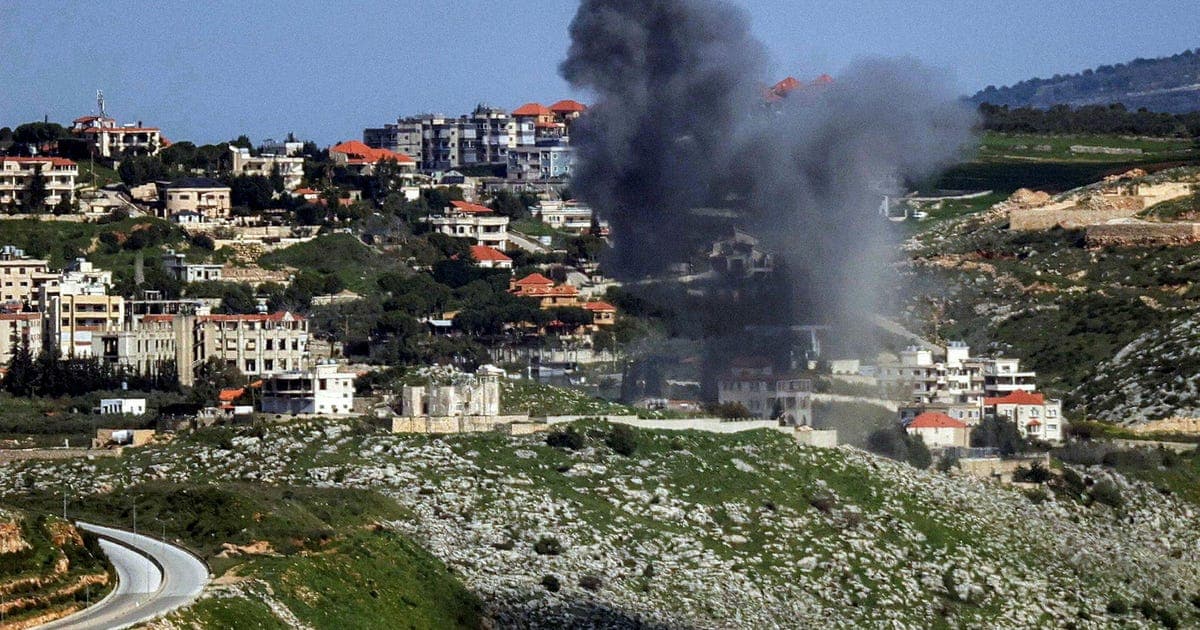
- **Hezbollah**, the Iran-backed Lebanese militia, has increased its hostilities along the Lebanon-Israel border. Recent exchanges include **missile barrages, drone attacks**, and heightened military readiness.
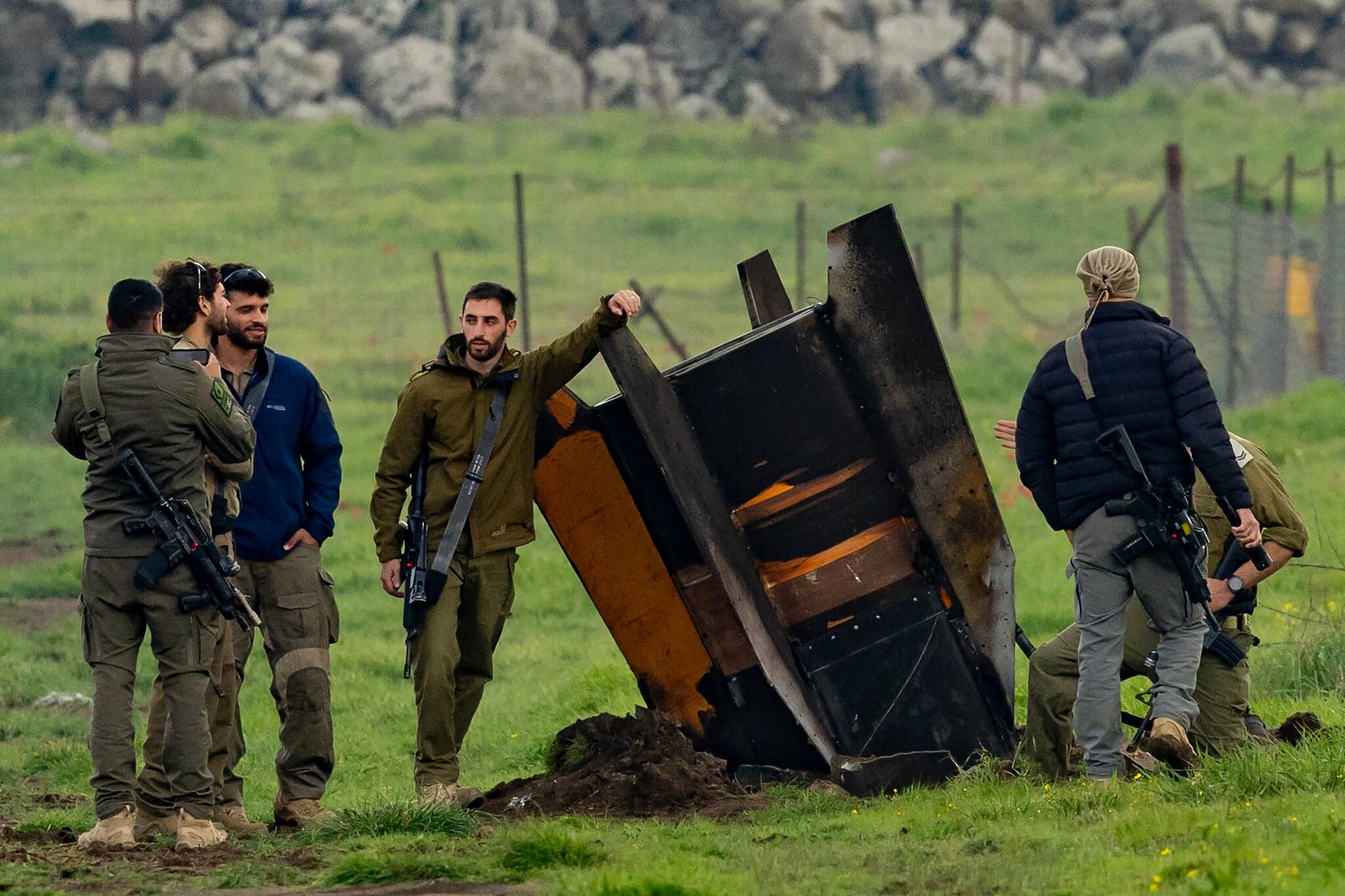
- Israeli reports indicate that Hezbollah’s **missile attacks** have caused notable damage to military sites, and **rocket exchanges** have raised fears of broader escalation.
- A recent **graphic incident** involved an Israeli strike inside Lebanon, which hit a civilian family, illustrating the high risk of civilian casualties amid cross-border clashes. The **BBC** reported on the aftermath, highlighting the human toll and increasing regional tensions.
### Iran’s Expanding Military Footprint
- Israeli forces have claimed to have **destroyed a major space research and military facility in Tehran**, signifying Iran’s willingness to directly confront Israel and expand its military capabilities.
- Iran’s strategy appears to involve activating **all proxy forces simultaneously**, including Hezbollah and other militias, to widen the conflict.
- Reports suggest Iran aims to **encourage uprisings** within Israel and its occupied territories, possibly by targeting Iranian security forces' involvement in regional operations.
### Proxy Warfare and Broader Risks
- The **use of missile and drone technology** by proxies like Hezbollah and Iran-backed militias has increased, with **missile storms** targeting Israeli military infrastructure.
- The **U.S. military** has recently deployed additional forces, including **Marines**, to bolster Israel’s defenses ahead of potential ground operations in Lebanon, signaling heightened concerns over regional escalation.
---
## Defense Systems, Vulnerabilities, and Internal Israeli Strains
Israel maintains a robust layered missile defense system, including **Iron Dome**, **Patriot interceptors**, and advanced electronic warfare capabilities. These systems aim to intercept incoming projectiles from proxies; however, vulnerabilities persist:
- **Short-range rockets and drones** launched by Hezbollah, Iran, and other militias remain a challenge, capable of overwhelming defenses.
- The proliferation of **small, rapid-launch projectiles** and **new drone tactics** necessitates ongoing technological adaptation.
Simultaneously, internal debates within Israel reflect growing concern over prolonged military operations:
- A **senior former IDF intelligence official** warned that **"Israel should stop the war,"** citing exhaustion among the public and military leadership.
- Political pressures and the risk of **strategic exhaustion** threaten to induce a **pause or reassessment** of the campaign, with implications for the conflict’s trajectory.
---
## Humanitarian and Ceasefire Challenges
Despite international calls for an immediate **ceasefire** and increased humanitarian aid, significant obstacles persist:
- **Underground tunnels** hinder verification efforts and impede the creation of **humanitarian corridors**.
- The **dense urban environment** and ongoing proxy activities make civilian evacuation and aid delivery exceedingly difficult.
- Deep **trust deficits** between Israel, Gaza authorities, and mediators hinder diplomatic progress. The recent **UN Security Council resolution** emphasizes **immediate humanitarian access**, but enforcement remains elusive amid ongoing violence.
---
## Near-Term Outlook and Strategic Implications
The current landscape suggests a **high likelihood of prolonged conflict** with regional spillovers:
- The **success or failure** of Israel’s tunnel destruction campaigns will heavily influence future dynamics.
- The **escalation of proxy involvement**, especially by Hezbollah and Iran, raises the prospect of a **multi-front regional war**.
- **Technological defense systems** will be crucial, but vulnerabilities from short-range threats persist.
### Diplomatic and Strategic Considerations
- The international community faces urgent challenges in **enforcing legal norms**, **preventing regional escalation**, and **facilitating humanitarian aid**.
- Diplomatic efforts will be vital in **de-escalating tensions**, especially as internal Israeli debates and proxy activities intensify.
---
## Recent Incidents and Broader Regional Risks
- **Hezbollah’s missile attacks** have caused significant damage, including **missile storms** against Israeli military and communication centers.
- Israeli strikes inside Iran, targeting **military facilities**, signal Tehran’s willingness to confront Israel directly.
- The **simultaneous engagement** of proxies and Israeli military operations increases the risk of **miscalculations and unintended escalation**, potentially igniting a broader regional conflict.
---
## **Current Status and Key Takeaways**
- Israel continues to intensify efforts to **eliminate Hamas’s underground tunnels**, employing cutting-edge precision systems amid operational and legal complexities.
- **Hamas’s deeply embedded tunnels**, beneath civilian zones, complicate targeting and heighten civilian casualties, fueling international criticism.
- Regional proxies like Hezbollah and Iran have escalated their military activities, transforming the conflict into a **multi-front regional crisis** with unpredictable outcomes.
- Israel’s **layered missile defense** remains vital but faces persistent threats from short-range rockets and drones.
- Internal Israeli political debates, including voices warning against prolonged conflict, underscore the **fragility of military and political stability**.
- The prospects for a **sustainable ceasefire** remain uncertain, hindered by underground warfare, proxy escalation, and humanitarian access issues.
**The situation remains fluid and highly dangerous.** The coming weeks will be decisive in determining whether diplomacy can de-escalate violence or whether proxy activity and underground warfare propel the region into a broader, more destructive conflict. The international community’s ability to uphold legal standards, foster restraint, and deliver humanitarian aid will be critical in shaping the region’s future stability.