The global movement for the **return and restitution of cultural property** continues to evolve rapidly, marked by landmark restitutions, expanding dialogues on Indigenous custodianship, significant archaeological discoveries, and ongoing efforts to combat theft and illicit trafficking. These developments deepen commitments to historical justice, reconciliation, and the recognition of living cultural connections, underscoring a shift toward ethical stewardship and inclusive governance in cultural heritage management worldwide.
---
### Landmark Restitutions and Ceremonial Returns: Setting Legal and Ethical Benchmarks
Recent high-profile restitutions emphasize the multifaceted challenges and significance of addressing historical cultural dispossession through **transparent, legally grounded, and ethically sensitive processes**:
- **Georg Kolbe Museum’s Return of Nazi-Looted Sculpture**
Berlin’s Georg Kolbe Museum finalized the restitution of a prominent sculpture by Georg Kolbe to the heirs of a Holocaust victim. This restitution followed extensive provenance research and legal consultation, reinforcing Berlin’s pivotal role in confronting Nazi-era art plunder. Legal experts highlight that such cases “strengthen the jurisprudence governing art stolen during periods of conflict and persecution,” while stressing the importance of sustained institutional transparency and accountability.
- **France’s Symbolic Return of the Talking Drum to Côte d’Ivoire**
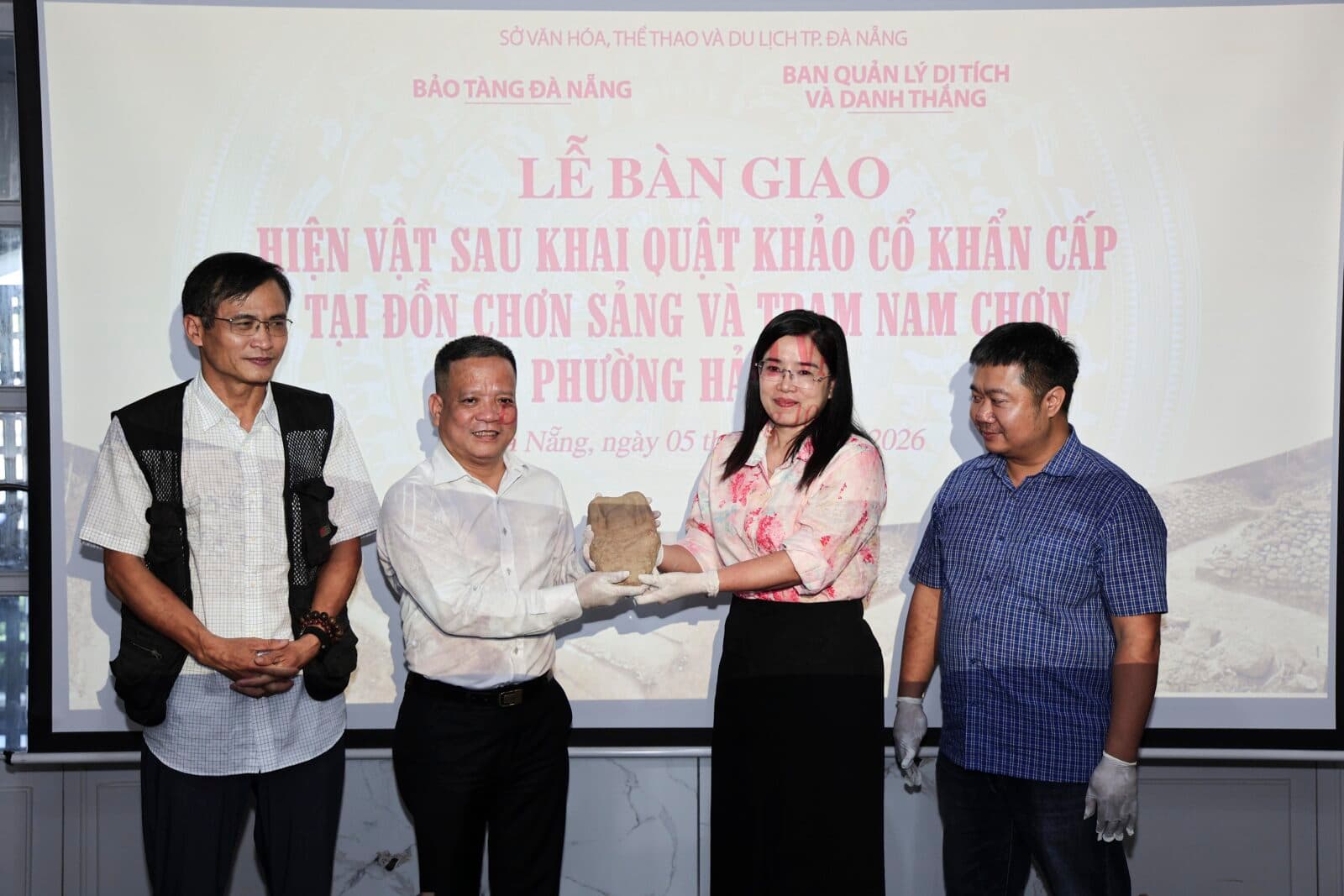
In a solemn ceremony at Musée Quai Branly, France handed back a traditional “talking drum” taken without consent during the colonial period to Côte d’Ivoire. French officials described the event as “essential for healing historical wounds and restoring dignity to formerly colonized nations.” This act is part of a wider movement of **ceremonial restitutions** by former colonial powers, which serve both as public acknowledgments of past injustices and as gestures toward reconciliation.
**Common features of these restitutions include:**
- Rigorous **provenance investigations** to establish rightful ownership
- Complex **legal and diplomatic negotiations** involving multiple stakeholders
- **Public ceremonies** that emphasize historical accountability and foster healing
These cases highlight two primary sources of cultural displacement: the **systematic Nazi looting during World War II** and the **unconsented extraction of artifacts during colonial rule**.
---
### Expanding Debates on Indigenous Custodianship and Collaborative Heritage Management
Beyond restitution linked to war and colonialism, there is a growing recognition of Indigenous peoples as **living custodians** of cultural heritage, fostering collaborative approaches that integrate scientific and traditional knowledge:
- **Ancient Canoes in Wisconsin Illuminate Indigenous Heritage**
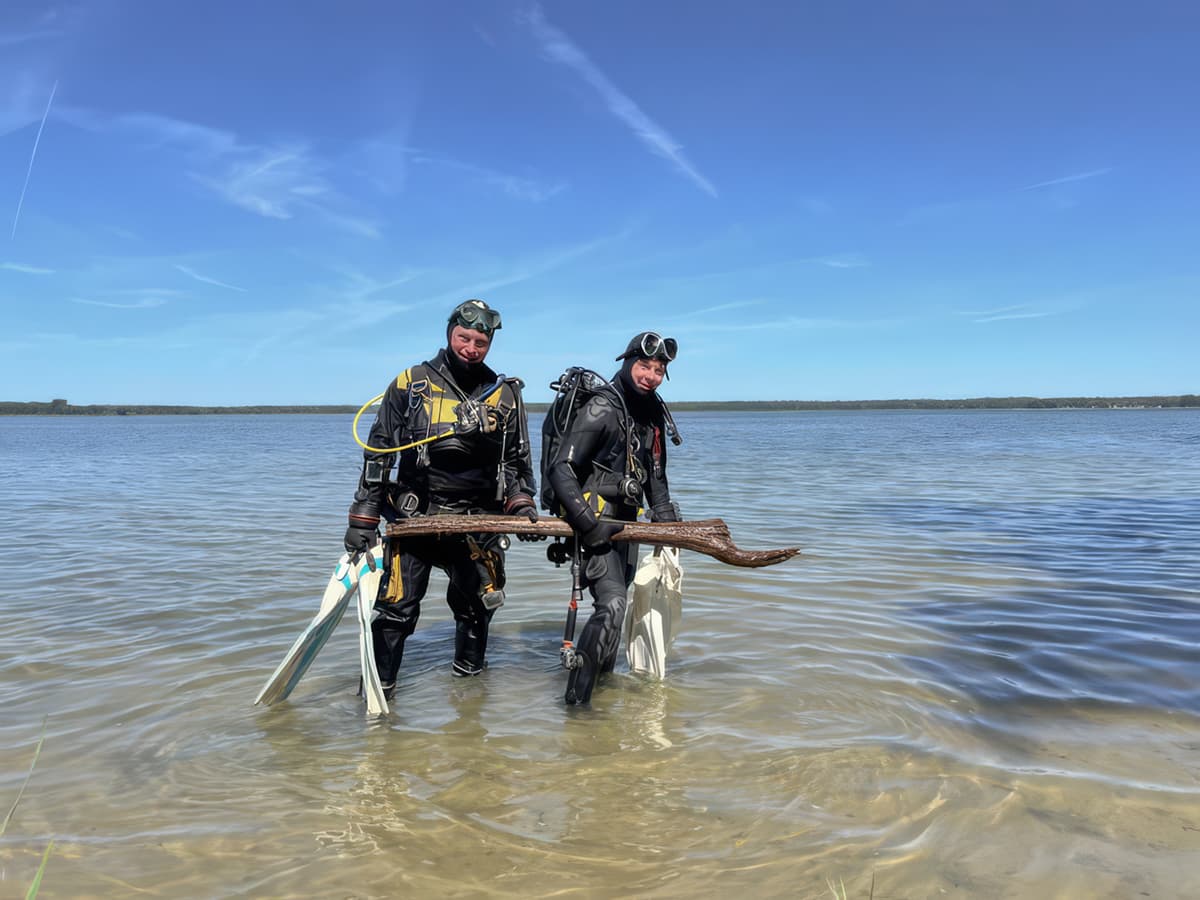
Archaeologists recently uncovered millennia-old canoes submerged in a Wisconsin lake, dating back thousands of years—predating even the Egyptian pyramids. Tribal leaders called for **full Indigenous participation in excavation, interpretation, and stewardship**, marking a paradigm shift from viewing such finds as mere scientific artifacts to recognizing their ongoing cultural and spiritual significance.
- **Contested Petroglyph Claims in Venezuela**
The announcement of an 8,000-year-old petroglyph discovery sparked debate over scientific dating methods and the need to respect Indigenous peoples as living custodians. Indigenous representatives advocate for research frameworks that blend empirical rigor with Indigenous knowledge systems, emphasizing that heritage management must balance scientific validity with cultural respect.
---
### New Archaeological Discoveries Deepen Stewardship and Repatriation Dialogues
Recent findings have added new layers to the discourse on cultural heritage, stewardship, and restitution:
- **Mesolithic Fur and Feather Headgear Found in Sweden**
Microscopic analyses of Late Mesolithic burials at Skateholm I and II in southern Sweden uncovered ancient fur and feather headgear, shedding light on prehistoric cultural practices and social identities. This discovery highlights intangible heritage linked to material remains and fuels contemporary debates about the respectful stewardship and potential repatriation of ancient human remains and artifacts, especially considering descendant communities’ rights.
- **Greek Inscription Discovered During Restoration of the Great Mosque of Homs, Syria**
Restoration work at the Great Mosque of Homs revealed a Greek inscription possibly connected to the lost Temple of the Sun in ancient Emesa. This find underscores the complex, layered cultural histories embedded in contested heritage sites and raises critical questions about artifact protection, interpretation, and restitution in conflict-affected regions.
- **1,000-Year-Old Gold Tomb Unearthed in Panama**
A recently discovered gold tomb in Panama, dating back approximately 1,000 years, reveals spectacular ancient treasures and insights into powerful pre-Columbian leaders. This find enriches our understanding of Indigenous histories in the Americas and raises important considerations about the stewardship and potential repatriation of such artifacts, highlighting the need for dialogue between archaeologists, descendant communities, and national governments.
---
### Addressing Practical Challenges: Theft, Security, and Rapid Law Enforcement Responses
Despite progress in restitution, cultural institutions continue to face significant challenges related to theft and illicit trafficking:
- **Swift Recovery of Stolen Egyptian Artifacts in Australia**
Queensland police successfully recovered four ancient Egyptian artifacts just one day after their theft from a regional museum. This rapid response demonstrates effective coordination among law enforcement but also exposes ongoing vulnerabilities in museum security globally. The incident underscores the urgent need for enhanced protective measures and strengthened international cooperation to safeguard cultural treasures and facilitate their restitution when stolen.
---
### Institutional Shifts Toward Ethical Stewardship and Inclusive Governance
Collectively, these developments reflect a profound transformation in how cultural heritage is managed and returned:
- **Restitution as Redress and Reconnection**
The return of cultural property is increasingly recognized as both a corrective measure for historical injustices and a means to restore communities’ vital cultural connections.
- **Reconciliation Embedded in Restitution**
Transparent negotiations and public ceremonies promote healing by openly acknowledging legacies of war, colonialism, and dispossession.
- **Museums Prioritizing Provenance Research and Source-Community Inclusion**
Institutions are reforming collection management practices by deepening provenance investigations and actively incorporating the voices and perspectives of source communities.
- **Recognition of Indigenous Custodianship and Collaborative Approaches**
Partnerships that blend traditional stewardship with scientific inquiry are gaining prominence, reflecting respect for living cultures and their ongoing relationships with heritage.
- **Enhanced Security and International Cooperation**
Rising threats from theft and illicit trade have driven the adoption of stronger security protocols and cooperative frameworks among museums, law enforcement, and governments.
As one museum director recently stated, “True stewardship requires humility, openness, and partnership with those to whom these cultural treasures rightfully belong.” This evolving ethos is transforming museums from static repositories into active agents of cultural justice, reconciliation, and stewardship.
---
### Conclusion
From the restitution of the Nazi-looted Georg Kolbe sculpture and France’s ceremonial return of the talking drum to Côte d’Ivoire, to Indigenous custodianship debates sparked by the Wisconsin canoe discovery and contested archaeological claims in Venezuela, alongside new insights from Mesolithic burials in Sweden, the Greek inscription in Syria, and the spectacular gold tomb in Panama, these milestones reveal a dynamic, interconnected, and evolving field of cultural property restitution.
They represent far more than isolated acts—they embody a **global process of healing, justice, and ethical responsibility**. By redefining how humanity honors shared heritage and respects the rights, voices, and stewardship claims of all peoples, the restitution movement demands continued vigilance, collaboration, and innovation. Only through such efforts can cultural property be safeguarded and returned in ways that foster justice and reconciliation for present and future generations.