# The Evolving Support Engineering Landscape in 2024: From Reactive Troubleshooting to Strategic Resilience
The support engineering domain in 2024 has experienced a profound transformation. Moving beyond the traditional reactive approach, support teams now operate as strategic partners in organizational resilience, security, and innovation. This evolution is driven by rapid technological advancements in **artificial intelligence (AI)**, **automation**, **observability tools**, **cloud-native architectures**, and **security practices**. As a result, the roles within support—**L1, L2, and L3**—have been redefined, emphasizing proactive problem prevention, deep diagnostic expertise, and architectural leadership.
## The Shift to AI-Driven, Proactive Support
Historically, support teams functioned in a **firefighting mode**, addressing incidents only after they impacted users or business operations. Today, this mindset has shifted toward **preventative and predictive models**, enabled by:
- **AI-Powered Diagnostics & Self-Healing Systems**: Modern systems utilize **AI anomaly detection** to monitor real-time data, predict failures, and trigger **automated remediation**. These systems **detect recurring issues** and **apply fixes proactively**, reducing **Mean Time to Repair (MTTR)** and minimizing downtime.
- **Automation Pipelines**: Routine troubleshooting tasks—such as **service restarts**, **log collection**, or **configuration adjustments**—are now managed through **sophisticated scripting and automation workflows**. This automation liberates engineers to focus on **system architecture**, **security**, and **innovation initiatives**.
- **Observability & Predictive Analytics**: Tools like **Grafana**, **Prometheus**, **Jaeger**, and **Icinga** enable **real-time system monitoring** combined with **predictive analytics**. These capabilities facilitate **preventative maintenance**, **capacity planning**, and **performance tuning**, especially critical in **cloud-native** and **containerized** environments.
- **Cloud-Native & Security Expertise**: Mastery of **Kubernetes**, **container orchestration**, and **cloud migration** has become standard. Support engineers now serve as **architects of scalable, resilient environments**, with increasing emphasis on **security enforcement** and **performance optimization**.
This **integrated, proactive approach** elevates support from mere problem-solvers to **strategic partners**, essential for maintaining enterprise stability, security, and agility.
## Redefining Support Roles in 2024: L1, L2, and L3
The traditional tiered support model has undergone significant evolution, aligning with technological innovations and organizational priorities:
### **L1 Support: The AI-Enhanced Frontline**
**L1 engineers** are now **intelligent gateways** that leverage **AI** and **automation**:
- **AI-Assisted Diagnostics**: Virtual assistants and **AI chatbots** handle **routine user queries**—such as **password resets**, **connectivity issues**, and **access requests**—delivering **instant resolutions** and improving **user experience**.
- **Self-Healing & Automated Monitoring**: Automated systems **monitor recurring problems** and **apply fixes proactively**, acting as the **first line of defense** against system disruptions, ensuring minimal user impact.
- **Enhanced Customer Experience (CX)**: Automation allows **human agents** to concentrate on **more complex problems**, boosting **user satisfaction**. Recent innovations include **AI-powered chatbots** capable of **seamless routine query handling** with **preemptive workflows**.
### **L2 Support: Deep Diagnostic Experts with Cross-Disciplinary Skills**
**L2 engineers** have become **diagnostic specialists** equipped with **advanced tools** and **broad expertise**:
- **Log & Network Analysis**: Utilizing tools like **Wireshark**, **Sysmon**, **tcpdump**, and **AI-based anomaly detection** to troubleshoot **service failures**, **network latency**, and **configuration issues**.
- **Automation & Scripting**: Developing **Python**, **PowerShell**, and **shell scripts** to automate **routine tasks** such as **service restarts**, **log analysis**, and **configuration management**.
- **Proactive Issue Detection**: Their **technical depth** enables **rapid response** to **system anomalies**, often **preventing escalation** before impact occurs.
- **Diverse Technical Scope**: Covering **network problems**, **containerized environments**, **database performance**, and **incident response**, requiring **broad cross-disciplinary skills**.
### **L3 Support: Architects, Security Specialists, and Cloud Strategists**
**L3 support** encompasses **system design**, **security**, and **cloud architecture leadership**:
- **Handling Complex Issues**: Addressing **deep-rooted, production-level problems** with **in-depth insight** into **system internals**.
- **Security & Compliance**: Implementing **security hardening**, **network defense**, **identity management**, and ensuring compliance with standards such as **ISO**, **CISSP**, and **CISA**.
- **Cloud & Infrastructure Leadership**: Leading **cloud-native deployments**, **container orchestration**, **disaster recovery planning**, and **scalability initiatives**.
- **Certifications & Standards**: Many **L3 engineers** hold **AWS Certified SysOps**, **CISSP**, **CKA**, and other advanced certifications, reflecting **strategic technical mastery**.
Their role is crucial in **building resilient, scalable infrastructure**, **driving digital transformation**, and **ensuring security and compliance**, which directly supports enterprise agility.
## Practical Troubleshooting Techniques & Resources for Support Engineers
Support engineers now rely on **advanced troubleshooting techniques** tailored for **cloud-native** and **containerized environments**:
- **Systemd & Service Management**
```bash
systemctl status <service>
journalctl -u <service>
systemctl daemon-reload
systemctl restart <service>
```
- **Container & Network Diagnostics**
```bash
docker network inspect <network>
showmount -e <nfs-server>
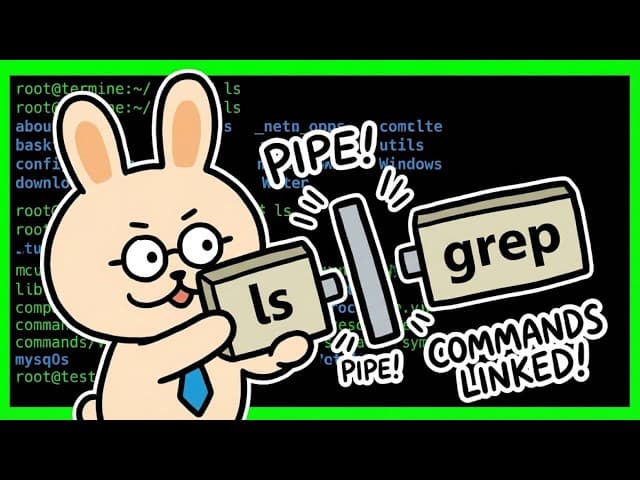
mount | grep <mount_point>
iptables -L -n -v
```
- **Connectivity & DNS Checks**
```bash
dig <hostname>
nslookup <hostname>
ping <hostname>
```
- **Hardware & Link Layer**
```bash
ip link show
dmesg | grep eth
```
- **Security & Audit Monitoring**
```bash
auditctl -l
ausearch -m <event_type>
```
- **Database Maintenance**: Using **mysqlcheck** for **MySQL/MariaDB** integrity checks and repairs.
**Supporting Resources & Certifications**:
- **Formal Training & Certification Paths**:
- **DA 155 - Operating Systems and Shell Scripting (Linux Essentials)**: Provides foundational knowledge in **Linux OS** and **shell scripting**, essential for automation and troubleshooting.
- **CompTIA A+**, **Network+**: Entry-level certifications covering hardware, OS, and networking basics.
- **RHCSA**, **CISSP**, **CKA**: Advanced certifications for **Linux system administration**, **security**, and **container orchestration**.
- **AWS Certified SysOps**: Cloud infrastructure management.
- **Frameworks & Practical Guides**:
- **Red Hat Enterprise Linux Troubleshooting Guide**
- **"Linux Server Hacks Volume Two"**
- **"Networking in Ubuntu Linux Explained"**
- **Security & Hardening Resources**:
- **"Episode 82 — Harden Linux Systems Safely"** (video tutorial)
- **Real-Time Monitoring & Packet Analysis**:
- **`watch`** command for live system monitoring:
```bash
watch -n 5 'netstat -tulnp'
```
- YouTube tutorials on **network packet analysis** to **detect latency, packet loss, and security breaches**, crucial for multi-cloud environments.
## Current Status & Organizational Impact
Today, **support engineering** is recognized as a **strategic pillar** within organizations:
- **System architects**, **security experts**, and **digital transformation enablers**.
- Key drivers in **reducing downtime**, **enhancing security**, and **scaling operations** efficiently.
- Support teams are **no longer just responders** but **partners in growth**, utilizing **deep technical expertise** to **shape resilient, secure infrastructures** and **foster innovation**.
## The Path Forward: Autonomous, Predictive Support
Looking ahead, the trend points toward **self-healing, AI-driven systems** capable of **detecting and resolving issues proactively**, often **before impact occurs**. This evolution promises to:
- **Enhance system stability** dramatically.
- **Reduce operational overhead**.
- Empower organizations to **navigate complex, multi-cloud ecosystems** with confidence.
Support engineers equipped with **advanced troubleshooting skills**, **relevant certifications**, and a **commitment to continuous learning** will remain indispensable. Their roles as **strategic enablers** will be vital in **ensuring enterprise resilience, security, and innovation** amid rapid technological change.
## Final Remarks
The trajectory of support engineering in 2024 underscores a **fundamental shift**: from reactive responders to **proactive, strategic architects**. Mastery of **modern troubleshooting techniques**, **automation**, **cloud-native practices**, and **security expertise** positions support teams as **indispensable drivers** of organizational growth. Continuous learning, obtaining relevant certifications, and embracing innovation will enable support engineers to **lead digital resilience** in an increasingly complex ecosystem.
---
*In summary, support engineering today is about leveraging technology and expertise to **anticipate problems** and **drive strategic value**, ensuring organizations stay resilient, secure, and competitive in a rapidly evolving digital landscape.*