# Post-AO Rankings Shake-Up and Early Middle East Swing Set the Stage for an Exciting 2026 Women’s Tennis Season
The 2026 women’s tennis season has ignited into one of the most unpredictable and captivating chapters in recent memory. Fresh from the Australian Open (AO), the landscape has undergone seismic shifts—rankings have been reconfigured, emerging stars are making bold statements, and early tournaments across the Middle East are delivering surprises that signal a season full of volatility and opportunity. As the tour advances, the narrative is now driven by a blend of strategic evolution, resilience, and fierce competition, promising fans and analysts a year filled with historic moments and intense rivalries.
## The Australian Open 2026: Catalyst for a New Power Dynamic
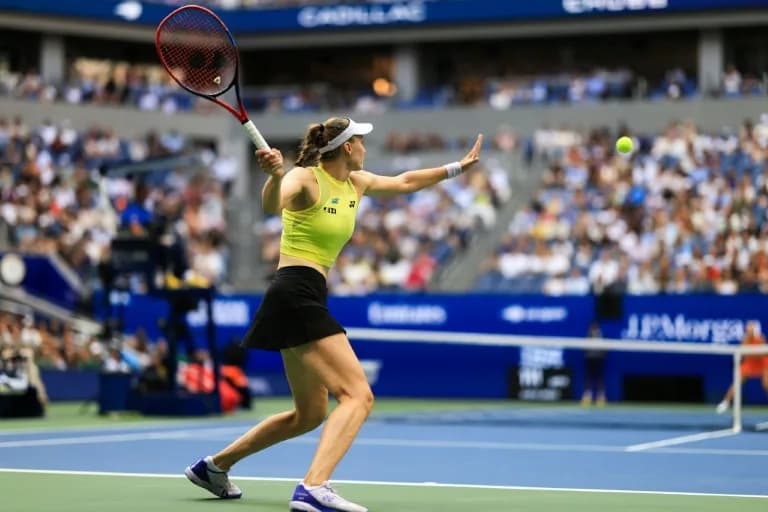
Elena Rybakina’s decisive victory at AO 2026 was more than just her second Grand Slam title—it marked a clear paradigm shift in women’s tennis. Her commanding win over Aryna Sabalenka in the final elevated her to a **career-high ranking of No.3**, positioning her as a leading contender for the season’s major trophies. Rybakina’s triumph underscored a broader evolution: success now depends on a **sophisticated blend of power, tactical variation, and mental resilience** rather than relying solely on raw strength.
This breakthrough has reshaped the top-tier hierarchy, placing Rybakina alongside established stars like Coco Gauff, Iga Swiatek, and Sabalenka. Despite some early setbacks—Sabalenka’s unexpected early exit in Melbourne—her relentless pursuit of her first Grand Slam underscores her resilience and relevance. The AO results have intensified the season’s title race, emphasizing that **holistic excellence**—combining power, tactical intelligence, and mental fortitude—is essential for sustained success.
### Key Impacts from AO:
- **Rybakina’s rise to No.3** cements her as a formidable threat across upcoming tournaments.
- **Sabalenka’s resilience** demonstrates her mental toughness, maintaining her position among the elite despite early setbacks.
- The tournament signaled a **paradigm shift** where **power, tactical variation, and mental strength** are crucial ingredients for victory.
## Tactical Evolution: Power, Precision, and Mental Fortitude
The AO final vividly showcased a tactical evolution in women’s tennis. While power remains vital, players like Rybakina, Swiatek, and Gauff are increasingly emphasizing **shot placement, tactical variation, and mental resilience**.
- **Rybakina’s tactical maturity**—her patience, adaptability, and composure—has been pivotal as she climbs higher.
- **Swiatek** continues to refine her game, blending aggressive baseline strokes with net approaches and an improved serve, especially on hard courts.
- **Gauff** embodies mental resilience and strategic flexibility, demonstrating that success demands an **adaptable and holistic approach**.
Early-season encounters underscore this shift: victories are increasingly dependent on **a combination of power, tactical intelligence, and mental endurance**. This evolution suggests that **adaptability and mental toughness** may become just as decisive as raw power in determining the season’s outcomes.
## Early-Season Middle East Swing: Surprises, Withdrawals, and Volatility
The tournaments in Abu Dhabi, Doha, and Dubai have proven to be fertile ground for surprises, tactical experimentation, and unexpected disruptions. These early events are more than mere warm-ups—they serve as crucial indicators of players’ form, momentum, and emerging storylines.
### Abu Dhabi Highlights:
- **Alexandra Eala’s Breakout Performance**: The young Filipino prodigy made headlines with a remarkable run to the quarterfinals in singles and capturing a doubles title alongside Janice Tjen. Her victories over seasoned players like Fernandez and Mladenovic showcased her rapid tactical maturity and mental resilience. Notably, her win over Aliaksandra Sasnovich underscored her rising confidence and adaptability.
- **Match Analysis**: Eala’s composure and strategic shot selection in her win over Paolini demonstrated her potential as a top-tier player. Her ability to adapt under pressure has garnered widespread attention, positioning her as a future star.
### Withdrawals and Absences:
- Several top contenders, including **Naomi Osaka** and **Marta Kostyuk**, withdrew due to recovery needs and strategic rest, highlighting the physical toll early in the season.
- **Zheng Qinwen’s delayed return** hindered China’s momentum, and other key players like Sorana Cirstea, Kessler, Raducanu, and Zheng withdrew due to health concerns. This wave of withdrawals has opened opportunities for emerging talents to rise and reshape the competitive landscape.
### Doha and Qatar Open Highlights:
- The tournament featured compelling early rivalries, such as **Swiatek vs. Anisimova**, which are building narrative threads for the season.
- The **Rybakina vs. Gauff** opening-round encounter demonstrated how early momentum can influence subsequent performances.
- **Emerging Talent Spotlight**: Eala’s brief campaign ended early after a loss to Tereza Valentova, illustrating the challenges rising players face in transitioning to the top tier. Meanwhile, qualifiers and lucky losers like Fernandez and Bejlek delivered surprising victories, signaling a deepening talent pool and more potential for upsets.
The early tournaments also highlighted **health and fatigue issues**, with many top players—including Sorana Cirstea, Kessler, Osaka, Kostyuk, Raducanu, and Zheng—withdraw due to injuries or exhaustion. This pattern fuels ongoing discussions about **schedule management, injury prevention, and player longevity**.
## Dubai WTA 1000: Major Withdrawals Reshape the Field
The Dubai WTA 1000 event experienced a significant shake-up with the **withdrawals of Aryna Sabalenka and Iga Swiatek**, first reported by ClutchPoints. Their absence, as defending champion and top contender respectively, dramatically altered the tournament’s landscape.
### Impact on the Draw and Title Race:
- Sabalenka’s withdrawal eliminated her as the reigning champion, opening the door for **Coco Gauff, Petra Kvitova, and Ons Jabeur** to lead the charge.
- Swiatek’s absence further reshuffled expectations, as she was a strong favorite to challenge for top rankings and showcase her dominance.
- These health-related withdrawals highlight a growing emphasis on **injury management and strategic rest** early in the season, emphasizing the importance of **player wellness and scheduling reforms**.
### Draw Volatility:
- The field was reshuffled with **lucky losers and late entrants**, such as **Elena-Gabriela Ruse** and **Rebecca Peterson**, adding unpredictability.
- The qualifying rounds produced upsets, including **Fernandez’s victory over Samsonova** and **Bejlek’s breakthrough win**, indicating a deeper talent pool and more chances for surprises.
## Emma Raducanu’s Fortunate Redraw and Season Outlook
In a notable development, **Emma Raducanu** benefited from a fortunate redraw in Dubai. Her original opponent, Elisabetta Cocciaretto, withdrew, and Raducanu drew the **lucky loser Elena-Gabriela Ruse**—a rare opportunity that could be pivotal for her season.
Raducanu’s recent health scare earlier in the year makes her resilience and ability to capitalize on such chances critical. Her performance in Dubai could serve as a season-defining moment—either as a confidence booster or a reminder of the physical demands ahead.
## Alexandra Eala’s Rapid Ascent: A New Top 40 Force
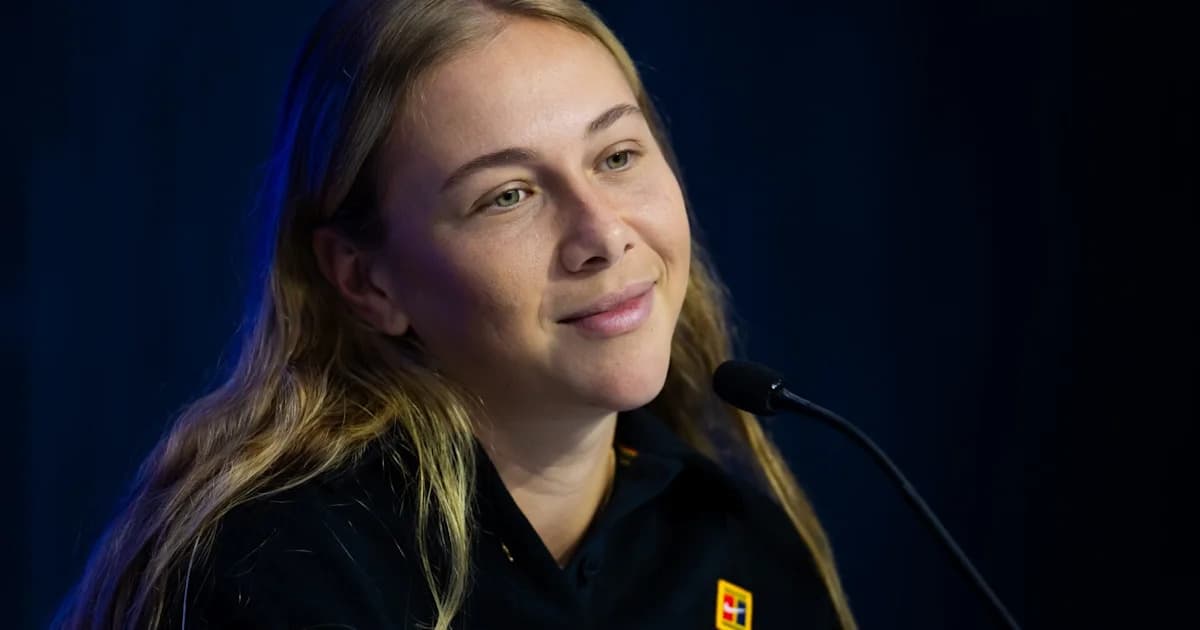
**Alexandra Eala’s recent performances have catapulted her to a new career-high of No.31** in the WTA rankings, following her impressive run in Dubai where she reached the second round and scored an upset over Bejlek. Her rapid ascent exemplifies the emergence of a new wave of talent challenging established hierarchies.
**[Watch the YouTube video: "Alexandra Eala jumps to new career-high 31st at WTA rankings"](https://youtube.com/example)** highlights her breakthrough and potential to challenge higher-ranked players in the coming months. Her momentum, combined with her tactical maturity and confidence, signals she could become a major contender in tournaments like Indian Wells and beyond.
## Broader Implications: Rankings, Prize Money, and the Season’s Trajectory
### Indian Wells: Prize Money and Ranking Points Revealed
As the next major hard-court swing approaches, the Indian Wells tournament is set to offer substantial stakes—**a total prize purse of approximately $9.2 million** and ranking points that could significantly influence the season’s landscape.
- **Winner’s Prize Money**: Around $1.4 million, with the runner-up and semifinalists earning proportionally less but still substantial.
- **Ranking Points**: The champion will earn **650 WTA points**, with significant points also on offer for finalists and semifinalists, making this event a critical juncture for climbing or defending positions.
This financial and ranking boost intensifies the stakes, especially as early-season momentum and injuries reshape the field. Players like Rybakina, Gauff, Swiatek, and Sabalenka will be keen to capitalize, while emerging talents see Indian Wells as a prime opportunity to make a statement.
### Implications for Player Strategies:
- **Injury management and scheduling** will remain central**, as players weigh the benefits of rest versus risking fatigue.
- The early-season volatility means **ranking shifts could be dramatic**, influencing seedings and draw placements.
- The tournament could also serve as a platform for **new rivalries to ignite**, with players seeking to establish dominance on the big stage.
## Forward Look: Rivalries, Injuries, and the Road Ahead
As the tour heads into Indian Wells and subsequent events, several themes will shape the narrative:
- **Rivalries** among Rybakina, Gauff, Swiatek, Sabalenka, and rising stars will intensify, driven by the early-season battles and fluctuating forms.
- **Injury and schedule reform debates** will continue to influence player participation, training, and recovery strategies.
- **Emerging talents like Alexandra Eala and others** are poised to challenge established hierarchy, promising fresh storylines and upsets.
Upcoming key tournaments, especially Indian Wells, are set to test the momentum gained in the early months. Rankings will be reshuffled further, and players’ resilience and adaptability will determine who rises to the top and who falters.
## Current Status and Implications
With **Alexandra Eala now ranked No.31**, her rapid ascent and recent performances underscore a broader shift toward a more competitive and talent-rich tour. The early-season surprises—upsets, withdrawals, and tactical evolutions—have set a dynamic tone for the year ahead.
**The landscape has shifted dramatically**, but the season’s true narrative is only beginning to unfold. Fans and analysts can expect more surprises, fierce rivalries, and historic moments that will define 2026 as a landmark year in women’s tennis. As players navigate injuries, scheduling debates, and rising competition, one thing remains certain: **this season promises to be unpredictable, exhilarating, and full of breakthrough stories**.