# Autonomous Ride-Hailing Race Intensifies: Safety, Tech Innovations, and Valuation Uncertainties
The competition for dominance in autonomous ride-hailing has reached a pivotal juncture, marked by bold product unveilings, mounting safety concerns, regulatory scrutiny, and fluctuating market sentiments. Leading players Tesla and Lucid are pushing their visions forward amid a landscape fraught with technical challenges and public skepticism, all while investor confidence wavers.
## Major Unveilings Signal Divergent Strategies
**Lucid Motors** took a significant step forward during its latest Investor Day by unveiling its vision for the future of autonomous mobility. The company introduced the **Lunar robotaxi**, a purpose-built electric vehicle designed specifically for autonomous ride-hailing. Alongside this, Lucid showcased a **Cybercab-style concept**, emphasizing a fully driverless experience aimed at competing directly with Tesla’s autonomous ambitions. Notably, Lucid announced the rollout of a **self-driving software subscription**, positioning itself as a serious contender in the scalable autonomous platform market.
Meanwhile, **Tesla** continued refining its approach to full autonomy. The automaker formally **renamed Autopilot to Self-Driving** in its February 2026 update (version 14), signaling a strategic branding shift to align with its vision of fully autonomous vehicles. Tesla’s **Cybercab concept**, featuring a steering-wheel-free design, was officially launched as part of its push towards true robotaxi services. The company also appears to have **reduced its unsupervised robotaxi test fleet in Texas**, possibly reflecting safety concerns or regulatory challenges.
## Safety and Regulatory Pressures Mount
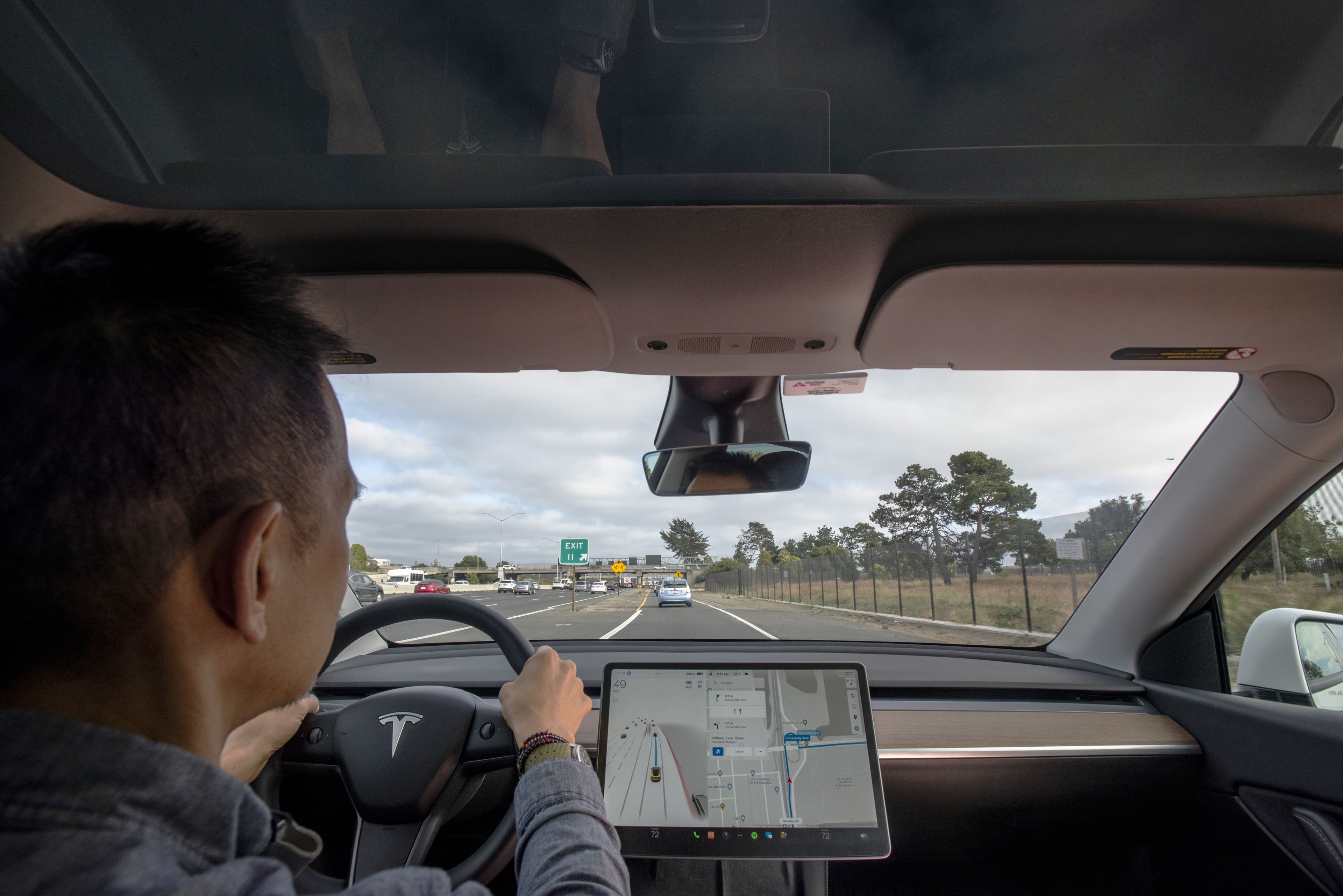
Despite technological advances, safety remains a critical concern. Recent data indicates that Tesla’s **Austin robotaxi fleet may be more accident-prone than human drivers**, raising alarms among regulators and safety advocates. This has contributed to a **federal investigation into Tesla’s Full Self-Driving (FSD)** system, which has been under scrutiny for its safety claims and real-world performance.
Adding to the scrutiny, **research firms have downgraded Tesla’s ratings**, citing safety, regulatory, and reputational risks. One notable example is GLJ, which recently **cut its Tesla rating**, emphasizing the growing concerns over the company’s ability to deliver safe, scalable autonomous solutions. Conversely, some analysts remain bullish; **Stifel issued a positive note on Tesla**, suggesting that the company’s ongoing efforts and innovations could still lead to a breakthrough in autonomous ride-hailing.
The **federal investigation** underscores ongoing uncertainty about the system’s safety and regulatory compliance, which could significantly impact Tesla’s valuation and deployment plans. As Tesla and other automakers navigate this regulatory landscape, safety performance will be a key determinant of public trust and market success.
## Market and Valuation Dynamics
The evolving developments have led to a split in analyst sentiment and market expectations. **Tesla’s stock responded positively to Stifel’s bullish outlook**, with the firm emphasizing that Tesla’s continued investments in FSD and robotaxi technology could pay off long-term. However, the **overall market remains cautious**, given recent safety incidents and regulatory hurdles.
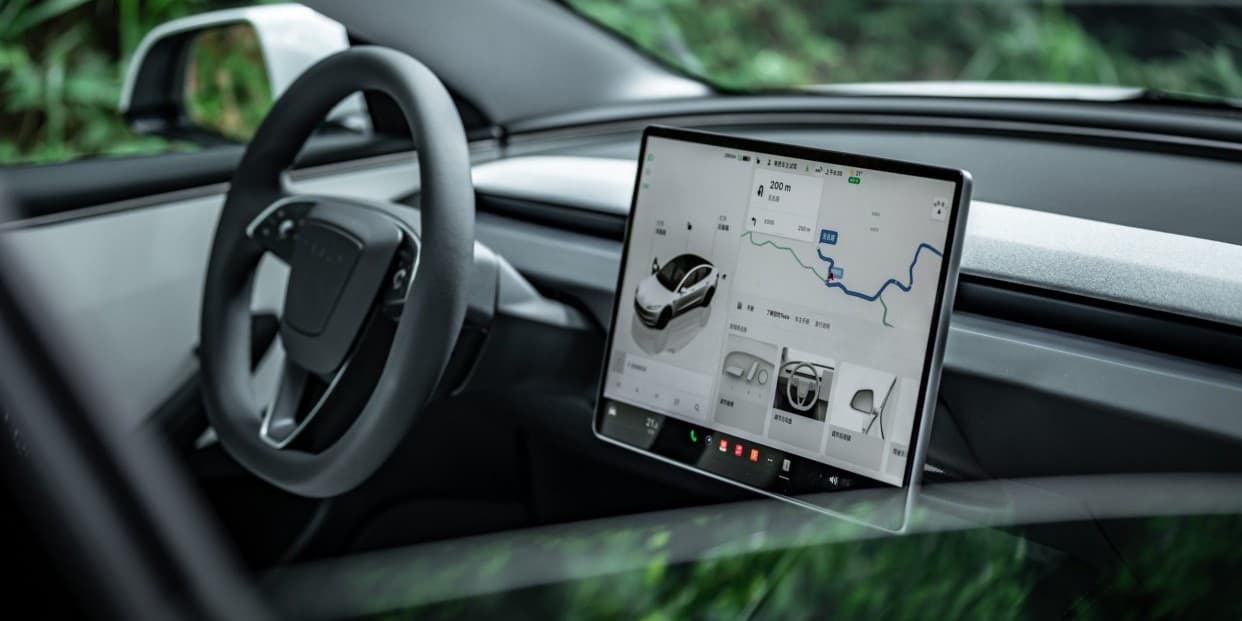
The **valuation of autonomous ride-hailing companies** hinges on the ability to scale safe, reliable, and affordable autonomous fleets. **Tesla’s incremental FSD updates**—with the latest version rolled out to all subscribed users—highlight ongoing efforts but also reflect the slow progress toward fully autonomous operation. Conversely, Lucid’s focus on a purpose-built robotaxi and its subscription model suggest a different strategic approach, aiming for rapid deployment and monetization.
## Operational and Competitive Context
In addition to Tesla and Lucid, **other players like Waymo and Cruise** continue to expand their autonomous fleets and refine their technology. Tesla’s reduction in Texas fleet size hints at internal reassessments, while Waymo’s expanding operations in multiple cities showcase the increasing competitiveness in the autonomous ride-hailing space.
The landscape remains highly dynamic, with **safety data, regulatory developments, and technological breakthroughs** all influencing investor confidence and company strategies. While Tesla’s ambitions for a steering-wheel-free Cybercab** are clear, their actual deployment and safety record will determine whether they can realize this vision at scale.
## Current Status and Outlook
As of now, **Tesla continues to push forward with its self-driving ambitions**, but the path is fraught with challenges. The ongoing federal investigation and safety concerns have cast a shadow over its full autonomy rollout. Meanwhile, Lucid’s strategic product offerings and subscription model demonstrate a different route to market entry—one that could appeal to consumers and regulators seeking safer, purpose-built autonomous vehicles.
**The high-stakes race for autonomous ride-hailing dominance** hinges on safety, regulatory acceptance, and technological scalability. Investors and industry watchers remain divided—some optimistic about Tesla’s long-term potential, others wary of the risks. The coming months will be critical in determining whether these companies can reconcile innovation with safety and regulatory compliance, ultimately shaping the future landscape of autonomous mobility.
**In summary**, the autonomous ride-hailing market is entering a decisive phase, with technological innovation accelerating but safety and regulatory hurdles intensifying. The winners will be those who can demonstrate scalable, safe, and consumer-friendly autonomous solutions—an outcome that remains uncertain but highly consequential.