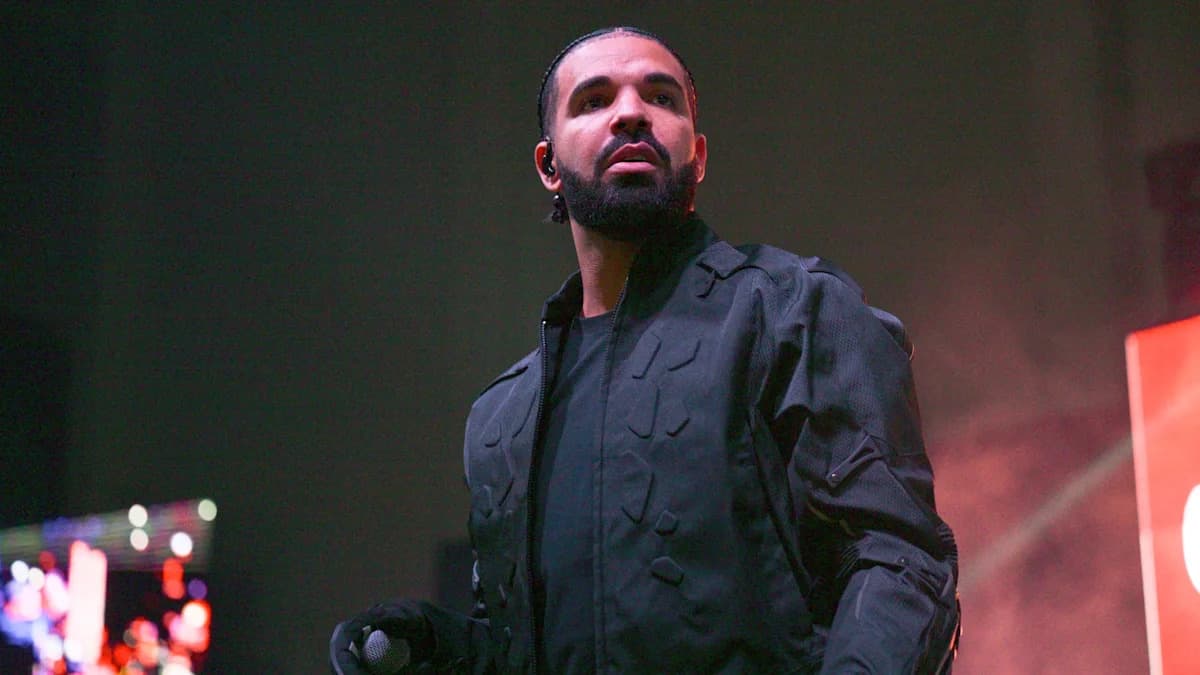
The Kendrick–Drake war continues to redefine hip-hop’s landscape, evolving from a high-profile feud into a complex cultural and legal saga that is transforming the genre’s artistic norms, corporate responsibilities, and power dynamics. Recent developments—including pivotal legal maneuvers, landmark artistic achievements, and the intensifying involvement of J. Cole and The Game—have further complicated the dynamics among rap’s Big 3, while sending shockwaves through the industry’s creative and legal frameworks.
---
### Drake’s Defamation Appeal Against UMG: Challenging the Boundaries of Lyric Immunity and Corporate Liability
At the heart of the ongoing conflict lies **Drake’s high-stakes defamation appeal against Universal Music Group (UMG)**, the distributor behind Kendrick Lamar’s 2023 diss track *“Not Like Us.”* This case is poised to upend the traditional legal shield protecting rap lyrics under the First Amendment, with implications far beyond the immediate parties.
Key developments and stakes in this landmark legal battle include:
- **Narrowing Artistic Protection:**
Drake’s legal team contends that while freedom of artistic expression is fundamental, it should not serve as a blanket immunity for knowingly false and defamatory statements embedded in lyrics. This argument could significantly narrow the broad protections historically extended to diss tracks, forcing courts to reconsider the balance between artistic license and reputational harm.
- **Corporate Accountability Spotlighted:**
By suing UMG rather than Kendrick directly, Drake is strategically targeting record labels and distributors as gatekeepers responsible for vetting content. This novel legal approach raises the possibility of holding corporate entities liable for defamatory material they publish or distribute, creating pressure on the industry to implement stricter oversight.
- **Potential Industry-Wide Repercussions:**
A ruling favoring Drake could trigger a seismic shift, compelling labels, publishers, and streaming services to intensify their legal vetting of lyrics. This may lead to increased censorship or self-censorship, pushing artists toward more coded or allegorical lyricism to avoid legal entanglements while preserving artistic confrontation.
- **Judicial Delicacy:**
Courts face the delicate task of safeguarding hip-hop’s expressive confrontational essence—central to its cultural identity—while preventing the spread of malicious falsehoods. The ultimate decision promises to establish a new precedent for lyrical freedom and corporate responsibility in the digital music era.
---
### Kendrick Lamar’s 2026 Grammy Sweep: Cementing Artistic Supremacy Amidst Controversy
Amid the legal turmoil, **Kendrick Lamar reaffirmed his position atop hip-hop’s creative hierarchy at the 2026 Grammy Awards, securing a record nine nominations and multiple wins** including:
- **Album of the Year for *GNX***
- **Best Rap Performance**
- **Best Rap Song**
- **Best Music Video**
His acceptance speech, punctuated by the memorable line, *“It’s hip hop as usual, man,”* resonated widely across social media, symbolizing his commitment to authentic artistry despite external pressures. This Grammy triumph not only consolidates Kendrick’s dominance but also sharpens the contrast with Drake’s ongoing legal challenges, intensifying the rivalry’s stakes.
---
### J. Cole’s *The Fall-Off*: Subtle Disses and Career-Defining Themes
Adding a fresh and nuanced layer to the feud, **J. Cole’s surprise album *The Fall-Off* and its standout tracks, including “Two Six” and the preceding freestyle EP *Birthday Blizzard ’26,” have garnered critical and fan attention** for their introspective lyricism and veiled competitive jabs.
Highlights and implications include:
- **Subtle Disses Toward Kendrick:**
Lines such as *“You treat brothers like debris”* from *“Two Six”* have sparked widespread speculation that Cole is critiquing Kendrick’s treatment of peers and collaborators. This subtle diss deepens the complexity of the Big 3’s relationships and suggests Cole’s willingness to stake his claim amid shifting power dynamics.
- **Career Reflection and Possible Farewell:**
Cole describes *The Fall-Off* as a “double album made with intentions to be my last,” signaling a potential pivot or conclusion to his storied career. The album’s rich themes of personal growth, societal critique, and competitive positioning add depth to the ongoing narrative around hip-hop’s evolving leadership.
- **Lyrical Mastery and Momentum:**
The surprise release of *“Birthday Blizzard ’26,”* a 12-minute freestyle praised for its technical skill, set the stage for *The Fall-Off* and reinforced Cole’s readiness to engage thoughtfully and aggressively with the current rap landscape.
---
### The Game’s Provocative Review of *The Fall-Off* and Ongoing Regional Feuds
Extending the feud’s geographic and cultural scope, **The Game has not only reignited tensions with Kendrick Lamar through his track “Whatever” but also publicly weighed in on J. Cole’s *The Fall-Off*, offering a mixed review that adds another dimension to the rivalry.**
Key points from The Game’s recent engagement:
- **Mixed Critical Reception:**
The Game awarded *The Fall-Off* a 7/10, praising J. Cole’s lyrical prowess but calling for a tighter, more focused tracklist. His critique underscores the competitive and evaluative lens peers are applying to each other’s work amid this charged environment.
- **Regional and Legacy Challenges:**
By openly contesting Kendrick’s dominance in Compton and West Coast hip-hop, The Game inflames discussions around authenticity, regional pride, and generational legacy, expanding the feud’s reach beyond just the Big 3.
- **Influence on Fan and Industry Discourse:**
The Game’s provocative remarks have fueled social media debates and further complicated the ecosystem of alliances and rivalries, underscoring the feud’s evolving cultural significance.
---
### Industry-Wide Impact: Legal Scrutiny, Creative Evolution, and Social Media Amplification
The ripple effects of the Kendrick–Drake war have catalyzed widespread shifts in how the music industry approaches content, creativity, and communication:
- **Escalated Legal Vetting:**
In response to the defamation lawsuit, labels and distributors have intensified legal reviews of lyrical content, marking a historic shift from previous laissez-faire attitudes toward diss tracks and confrontational verses.
- **Rise of Coded and Allegorical Lyricism:**
To navigate heightened legal risks without sacrificing impact, artists increasingly turn to metaphor, allegory, and indirect language, signaling an evolution in rap’s storytelling techniques and expressive strategies.
- **Social Media as a Battleground:**
Platforms like Twitter, YouTube, and TikTok amplify every diss, response, and court development, raising reputational stakes and prompting artists and their teams to deploy more sophisticated public relations and digital strategies.
- **Dynamic Rivalries and Alliances:**
The participation of J. Cole and The Game illustrates hip-hop’s fluid rivalries and shifting alliances, with the feud acting as a catalyst for broader reconfigurations of power and narrative control within the genre.
---
### Current Status and Outlook
- **Drake’s defamation appeal against UMG remains active,** with a landmark ruling expected to redefine legal protections for lyrical content and corporate liability.
- **Kendrick Lamar continues to leverage his Grammy success,** strengthening his artistic authority amid ongoing controversies.
- **J. Cole’s *The Fall-Off* and singles like “Two Six” are live,** injecting fresh perspectives and subtle diss elements that complicate the Big 3’s dynamic.
- **The Game’s critiques and provocations** expand the feud’s cultural and geographic dimensions, influencing peer evaluations and fan discourse.
- **The music industry is rapidly adapting,** recalibrating legal review processes, lyrical creativity, and social media tactics in response to this unprecedented moment in hip-hop.
---
### Conclusion
The Kendrick–Drake war has transcended a traditional rap rivalry to become a defining cultural, legal, and artistic battleground. Drake’s defamation appeal challenges entrenched norms around lyrical immunity and corporate responsibility, threatening to reshape the boundaries of artistic expression. Meanwhile, Kendrick Lamar’s Grammy dominance asserts his creative supremacy at a pivotal moment, and J. Cole’s *The Fall-Off* introduces new tensions and nuanced competition that enrich the feud’s narrative complexity.
With courts poised to deliver a precedent-setting ruling and industry stakeholders recalibrating practices accordingly, this conflict is rewriting the rules governing hip-hop’s lyrical content, corporate oversight, and cultural narratives. Its repercussions will reverberate far beyond diss tracks, shaping the genre’s evolution and creative freedoms for years to come, marking a transformative chapter in rap history.