The global economic environment at the midpoint of 2027 continues to be shaped decisively by entrenched protectionism, pervasive trade-policy uncertainty, and evolving tax landscapes. These forces are not transient disruptions but **structural pillars driving profound transformations** in supply chains, sovereign reserve management, and financial markets worldwide. Recent developments—including intensified supply chain regionalization, accelerating central bank reserve diversification, persistent liquidity fragilities in U.S. short-term funding markets, and historic volatility in global sovereign debt—underscore the mounting complexity faced by corporations, investors, and policymakers alike.
---
### Protectionism and Trade-Policy Uncertainty Entrench Supply Chain Fragmentation and Corporate Restructuring
The shift toward a fragmented global trade and investment framework has hardened into a **new baseline reality**, compelling firms to redesign supply chains and tax strategies fundamentally:
- **Export controls and sector-specific regulations have deepened, particularly in high-tech and strategic sectors.** The U.S. and allied countries have broadened export restrictions on semiconductors, advanced manufacturing equipment, and dual-use technologies, raising compliance costs and geopolitical risk premiums. This continues to incentivize firms to **build resilient, regionalized supply networks** that reduce exposure to global chokepoints and geopolitical flashpoints.
- **Nearshoring and diversification away from China have accelerated,** with Southeast Asia, Latin America, North America, and Europe attracting increased manufacturing and sourcing investment. While this reduces geopolitical risk, companies face **new operational challenges** including infrastructure constraints, higher unit costs, and greater coordination complexity across multiple regional hubs.
- **Tax policy volatility remains a key driver of corporate restructuring.** Firms are intensifying relocations of intellectual property holdings and service operations to jurisdictions with more predictable withholding tax regimes and transparent regulatory systems, reflecting a broader trend toward sophisticated cross-border tax planning to preserve profitability amid uncertainty.
- **Supply chain digitalization and resilience initiatives have become imperative.** Corporations are deploying advanced analytics, real-time monitoring, and dual sourcing strategies to enhance visibility and flexibility, mitigating risks from policy shifts and geopolitical tensions.
These entrenched trends confirm that **protectionism and trade-policy unpredictability are no longer episodic but institutionalized**, requiring a fundamental reimagining of global commerce rather than incremental adjustments.
---
### Central Banks Advance Strategic Reserve Diversification in a Multipolar Currency Environment
Central banks’ foreign exchange reserve strategies continue evolving toward greater diversification amid geopolitical tensions and fiscal uncertainties:
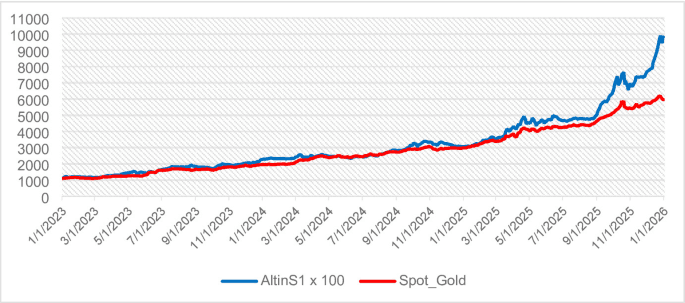
- **Gold accumulation remains robust, especially among emerging markets such as India, Turkey, and parts of Southeast Asia.** Viewed as a stable, non-sovereign hedge, gold provides a critical buffer against U.S. dollar volatility and inflationary pressures, preserving portfolio stability amid persistent global uncertainty.
- **The Chinese renminbi (RMB) steadily gains traction in official reserves,** supported by China’s ongoing efforts to internationalize its currency and deepen offshore RMB markets. Despite capital control concerns and episodic volatility, the RMB’s share of reserves is projected to rise gradually, reinforcing a multipolar currency landscape.
- **Selective trimming of U.S. Treasury holdings by key sovereign reserve managers continues,** driven by doubts over U.S. fiscal sustainability, rising debt levels, and divergent monetary policy trajectories. Reallocations favor alternative safe assets with competitive yields, adding layers of complexity and volatility to sovereign debt markets.
- **Notably, Russia’s central bank has further dialed back its foreign exchange market interventions,** ceasing active rouble stabilization efforts. This retreat is expected to reduce FX market liquidity and heighten rouble volatility, exemplifying how geopolitical sanctions and strategic shifts are reshaping reserve management practices.
- **Other emerging market central banks are adopting similarly nuanced reserve approaches, balancing yield considerations, currency risk, and geopolitical factors.**
This broader trend signals an increasingly fragmented and multipolar reserve currency system, with profound implications for global capital flows and market dynamics.
---
### Financial Markets: Acute Liquidity Fragility and Sovereign Debt Volatility Persist
U.S. short-term funding markets remain under significant strain, while global sovereign debt markets experience historic turbulence:
- **Federal Reserve repo borrowing hit near-record levels again at $25.95 billion during the recent quarter-end,** underscoring acute stress in money markets. Regulatory capital requirements, fragmented capital flows, and structural liquidity bottlenecks continue to constrain market functioning, necessitating frequent central bank backstops.
- **Usage of the Fed’s standing liquidity facilities remains elevated,** signaling ongoing funding vulnerabilities among U.S. banks despite ample reserve levels. This persistent reliance highlights structural tightness and the fragile balance between regulatory constraints and market liquidity.
- **Federal Open Market Committee (FOMC) minutes reveal consensus on the need to commence short-term Treasury bill purchases** to bolster reserve levels and alleviate funding pressures without fueling inflation. Policymakers remain cautious, emphasizing a data-dependent approach amid mixed economic signals and financial stability concerns.
- **The Fed’s outlook on rate cuts remains divided.** While most officials agree that further easing may be appropriate if inflation continues to subside, uncertainty about economic momentum and market volatility tempers enthusiasm for rapid policy shifts. The Fed is expected to maintain a steady stance in the near term, navigating a complex landscape of fragmented markets and geopolitical risks.
- **Japanese Government Bonds (JGBs) have experienced the steepest annual yield surge since 1994,** driven by mounting concerns over Japan’s fiscal trajectory, political challenges to monetary policy frameworks, and market expectations of normalization. This historic volatility reverberates across global sovereign debt markets, increasing risk premia and complicating portfolio management.
- **European sovereign debt markets are also exhibiting heightened volatility,** influenced by inflation dynamics, fiscal pressures, and geopolitical uncertainties related to energy supply and regional tensions.
These developments highlight the fragility and interconnectedness of global financial markets amid persistent policy and geopolitical headwinds.
---
### Corporate and Investor Adaptations: Building Resilience and Sophistication
In response to these evolving challenges, corporate and investor behaviors are adapting with increasing sophistication:
- **Corporations are embedding resilience into supply chains through diversified sourcing, dual-sourcing strategies, and expanded inventory buffers.** Investments in digital supply chain platforms enhance real-time visibility and predictive analytics, enabling more agile responses to disruptions.
- **Tax-driven operational restructuring intensifies,** with companies relocating IP and service centers to jurisdictions offering more stable withholding tax environments and clearer regulatory frameworks. This reduces compliance risks and enhances long-term operational stability.
- **Investors are tilting portfolios toward emerging market sovereign debt and precious metals,** balancing the higher yields and diversification benefits against elevated volatility and geopolitical risks. Dynamic risk management techniques, including tactical asset allocation and hedging, are becoming standard practice.
- **Sustainable and geopolitical risk considerations are increasingly integrated** into investment decisions, reflecting a broader recognition of the structural nature of global fragmentation.
These strategic shifts underscore the critical importance of agility, regulatory compliance sophistication, and technological innovation in navigating the new global economic paradigm.
---
### Policy Imperatives: Infrastructure, Fiscal Credibility, and Enhanced Multilateralism
Addressing the entrenched fragmentation requires urgent, coordinated policy action:
- **Investment in advanced data infrastructure and digital enforcement mechanisms is essential.** Real-time monitoring, automated compliance tools, and enhanced transparency are critical to managing complex export controls, tax regulations, and supply chain oversight in a digitalized global economy.
- **Sustaining fiscal discipline and credible sovereign risk management remain top priorities.** Governments must confront the legacies of inflation, volatile capital flows, and fragmented trade regimes with sustainable fiscal frameworks to maintain market confidence.
- **Multilateral cooperation is indispensable to mitigate fragmentation risks.** Harmonizing export control regimes, tax transparency standards, and regulatory policies can reduce compliance burdens, stabilize markets, and improve predictability. Without intensified dialogue and coordination, the risk of accelerating economic fragmentation and diminished global growth intensifies.
- **Policymakers face the delicate task of balancing national strategic interests with the imperative of preserving an integrated and stable global economic order.**
---
### Conclusion: Navigating a More Fragmented and Volatile Global Economy
As 2027 advances, the structural forces of protectionism, trade-policy uncertainty, and tax regime shifts remain central to shaping the global economic architecture. The recent historic surge in Japanese bond yields, continued central bank reserve diversification, and persistent liquidity pressures in U.S. funding markets illustrate a world marked by multipolarity, fragmentation, and heightened volatility.
**Success in this environment demands:**
- **Corporations embed resilience, agility, and regulatory sophistication into supply chain and tax planning frameworks,** enabling them to adapt swiftly to shifting geopolitical and policy landscapes.
- **Investors adopt nuanced, dynamic risk management strategies,** selectively diversifying toward emerging market debt and precious metals to hedge against uncertainty.
- **Policymakers intensify multilateral engagement, invest in enforcement and data infrastructure, sustain fiscal credibility, and harmonize regulatory regimes** to stabilize markets and limit further economic fragmentation.
Only through **coordinated policymaking, strategic corporate adaptation, and robust international collaboration** can the global community manage complexity, safeguard financial stability, and foster sustainable economic growth amid an increasingly fragmented and uncertain world.