The U.S. macroeconomic landscape in mid-2026 remains a complex and evolving tapestry, woven from persistent inflationary pressures, shifting labor market dynamics amid rapid technological change, fragile yet cautiously improving housing conditions, mounting fiscal risks, and a deeply divided Federal Reserve wrestling with mixed signals. Recent developments have added nuance and amplified existing challenges, particularly in inflation expectations, fiscal policy debates, and political-legal volatility—elements that collectively shape the economic outlook and policymaking environment.
---
### Inflation: Shelter Pressures Endure Even as Rental Vacancy Rise Offers Tentative Relief
Core PCE inflation continues to hover stubbornly near **3.0% year-over-year**, well above the Fed’s 2% target, with shelter costs remaining the dominant upward force:
- **Shelter inflation** remains driven by constrained multifamily housing supply, high construction costs, and slow home sales, despite mortgage rates easing to a three-year low near **5.86%**.
- The recent **increase in rental vacancy rates to 7.2%** signals a potential easing of shelter inflation pressures going forward, as softening rental demand could moderate rent growth and indirectly stabilize mortgage rates.
- However, **rising multifamily mortgage delinquencies**, particularly in urban rental markets, continue to threaten supply tightness, as landlord financial stress may reduce investment or trigger property sales that could temporarily constrain rental availability.
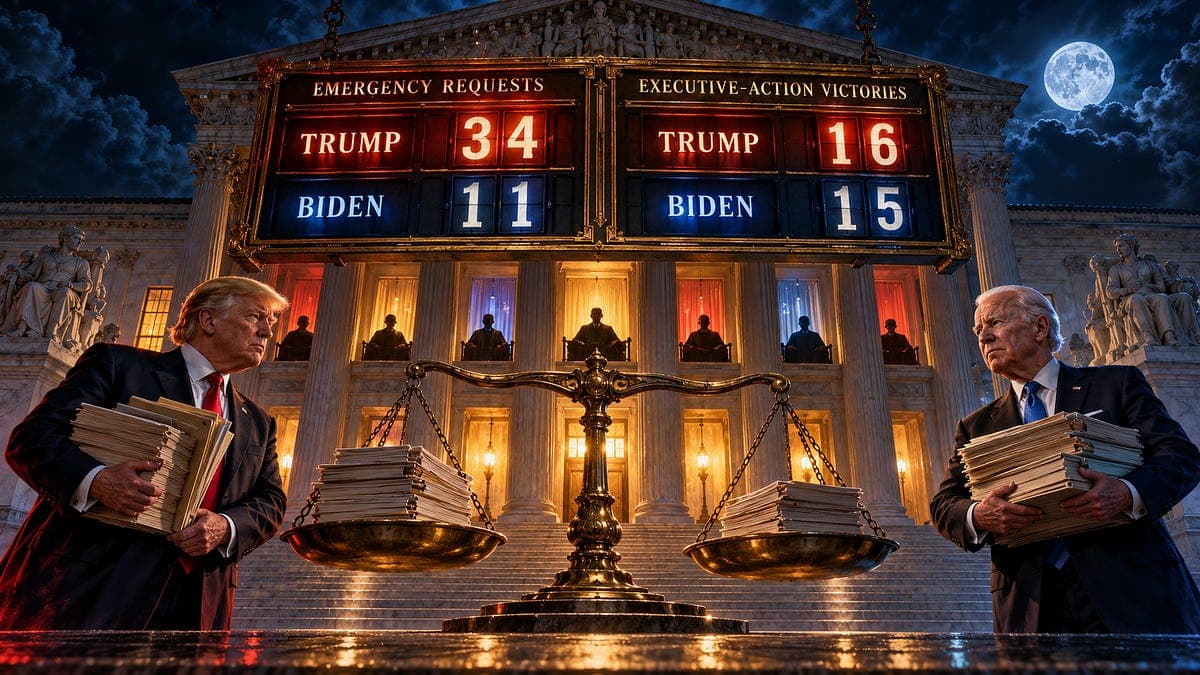
- Tariff-related input cost volatility persists following the Supreme Court’s **February 2026 ruling invalidating key tariff provisions under the International Emergency Economic Powers Act (IEEPA)**. This has caused cycles of tariff removals and reinstatements, complicating price stability in affected sectors.
- Political rhetoric—most notably former President Trump’s renewed calls for a **15% global tariff rate**—and ongoing litigation, including the FedEx lawsuit seeking tariff refunds, exacerbate uncertainty, feeding through to input costs and consumer prices.
- The Biden administration’s commitment to stabilizing trade policy faces headwinds from congressional gridlock and legal disputes, leaving tariff volatility a persistent wildcard in inflation dynamics.
Recent analysis of January’s Consumer Price Index (CPI) release raised more questions than answers, as core inflation components showed mixed signals, reinforcing the difficult calibration the Fed faces in interpreting inflation data and setting policy.
---
### Labor Market: Slowing Growth, Rising Layoffs, and a Growing Imperative for Upskilling Amid AI Disruption
The labor market continues to reflect a slowing but uneven recovery, with elevated churn and technological shifts reshaping employment patterns:
- Payrolls increased by **130,000 jobs in January 2026**, but layoffs surged by **118%**, signaling heightened labor market volatility rather than steady expansion.
- Revised data show net job growth of just **181,000 for all of 2025**, the weakest pace since the pandemic’s onset; some Fed officials suspect net job losses in late 2025.
- Job growth remains concentrated in **healthcare**, which accounted for over half of January’s gains, while manufacturing and retail sectors continue to stagnate or shrink.
- Union membership has reached a record **16.5 million**, reinforcing wage rigidity even as nominal wage growth slows to **3.4% year-over-year**, limiting real income gains—especially for workers transitioning roles.
- Regional economic shifts continue, with Texas surpassing New York City as the nation’s financial hub, reflecting migration and economic diversification.
- The Dallas Fed highlights AI’s “dual role” in creating high-skilled jobs while displacing lower-skilled workers, worsening wage inequality and prompting urgent calls for expanded workforce retraining.
- Reflecting this, **upskilling efforts are accelerating**, particularly in AI literacy and digital competencies, which are increasingly baseline expectations for many jobs.
- The New York Fed’s Economic Heterogeneity Indicators confirm a **deepening K-shaped recovery**, where the bottom 40% face stagnation or decline amid prosperity at the top.
- Labor market dynamism is waning, with lower quit rates and fewer job-to-job moves, dampening wage growth and career mobility.
- A new federal **“No Tax on Tips” deduction** is projected to reduce tax liabilities by an average of **$1,400 annually for millions of tipped workers**, providing some relief amid broader wage pressures.
---
### Housing Market: Fragile but Showing Early Signs of Relief Amid Vacancy Rate Rise
Despite mortgage rates easing to around **5.86%**, the housing market remains fragile but hints at emerging stabilization:
- Home sales remain down about **8.4% year-over-year through January 2026**, reflecting continued affordability challenges.
- Multifamily mortgage delinquencies continue rising sharply in urban areas, sustaining pressures on rental supply and contributing to elevated rents.
- The key positive development is the **rise in rental vacancy rates to 7.2%**, a critical factor that may relieve upward shelter inflation pressures and support more stable mortgage rates in the near term.
- Legal uncertainties linger following the Supreme Court’s split decision in a tax foreclosure case, delaying market corrections and increasing risks for lenders and homeowners.
- HUD’s proposed rule excluding families with undocumented immigrants from federal housing assistance risks worsening housing insecurity among vulnerable groups. California’s pledge of **$35 million** to support undocumented immigrant families reflects growing state-level pushback at the intersection of housing and immigration policy.
- Congressional efforts to address housing affordability and commercial real estate credit constraints remain stalled due to partisan gridlock, leaving the sector vulnerable to sustained strains.
---
### Fiscal Risks: Accelerating Demographic Pressures, Debt Trajectory, and Student Loan Repayment Challenges
Fiscal challenges have intensified, with demographic changes, rising debt, and student loan repayment risks adding to economic vulnerabilities:
- The **Social Security Trust Fund depletion date has been moved forward by one year**, emphasizing the urgency of reform to avoid steep benefit cuts or tax increases.
- Nearly **20% of student loan borrowers face the risk of Social Security benefit and tax refund seizures** once repayment pauses expire, potentially worsening financial hardship and dampening consumption.
- The Congressional Budget Office projects federal debt will exceed **$56 trillion by 2036**, raising concerns about a long-term fiscal spiral.
- Although **tax receipts have risen**, recent analysis highlights that this increase coincides with growing income inequality, as wealthier households contribute disproportionately, while middle- and lower-income Americans face heavier relative burdens due to tax policies enacted in recent years.
- Legislative initiatives like the **Direct File Act**, led by Senators Van Hollen and Warren, aim to simplify tax filing processes and improve compliance, potentially helping revenue collection.
- The IRS faces staffing and technology challenges amid leadership transitions and budget constraints, threatening effective tax enforcement.
- Contentious debates persist over proposed **$186 billion in food assistance cuts**, underscoring political divisions over social safety net funding.
- Advocacy groups, such as the Niskanen Center, urge reforms to sustain unemployment insurance solvency, including adjustments to the taxable wage base.
- The National Taxpayers Union Foundation’s Debbie Jennings emphasized that “taxing the rich won’t pay for government spending,” highlighting the need for comprehensive fiscal reform beyond revenue hikes.
- Legal uncertainties around tariffs and immigration enforcement continue to add fiscal unpredictability, undermining economic confidence.
---
### Federal Reserve: Deep Division Amid Mixed Economic Signals and Uncertain Path Forward
The Federal Reserve remains narrowly divided as it navigates conflicting inflation and growth signals:
- The January 2026 FOMC meeting ended with a close **10–2 vote to hold the federal funds rate at 3.50%–3.75%**, signaling a cautious “hawkish pause.”
- Fed Governor Christopher Waller described the upcoming March decision as a “coin flip” between maintaining rates or initiating cuts, reflecting internal uncertainty.
- Fed Governor Michael Barr and former Dallas Fed President Robert Kaplan caution against premature easing that could reignite inflation.
- Stronger-than-expected payroll data in January tempered dovish expectations, while persistent core inflation reinforces hawkish caution.
- Fed Chair Austan Goolsbee expressed cautious optimism but reaffirmed that inflation control remains the top priority before considering rate cuts.
- Quantitative tightening (QT) continues steadily, with the Fed shrinking its balance sheet to maintain restrictive financial conditions.
- Discussions are underway regarding easing certain bank regulations to stimulate mortgage lending and alleviate housing affordability pressures without undermining financial stability.
- Market expectations currently favor a Fed hold in March, but the narrow vote margins highlight ongoing uncertainty and potential volatility.
---
### Political and Legal Volatility: Tariff Authority Debates and Supreme Court Rulings Amplify Market Risks
Political and legal developments continue to inject significant uncertainty into the economic environment:
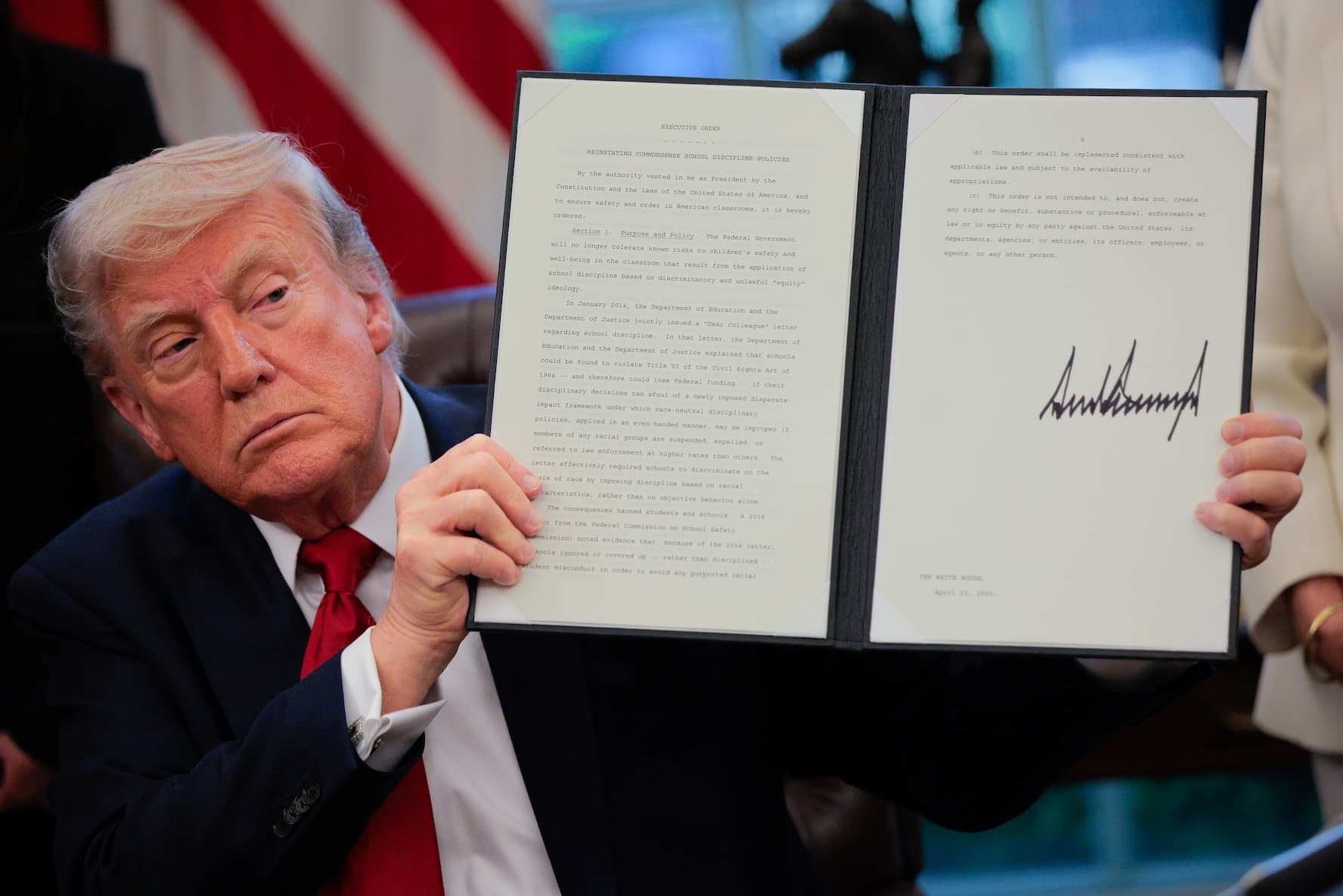
- Former President Donald Trump’s 2026 State of the Union address revived calls for a **15% global tariff rate**, raising fears of escalating protectionism and triggering sharp equity market fluctuations.
- Congress remains deeply divided over imposing new limits on presidential tariff authority, with bipartisan concerns about unchecked executive power adding policy uncertainty.
- Tariff-related litigation, including the FedEx refund lawsuit, continues to weigh on investor sentiment.
- Trump’s public criticism of the Supreme Court’s tariff rulings underscores the heightened political polarization surrounding trade policy.
- Equity markets, including the Dow Jones Industrial Average, have exhibited pronounced volatility tied to tariff rhetoric and legal developments, underscoring fragile investor confidence.
- Congressional gridlock persists on key reforms related to housing, fiscal policy, and trade, prolonging uncertainty and economic vulnerabilities.
---
### Data and Market Expectations: Inflation Signals and Policy Outlook Remain Mixed
- Recent CPI releases and short-term inflation expectation indicators (such as the Federal Reserve Bank of Cleveland’s 1-Year Expected Inflation metric) show persistent elevated inflation outlooks but hints of moderation, complicating near-term Fed guidance.
- Rising tax receipts juxtaposed with increased income inequality highlight underlying structural challenges in fiscal distribution and economic equity.
- The evolving data environment demands close monitoring to refine Fed and market expectations around policy shifts.
---
### Policy Implications: Coordinated, Adaptive Action Is Essential
The confluence of these factors underscores the imperative for **coordinated fiscal, housing, trade, and labor policies** to navigate the delicate balance between inflation control and inclusive growth:
- Expanding targeted workforce upskilling, especially in AI and digital skills, is critical to addressing widening labor disparities and supporting adaptation.
- Stabilizing trade policy and resolving tariff uncertainties would alleviate input cost volatility and support inflation moderation.
- Housing policy reforms that address affordability and legal uncertainties, coupled with support for vulnerable populations, are urgently needed.
- Fiscal reforms balancing revenue adequacy, equitable tax policy, and sustainable entitlement programs are essential to long-term economic stability.
- The Federal Reserve’s cautious stance reflects the complex trade-offs policymakers face amid mixed signals; flexibility and vigilance remain crucial.
---
### Conclusion: Navigating a Complex Economic Crossroads with Vigilance and Coordination
As the U.S. economy advances through 2026, it confronts a rare convergence of persistent inflation, labor market transformation, fragile housing conditions, escalating fiscal risks, and deep political and legal uncertainties. The Federal Reserve’s narrow division and cautious “hawkish pause” reflect the difficulty of balancing inflation containment with growth support amid conflicting data. Meanwhile, tariff volatility and congressional gridlock exacerbate economic vulnerabilities.
The International Monetary Fund’s recent “buoyant” yet cautious outlook captures this fragile equilibrium, emphasizing the need for vigilant, coordinated, and forward-looking policymaking. Only through **adaptive and comprehensive policy responses** can the United States steer towards durable stability, sustainable inflation control, and more inclusive growth in an increasingly complex and uncertain macroeconomic environment.