# The 2026 Short Video Ecosystem: Algorithm Domination, Viral Mechanics, AI-Generated Content, and Ethical Challenges — Updated with New Developments
The digital landscape of 2026 continues to evolve at a breakneck pace, driven by cutting-edge technological innovations, shifting societal norms, and increasingly proactive regulatory measures. Short-form videos—originally a space for casual entertainment—have now become central to cultural expression, commerce, and societal discourse. This transformation is powered by **sophisticated algorithmic recommendation engines**, widespread adoption of **AI-assisted content creation tools**, and the rise of **hyper-realistic synthetic media**. However, these advancements bring complex ethical dilemmas, misinformation risks, and regulatory responses that are shaping the ecosystem’s future.
This update delves into the latest developments, illustrating how technological breakthroughs, societal impacts, and policy measures are redefining the short-video universe.
---
## Algorithmic Engines and the Mechanics of Virality: The Core Drivers
At the heart of the short-video phenomenon are **AI-driven recommendation algorithms** that dictate what content audiences see. Platforms like TikTok, Instagram Reels, YouTube Shorts, and new entrants utilize **advanced machine learning models** analyzing user interactions such as likes, comments, shares, and watch durations in real time. These systems create **hyper-personalized feeds**, fostering **virality cascades** that can rapidly propel videos into widespread popularity.
### How Virality Is Engineered
- **Early Engagement Signals:** Content that quickly garners likes, comments, or extended viewing times is prioritized, creating **virality loops** that amplify reach.
- **Trend Reinforcement:** Algorithms favor trending sounds, visual styles, or themes, reinforcing **positive feedback cycles** that push certain videos into virality.
- **Real-Time Trend Detection:** Next-generation AI systems monitor global data streams instantaneously, identifying emerging themes and providing creators with **early insights** to **capitalize on nascent trends**.
Recent data shows that **67% of all video views globally** now originate from algorithmic suggestions, emphasizing their dominant role in shaping cultural narratives and influencing societal behaviors at scale.
---
## Content Creation: Democratization and Its Discontents
The proliferation of **AI-powered creative tools** has democratized short-video production, enabling virtually anyone to craft viral content with minimal technical skill. Platforms such as **Veo 3.1**, **Picsart Aura**, and AI-integrated workflows like ChatGPT are transforming content creation into an automated and efficient process.
### Notable Recent Innovations
- **Veo 3.1:** Integrates language models with visual editing, automating scripting, scene selection, and editing, significantly reducing production time.
- **Picsart Aura:** Launched in early 2026, Aura allows users to generate complete social videos from voice prompts or text descriptions. With simple speaking or typing, creators receive ready-made videos embedded with visuals, music, and effects—**lowering barriers to entry**.
> *"Picsart’s new Aura tool turns voice prompts into social videos,"* exemplifying how AI is democratizing creative expression at scale.
- **Picsart Storyline:** An all-in-one AI storytelling platform, Storyline simplifies faceless channel creation. Users can start a YouTube, TikTok, or Instagram page without filming or editing, making content creation accessible even for those with no prior experience.
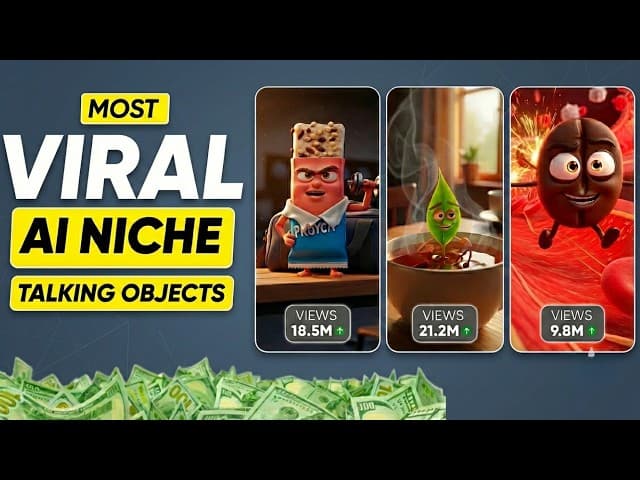
- **Faceless AI Channels & Synthetic Characters:** The rise of fully AI-generated, identity-agnostic channels featuring virtual hosts, synthetic voices, and automated editing pipelines continues. These **scalable channels** challenge notions of authenticity and trustworthiness.
- **Synthetic Animals & Virtual Influencers:** Particularly in China, AI-generated animals such as hyper-realistic virtual cats and dogs have become social media celebrities, amassing millions of followers, securing brand deals, and launching merchandise. These **synthetic personalities** question traditional ideas of emotional connection and authenticity.
### Cultural and Artistic Implications
While AI tools facilitate **rapid content experimentation** and **cultural diversity**, they also contribute to **homogenization**. Many videos now echo similar styles, sounds, and storytelling formulas optimized for algorithms, risking a **flattening of cultural expression** and **erosion of genuine artistic originality**.
---
## Viral Strategies and Analytics: The New Creator Playbook
Creators are increasingly leveraging **AI-powered analytics tools** to decode trending patterns, optimize content, and maximize virality. These tools recommend:
- Trending hashtags and sounds
- Visual styles and editing techniques
- Emotional cues and storytelling frameworks
This data-driven approach fosters **mass imitation**, with many creators adopting formulaic content designed explicitly for algorithmic favor. While effective, this trend raises concerns about **diversity** and **originality** being sacrificed in pursuit of virality.
---
## The Rise of Synthetic Media and Digital Celebrities
A major development in 2026 is the proliferation of **AI-generated animals and characters** as mainstream social media personalities. In China, these **synthetic beings** are transforming entertainment and commerce:
- **Content:** Virtual cats, dogs, and other animals with hyper-realistic features appear in humorous, adorable, or dramatic videos.
- **Impact:** They secure millions of followers, partner with brands, and launch merchandise lines, exemplifying how **AI-driven synthetic creativity** reshapes monetization strategies.
- **Cultural Shift:** These synthetic entities challenge traditional notions of **authenticity**, raising complex questions about **IP rights**, **emotional engagement**, and **trust** in digital personas.
---
## The Escalating Threat Environment
Advances in AI have amplified risks associated with **hyper-realistic deepfakes**, **misinformation**, and **privacy violations**. Recent incidents highlight these dangers:
### Hyper-Realistic Deepfake Content
- The **Tom Cruise vs. Brad Pitt** deepfake—a 2:51-minute AI-generated video—was convincingly staged, depicting celebrities in fabricated scenarios. It garnered over **9,400 views** and **119 likes**, demonstrating AI’s capacity to produce **highly realistic**, misleading content.
- Deepfakes are increasingly used in sectors like **cosmetics and skincare**, where hyper-realistic tutorials and testimonials blur the line between genuine and fabricated.
### Misinformation Incidents
- A viral TikTok falsely claimed that Apple would **replace USB-C ports with MagSafe** on the iPhone 18. The hyper-realistic video spread rapidly, influencing market perceptions and causing speculation—highlighting AI’s potential to **distort facts** and **manipulate markets**.
### Scams & Exploitative Content
- In South Florida, AI deepfakes are being used to **scam congregants** by impersonating pastors. Several pastors have weighed in on how AI impersonations are targeting their communities, exploiting trust for financial gain. This emerging form of scam underscores the **dangerous misuse** of hyper-realistic AI content.
### Exploitative and Adult Content Ads
- Explicit AI "girlfriend" ads have proliferated on platforms like Meta, featuring hyper-realistic AI-generated images and videos portraying intimate relationships. These ads often target vulnerable users, raising **ethical, regulatory, and safety concerns** about exploitation and user protection.
---
## Regulatory and Platform Responses: Strengthening Defenses
In response to these mounting threats, authorities and platforms are intensifying measures:
- **Legislative Efforts:**
- The **Becker Bill**, introduced by State Senator Josh Becker, aims to criminalize malicious deepfake creation and mandates **platform disclosures** of AI-generated content. Its goal: combat misinformation, hate speech, and identity theft.
- **Platform Initiatives:**
- Major platforms are investing heavily in **watermarking technologies** and **deepfake detection algorithms** to verify content authenticity.
- Some are experimenting with **blockchain-based provenance systems** to establish **content traceability** and **creator attribution**.
- **Transparency & Ethical Standards:**
- Calls for **mandatory disclosure** of AI-generated content are gaining momentum to foster **public trust**.
- Industry groups are developing **ethical guidelines** emphasizing **responsible AI use**, **content moderation**, and **user safety**.
---
## New Content Challenges and Ethical Dilemmas
The proliferation of synthetic media has spurred ongoing **ethical debates**:
- **Authenticity vs. Homogenization:**
Critics argue that AI encroaches on **genuine artistic expression**, risking a **monoculture** of digital content.
- **Manipulation & Misinformation:**
Deepfake and AI-generated misinformation campaigns threaten to distort societal perceptions and influence markets.
- **Exploitation & Privacy:**
The rise of hyper-realistic AI "girlfriend" ads and deepfake scams target vulnerable populations, raising significant concerns about **user exploitation**, **privacy violations**, and **consent**.
- **Cultural Impact:**
AI-created videos portraying **stereotypes** or **harmful narratives** exacerbate social tensions, as seen in recent instances where AI content reinforced negative stereotypes about marginalized groups.
---
## Current Status and Broader Implications
The **2026 short-video ecosystem** exemplifies a **delicate balancing act**:
- **Technological Innovation** continues to revolutionize how content is created, consumed, and monetized.
- **Societal and regulatory challenges**—notably deepfake proliferation, misinformation, and authenticity concerns—are escalating, necessitating **coordinated responses**.
### Key Priorities Moving Forward
- **Enhanced Detection & Watermarking:**
Leveraging **AI safeguards** and **blockchain verification** to establish **content authenticity**.
- **Legal Frameworks & Disclosures:**
Expanding laws like the **Becker Bill** to deter malicious AI misuse and requiring **clear disclosures** for AI-generated content.
- **Supporting Genuine Creators:**
Promoting initiatives that **protect authentic artistry**, **cultural diversity**, and **creator rights**.
- **Cross-Sector Collaboration:**
Fostering cooperation among platforms, regulators, creators, and civil society to **safeguard societal values** and **maintain trust**.
---
## Conclusion: Navigating Innovation and Ethics
The short-video landscape of 2026 is defined by **remarkable technological progress** and **complex societal challenges**. While AI-driven democratization opens new horizons for creativity and engagement, it also amplifies risks of **manipulation**, **misinformation**, and **cultural homogenization**.
Addressing these issues requires **concerted effort**—combining **technological safeguards**, **robust legal frameworks**, **transparent practices**, and **ethical standards**. Fostering **trustworthiness**, **diversity**, and **authenticity** will be crucial for ensuring that the ecosystem remains a **vital**, **trustworthy** space for expression and innovation.
The future of short videos hinges on our collective ability to balance **technological advancement** with **ethical integrity**, ensuring that this dynamic medium continues to serve as a positive force for cultural vibrancy and societal progress.