# Community-Led Youth Initiatives and Workforce Innovations Reach New Heights in 2026
As 2026 unfolds, communities across the nation are demonstrating unprecedented resilience, innovation, and commitment to fostering youth development, expanding economic opportunities, and addressing persistent social inequities. Building on a foundation of collaborative efforts, strategic partnerships, and technological advancements, this year marks a pivotal moment where integrated approaches are transforming neighborhoods into more equitable, vibrant spaces—especially for young people, marginalized populations, and those navigating workforce transitions.
## Expansion of Community-Led Youth Programs and School-Based Behavioral Supports
A defining feature of 2026 has been the intensified focus on **mental health and behavioral supports** within schools and communities. Recent developments highlight a sustained momentum:
- The **Spotsylvania School Board** secured a **DCJS grant** to **expand behavioral interventionist programs**, addressing the rising mental health needs among students. This initiative will enable the district to **train additional behavior interventionists**, fostering safer, more inclusive school environments that support emotional well-being. This effort aligns with broader recognition that **mental health services are fundamental to student success**, especially in communities facing social and economic challenges.
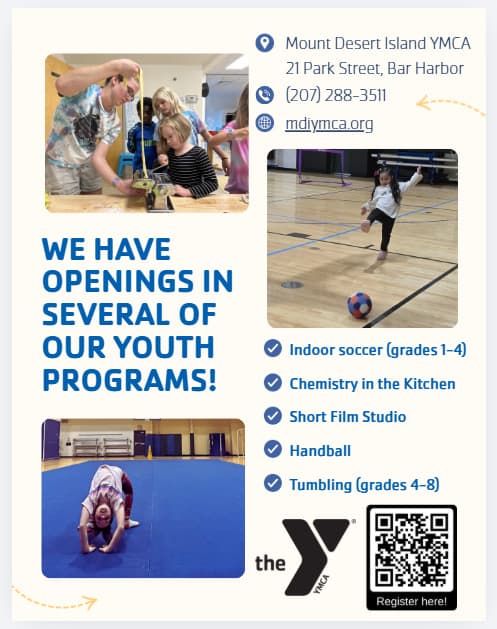
- The **South Mountain YMCA** further enhanced its youth engagement by appointing a **full-time Director of Day Camp and Youth Sports**, emphasizing **social-emotional learning, teamwork**, and **community involvement**. This strategic hire positions the YMCA as a vital hub for resilience-building and holistic youth development, reflecting a trend of community organizations expanding their roles as mental health and social supports.
- **CASA of Medina County** expanded its advocacy capacity with a **second full-time guardian ad litem**, allowing more foster children to access **dedicated, personalized support**. As CASA’s Executive Director emphasized, “Our goal is to ensure every child in care has an advocate to help navigate complex systems and find stability,” reinforcing a **child-centered justice** approach.
These initiatives exemplify a broader recognition that **mental health and behavioral supports are essential to fostering healthier, more resilient youth populations**. Schools and community organizations are increasingly collaborating to integrate these services into daily routines, creating environments where young people can thrive emotionally and socially.
## Strengthening Employment Pathways: From Internships to Remote Opportunities
The employment landscape in 2026 is characterized by significant shifts driven by technological change, employer strategies, and regional initiatives:
- **Major corporations** are ramping up their entry-level hiring efforts:
- **IBM** announced a **tripling of entry-level roles**, focusing on **technology, customer support**, and **innovation**, with a clear emphasis on **diversity and inclusion**.
- **Boeing** expanded positions in **Product Support Analysis** and **STEM fields**, emphasizing early career development and equitable access.
- **Remote work opportunities** are now central to employer strategies:
- Positions such as **Content Reviewer US** and **Virtual Assistant** are increasingly common, benefiting individuals with disabilities, residents in rural areas, and young professionals seeking flexible schedules.
- A **February 2026 Glassdoor report** highlights **6,318 entry-level jobs** available in **Jacksonville, FL**, across healthcare, technology, and customer support sectors, demonstrating vibrant local demand.
- **Local hiring initiatives** are tailored to regional needs:
- **Laketran** in Ohio is actively recruiting **20 full-time bus drivers** through its **Paratransit Driver Training** program, emphasizing transportation as a vital employment sector.
- In **New Hope**, seasonal roles in retail, hospitality, and community services serve as pathways to permanent employment. Officials note, “Our seasonal programs are designed not just for immediate staffing needs but as career development pipelines.”
- **Emerging policies** support remote work:
- **Maine’s Department of Labor** will hold a **public hearing on March 13th, 2026**, regarding the **Competitive Skills Scholarship** aimed at workforce development.
- **California** has enacted **AB 1729**, establishing **permanent remote work options** for eligible workers, complemented by a **remote work dashboard** that tracks benefits such as **reduced emissions, decreased commute times**, and **increased workforce participation**.
### Notable New Job and Workforce Development Highlights
Recent additions to the employment landscape include:
- The **Associate Production Support Analyst (Remote)** role at **First American Financial Corporation**, offering opportunities across **Santa Ana, California**, **Arizona**, and other remote locations.
- Analyzing **100 entry-level cybersecurity listings**, industry reports reveal a dynamic and competitive landscape, with growing demand for **cybersecurity professionals** at the entry level—prompting renewed focus on **reskilling initiatives**.
- **Virtua Health** continues to actively hire for **entry-level healthcare positions**, contributing to a more diverse and accessible healthcare workforce.
- The **Mercer County Sheriff’s Department** in West Virginia is expanding law enforcement pathways by recruiting **entry-level deputies**, emphasizing community policing and public safety.
- **Northern Colorado** is positioning itself as a hub for **remote workers, freelancers, and entrepreneurs**, leveraging infrastructure investments and supportive policies to foster a thriving digital economy.
- The **Downey Recruitment Expo**, hosted by the City’s Parks and Recreation and Human Resources Departments, aims to connect job seekers with **part-time and seasonal opportunities** across various sectors, including parks, recreation, and public services.
- **Massac County** in Illinois reports ongoing regional job openings across manufacturing, education, and healthcare sectors, with local leaders emphasizing **career pathways and community stability**.
## Community Supports: Food Security, Housing, and Survivor Services
Communities continue to address systemic barriers through **innovative and targeted supports**:
- In **Evanston**, grassroots organizations responded swiftly to **federal SNAP work requirement changes**, expanding volunteer-led food drives that successfully assisted **at least 2,000 households**—a testament to community resilience.
- **"Bridging Gaps"** in Amarillo, Texas, provides **transitional housing** and comprehensive services for **trafficking and abuse survivors**, helping facilitate stability and recovery.
- **Tigerlili Resources** in Alton, Illinois, offers **tailored counseling, legal advocacy**, and **safety planning** for survivors of violence and exploitation.
- Urban revitalization projects like **"Find Your SLO Studio"** in San Luis Obispo promote **affordable housing**, increasing access for low-income residents, young professionals, and students, thereby strengthening neighborhood vibrancy.
- To attract residents amidst ongoing economic uncertainties, **Colorado Springs** has introduced **relocation incentives of up to $25,000**, actively encouraging regional resilience and workforce retention.
## Policy and Technological Innovations: Shaping the Future of Work
Advances in **policy** and **technology** are fostering a **more inclusive and adaptable workforce**:
- **Remote work regulations** continue to evolve:
- **California’s AB 1729** supports **permanent remote work options**, with a **dashboard** tracking benefits like **emissions reductions** and **workforce participation**.
- **Clarion County, Pennsylvania**, is engaging in discussions about **guidelines and protections for remote workers**, balancing flexibility with safety and workers’ rights.
- The rise of **AI-driven automation** presents both **challenges and opportunities**:
- An influential article, **"How AI Is Quietly Replacing Entry-Level Jobs in 2026,"** notes that automation is gradually transforming entry-level roles through **AI-powered workflows**, often without immediate public awareness.
- Reports from **Gartner** indicate that **55% of organizational leaders** believe **agentic AI** will **reduce entry-level jobs**, emphasizing the urgent need for **reskilling and educational responses** to prevent displacement.
- Outreach campaigns are increasing efforts to **raise awareness about employment scams**, safeguarding first-time job seekers navigating a complex landscape.
## Supporting Career Switchers, Veterans, and Specialized Initiatives
Resources for those transitioning careers or entering new fields are expanding:
- Practical guides like **"How to Get an Accounting Job as a Career Switcher If Your Degree Isn’t in Accounting"** offer actionable advice for entering the accounting profession without traditional credentials.
- **Veteran employment programs** are gaining momentum through **Veteran Resource Fairs**, connecting service members with employment opportunities, veteran organizations, and support services.
## New Focus: Schools Pursuing Behavioral Health Supports
A notable development this year is the **Spotsylvania School Board’s** initiative to pursue a **DCJS grant** aimed at **expanding behavioral interventionist programs**. This effort reflects a statewide and national trend to **integrate mental health and behavioral supports** directly into school settings, especially in communities facing increased social and emotional challenges among youth. By **training additional interventionists**, schools seek to **foster safer, more supportive environments** that promote **positive behavioral and emotional development**—a critical factor in student success.
**Martin Davis**, Editor-in-Chief, notes, “This grant effort underscores the increasing recognition that mental health and behavioral supports are foundational to student success, especially in communities facing complex social challenges.”
## Spotlight on Niche Sector Initiatives: The STAMP Career Fair
Adding to the innovative landscape, **2026 saw the debut of the STAMP (Science, Technology, Accessibility, Mathematics, and Public-sector Training) Career Fair**. This event aims to **align youth and community workforce development efforts** with **emerging sectors** committed to **inclusivity, accessibility**, and **public service**.
- The fair features **hands-on workshops**, **mentorship programs**, and **industry panels** focused on **high-demand STEM fields**, **public administration**, and **accessible technology development**.
- Prioritizing **equity and social impact**, organizers emphasize pathways for **underrepresented groups and individuals with disabilities**, fostering a **more diverse and inclusive workforce**.
## Current Status and Future Implications
2026 exemplifies a **year of transformation**, driven by **community-led solutions, technological innovation**, and **policy reforms**. Despite ongoing challenges such as automation’s impact on entry-level roles and economic disparities, the expanding initiatives—ranging from **youth mental health supports** and **career development pipelines** to **regional recruitment events**—are laying a **strong foundation for sustainable growth**.
Discussions like **Everett City Council’s** efforts to transition civic roles into **full-time positions** reflect a broader movement to **reimagine civic infrastructure** for better community service. The overarching focus remains on **building equitable opportunities**, **supporting mental well-being**, and **fostering inclusive workforce development**.
**In summary**, 2026 stands as a testament to the **power of collective effort, innovation, and strategic policy**. Opportunities for youth, career switchers, veterans, and marginalized populations are expanding, signaling a hopeful trajectory toward **more equitable, resilient communities** where all individuals can thrive amid societal change.