July 11, 2026
AI Breakthrough Digest · July 11, 2026
New Benchmarks
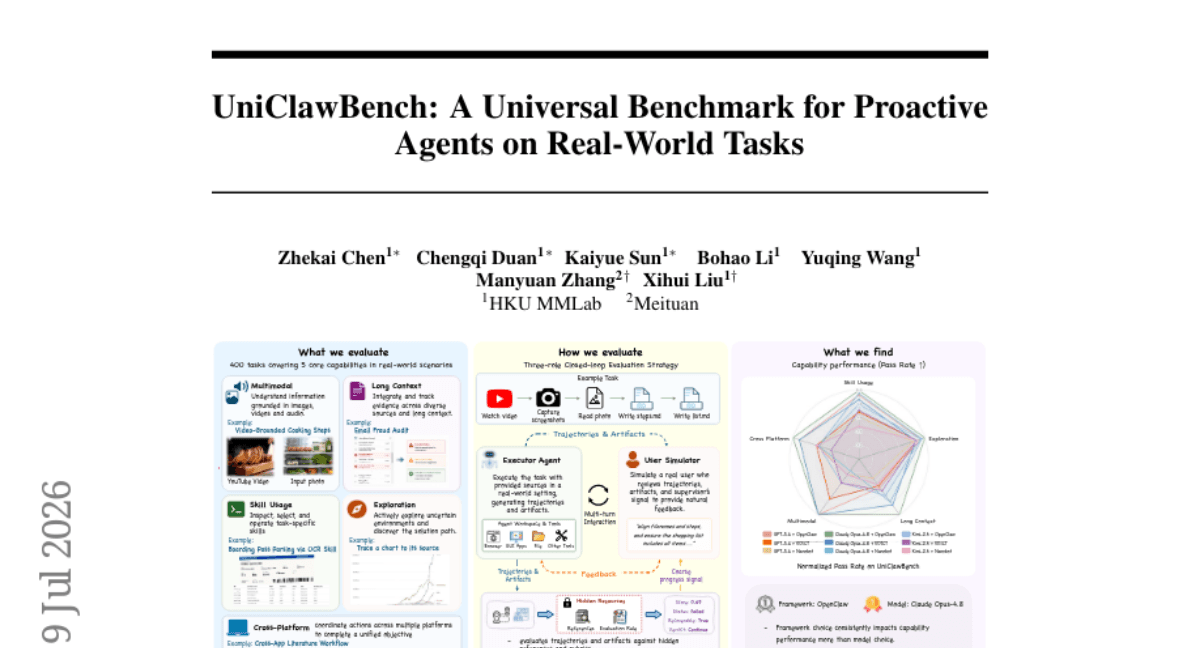
- 🔥 UniClawBench: UniClawBench introduces the first capability-driven benchmark for proactive agents with 400 bilingual real-world...

Created by Landon Jones
Research-driven AI breakthroughs across language, vision, RL, multimodal, safety, and robotics
Explore the latest content tracked by AI Breakthrough Digest
UniClawBench tackles limitations of prior agent benchmarks by introducing the first capability-driven evaluation for proactive agents in live, dynamic...
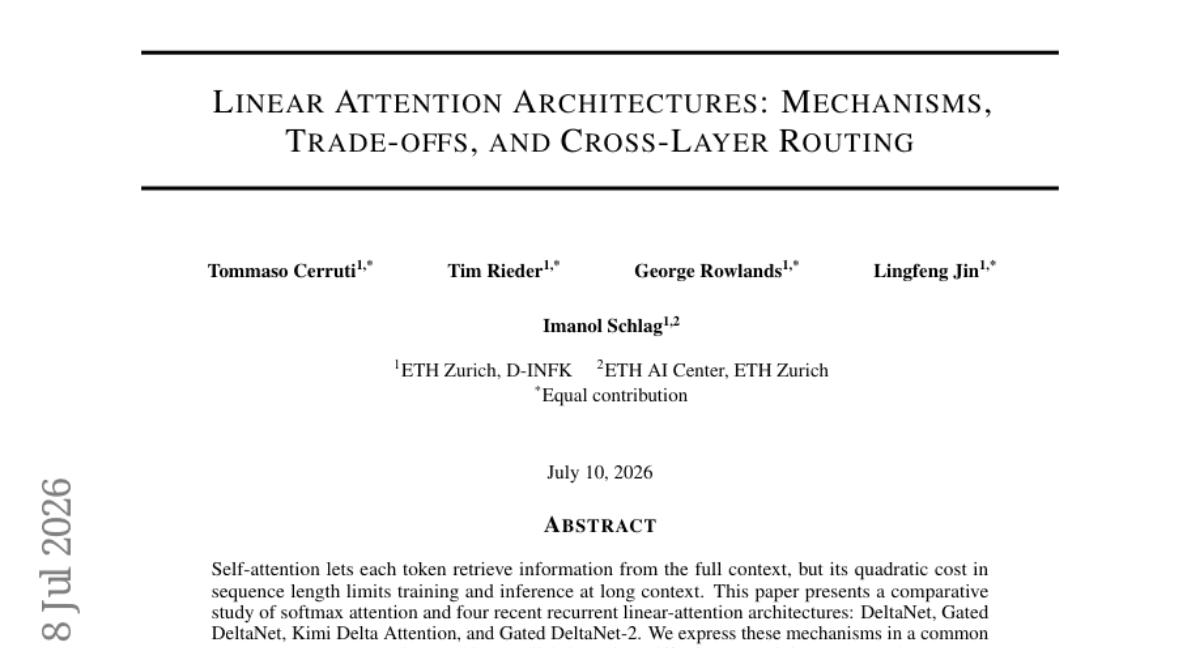
Two distinct paths emerge for long-context LLMs:
A new policy roadmap calls for a learning sciences benchmark to evaluate generative AI on human flourishing, not just task efficiency.
Key elements...
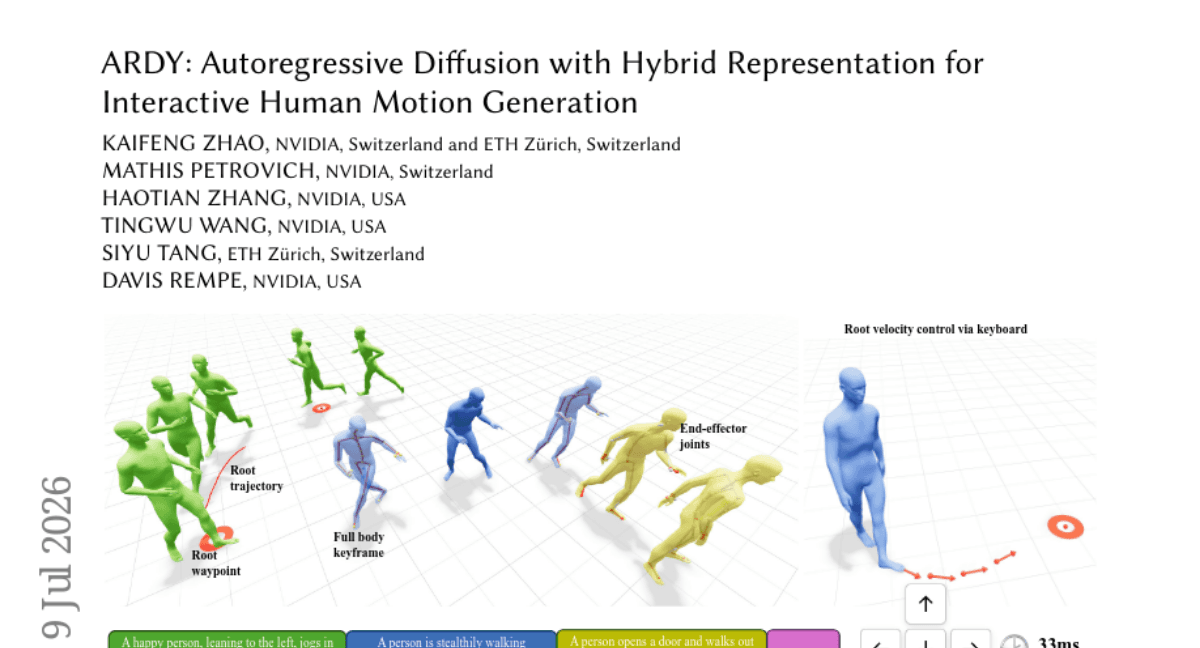
Three approaches are pushing generative models toward more controllable, stable, and interactive outputs.
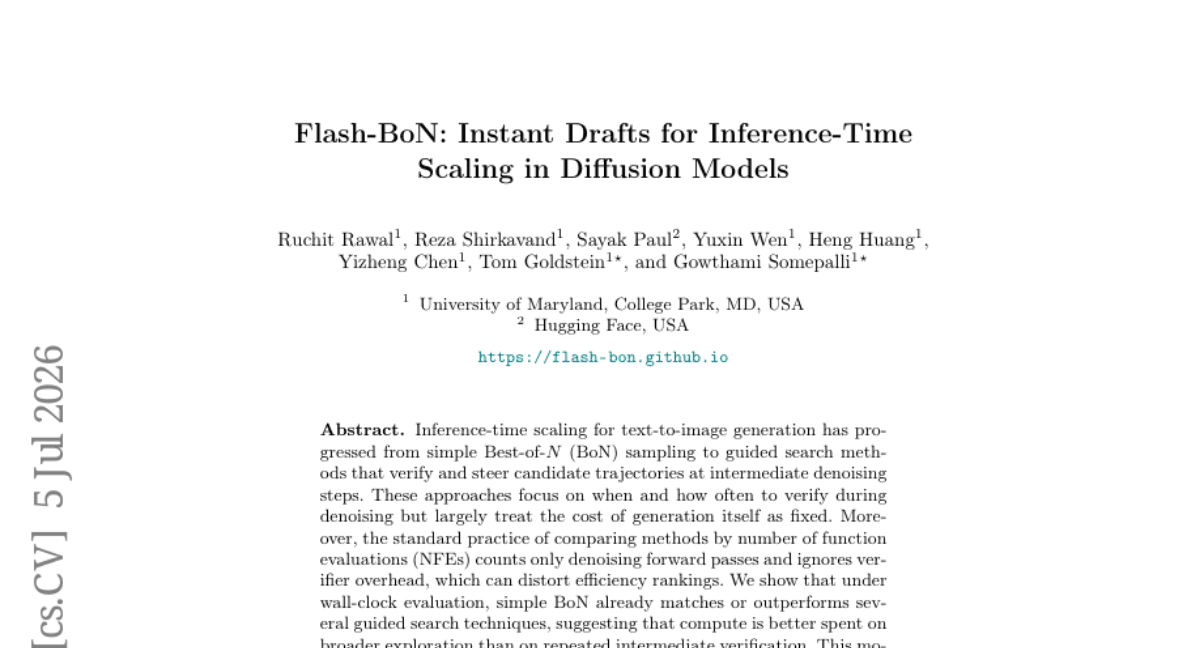
Flash-BoN accelerates inference-time scaling for text-to-image diffusion models by generating cheap draft candidates via timestep truncation, layer...
Three projects push large-scale interactive simulation for AI:
Researchers show rapid AI adoption at 58% but only 22% call it trustworthy, citing needs for source citations, peer-reviewed training data, and...
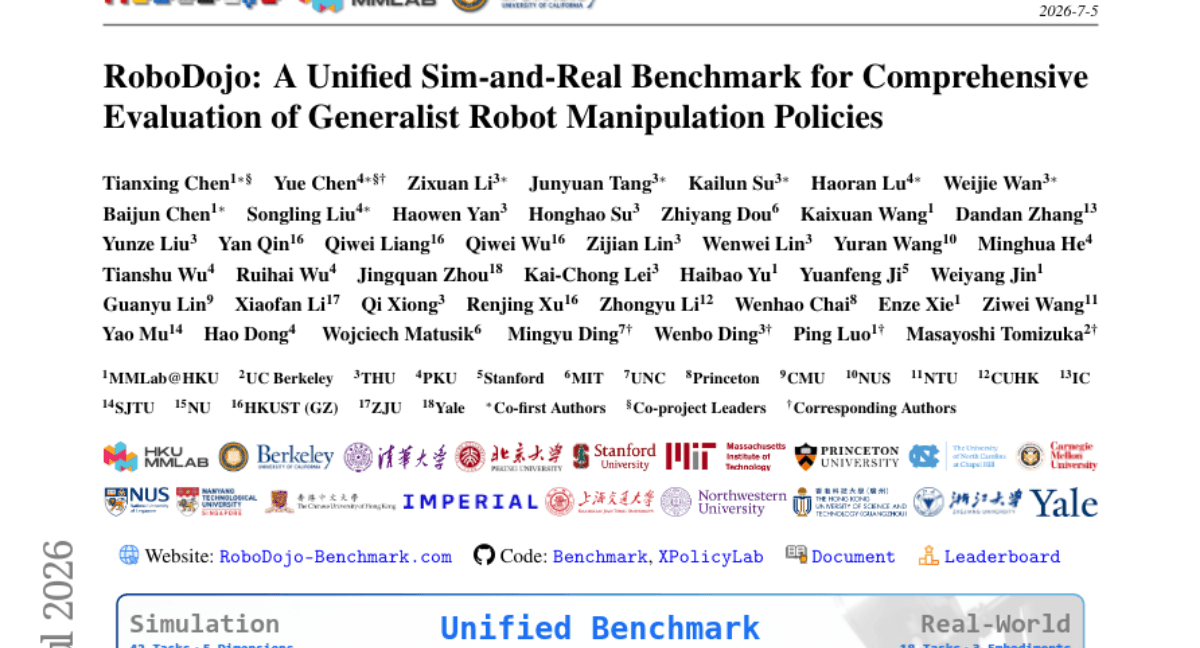
RoboDojo delivers a unified benchmark spanning 42 simulation tasks and 18 real-world tasks to rigorously test generalist robot manipulation policies...
Two recent works show memory evolving from passive retrieval to a learned, integrated component of agent reasoning.
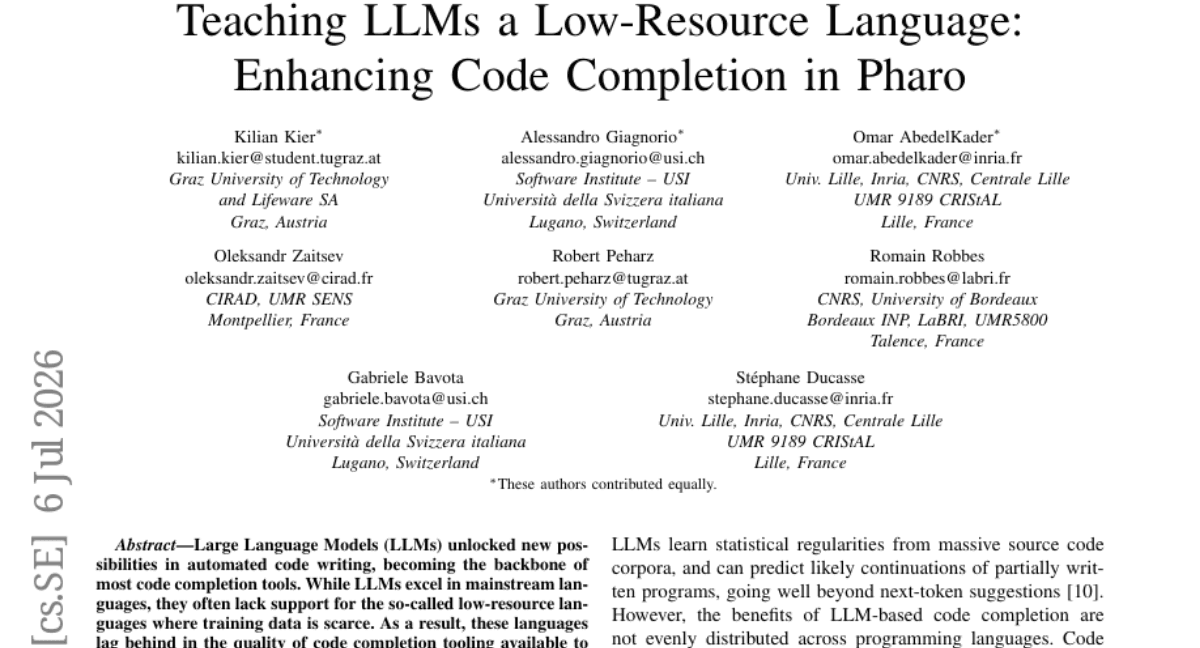
Pharo-specialized models created via targeted data curation, continued pre-training, and fine-tuning beat both their base checkpoints and...
A comprehensive thesis shows medical image domain adaptation fails under limited supervision due to intertwined limits in model capacity, semantic...
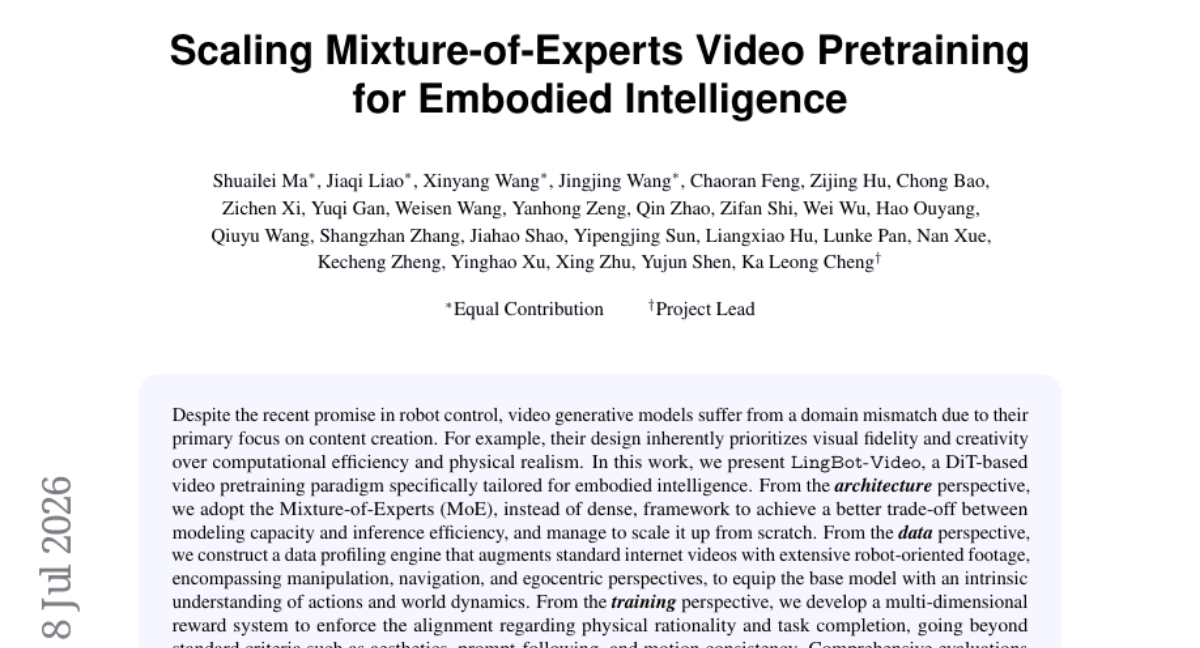
LingBot-Video overcomes domain mismatch in video generative models—where visual fidelity trumps physical realism—via a Mixture-of-Experts DiT...
Flow Sampling flips the conditioning: instead of using target data samples for supervising velocity, it derives the drift from the source. This...
Three papers show how generative techniques address offline learning, delays, and evaluation in RL.